Tattoo Ideas
First Tattoo Ideas
Most people walk into a first tattoo consultation with a saved image and no idea what it will look like in ten years. That gap between the reference photo and the healed result is where almost every first-tattoo regret lives. Here is how we think about first tattoos at our Main Street studio in Santa Monica: what actually works on skin, what ages badly, and what to expect once the needle starts.
Book a consultationStart With Placement, Not the Design
Beginners usually pick the image first and then look for somewhere to put it. Experienced artists work the other way around. Placement determines how big the piece has to be, how much detail it can hold, how badly it will hurt, and how it will look after a decade of sun, stretching and friction.
The forearm is the most forgiving first-tattoo location in the body. The skin is relatively flat, it holds ink cleanly, the pain is moderate, it heals fast because you can keep an eye on it, and it ages well if you use sunscreen. Outer upper arm and calf are close behind. The upper back and shoulder blade also work well — large, flat, low-friction, and easy to cover for work.
Places that punish first-timers: fingers, palms, the side of the foot, the inner wrist crease, and the rib cage. Fingers and palms shed ink constantly because the skin regenerates fast and you use your hands all day — expect patchy healing and repeat touch-ups forever. Feet rub against shoes. Ribs hurt more than people expect and the skin sits directly over bone, which makes long sessions genuinely hard for someone who has never been tattooed.
The Sun Factor in LA
This matters more here than almost anywhere. If you live near the beach in Santa Monica or Venice and spend weekends outside, an unprotected tattoo will fade noticeably faster than the same piece on someone in a colder city. Black and gray hold up best. Bright reds, yellows and pastels fade first. Daily SPF on healed tattoos is the single cheapest thing you can do to keep your work looking sharp.
Sizing: The Mistake Almost Everyone Makes
The most common first-tattoo error is going too small for the amount of detail in the design. Ink spreads slightly in the skin over years — this is normal and unavoidable. A line that sits crisp today will be slightly wider in fifteen years. If two lines are placed close together in a small piece, they eventually merge into a single blur.
Practical rule: if your reference has a lot of internal detail — tiny lettering, dense shading, small faces, fine-line florals — size up or simplify. A two-inch design with the detail of a six-inch design is a bad long-term bet. Good artists will tell you this before they tattoo it. If someone agrees to shrink anything you ask without comment, that is a signal.
Fine Line: What Nobody Tells You
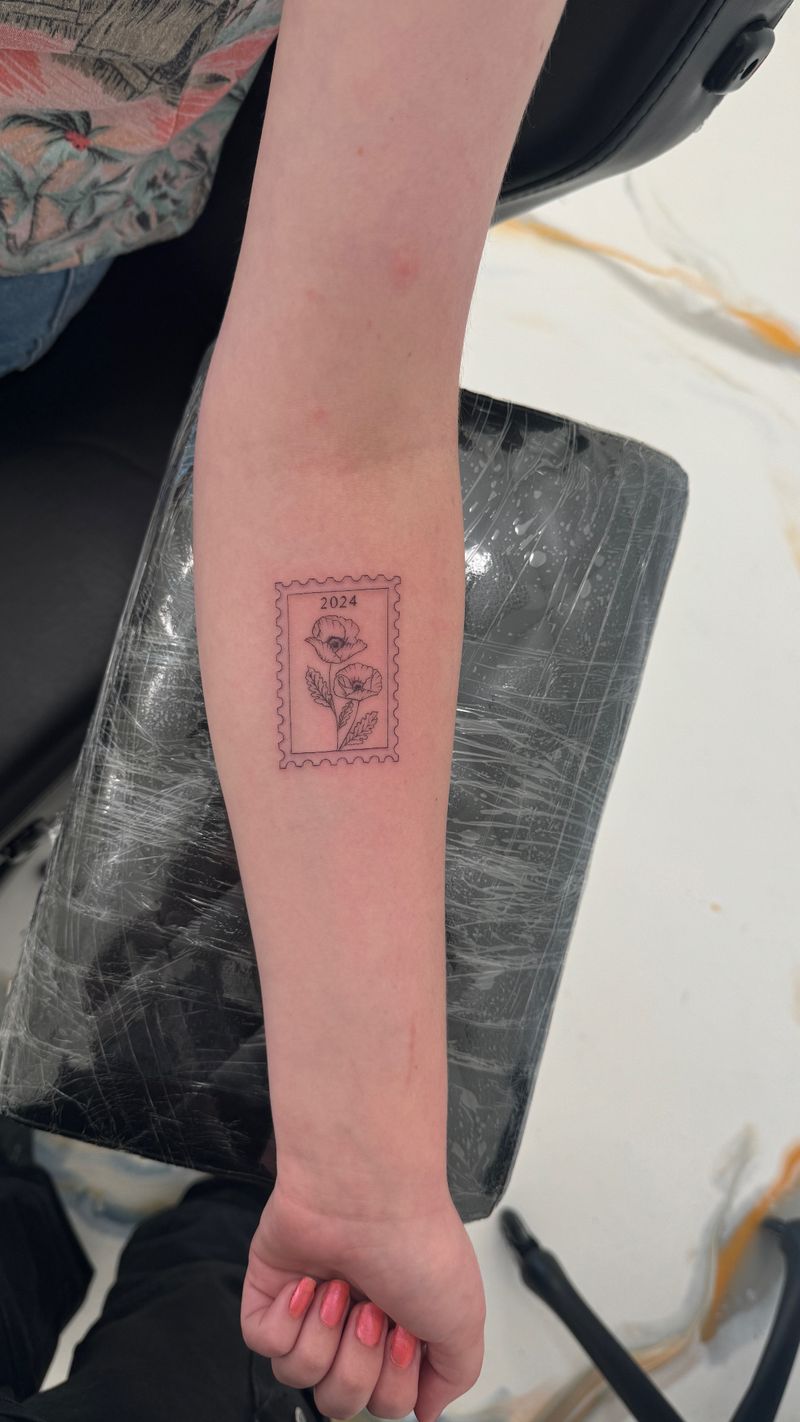
Fine line and single-needle work is everywhere on Instagram, and it is genuinely beautiful when it is fresh. Be honest with yourself about the trade-off. Fine line blows out most easily in soft, thin-skinned areas: the inner arm, the inner bicep, the ankle, the inner wrist, and anywhere over a joint. A blowout means the ink spreads under the skin, leaving a fuzzy shadow around the line. It cannot be fully undone — it can only be covered or reworked.
Fine line also holds less pigment by definition, so it fades sooner and often needs a refresh in five to ten years. That is a fair choice if you know it going in. It is not fair if you were told it would look identical forever.
Styles That Age Well for a First Piece
- Bold traditional / neo-traditional — heavy outlines and solid fill were designed to survive decades. Still the safest bet in tattooing.
- Blackwork and illustrative black — strong contrast, no color fade to worry about, reads clearly from across a room.
- Black and gray realism — ages well when the artist keeps enough contrast; needs adequate size to hold the detail.
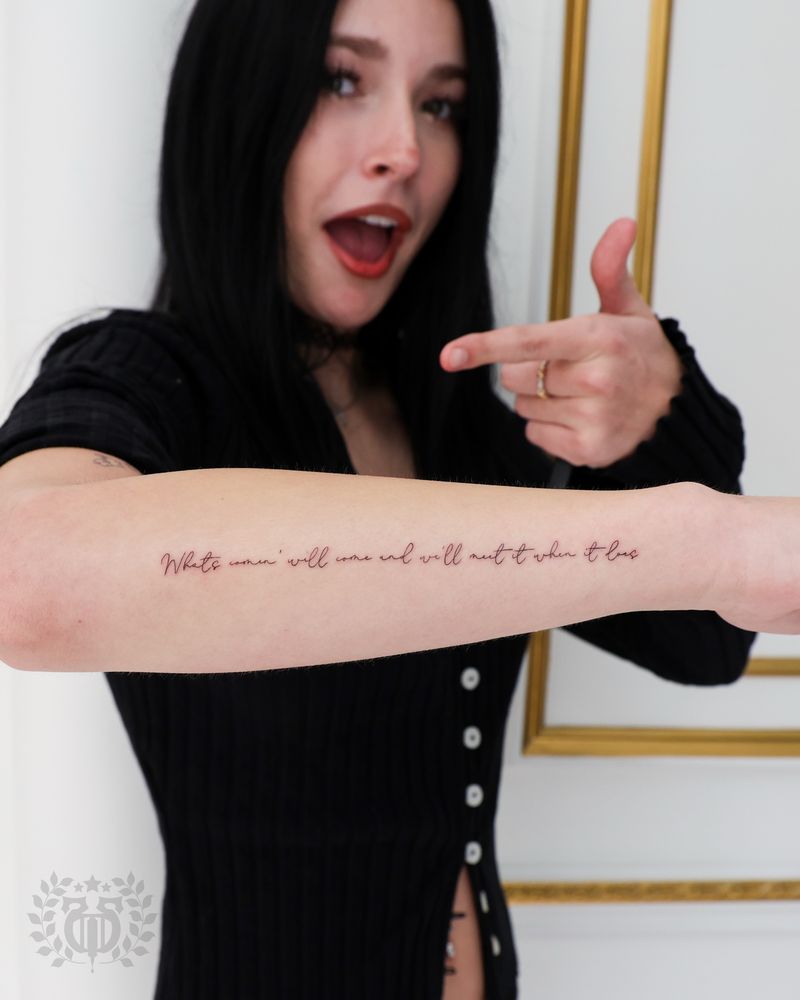
- Simple script and lettering — excellent if the letterforms have room to breathe. Tiny, tightly spaced script is a touch-up magnet.
- Watercolor — the softest-aging style. Beautiful fresh, but with no black anchor it tends to go pale and undefined. Ask for some black structure underneath.
If you are still gathering references, browse a range of styles and see what you keep returning to rather than what is trending this month. Our tattoo ideas pages are organized by subject and style for exactly this reason.
What a Real First Session Looks Like
Consultation first. You bring references, we talk about placement, size, skin tone, budget and how the design needs to change to work as a tattoo rather than as a drawing. Bring photos of the actual body part — it saves a lot of guessing.
On the day, eat a real meal beforehand and skip alcohol the night before. Your artist draws or prints a stencil, places it, and you check it in the mirror. This is the moment to speak up. Move it an inch, rotate it, size it up — nobody minds. Once the outline goes in, it is permanent.
Expect the first ten minutes to feel worse than the next hour; your body adjusts. Most first tattoos run one to three hours. Longer than four hours and beginners tend to get restless and the skin gets irritated, which affects how the ink settles. Splitting a large piece across two sessions is normal, not a failure.
Healing takes two to three weeks on the surface and three to four months underneath. Keep it clean, keep it lightly moisturized, do not pick, and stay out of the ocean and pools until it is fully closed — a real consideration a few blocks from the beach. A touch-up after healing is common and expected on most pieces; ask about the studio's touch-up policy up front.
When you are ready to talk through placement and design with someone who will tell you the truth about how it will age, book a consultation. Bring your references and your questions.
Most first tattoos are also small tattoos, and the sizing conversation is where first-timers most often get steered wrong. Our small tattoo ideas guide covers minimum sizes, placement longevity and what a piece actually costs here.
Common first tattoo questions, answered
What is the best placement for a first tattoo?
The outer forearm is the most forgiving spot for a first piece — flat skin, moderate pain, clean healing, and good long-term aging with sunscreen. Outer upper arm, calf and shoulder blade are close seconds. Avoid fingers, palms, feet and ribs for a first tattoo unless you have a specific reason.
How big should my first tattoo be?
Big enough to hold the detail in the design. Ink spreads slightly over the years, so tightly packed lines in a small piece eventually merge. If your reference has fine internal detail, either size it up or simplify it. Your artist should raise this before starting.
Does fine line work really blow out?
It can, especially on thin or soft skin like the inner arm, inner wrist, ankle and areas over joints. A blowout is ink spreading beneath the skin, leaving a fuzzy halo around the line. Skilled placement reduces the risk substantially, but fine line also holds less pigment and generally needs a refresh sooner than bold work.
How much does a first tattoo hurt?
Less than most people fear, and the first ten minutes are usually the worst. Fleshy areas like the outer arm and thigh are mild; bone-adjacent areas like ribs, sternum, feet and elbows are sharper. Eating beforehand and skipping alcohol the night before makes a real difference.
How long does a first tattoo take?
Most first pieces run one to three hours including stencil placement and setup. Beyond about four hours, beginners get fatigued and the skin gets irritated, which affects how the ink settles. Splitting a larger design into two sessions is standard practice, not a compromise.
Will my tattoo need touch-ups?
Many do, and it is normal. Areas that flex or rub — hands, feet, elbows, inner wrist — need them most. Fine line and light colors typically need refreshing sooner than bold black work. Ask about the studio's touch-up policy during your consultation.
Which tattoo styles age the best?
Bold traditional, blackwork and strong black and gray hold up best over decades because they rely on heavy line weight and contrast rather than fine detail. Watercolor and delicate pastel work soften fastest, particularly in Los Angeles sun. Adding black structure under a soft-color design helps it stay readable.
What should I bring to a first consultation?
Reference images you actually like, photos of the body part you are considering, and a rough sense of size and budget. It also helps to know how visible you want the piece to be day to day. The more context you bring, the faster we can turn an idea into a design that works on skin.