Tattoo styles

Compare looks, longevity & artist fit.

A working-studio guide to every major tattoo style — what defines it visually, where it came from, how it ages on real skin, and which artist specialization it needs to read right in year twenty.

Apollo sits inside a Los Angeles lineage that shaped fine line, black-and-gray realism, and modern Chicano script. This page is how we think about style selection when you walk into a consultation — the same three-axis framework, the same honest longevity conversation, the same portfolio-reading rules we use to match artists to ideas every week.

Ten styles in depth Fine Line · Realism · Watercolor · Ornamental · Traditional · Blackwork · Neo-Traditional · Japanese · Script · Minimalist
Santa Monica, CA Open monday-sunday · 8:00 AM to 8:00 PM

How to compare styles

Three axes narrow the choice.

Subject, feeling, placement-and-scale — in that order. This is the framework every specialist quietly uses during a consultation. If you walk in with it already in hand, the conversation starts at a better place.

Ι

Subject first

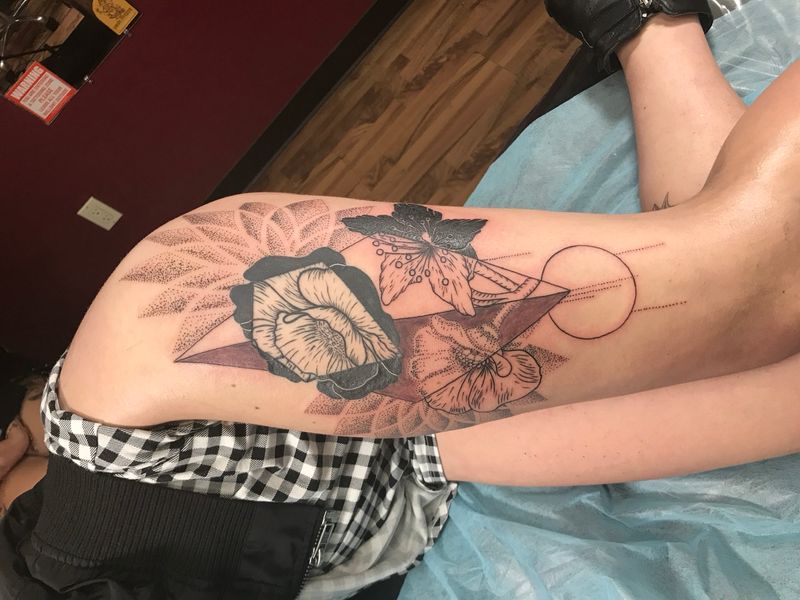
What's the tattoo of? Subject matter gives you a shortlist: a botanical pairs with fine line, neo-traditional, or Japanese; a mythological creature lands in Japanese, illustrative, or neo-traditional; a human face is almost always realism or illustrative. The subject doesn't pick the style — it removes most of them.

ΙΙ

Then feeling

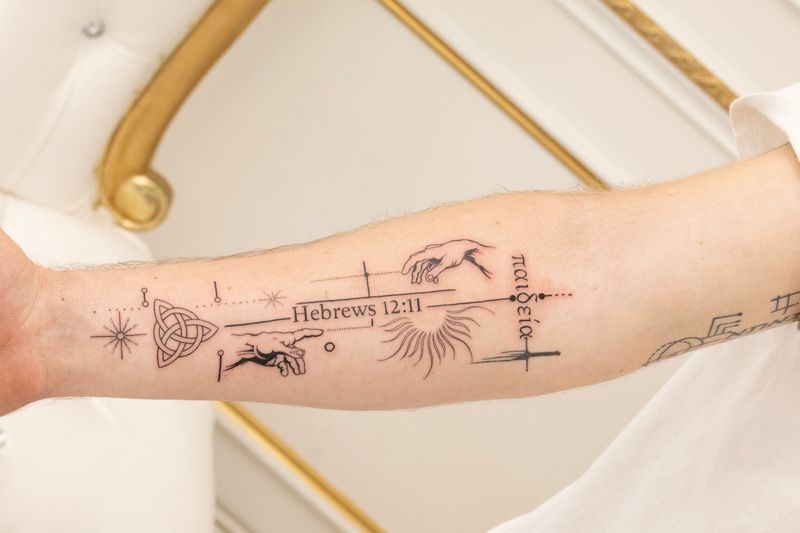
Feeling collapses the shortlist. Bold, seen across a room points at traditional or neo-traditional. Delicate, mine to notice first points at fine line, micro-illustrative, or minimalist. When the idea is vague, ask this first — a vague subject with a clear feeling narrows faster than a clear subject with a vague feeling.

ΙΙΙ

Placement and scale veto

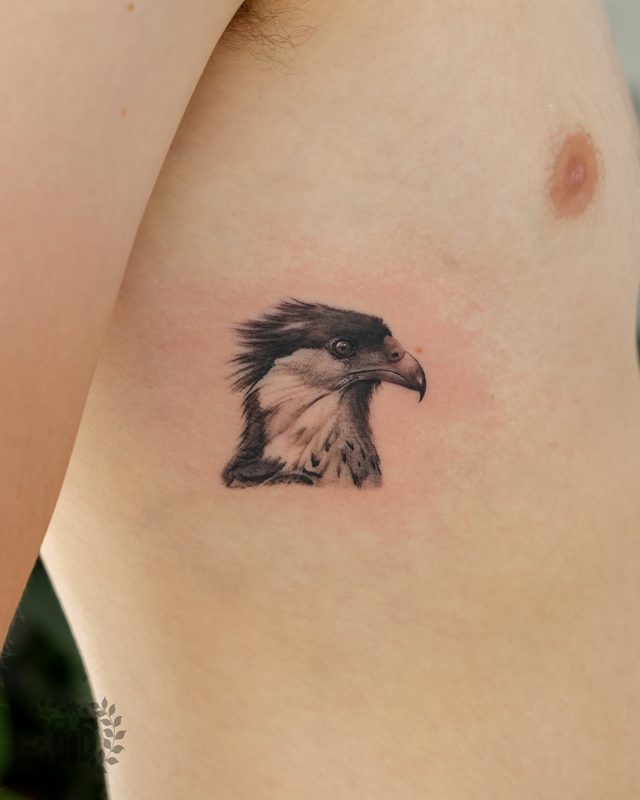
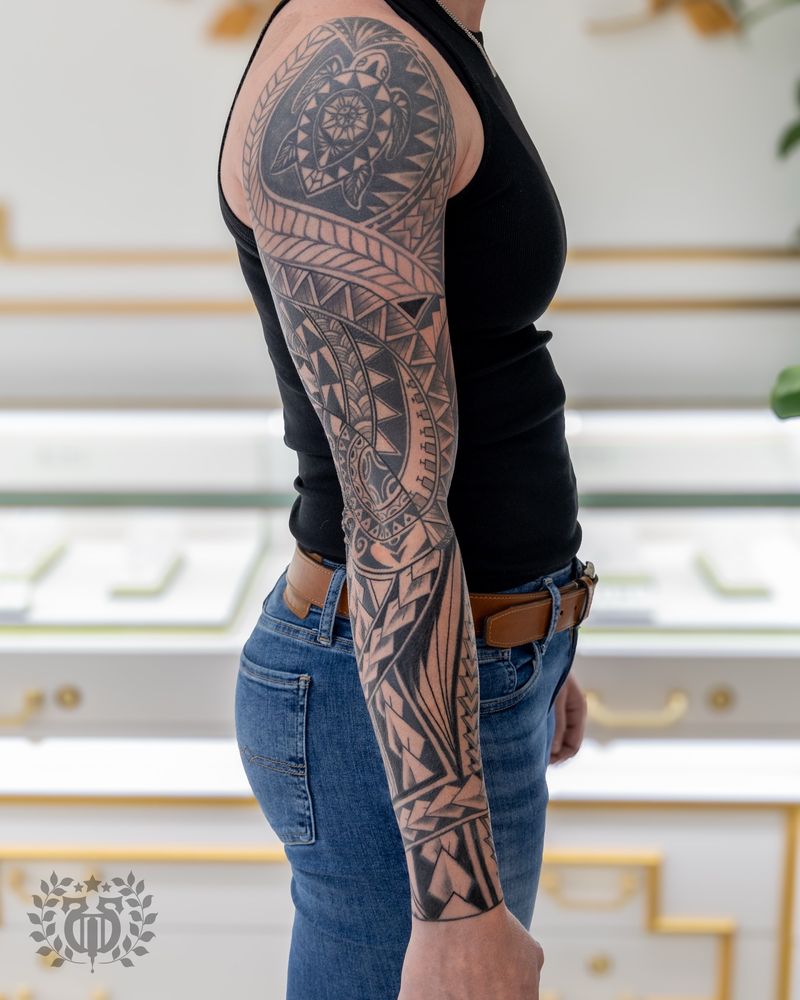
The body has a say. Ribs and inner arms distort fine detail as skin moves; fingers and palms shed ink faster than any other placement; large scale rewards styles with compositional grammar (Japanese, ornamental, blackwork) and punishes styles that rely on tight detail (fine line, micro-realism). Size is not size — it's a style decision.

A note on vague ideas. If you're arriving with "something that feels like my grandmother's garden" or "something about my dad's work ethic," that's a good starting point. Good artists are comfortable holding ambiguity. An artist who can't is usually a generalist chasing the booking; an artist who can is the one you want to keep talking to.

Subject → style matrix

Which style fits your subject.

A quick reference for the pairings Apollo artists reach for most often in consultations. Not a rule — a starting point. The right artist will push back if your idea lands somewhere more specific.

Subject Strongest style pairings Why
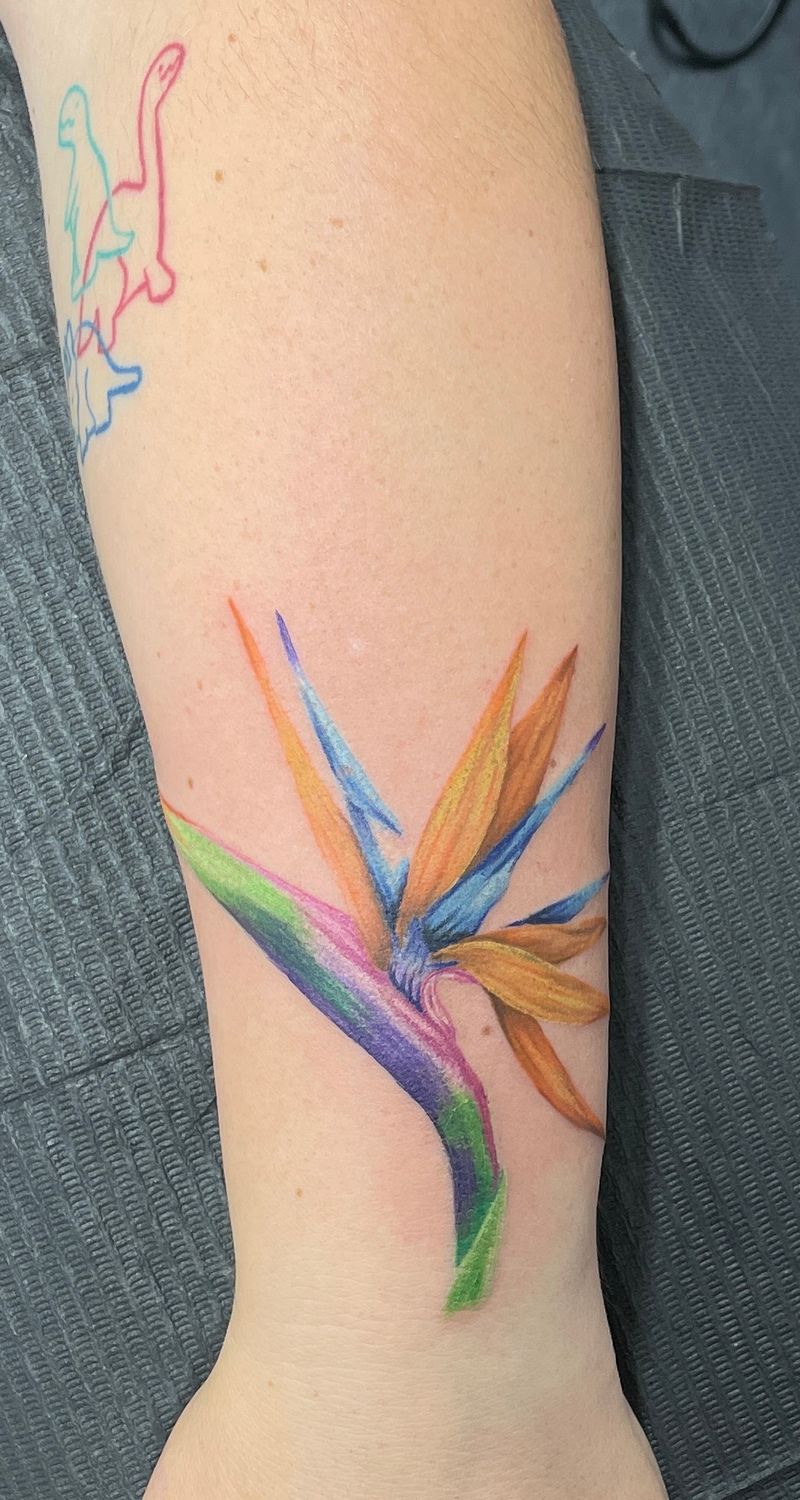
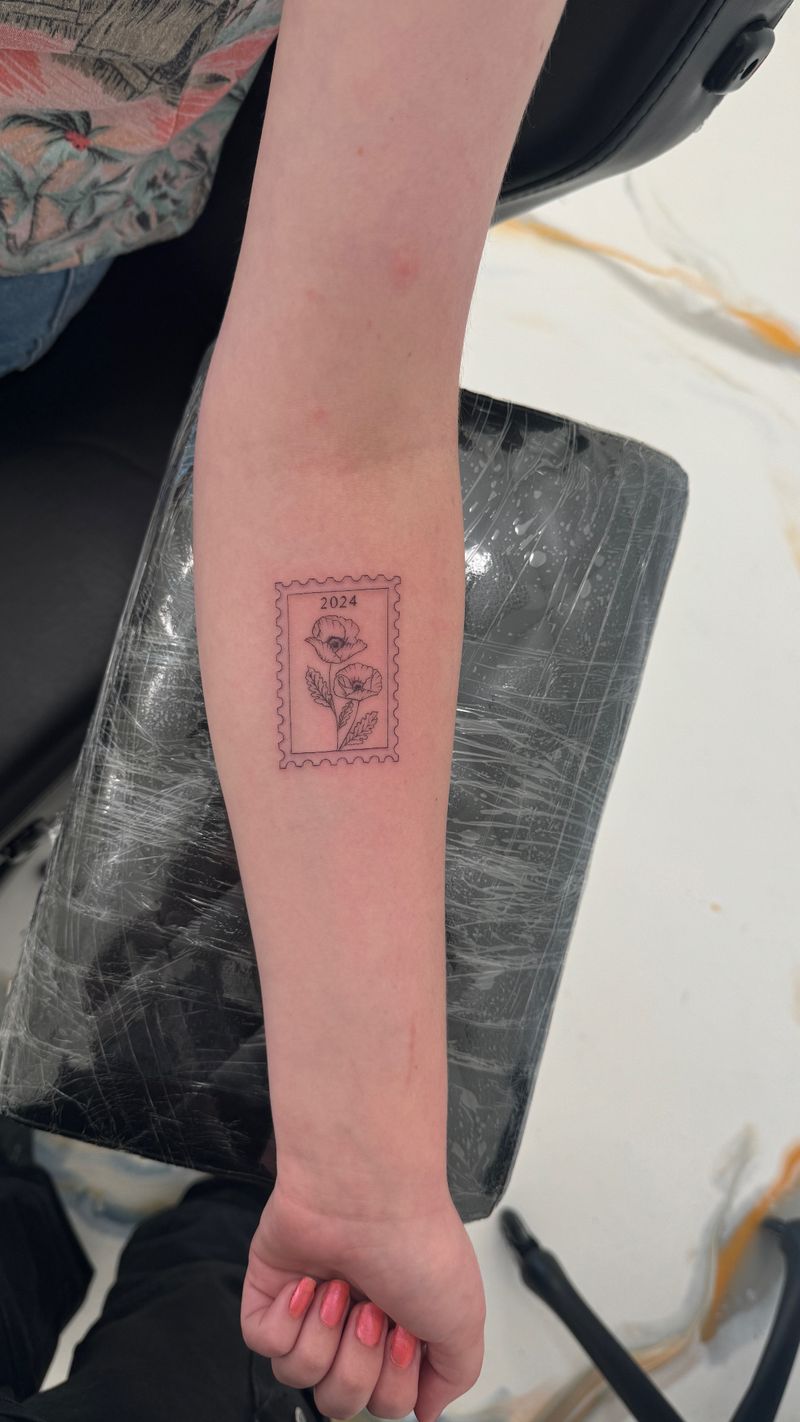
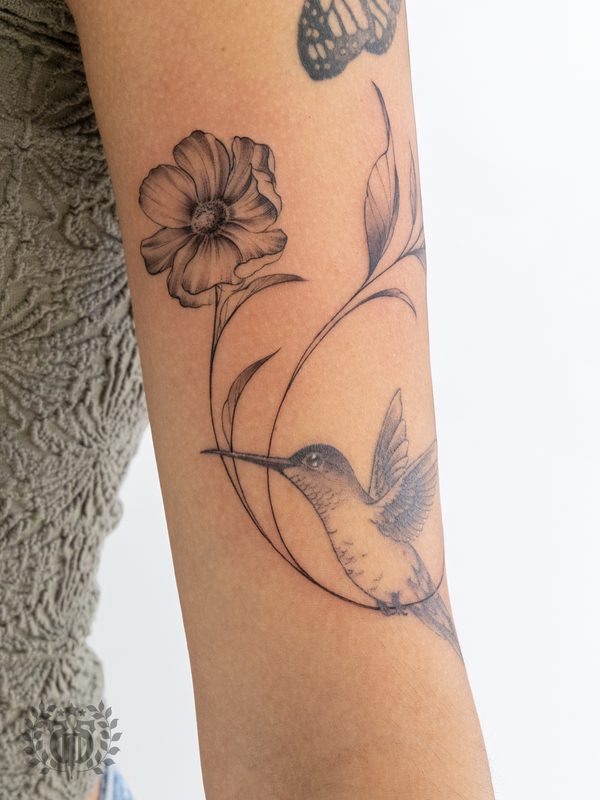
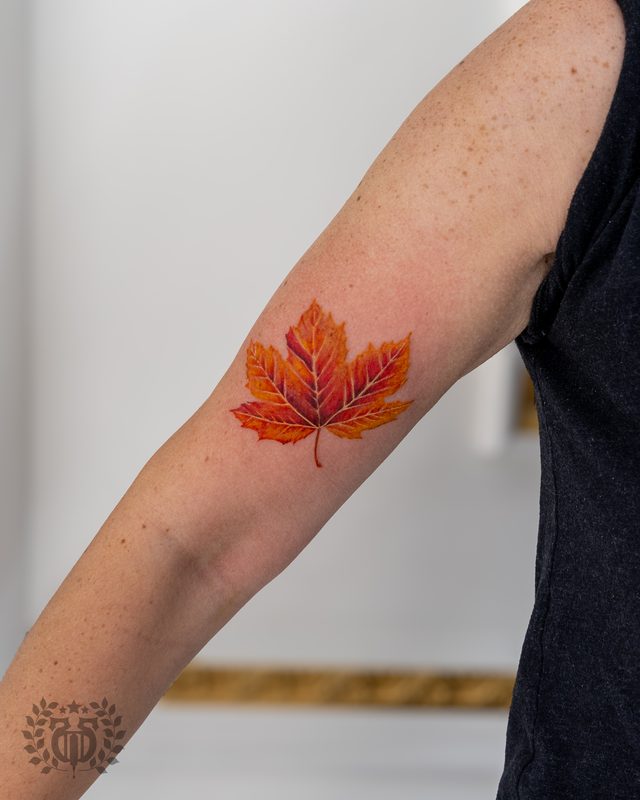
Floral / botanical Fine Line · Neo-Traditional · Japanese Fine line for delicate intimacy; Neo-Traditional for longevity with decoration; Japanese when the flower is a compositional element in a larger piece.
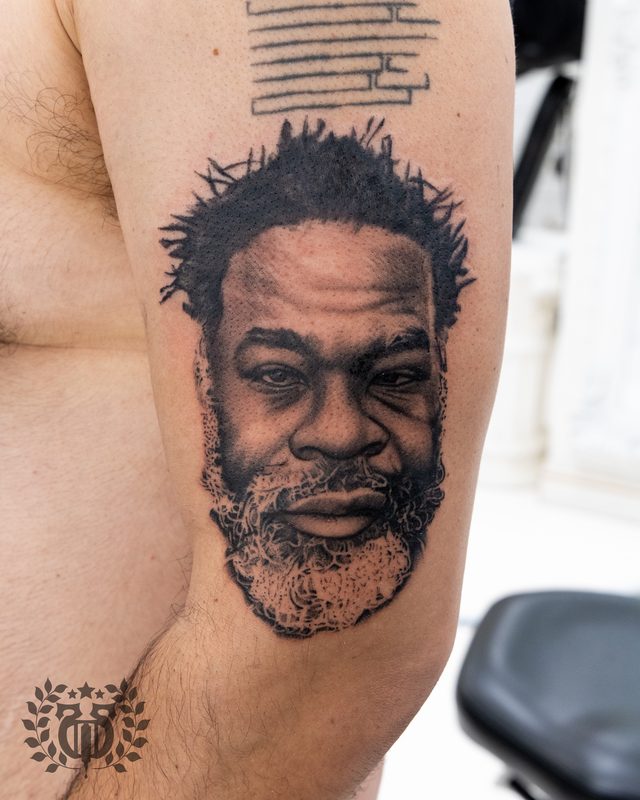
Human portrait Black & Gray Realism · Color Realism · Illustrative Realism is the obvious path if likeness is the priority; illustrative works when character or mood matters more than exact resemblance.
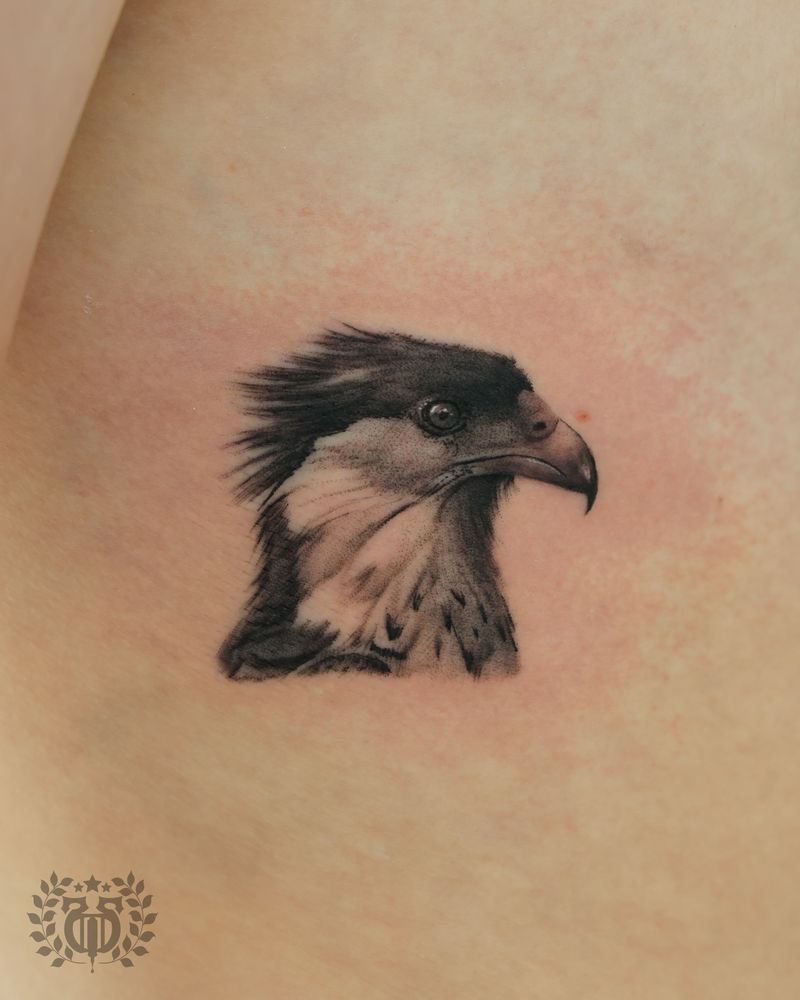
Animal / pet Realism · Illustrative · Neo-Traditional Realism for likeness; illustrative for personality-forward pieces; neo-traditional when the animal is iconography rather than portrait.
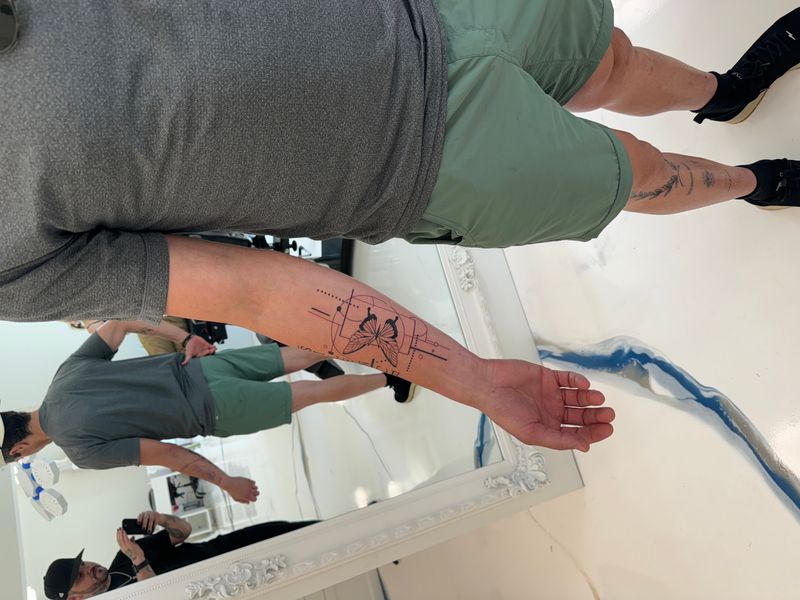
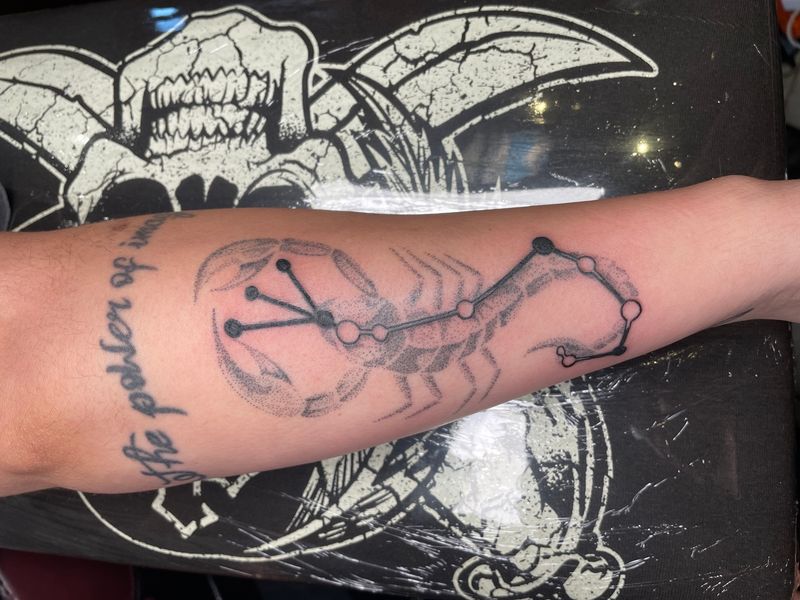
Geometric / sacred geometry Blackwork · Dotwork · Ornamental Three aging-stable categories that reward precise linework — all three can hold a mandala clean for decades.
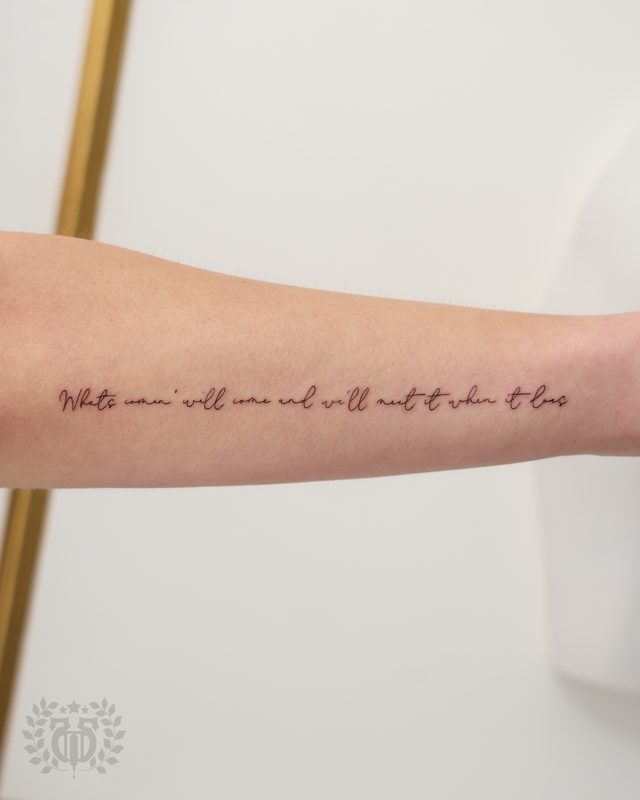
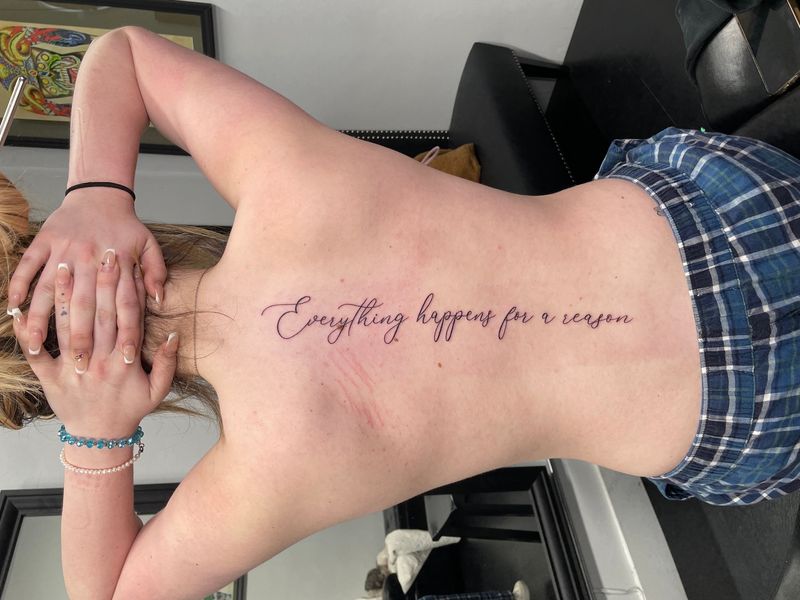
Word / quote / letter Script Lettering · Traditional Banner & Type · Typographic Blackwork Script when readability lives in flow; traditional when the type sits inside an iconic banner composition; blackletter or typographic blackwork for weighty single-word pieces.
Memorial / tribute Black & Gray Realism · Illustrative · Neo-Traditional with symbolism Realism carries likeness for portrait memorials; illustrative and neo-traditional let symbolism do the emotional work when a portrait is too direct.
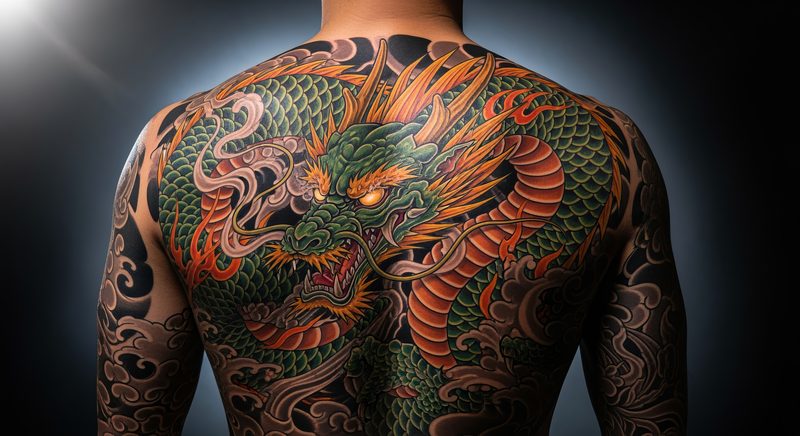
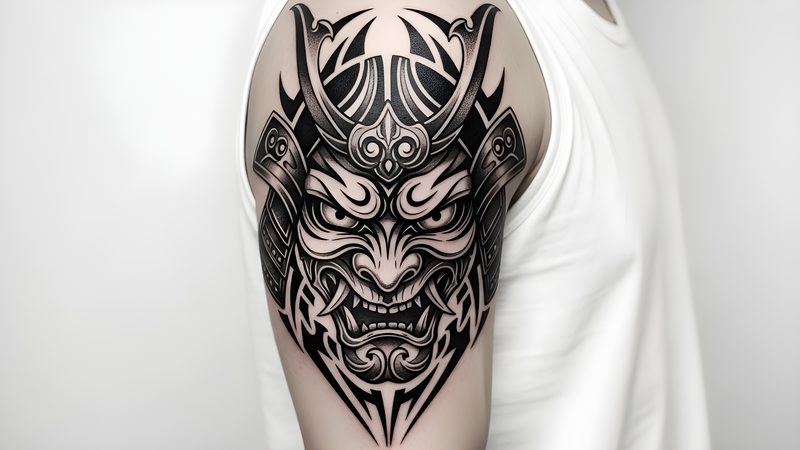
Japanese motifs (koi, dragon, hannya) Traditional Japanese (Irezumi) · Neo-Japanese Respect the lineage — these subjects come from a compositional grammar. A Japanese motif executed outside that grammar reads as borrowed, not composed.
Cover-up work Neo-Traditional · Blackwork · Japanese Density and bold line do the covering. Light-handed styles almost never succeed at cover-up because they can't out-value the old ink.
Couples / matching Fine Line · Traditional · Symbolic Illustrative Fine line for shared subtle intimacy; traditional for longevity parity that ages together; illustrative when the piece is a shared symbol rather than a portrait.
First tattoo Traditional · Neo-Traditional · American-Traditional–adjacent Illustrative Forgiving linework, proven aging, readable at a glance. Three styles that set you up to love the piece in year 20 as much as year one.

Longevity tiers

How styles age on real skin.

Aging isn't a flaw — it's a feature of the medium. Tattoos are living documents in living skin; they soften the way leather softens and paper yellows. The honest framing is to pick a style knowing how you'll wear it in year twenty.

Ages iconic

Softens at the edges, still reads as designed

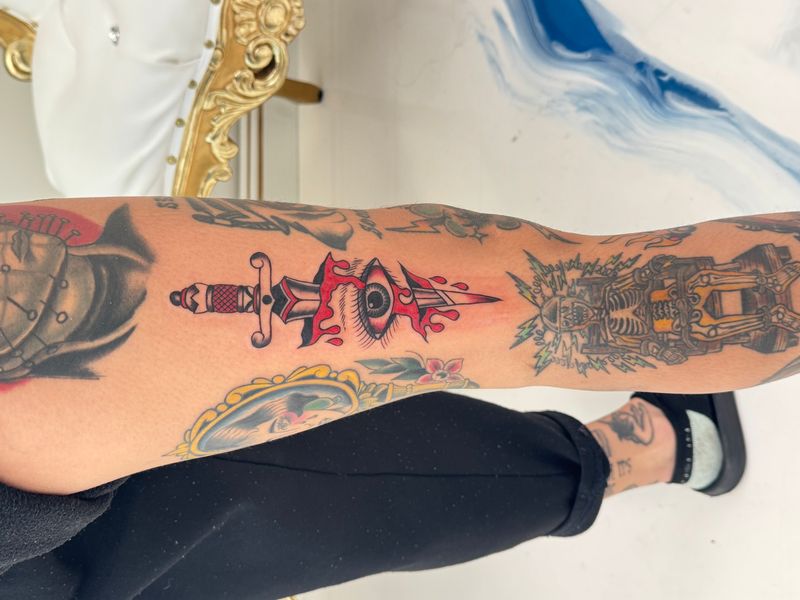
Bold outline · saturated fill · carbon black

  • Traditional
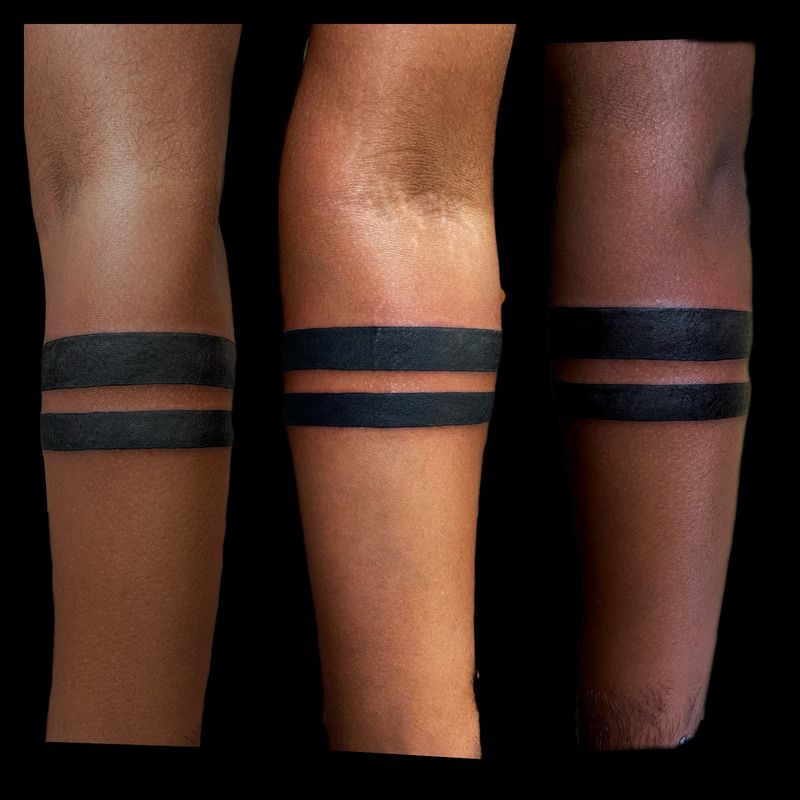
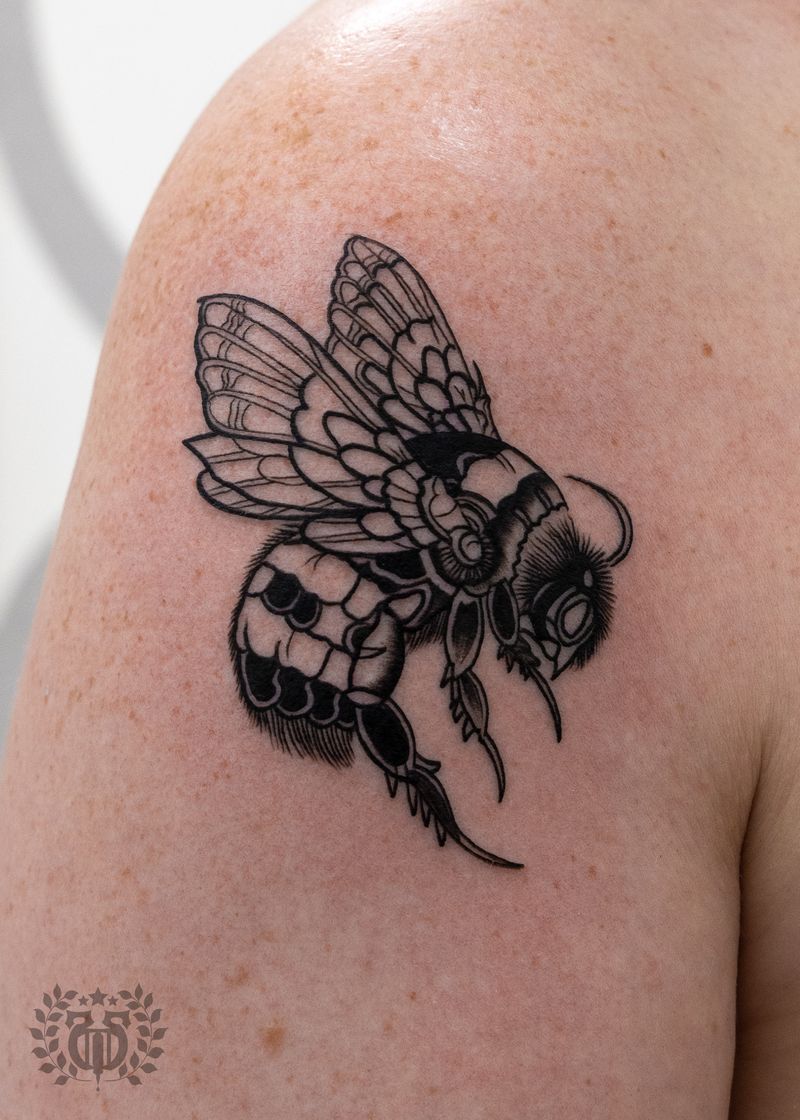
  • Blackwork
  • Japanese
  • Dotwork
  • Ornamental

These styles were engineered for longevity — even decades in, they read as composed, not faded. Soft edges become patina.

Ages with patina

Softens meaningfully but carries its structure

Line or outline present · moderate saturation

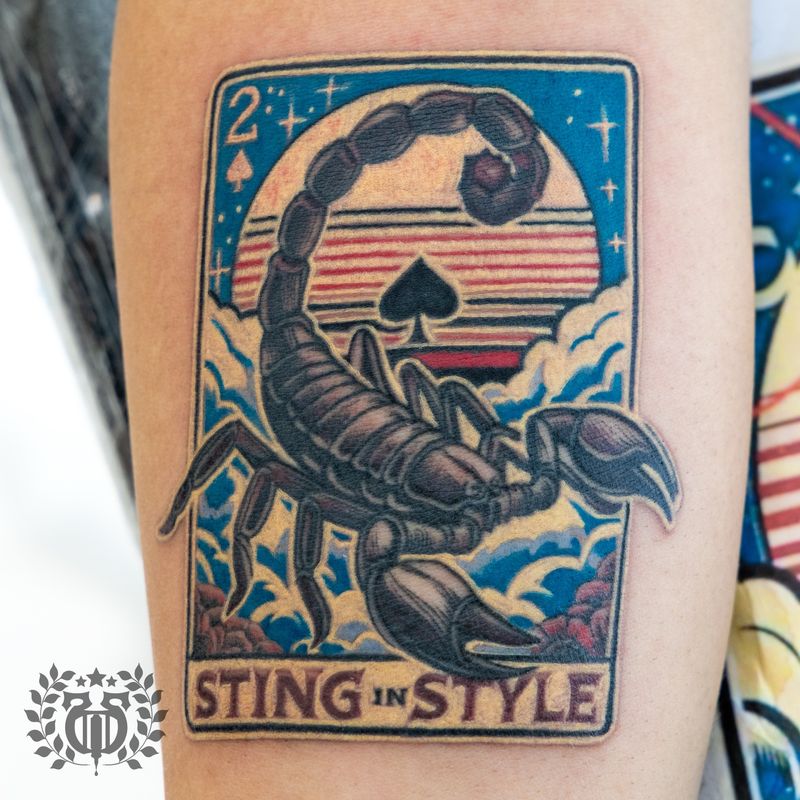
  • Neo-Traditional
  • Traditional Script
  • Illustrative
  • Sacred Geometry

Expect visible softening at 10–15 years and plan a touch-up around then. The bones of the design survive; the detail refreshes.

Needs maintenance

Light touch, lighter ink, needs care

Hairline · low saturation · micro-detail

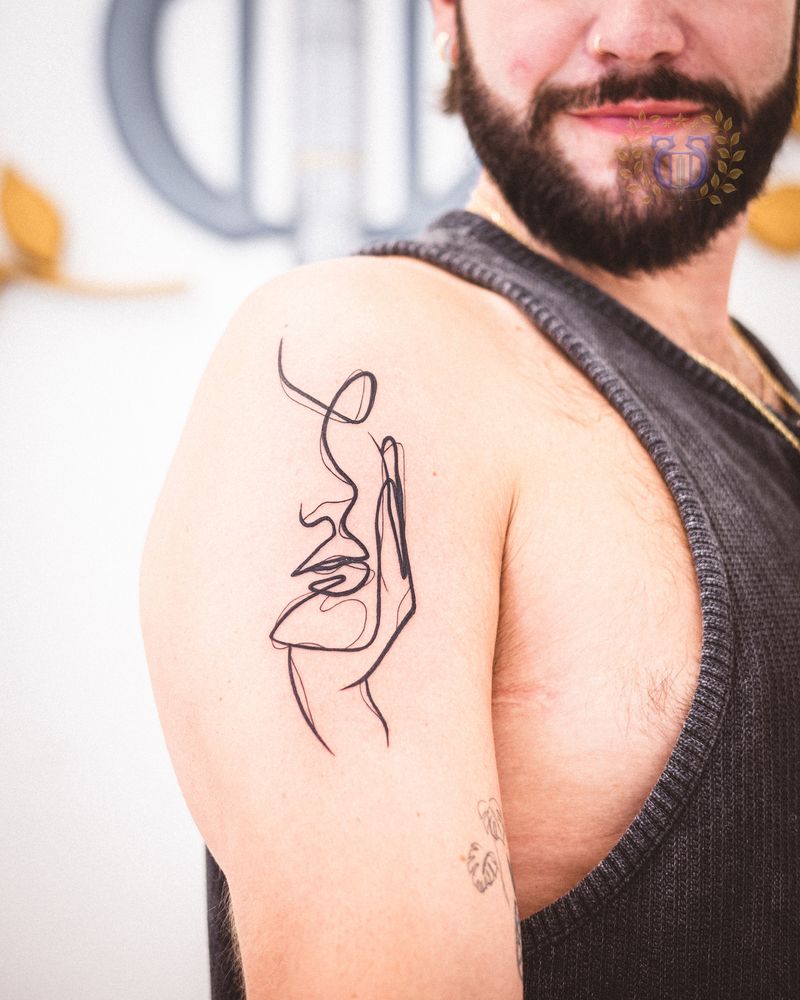
  • Fine Line
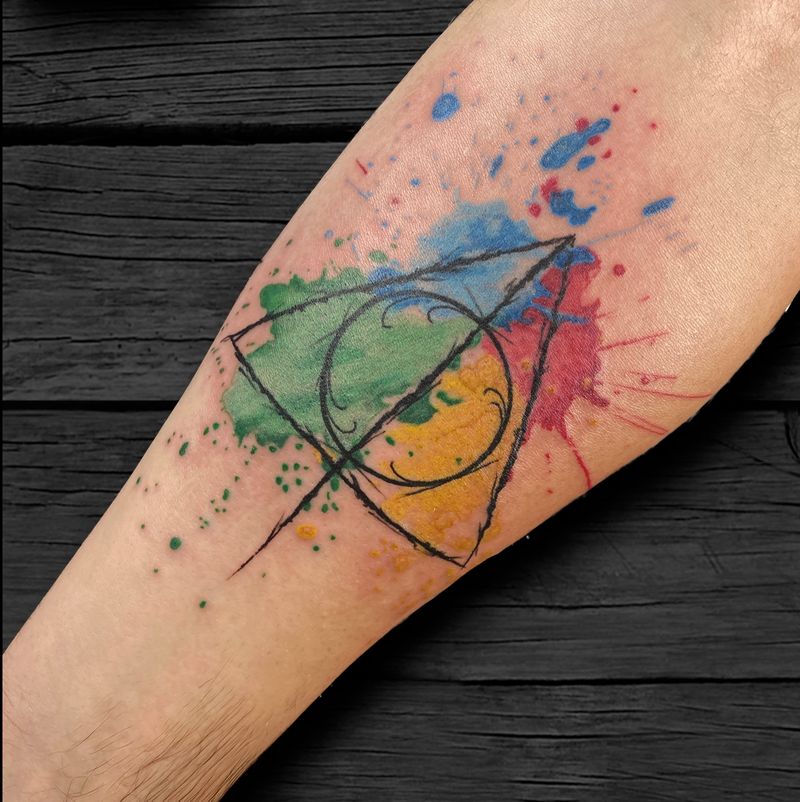
  • Watercolor
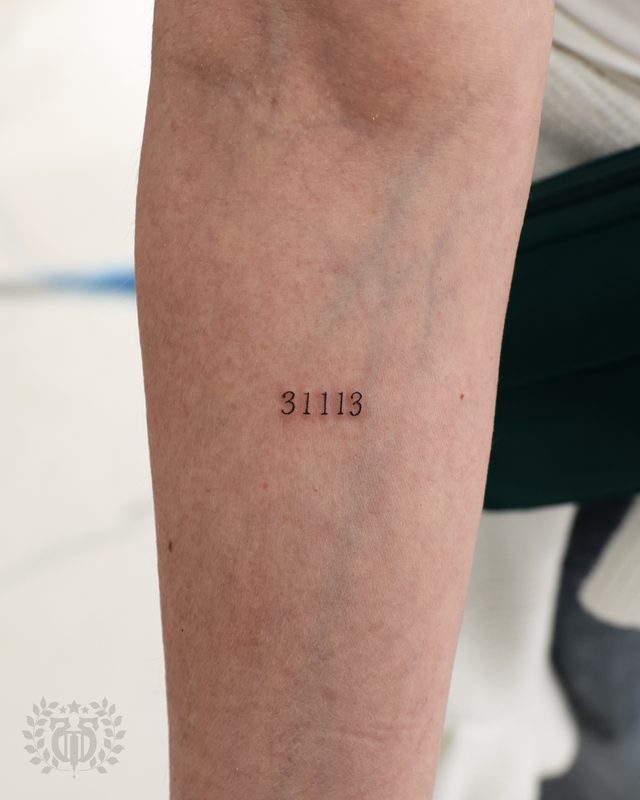
  • Minimalist
  • Color Realism (micro-detail)

Touch-up cadence every 3–7 years is realistic. Not a flaw — a tradeoff. Choose these styles knowing you're signing up for care, not set-it-and-forget-it.

Three variables dominate aging: needle depth, UV exposure, and placement. Ink must land in the upper reticular dermis — too shallow and it sheds with skin turnover, too deep and it migrates as blowout. UV fragments pigment over years; broad- spectrum SPF on healed tattoos measurably slows fade. And friction zones (fingers, palms, inside of lips) retain ink so poorly that "finger tattoos fade" is practically a trade truism.

Modern pigments — post-2000s chemistry — are measurably more photostable than vintage inks, which is why realism and fine-line are viable modern styles at all. The long-term aging data for both is still being written in real time on the skin of the last fifteen years of clients.

Artist fit

How to read a portfolio.

Three lenses separate signal from noise when you're evaluating whether an artist is the right match for the style you want.

FAQ

Questions that come up in consultations.

Seven questions Apollo artists answer most often when clients are weighing a style choice.

How do I pick between similar styles (fine line vs minimalist, traditional vs neo-traditional)?

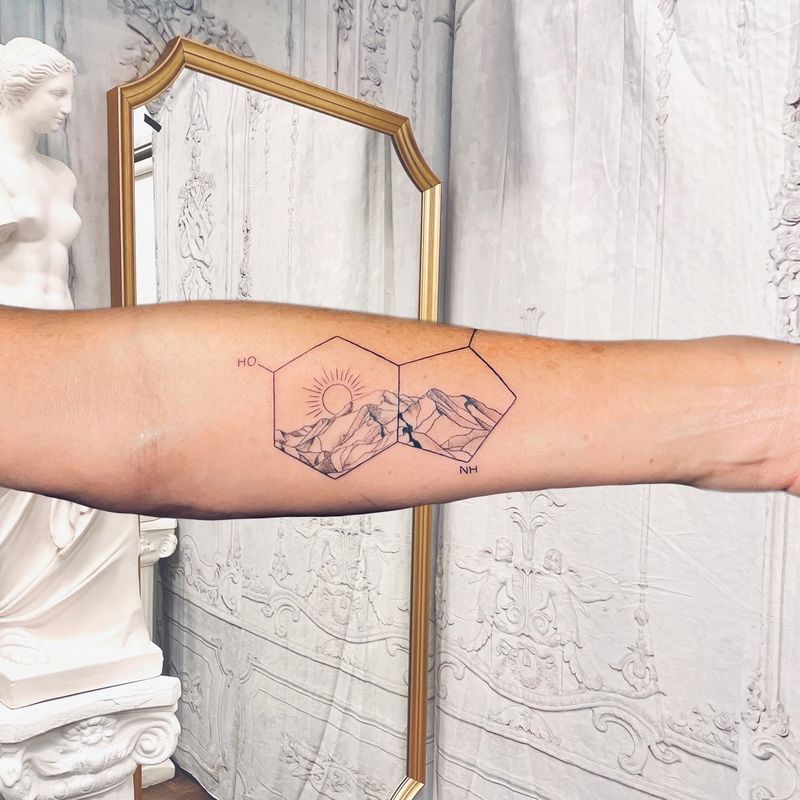
Start with subject matter and feeling, then let placement and scale decide. Fine line and minimalist are both delicate-and-private styles, but fine line can carry more botanical or linework detail; minimalist reduces further into symbol. Traditional and neo-traditional share motif vocabulary — swallows, roses, daggers — but neo-traditional expands the palette and adds dimensional shading. The easiest tell: if there's a second color pass or sculptural shading under the outline, you are looking at neo-traditional.

What's the difference between black-and-gray and blackwork?

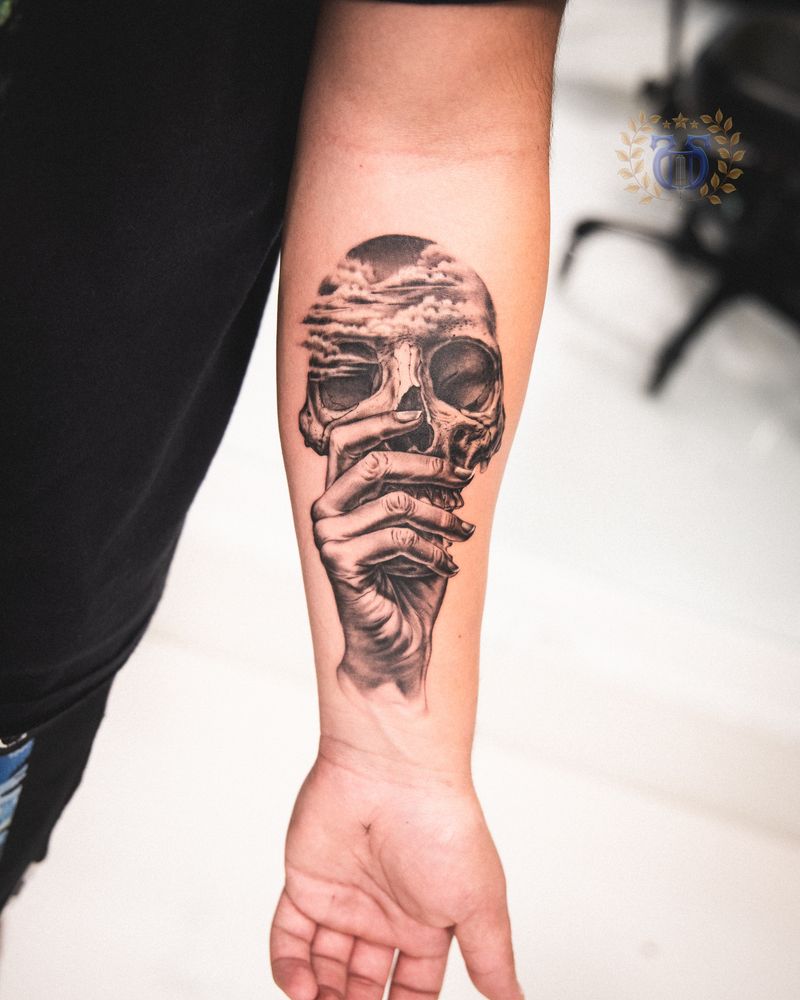
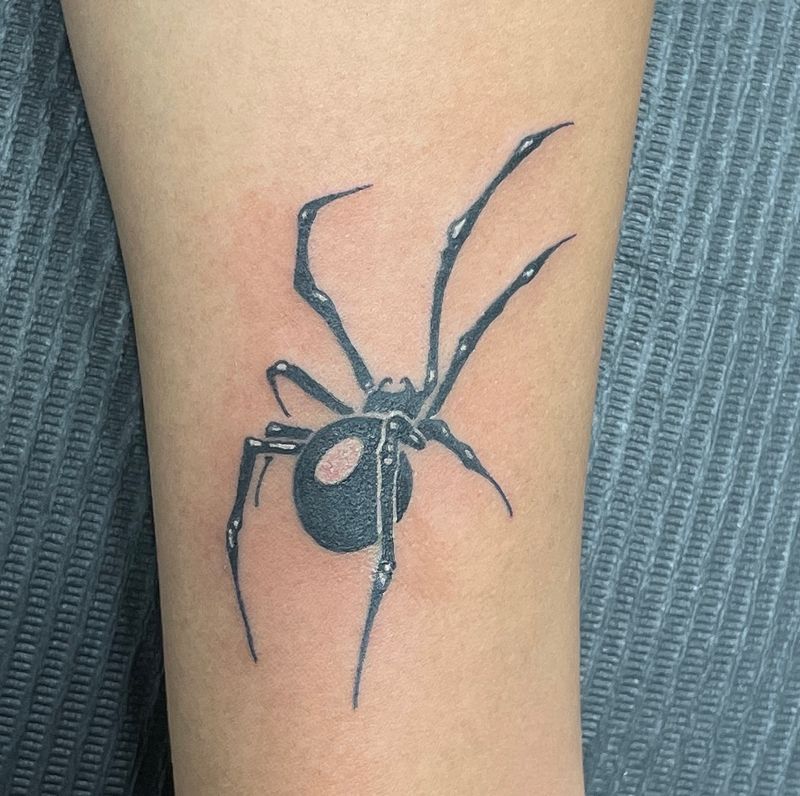
Black-and-gray is a realism technique built from diluted black ink (“gray wash”) to render smooth photographic tone — portraits, soft shading, depth through value. Blackwork is a separate style entirely: solid, saturated black coverage with negative space as the compositional tool, often geometric or illustrative, built for the image to read as shape rather than photograph.

Which styles age the best over 10, 20, 30 years?

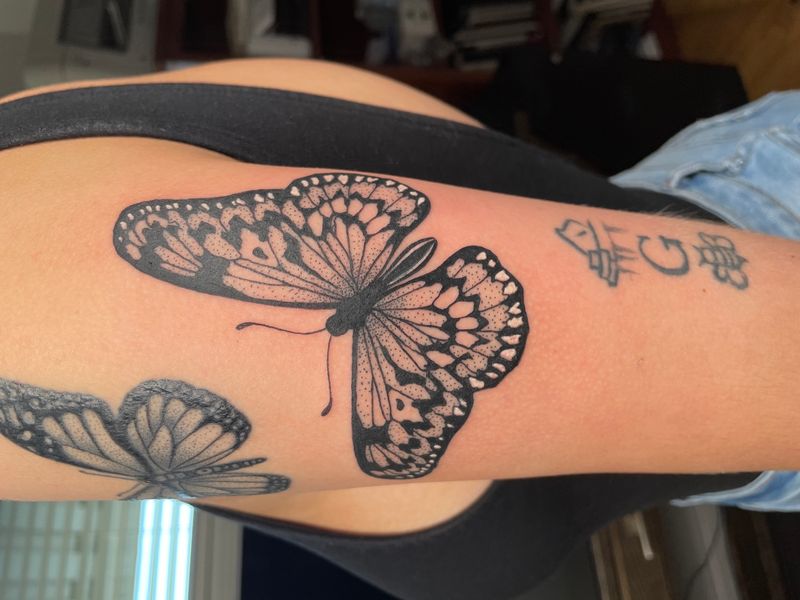
Traditional, blackwork, Japanese, dotwork, and ornamental are the longest-aging styles. They share three traits: bold outline, saturated fill, and carbon black as structural pigment. Fine line, watercolor, and minimalist are on the other end of the curve — their defining visual (delicate lines, soft color, tiny scale) is also what softens fastest over time. That doesn't make them wrong choices; it means you should choose them knowing the maintenance rhythm.

Do I need a specialist in one style, or will a skilled generalist do?

For anything where the style's signature character is the whole point — fine line, Japanese, realism, ornamental — a specialist almost always outperforms a generalist, even a highly skilled one. Depth comes from solving the same style's problems many times, not from trying everything once. For styles where the subject carries more than the technique (illustrative, traditional on simpler subjects), a good generalist can deliver strong work. Look for repeated proof of the exact style you want across healed photos, not one stunning image in a mixed portfolio.

How should I evaluate a tattoo artist's portfolio?

Three lenses. First, healed work — photos six months or older show what actually lives on the skin rather than what a fresh, swollen tattoo looks like. Second, repeated proof of the style you want, across different subjects and placements. Third, fundamentals that survive photo filtering: line wobble on long curves, inconsistent saturation inside solid fills, awkward composition where the design got crowded. Follower counts and viral single posts are not evidence. A twelve-thousand-follower specialist with six years of healed Japanese backpieces is the right fit for your dragon, not the four-hundred-thousand-follower account with one trending reel.

Is it okay to mix styles in one piece?

Yes, when the mix is considered — traditional outlines with neo-traditional color palettes, blackwork negative space carrying illustrative subjects, dotwork shading inside ornamental frameworks are all legitimate crossovers that artists specialize in. The caution is against mixing for variety's sake. A single piece that tries to be three styles usually reads as none of them. The artist who pushes back on a bad mix is doing you a favor — they are telling you the piece would end up as a grammatical accident rather than a composed sentence.

Which styles work best for a cover-up?

Styles with density and bold line — neo-traditional, blackwork, Japanese — almost always outperform light-handed styles on cover-ups because they can out-value the original ink underneath. Fine line, watercolor, and minimalist work cannot reliably cover existing ink. A strong cover-up artist will evaluate the old tattoo harder than the new idea, because the covering design has to absorb it, not decorate around it.

Ready to narrow it down?

Start with the style that matches your subject, your feeling, and your placement.

From there we'll match the right Apollo artist and walk through scale, timing, and what the piece should look like at year ten and year twenty. Book a consultation and bring references — even loose ones.

Compare Styles Consultation