Artists
David Davinci
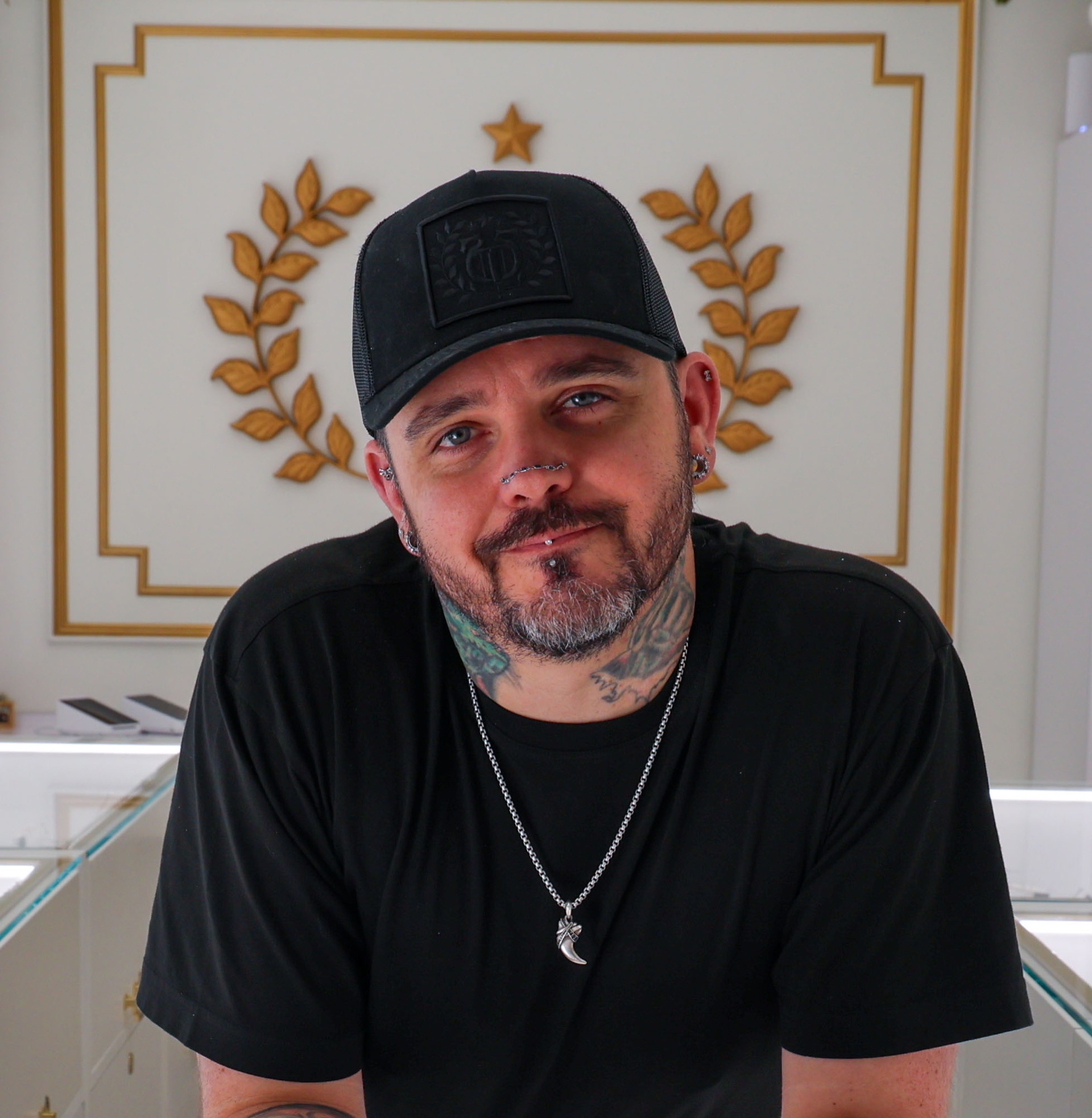
David DaVinci brings classical artistry to modern tattooing at The Apollo Tattoo Studio in Santa Monica.
Book a consultationArtist
About David DaVinci
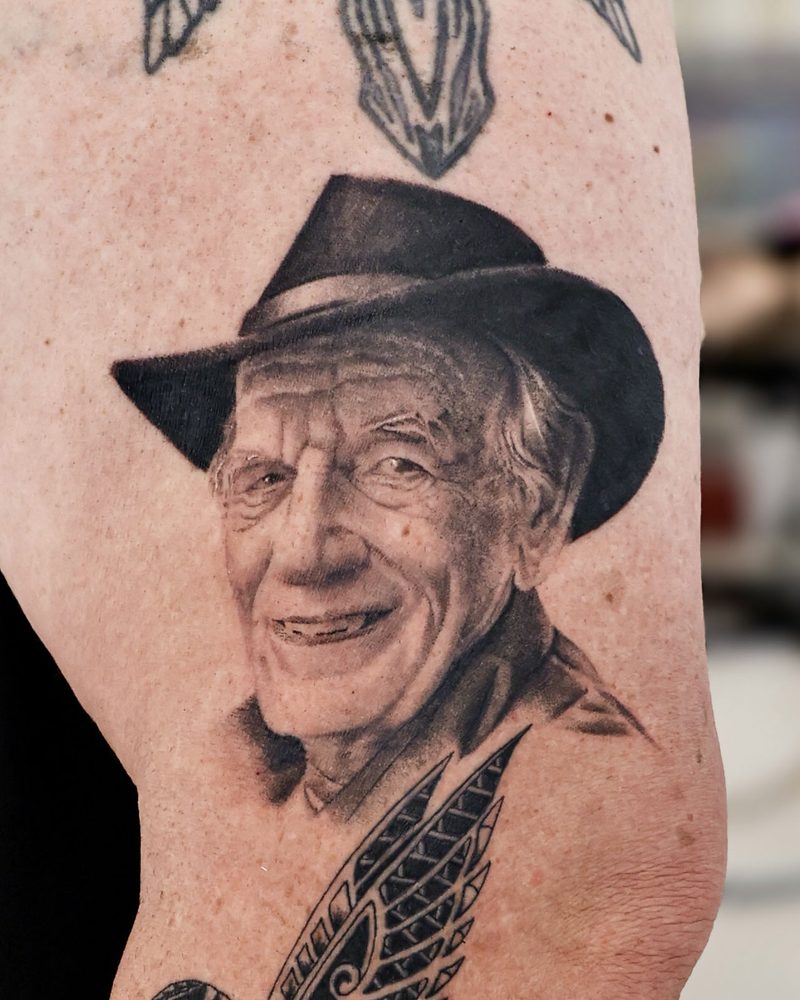
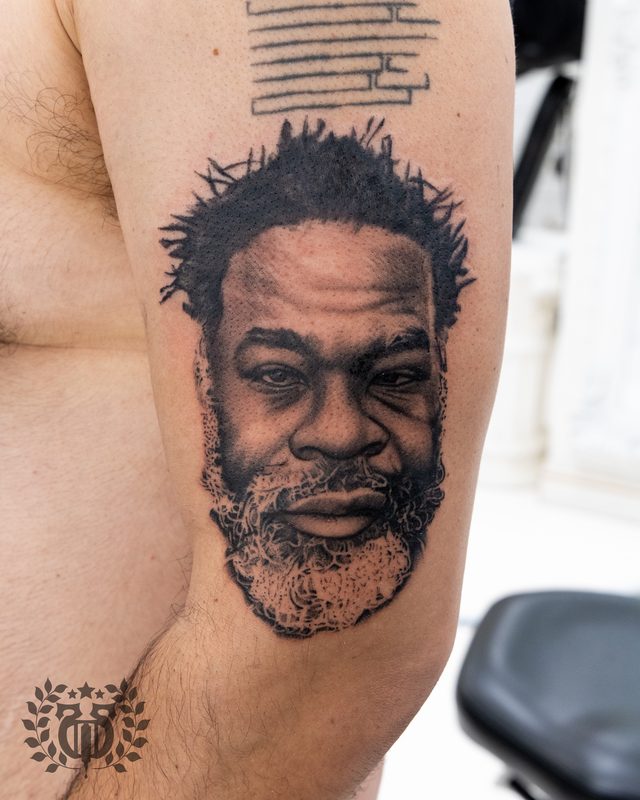
David brings classical artistry to modern tattooing. Trained in fine arts, he excels at capturing emotion and likeness in portrait work.
Portfolio
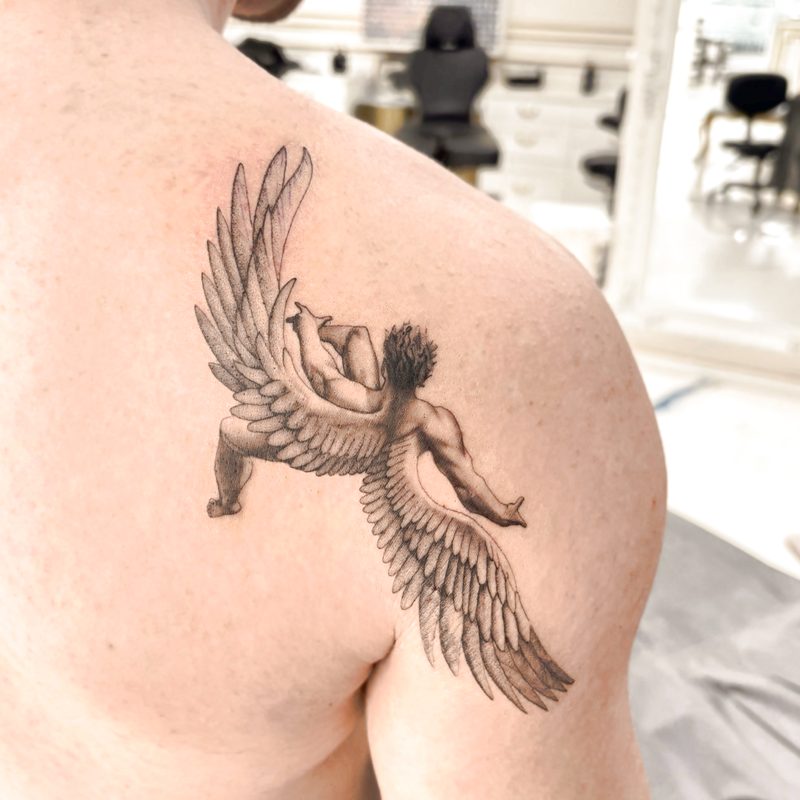
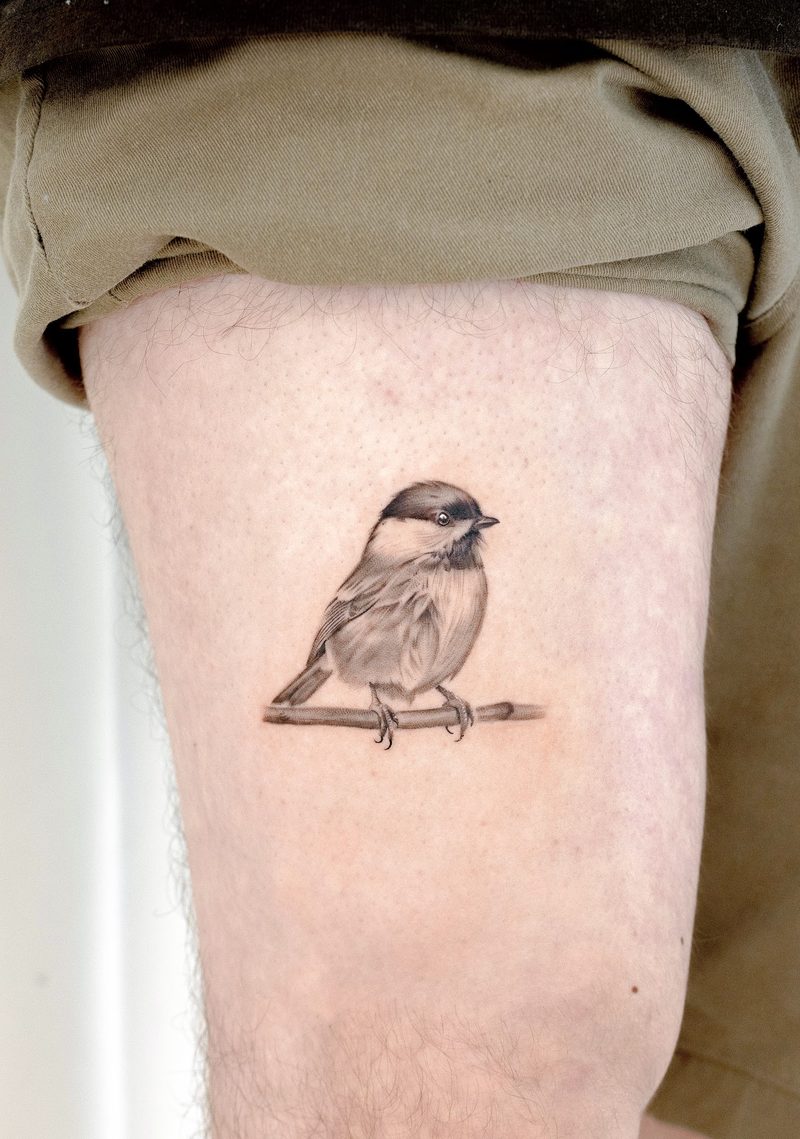
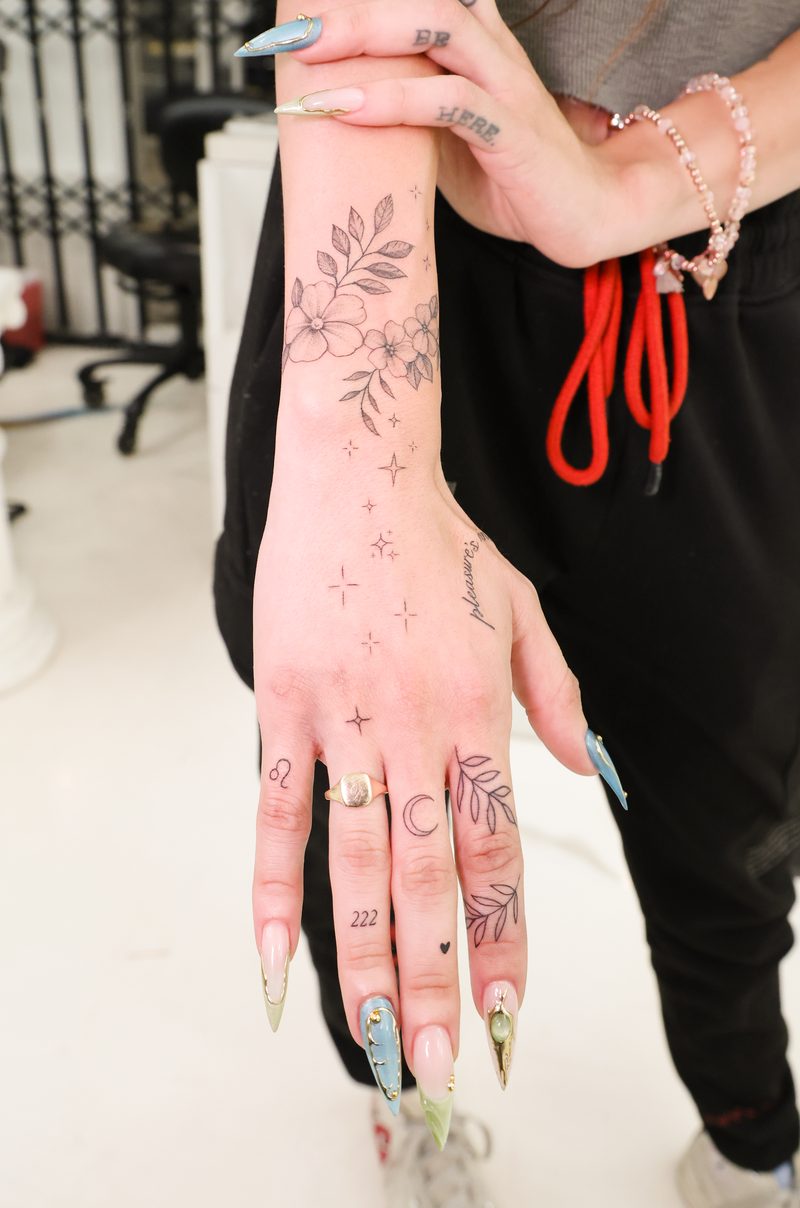
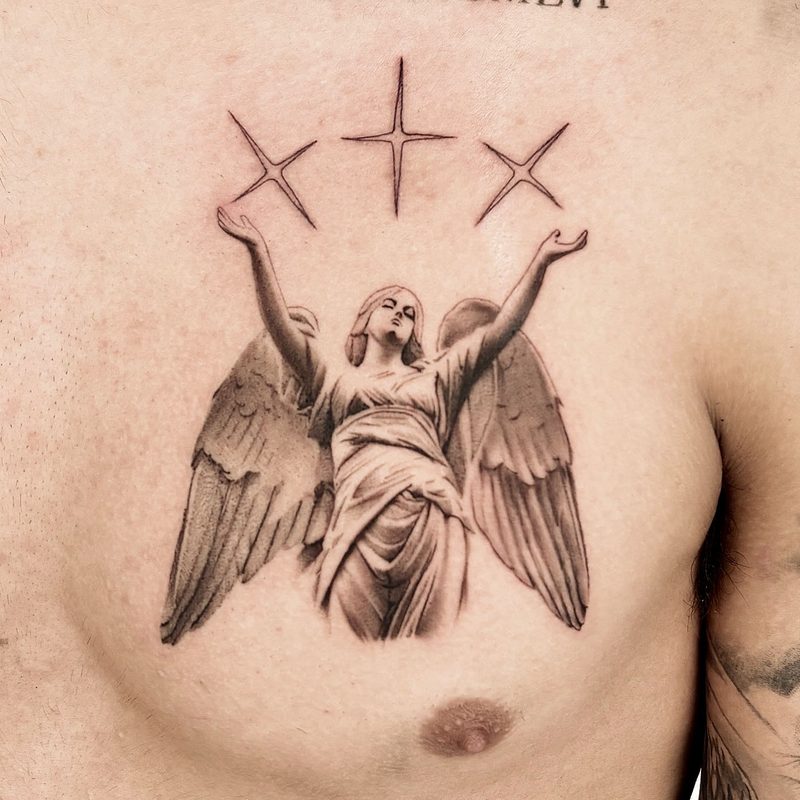
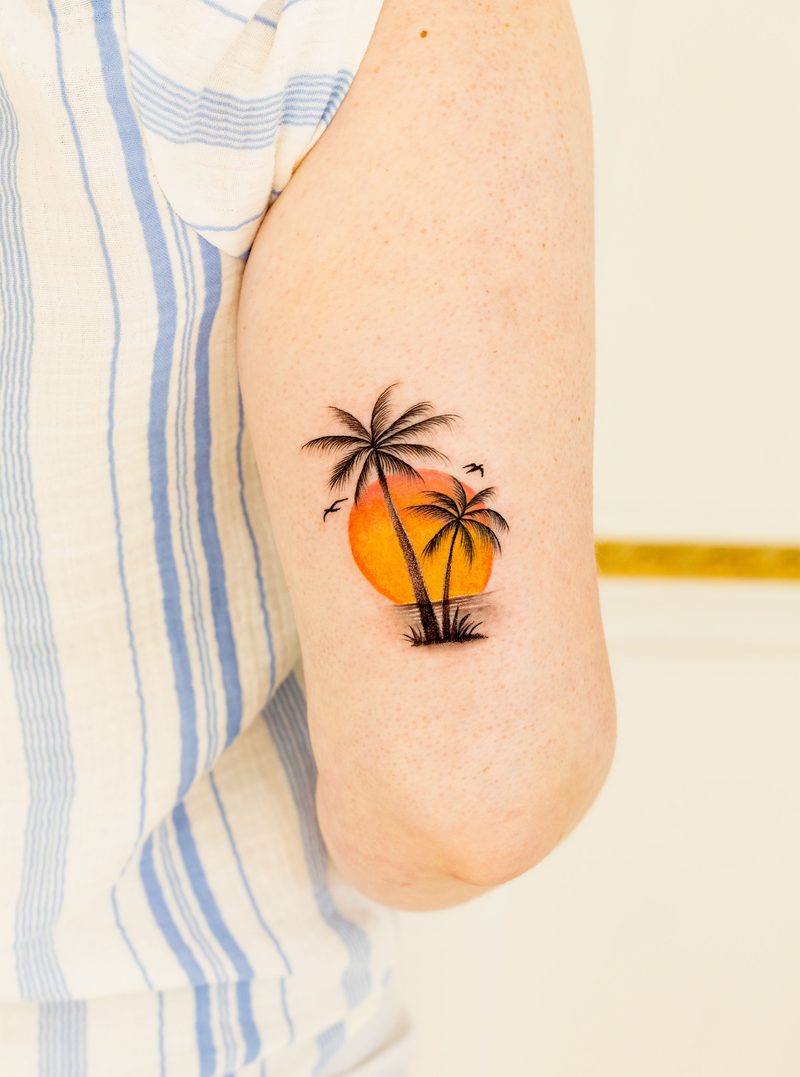
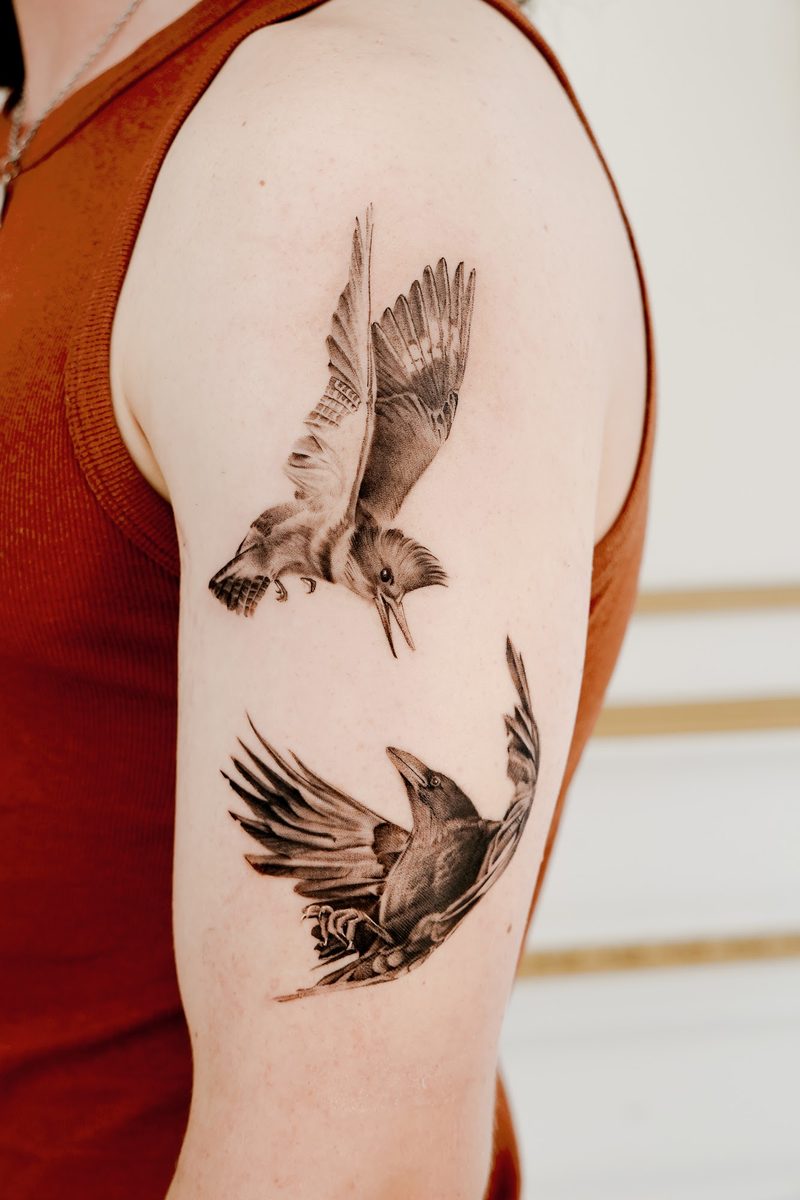
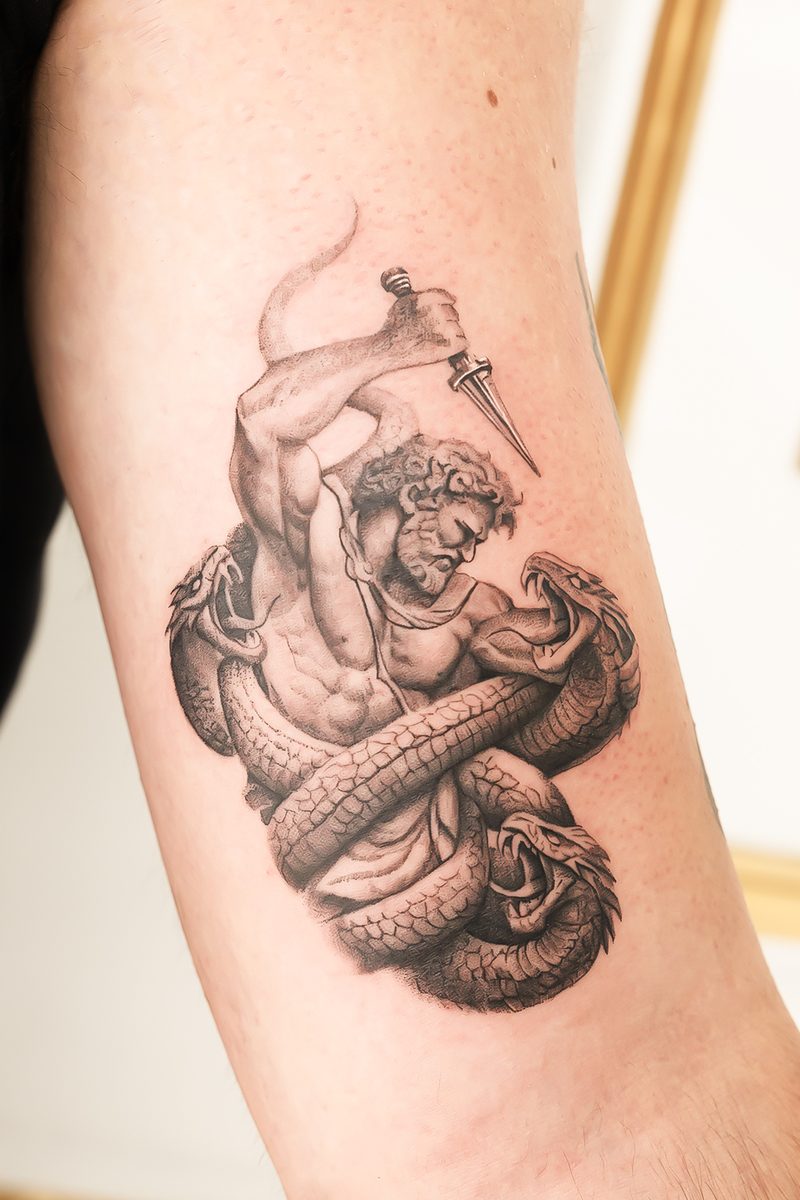
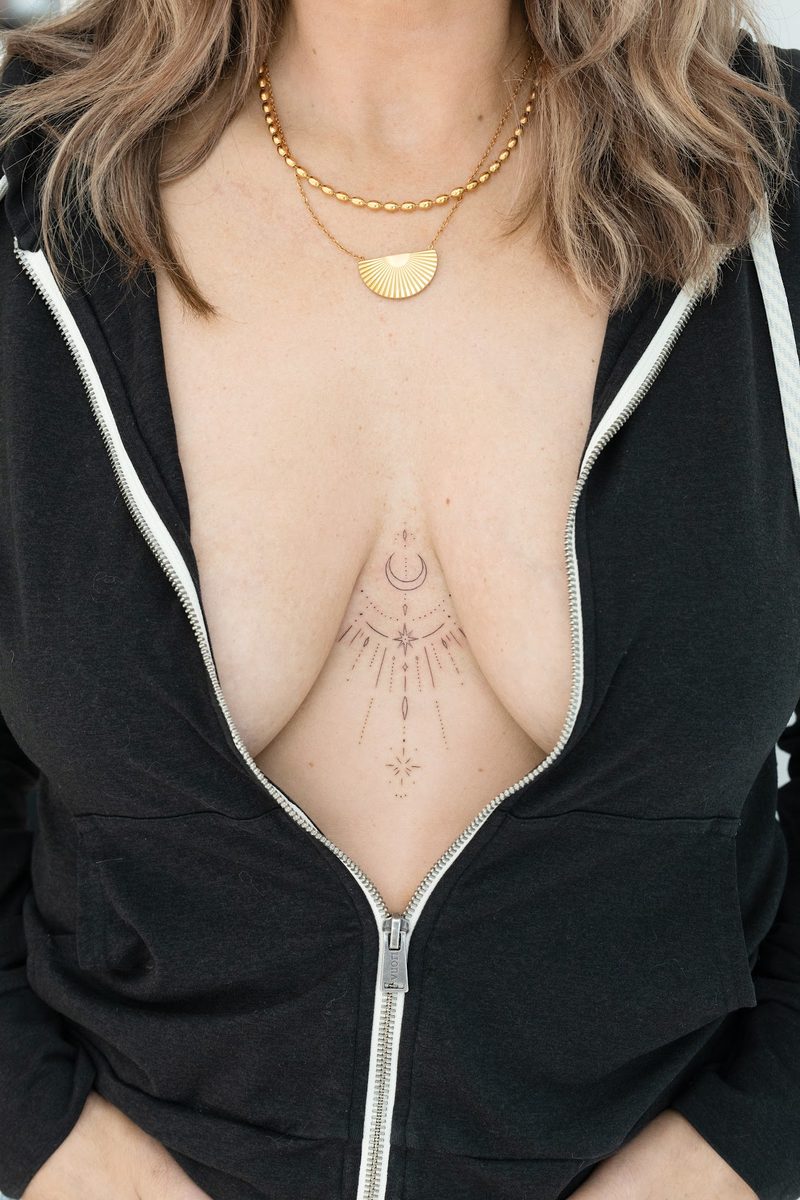
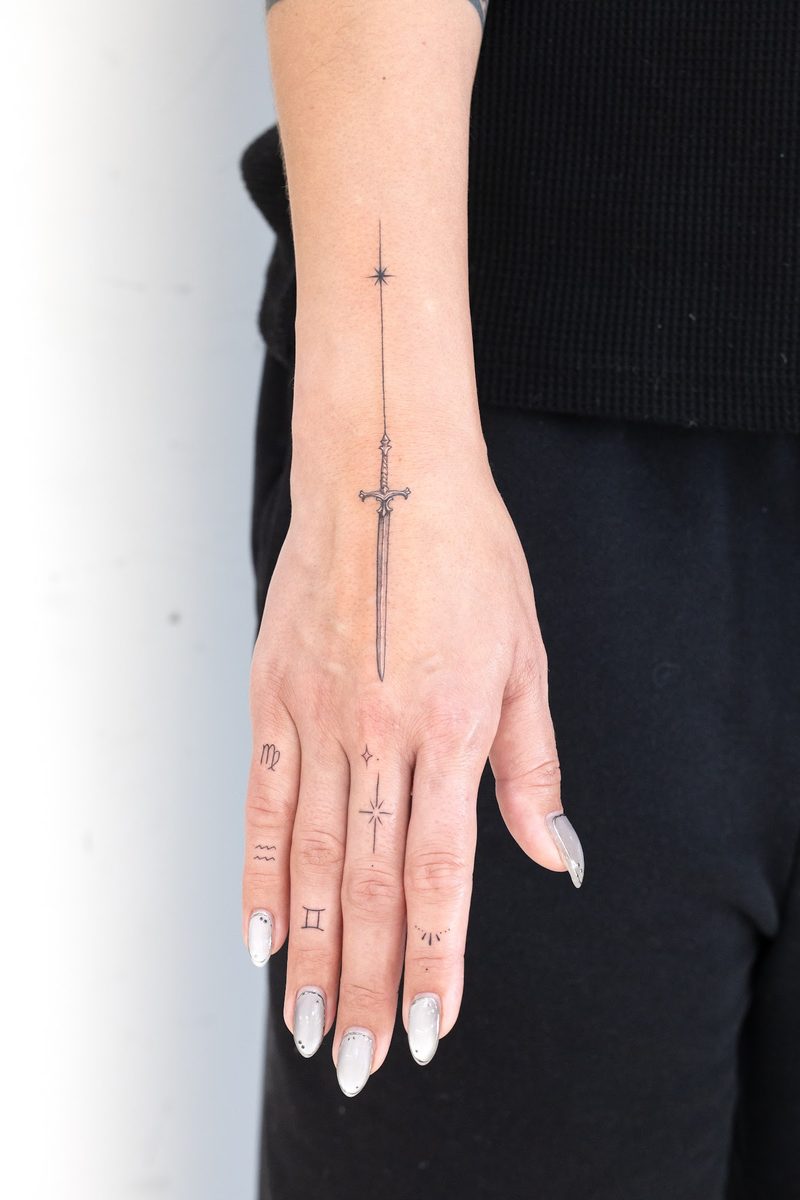
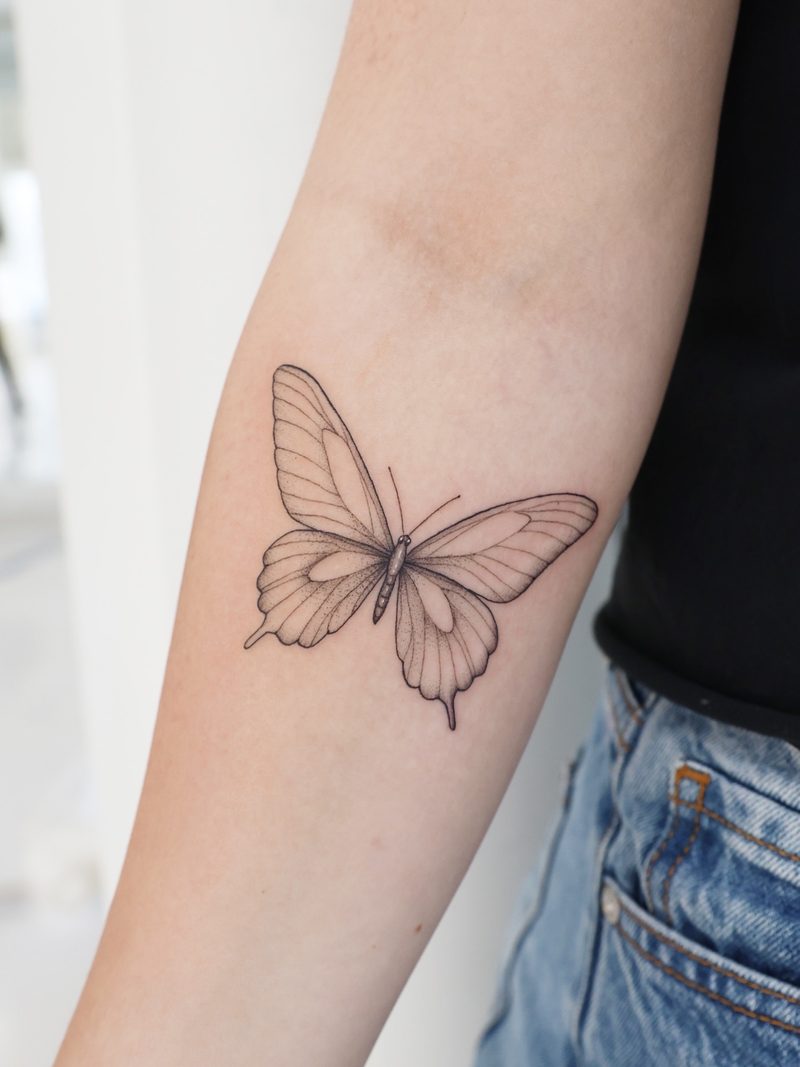
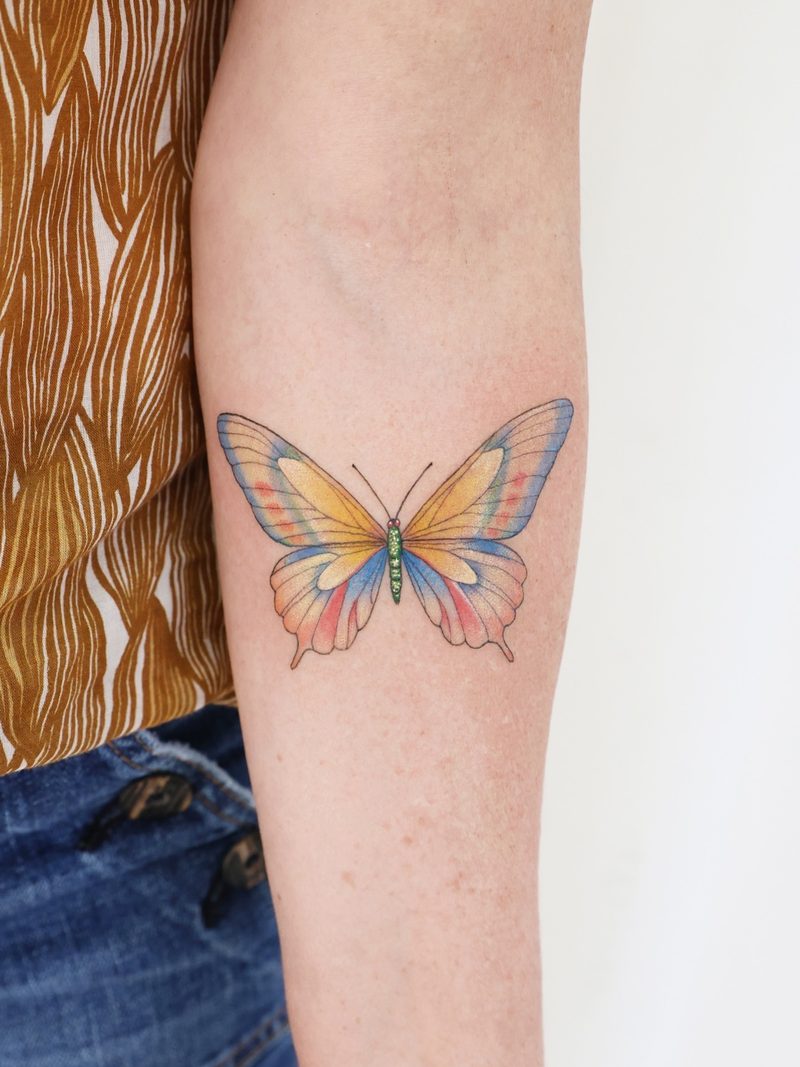
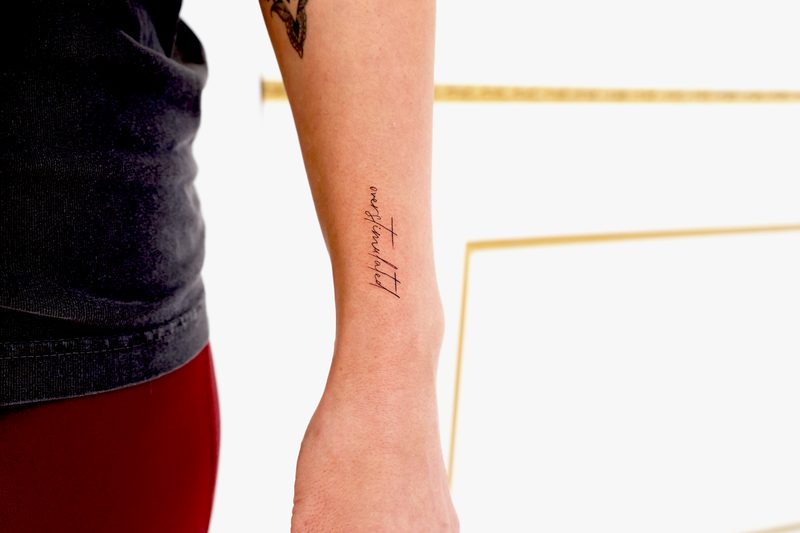
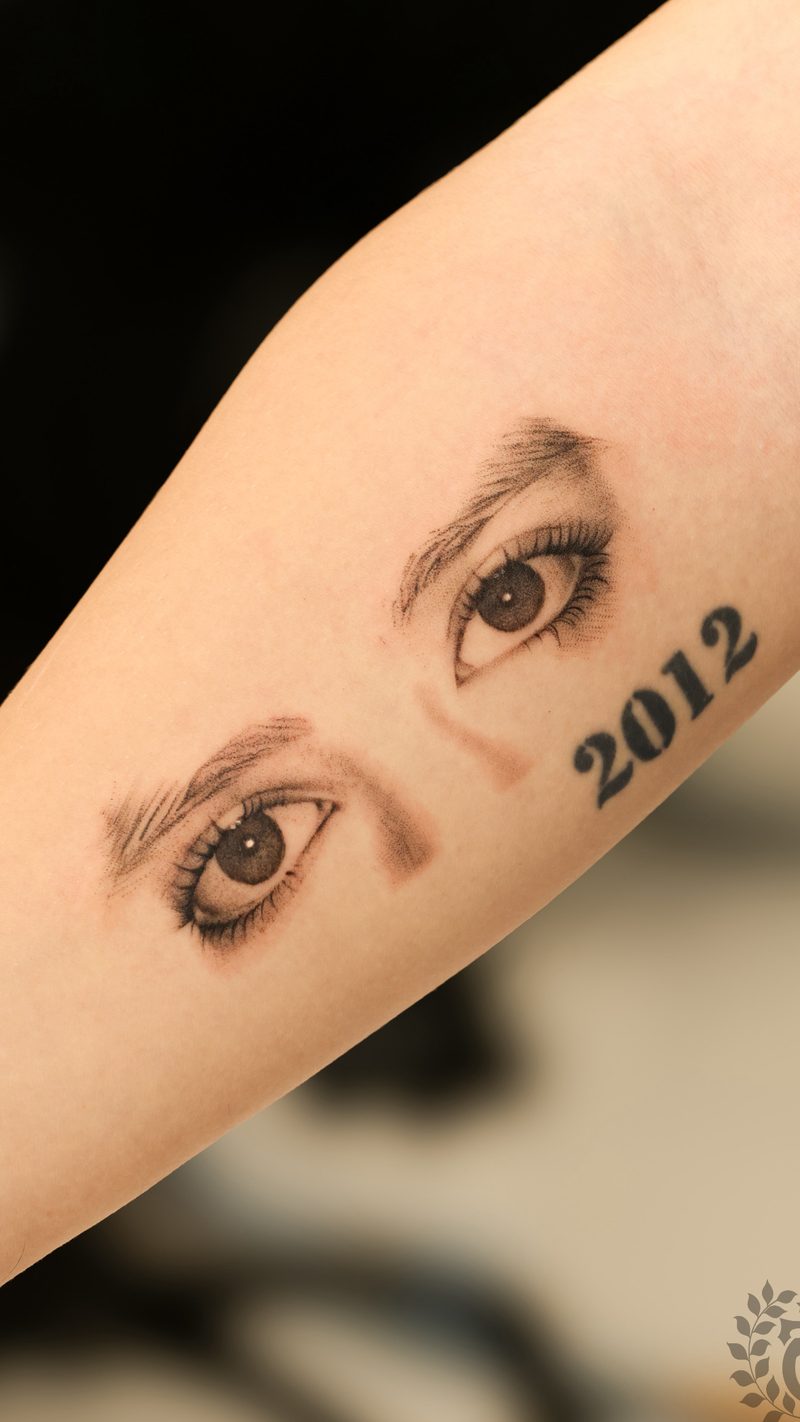
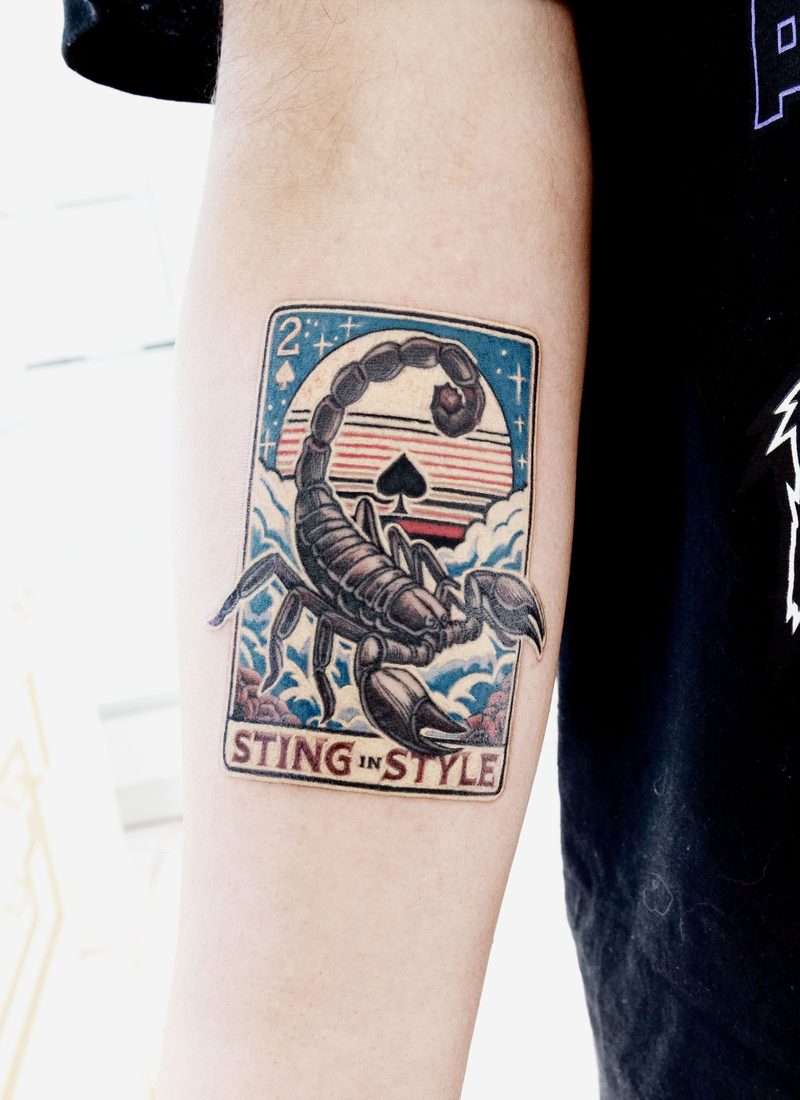
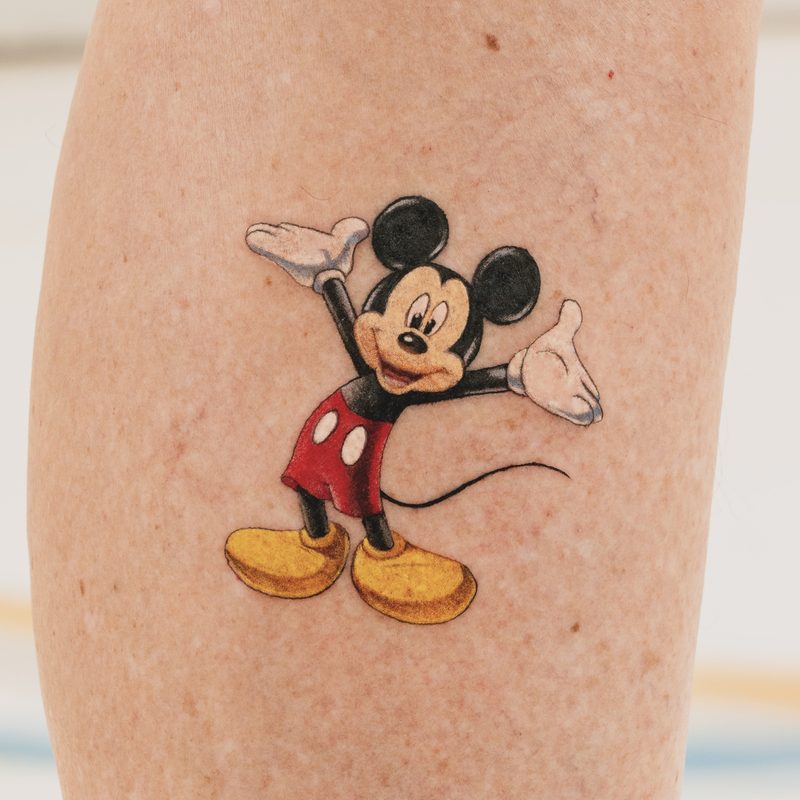
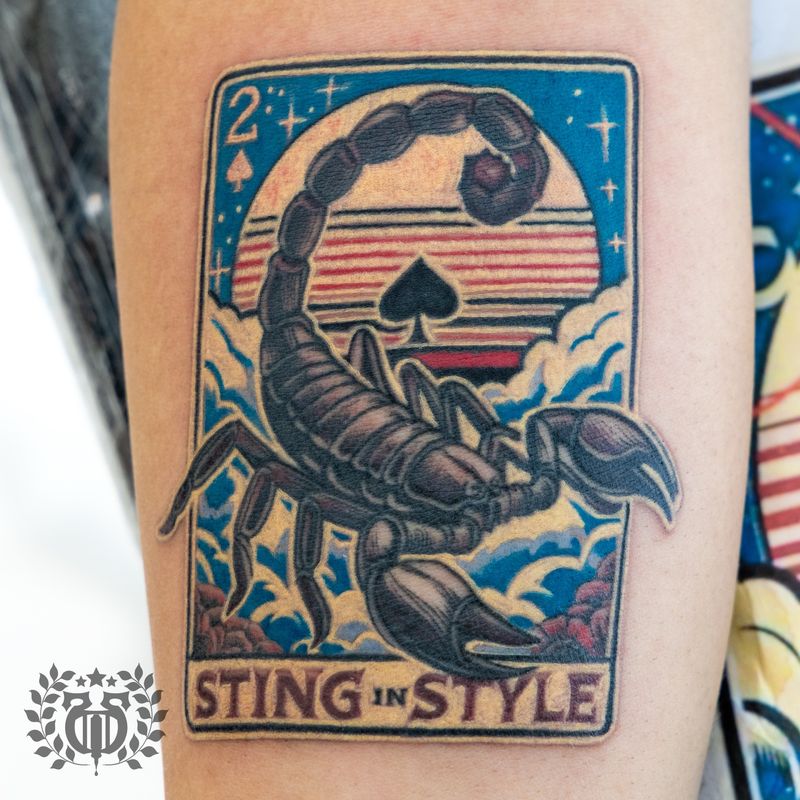
Selected work by David
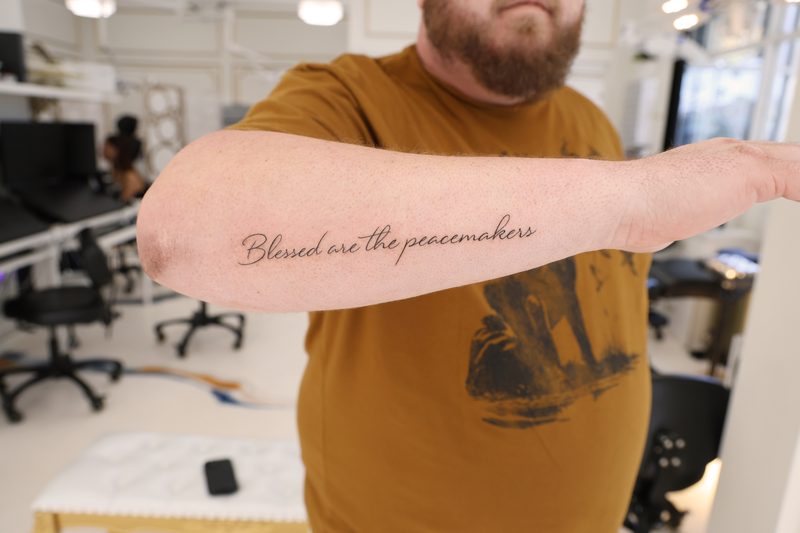
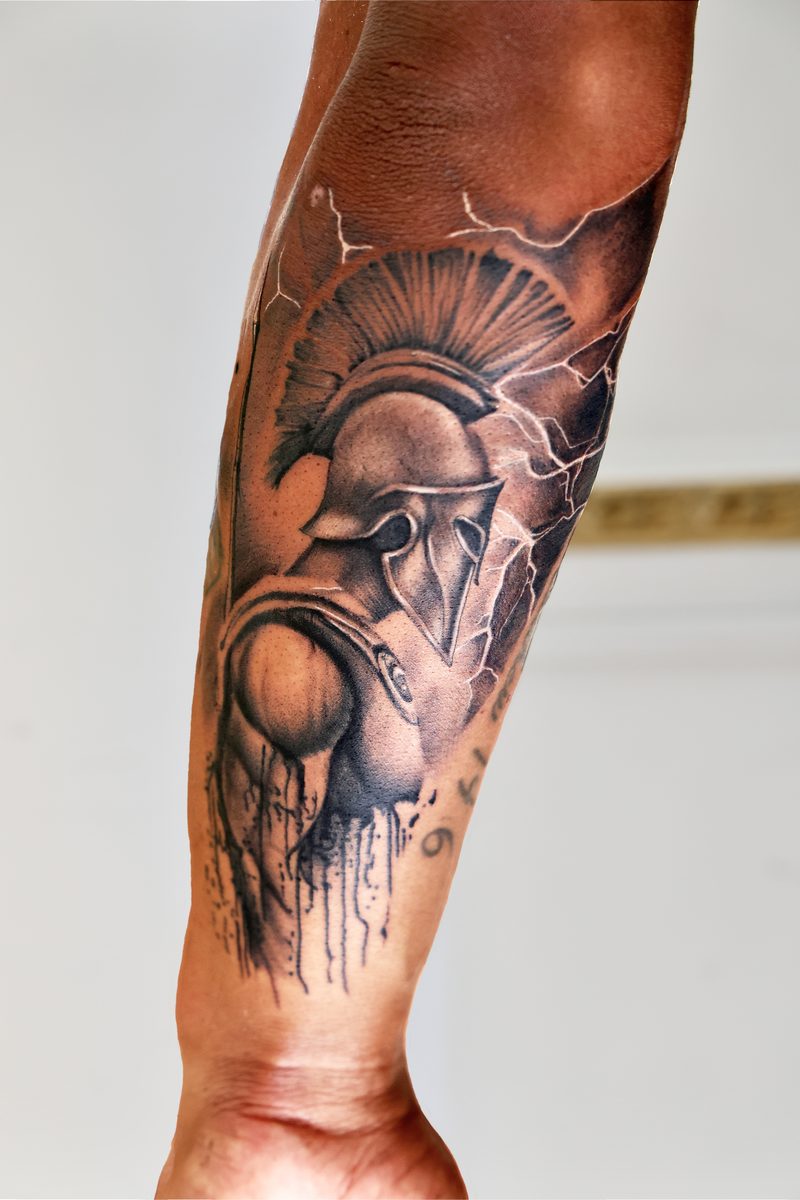
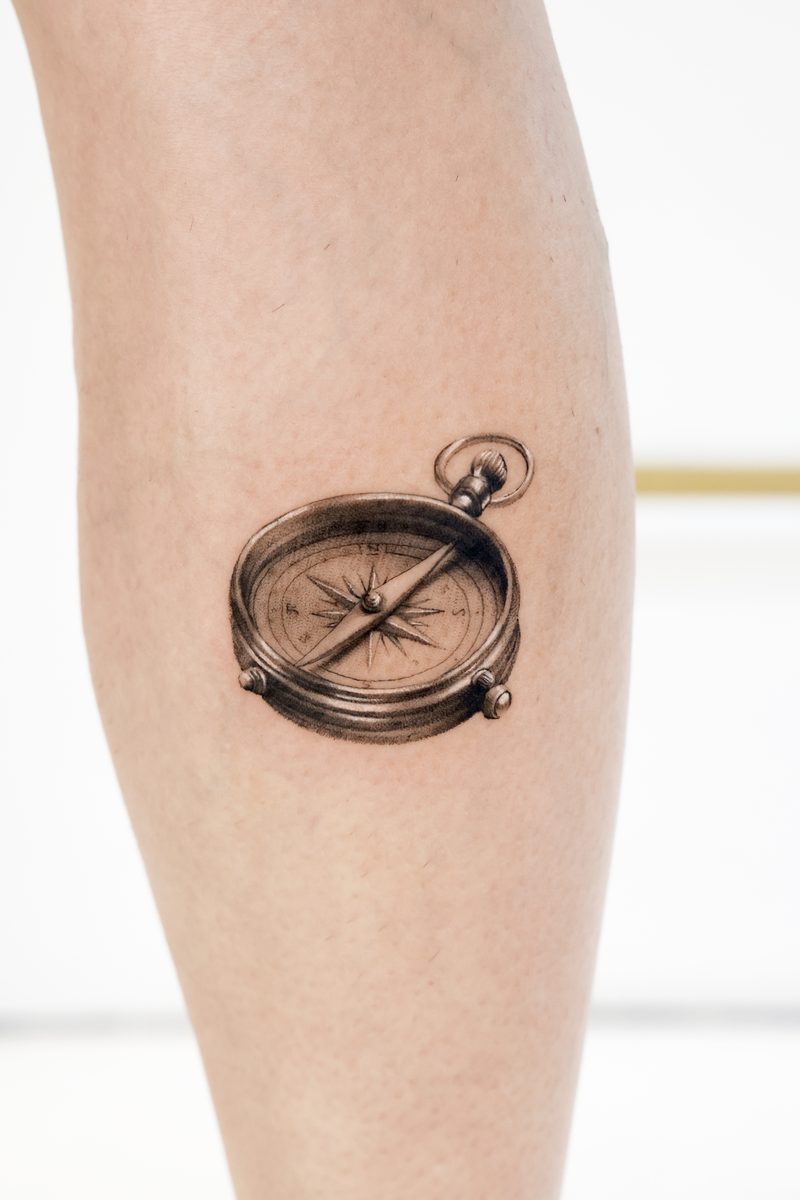
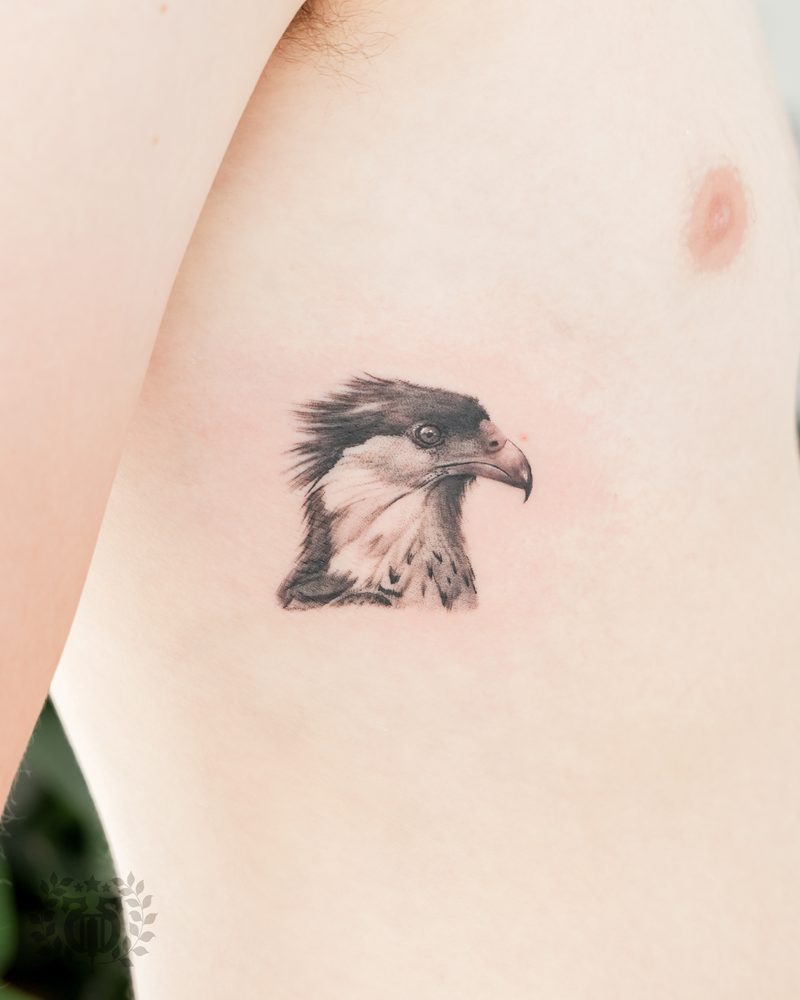




Tattoo Library
Tattoo styles we specialize in
Inspiration
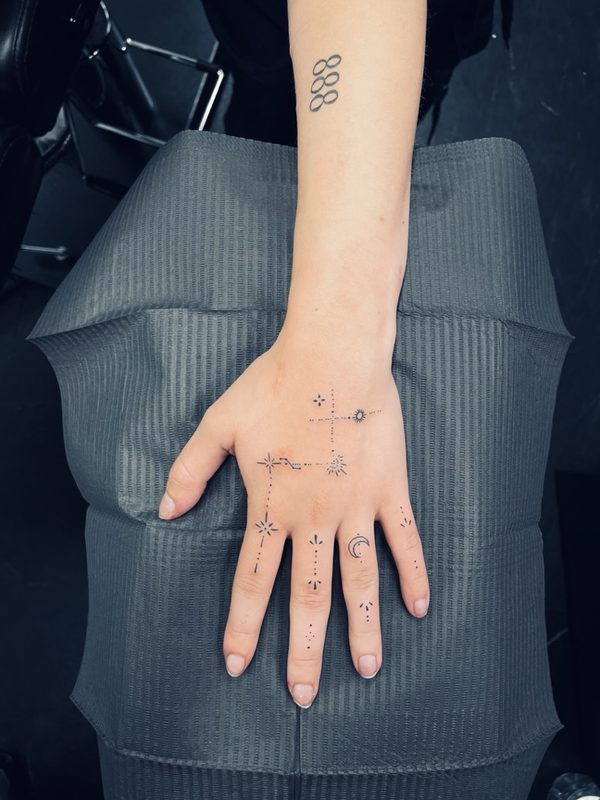
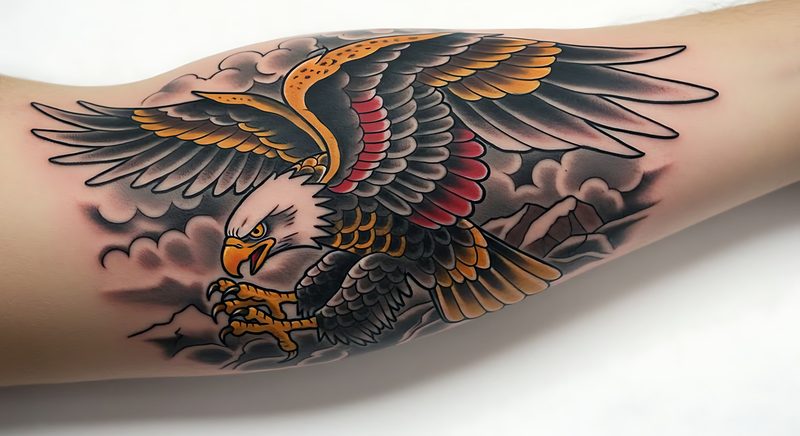
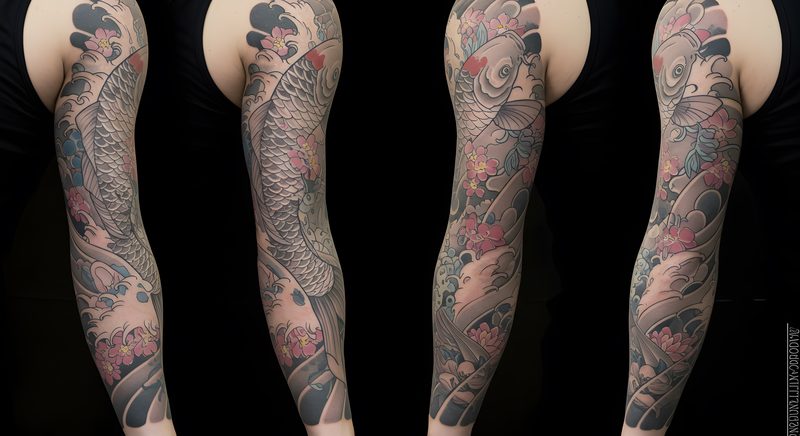
Tattoo ideas to spark your next piece
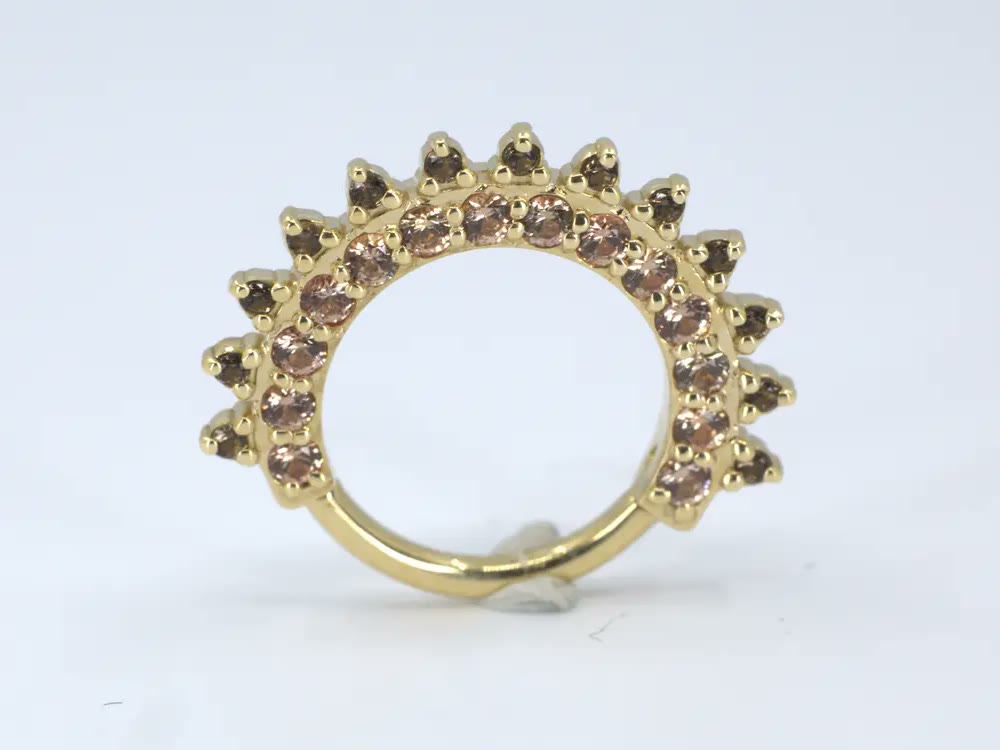
Luxury Body Jewelry
BVLA — Body Vision Los Angeles
We proudly carry BVLA, the gold standard in handcrafted solid-gold body jewelry — alongside Junipurr, Anatometal, and Kiwi Diamond. Every piece is implant-grade, nickel-free, and curated to your style.
Good to know
Booking David — FAQ
How do I book a consultation with David DaVinci?
Apollo consultations with David are booked through the studio's consultation form — you describe the piece, upload 2–3 reference images, bring a sentence on the emotional style (especially for portrait or memorial work), note placement and honest scale, and the studio routes the booking to his calendar. New-client consultations with David typically run 6–10 weeks out. Memorial and portrait pieces get a longer consultation slot by default because the design math requires more conversation than a standard booking.
What does David specialize in?
Classical portrait realism, color realism, and memorial pieces. Trained in fine arts before tattooing, David brings a painterly style to portrait work — the likeness reads as classical portraiture on skin rather than photographic reproduction. His bench anchors family portraits, memorial portraits, pet portraits, allegorical and mythological figures, classical botanical still-life work, chiaroscuro compositions, and memorial composites combining portrait with heirloom objects and script. If your piece is fine line, traditional, tribal, or photographic hyper-realism, another Apollo bench is the better match.
What's the difference between David's portrait work and Raa's?
Different disciplines under the same umbrella. Raa runs photographic hyper-realism — the rendering reads as a high-resolution photograph on skin. David runs classical painterly portraiture — the rendering reads as a painting, with chiaroscuro, brushwork sensibility, and fine-arts composition. Both require specific photographic reference; both take multi-session commitments; both sit at 5+ inches. The choice is aesthetic. If you want photographic fidelity, Raa's bench is the match. If you want classical painterly style, David's bench is the match. The studio routes at consultation.
Can David do color realism, or only black-and-gray?
Both, with a bias toward black-and-gray for memorial work. David's color realism is rooted in classical color theory rather than contemporary feed palettes — the saturation is chosen for aging, not for first-wrap photos. Color work sits at 6+ inches and budgets for a touch-up at year 10 to refresh saturation. Black-and-gray ages longer because there's no pigment shift to watch over decades. For memorial portraits, David defaults to black-and-gray or chiaroscuro unless the color carries specific meaning to the memory.
How big does a portrait tattoo need to be?
Portrait realism doesn't scale down. 5 inches is the floor for a face to hold features; 6–8 inches carries a memorial piece cleanly; 10+ inches is where multi-figure compositions earn their scale. Below 5 inches, the likeness compresses — features blur during healing, the emotional style flattens, the portrait reads as a smudge at the 5-year mark. David will not book a portrait at a scale that will fail. If you want a small piece, route to a different category (symbol, object, script) that holds at the size you want.
What should I bring to a memorial portrait consultation?
The reference photograph (original high-resolution file, not a filtered social crop). Multiple angles if possible. Any archival material — other photographs, letters, a meaningful object — that might inform the rendering. A sentence that describes the person's emotional style: fierce, gentle, quiet, joyful, steady. David asks for the sentence because a portrait without an emotional style is a photocopy. And your honest scale ceiling, placement preferences, and timeline. The consultation is unhurried; memorial work carries weight, and the sketch phase respects that.
How long does a portrait with David take?
Most David portraits span 2–4 sessions of 4–6 hours each over 4–9 months total. A 6-inch black-and-gray portrait is typically 2–3 sessions. A memorial composite (portrait + objects + script) is 3–5 sessions. A full sleeve anchored by a portrait is 5–8 sessions. The longest commissions — full back, multi-figure allegorical pieces — span 8–12 sessions over 12–18 months. Plan the timeline around the piece rather than the piece around the timeline. Portrait work respects the calendar; rushing it shows in the final rendering.
How much does a portrait tattoo with David cost?
Pricing at Apollo is quoted at consultation based on the sketch, the sitting plan, and the scope — not from the idea. Most David portraits are multi-session, so the total is discussed across the full timeline at the first consultation. A single-session small piece sits at one math tier; a 2–3 session portrait sits at another; a memorial composite or sleeve anchor at a third; a full back at a fourth. All specifics are discussed in the room after the sketch. The studio does not quote from a phone photo or a text description because the sketch is where the honest math lands.