The Apollo Tattoo & Piercing Studio crest

THE APOLLO TATTOO & PIERCING STUDIO

World-Class Tattoo & Piercing Studio in LA

Tattoo artists

The roster & how to match with yours.

The first decision is what the tattoo is of. The second is who makes it. Everything else — style, size, placement, timing — sits downstream of those two.

How to read a portfolio. How to tell a specialist from a generalist. The red and green flags inside a consultation. The LA lineage that quietly shaped modern tattooing, running from East LA single-needle through Shamrock Social Club to Instagram-era fine line. And the four Apollo artists working inside those lanes today — small roster, clear specializations, honest waitlists.

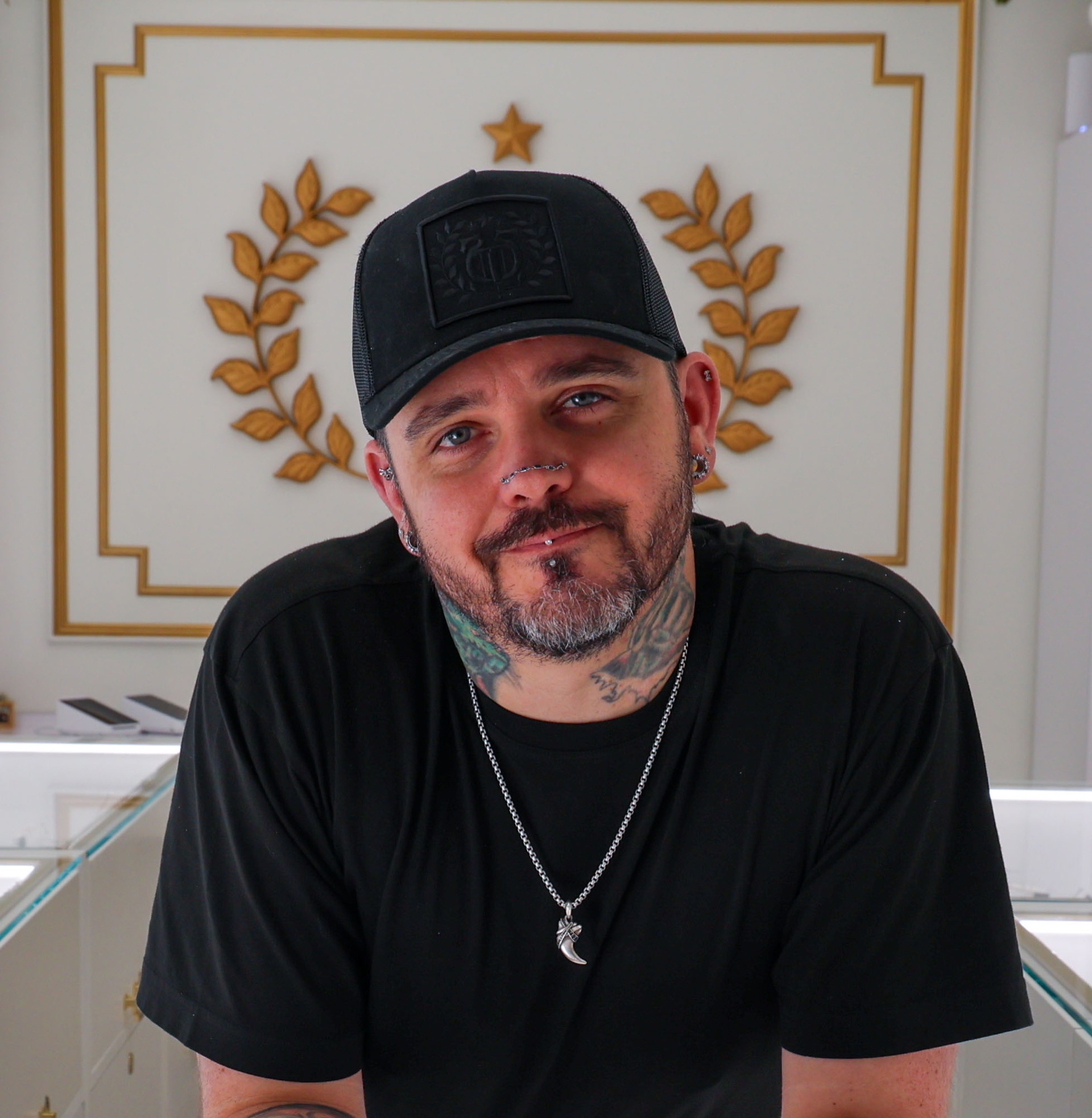
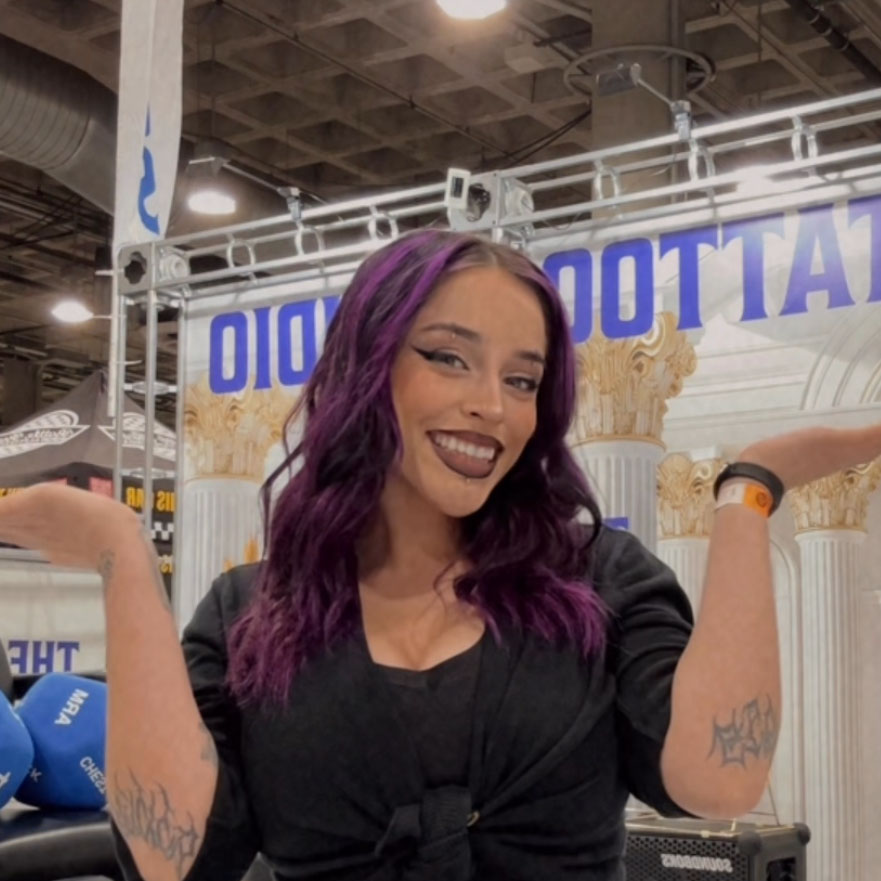
Four working artists Fine line · Realism · Portraits · Cover-ups · Minimalist
Santa Monica, CA Open monday-sunday · 8:00 AM to 8:00 PM

Why the artist matters

Subject first. Artist second. Style third.

That ordering surprises people because style feels louder than artist. A client walking in wanting Japanese feels like they’ve made two decisions. In practice they’ve made one — and the artist still has to carry the rest. Same reference. Same flash book. Two different tattoos.

A generalist drawing a koi in a Japanese idiom produces a reasonable koi. A lifelong Japanese specialist drawing the same koi produces a piece that reads as Japanese at ten feet, in dim light, twenty years from now. Style is a language the artist speaks. Fluency is not the same as vocabulary. The decision you’re making when you pick an artist is whose fluency gets bound to your idea for the rest of your life.

How to read a portfolio

Three lenses separate signal from noise.

A portfolio is evidence, not a brochure. Reading it well means looking for three specific things, in this order.

Ι

Healed work

Fresh linework is honest for a week. Healed linework is honest forever. Ask for photos six months out — they show what actually lives on the skin rather than what a swollen, saturated fresh tattoo looks like. An artist who cannot produce a single healed photo, in any style, for any client, is hiding the only image that matters.

ΙΙ

Consistency across years

One viral piece proves one piece. Forty pieces in the same idiom across four years prove a practice. Scroll past the hero shots and look for the fourteenth piece, the twenty-second, the thirty-eighth. If those look like the fourth, the artist has a style. If they drift, the artist is still searching — which is fine, and also not what you’re paying for if your idea is technically demanding.

ΙΙΙ

Fundamentals through filters

Photography hides a lot — it doesn’t hide everything. Watch for line wobble on long curves, inconsistent saturation in large fills, awkward composition where a design got crowded against a joint, black work that grays out in the same spot on every piece. These artifacts survive every filter on every platform. If you can see them through a ring light and a color grade, they’re on the skin.

Red flags & green flags

What to watch for — in both directions.

Portfolios show work. Consultations show judgment. Both carry signals. Watching for them is the fastest way to distinguish an artist building a practice from an artist chasing a feed.

Red flags

  • No healed photos anywhere in the portfolio — not in a highlight, not in a story, not on request
  • Every shot taken at the same clean-line moment, same angle, same lighting, same filter
  • Style roulette — Japanese sleeve, fine-line script, neo-traditional eagle, micro-realism portrait, all the same month, all the same hand
  • Heavy reliance on flash with few custom examples — flash is a craft, but a portfolio living only on flash tells you the artist hasn’t been trusted with custom work often
  • A thin body of finished work stacked against a large follower count
  • Consultations that accept any combination of subject, style, size, placement, and budget without routing feedback
  • Consultations that move too fast toward the deposit

Green flags

  • Healed photos shown openly, labeled as healed, timestamped months out
  • Repeated subjects and repeated compositions — range within a lane, not ten lanes
  • An obvious specialization that matches the idea in the room
  • Thoughtful pushback: “This will read better larger,” “This placement wraps poorly,” “This weight will blur in five years at that size”
  • A sentence somewhere that starts with “Here’s what I don’t do.” Specialization names its edges.
  • Testimonials that describe the process, not only the result
  • Guest-spot history at other shops — cross-pollination is how working artists stay sharp
The idea is yours. The artist is the instrument it gets made with.
— The Apollo Tattoo Studio
Fresh linework is honest for a week. Healed linework is honest forever.
— The Apollo Tattoo Studio
A specialist has drawn the same thing many times. A generalist has drawn many different things. Knowing which one your idea needs is most of the work.
— The Apollo Tattoo Studio

The Apollo roster

Small roster. Clear lanes. Honest waitlists.

Most LA studios operate on volume. Apollo doesn’t. A small roster with clearly identifiable specializations means depth per artist — and a consultation that matches by fit, not availability. The trade-off is real: waitlists. The payoff is the piece.

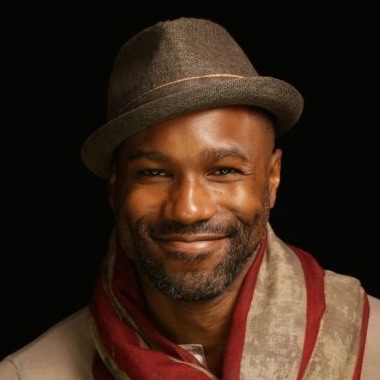
Blue Mason portrait Founder · Broad lane

Founder & Master Artist

For clients who want a founder-level tattoo from the artist who set the studio’s craft standard — broad lane, with particular depth in fine line, photorealistic portraits, traditional pieces, and cover-ups.

Specialties. Fine Line · Realism · Tribal · Traditional · Cover-ups

At Apollo since. 2007

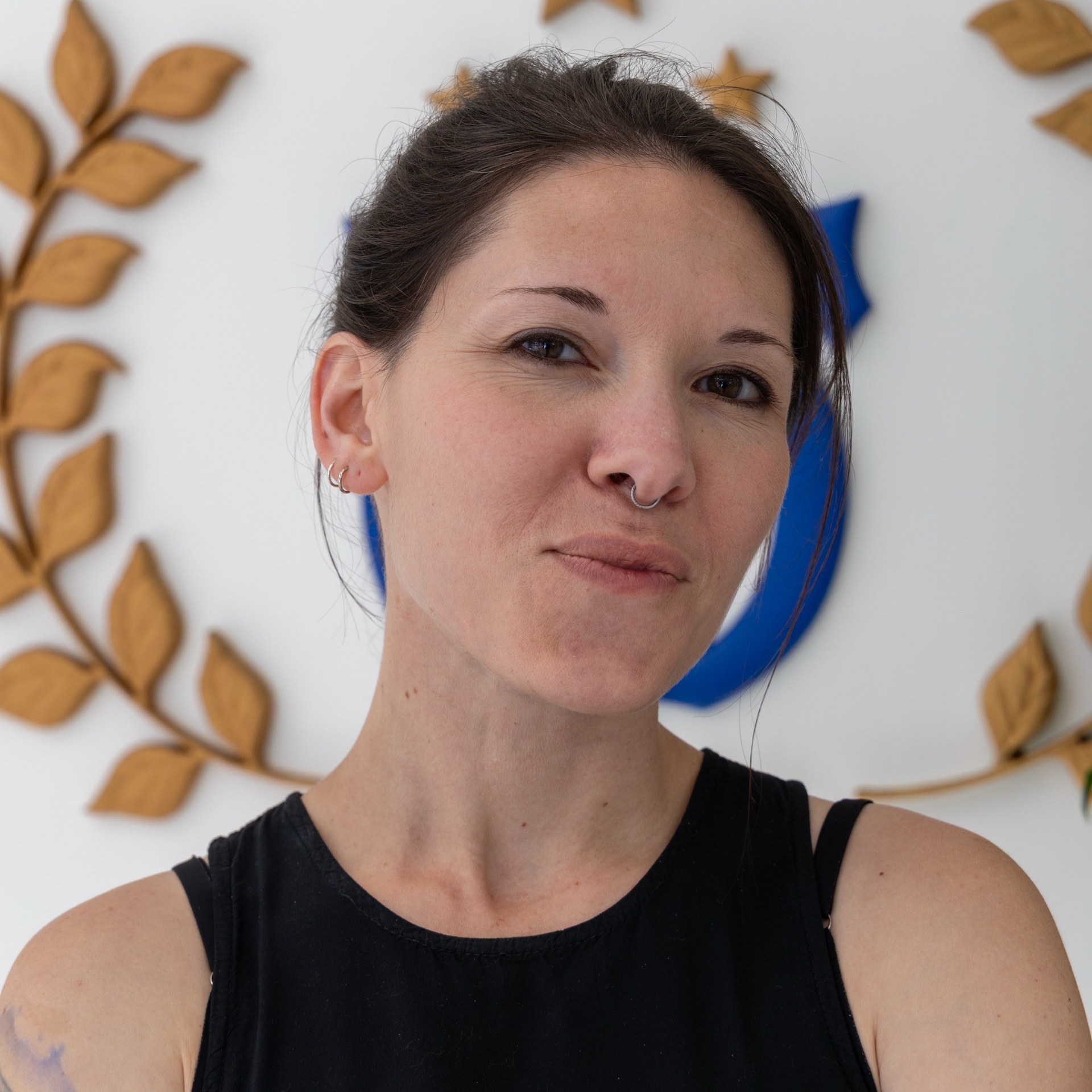
Raa portrait Artist
ΙΙ

Raa

Artist

Raa is a master of photorealistic tattooing, bringing portraits and nature scenes to life with incredible detail. Clients travel from across the country for his signature hyper-realistic style.

Specialties. Photorealism · Portraits · Nature scenes · Black & Gray

At Apollo since. 2012

When Apollo refers out. Some pieces belong elsewhere — traditional Japanese bodysuit work with a lineage-trained master, tebori hand-poke, Polynesian tatau from a culture-bearer, extremely large multi-year bodysuits. If a consultation surfaces that kind of fit, Apollo says so before any booking is taken. The referral out is integrity, not defeat.

The apprenticeship

How a tattoo artist is actually made.

Tattooing has no accredited degree. It has no bar exam. It has an apprenticeship — a structure handed down since the late 19th century — and that structure remains how a serious tattoo artist is made. Two to three years under one mentor, inside a working shop.

Ι

The entry fee

An apprentice arrives already able to draw. That’s the prerequisite, not the training. What the shop teaches is everything the drawing cannot — how a machine tunes, how skin behaves at different depths, how a consultation turns a vague idea into a stencil.

ΙΙ

Watching as the job

The early months are almost entirely unpaid. The apprentice cleans stations, autoclaves tubes, breaks down biohazard, takes out trash, and watches. Watching is the job. Watching is where the eye develops.

ΙΙΙ

Flash and practice

Hundreds of pages of traditional flash compositions to internalize the craft’s grammar. Then practice skin, pig’s feet, and — usually — the apprentice’s own thighs and calves, because the only body an apprentice has the right to risk is their own.

ΙV

Supervised first client

Only after all of that does a first supervised client piece happen, and the mentor is standing over the station when it does. Two to three years is typical. The hand, the eye, and the business literacy all need to develop in parallel.

Staying sharp after the apprenticeship

Guest spots

Short residencies at other shops, sometimes cross-country, sometimes international. A visiting artist brings their approach into a different crew’s rhythm; both sides learn. A strong guest-spot history is the tattoo equivalent of a visiting-scholar record.

Conventions

London Tattoo Convention. Paris Mondial du Tatouage. The long-running Ink Masters and Golden State shows in California. Continuing education by osmosis — artists watch each other work, critique live, trade technique in the aisles.

Portfolio critique

Artists in their twentieth year still send healed photos to peers they respect and ask for honest critique. The craft doesn’t graduate.

An artist who refers you out when the match is better elsewhere is telling you exactly the kind of audit they run on their own work.
— The Apollo Tattoo Studio
Every realism artist working today is drawing on a lineage that runs through a 1975 shop in East LA — whether they know it or not.
— The Apollo Tattoo Studio
Styles run in lineages the way accents run in neighborhoods. The training shows up in the work.
— The Apollo Tattoo Studio

FAQ

Questions that come up about artists.

Seven questions Apollo hears most often when clients are deciding who sits with them.

How do I choose between two Apollo artists who could both carry my piece?

Three things. First, portfolio volume in your specific subject — two artists can both do fine line, but one may have tattooed fifty botanicals while the other has tattooed fifty script pieces. The one who has done your subject more times has the aligned muscle memory. Second, consultation rapport — you’ll sit with this person for multiple hours, sometimes across sessions, and the consultation is the read. Third, schedule alignment — a piece that waits nine months loses momentum, a piece that waits three weeks and gets rushed loses precision. When portfolio fit and rapport are close to equal, let calendar reality decide.

What’s the difference between a tattoo school and an apprenticeship?

A tattoo school can teach the technical floor: cross-contamination protocol, needle groupings, machine mechanics, pigment handling, skin anatomy. It can sometimes teach the beginnings of business literacy. What it cannot teach is the eye — the ability to look at a client’s idea and see where it wants to live on the body, which elements will read in year twenty, which compromises to push back on. The eye develops in a working shop, under a mentor, on live work, across years. There is no classroom version. Most tattoo-school graduates who want real careers seek an additional shop apprenticeship afterward.

Is it rude to ask a tattoo artist who trained them?

No. It’s a legitimate consultation question, and serious artists welcome it. Every working tattoo artist can name the person who trained them, and usually the person who trained their mentor. The answer is not a credential — it’s a curriculum. When you see a specific kind of gray-wash portrait work, a certain hand at hairline script, a particular compositional confidence on a Japanese backpiece, you’re almost always seeing training in the work. Asking “who trained you” is the same kind of question a client might ask a luthier about their apprenticeship, or a chef about the kitchen they staged in.

What if my piece is outside Apollo’s specialization lanes?

Apollo will refer you out. This happens in the consultation, before any booking is taken, and it happens for a specific reason — the piece is outside the studio’s lanes. Examples: very specific cultural traditions that require a lineage-trained specialist (traditional Japanese bodysuit work by a master in that tradition, tebori hand-poke, Polynesian tatau from a culture-bearer), extremely large back pieces or bodysuits that require a dedicated multi-year project pipeline, specialty techniques the roster does not carry. The referral is integrity, not defeat. Clients who get referred out often return later for work that is inside the Apollo lanes.

Why is Apollo’s roster smaller than typical LA studios?

By design. Most LA tattoo studios operate on volume — a large floor, a rotating cast, and whoever has an open slot on the day you walk in. That model has its place. Apollo isn’t that model. A small roster with clearly identifiable specialization lanes allows depth per artist — an artist who tattoos fifteen styles a week never gets five hundred reps deep in any one of them; an artist who tattoos one family of work gets there in a season. The trade-off is real: a small roster means waitlists. Clients who choose Apollo accept that trade deliberately, because the alternative is sitting with whoever has an opening, and that is usually how a tattoo becomes a regret.

How much of the lineage an artist studies under actually matters?

More than most clients realize. Every serious artist’s work carries the training that shaped it. The LA black-and-gray lineage that runs from Cartwright through Rudy, Negrete, Mahoney, and Dr. Woo is visible in the gray-wash work of artists two generations removed from that lineage who still pull on it. The same is true for the Japanese tebori lineage out of Yokohama, the Sailor Jerry American Traditional line from Honolulu, the European ornamental lineage through Xed LeHead and Thomas Hooper. The lineage isn’t a brand loyalty — it’s a craft inheritance. Ask about it in the consult.

What’s the fastest way to shortlist the right Apollo artist?

Scroll the roster cards below and read the one-line pitch on each. If the pitch describes your situation, open the portfolio. If the portfolio has three pieces that look like what you want, book the consultation. If it has zero, keep reading — the wrong artist for your piece is not a judgment on either of you, it’s just a mismatch of lane. The front desk at Apollo is briefed to help with this match; if you’re unsure which artist fits, describe the piece on the consultation form and the studio will route you.

Ready to match?

Find the artist whose fluency fits your idea.

Apollo consultations are built for this decision — the subject, the artist, the style, in that order. Describe the piece on the consultation form and the studio will route you to the artist whose lane fits. If it’s not us, we’ll say so.

Meet the roster Consultation