
Inspiration
Tattoo Ideas
Browse our most-requested subjects and motifs — each with meaning, placement notes and real examples — then bring your favorite to a consultation.
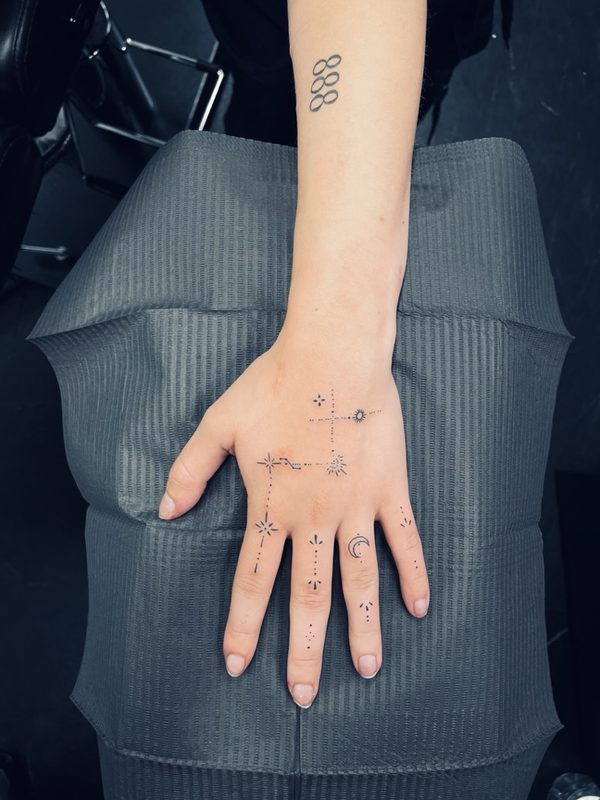
Butterfly
A working-studio catalog of butterfly tattoo ideas — 12 design directions from fine-line single-needle to realistic spec
Explore →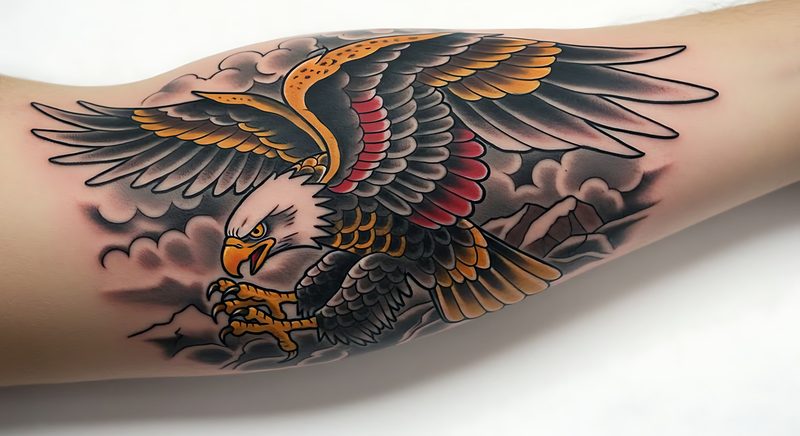
Dagger
A working-studio catalog of dagger tattoo ideas — 12 design directions from the canonical Sailor Jerry dagger to dagger-
Explore →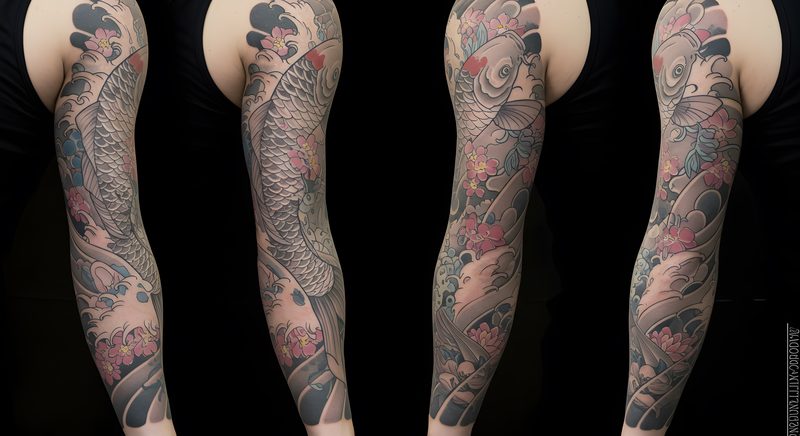
Dragon
A working-studio catalog of dragon tattoo ideas — 12 directions from Japanese ryu and Chinese long to European winged dr
Explore →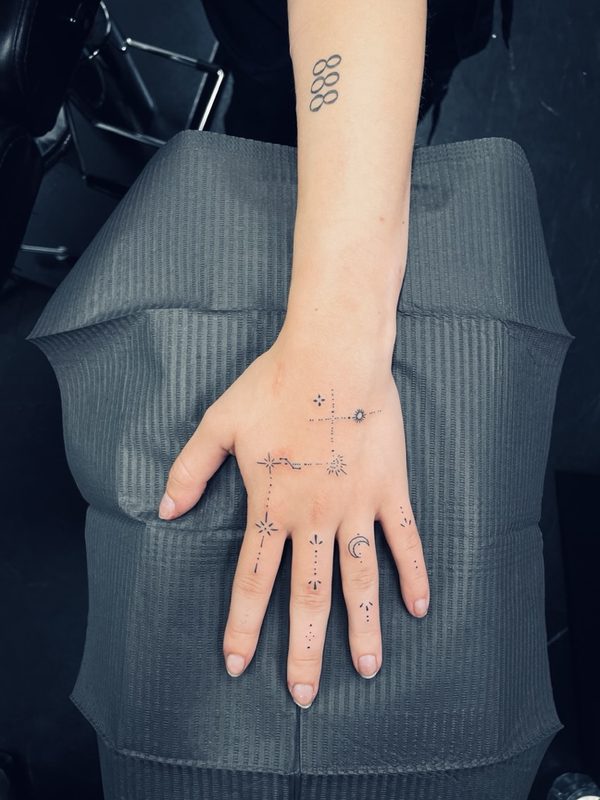
Dragonfly
A working-studio catalog of dragonfly tattoo ideas — 12 design directions from fine-line single-needle to Japanese tombo
Explore →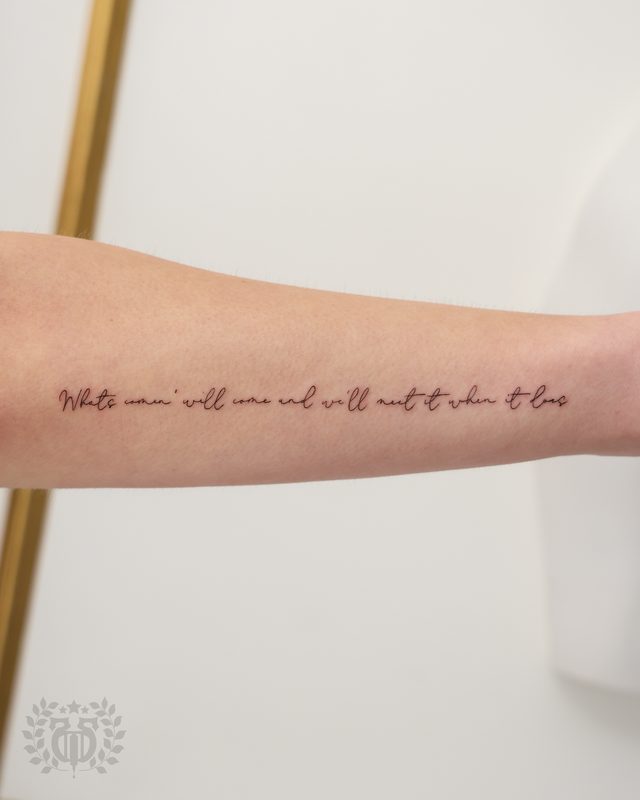
Dream Catcher
A working-studio catalog of dream catcher tattoo ideas — 12 design directions from the single hoop to the feather-fall c
Explore →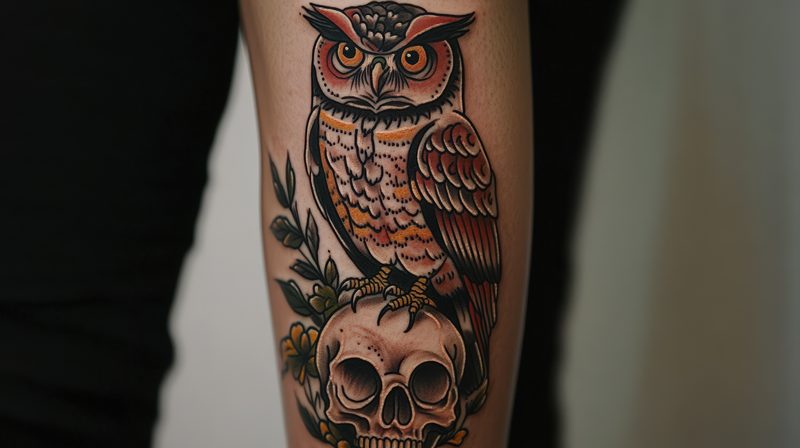
Eagle
A working-studio catalog of eagle tattoo ideas — 12 design directions from Sailor Jerry chest-spreads to black-and-grey
Explore →Choosing
Pick a subject that still reads in ten years
The strongest tattoos start from an idea with room to grow. Before the needle, our artists pressure-test your concept for legibility at size, how it ages on real skin, and whether it suits the placement you have in mind — so the piece still feels right long after the appointment.
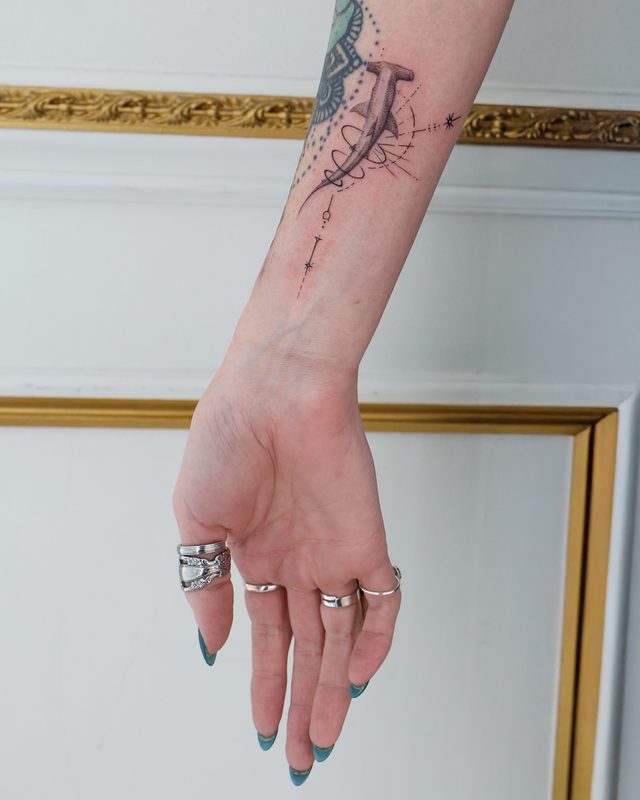
Flower
A working-studio catalog of flower tattoo ideas — 12 specific blooms from peony, chrysanthemum, and daisy to tulip, popp
Explore →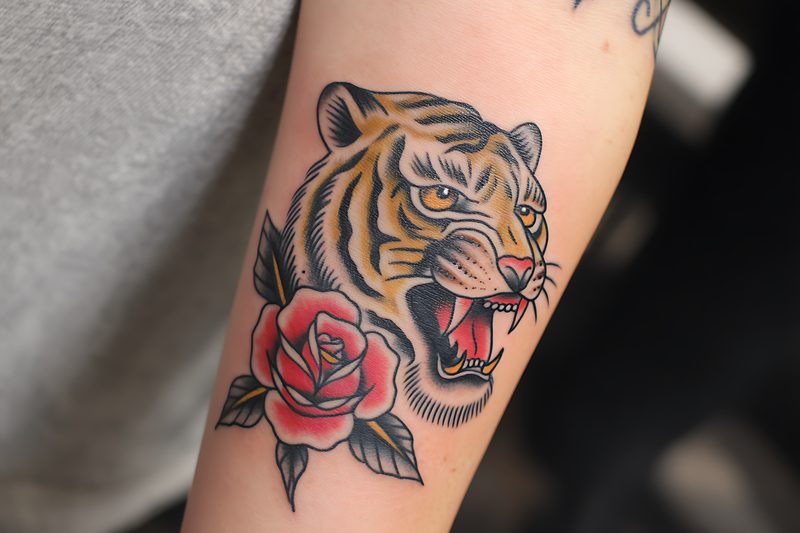
Heart
A working-studio catalog of heart tattoo ideas — 12 design directions from the traditional red heart and anatomical hear
Explore →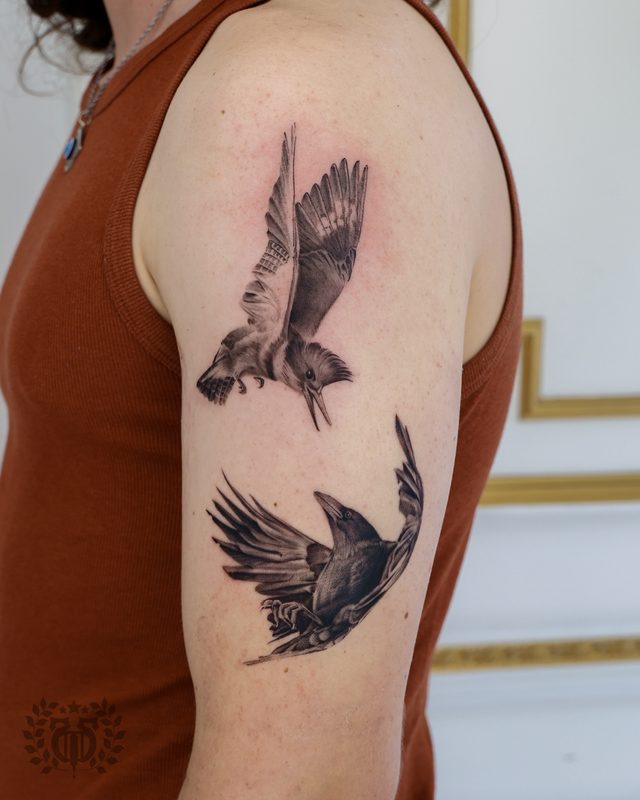
Hourglass
A working-studio catalog of hourglass tattoo ideas — 12 design directions from the traditional flash hourglass and broke
Explore →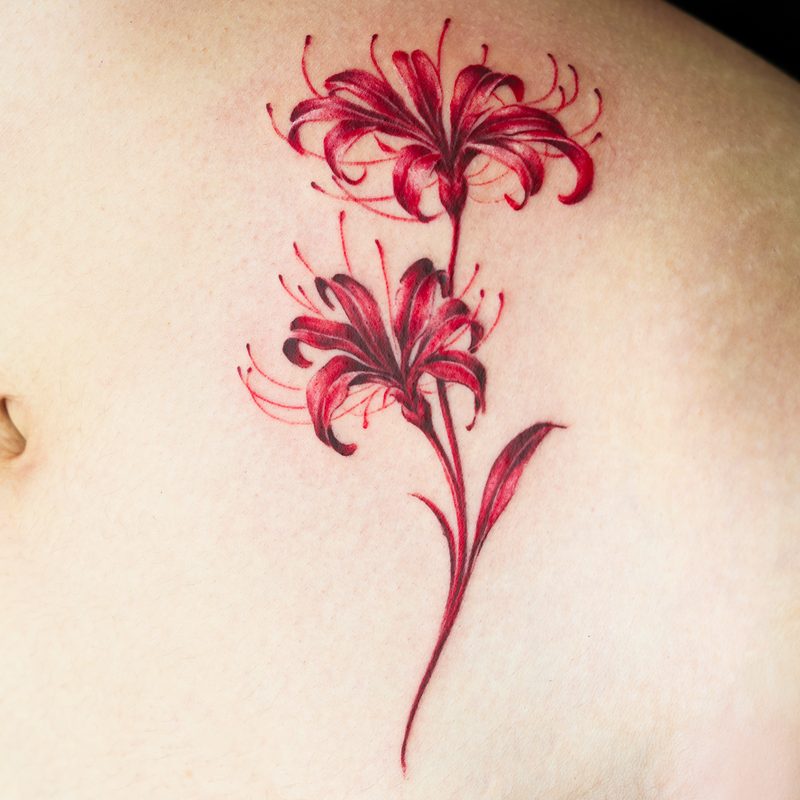
Hummingbird
A working-studio catalog of hummingbird tattoo ideas — 12 directions from the Anna's iridescent color-realism bird to th
Explore →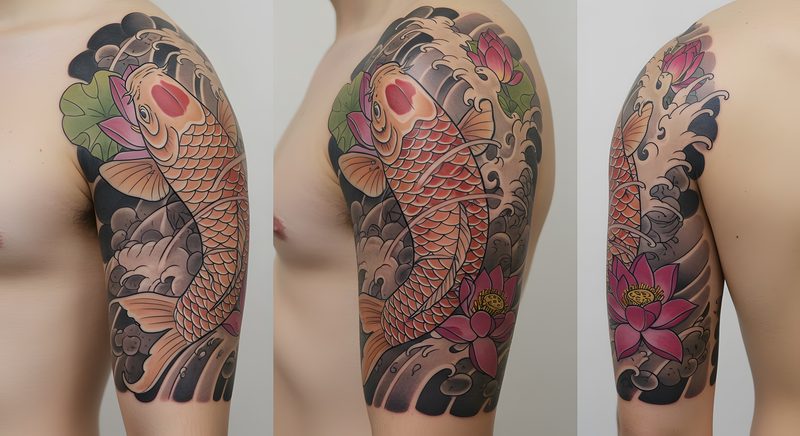
Koi Fish
A working-studio catalog of koi fish tattoo ideas — 12 design directions from single ascending koi to koi-and-dragon Dra
Explore →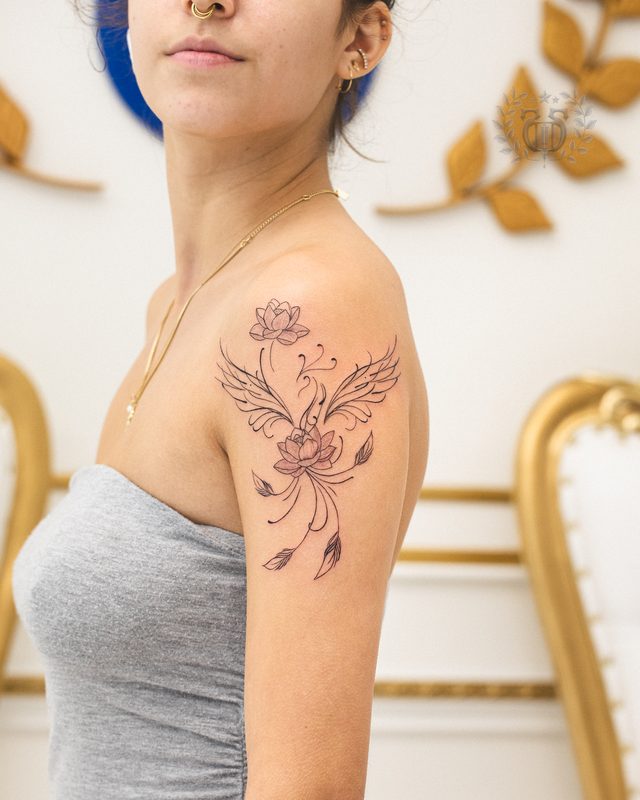
Lily
A working-studio catalog of lily tattoo ideas — 12 design directions from calla, Easter, stargazer, tiger lily, water li
Explore →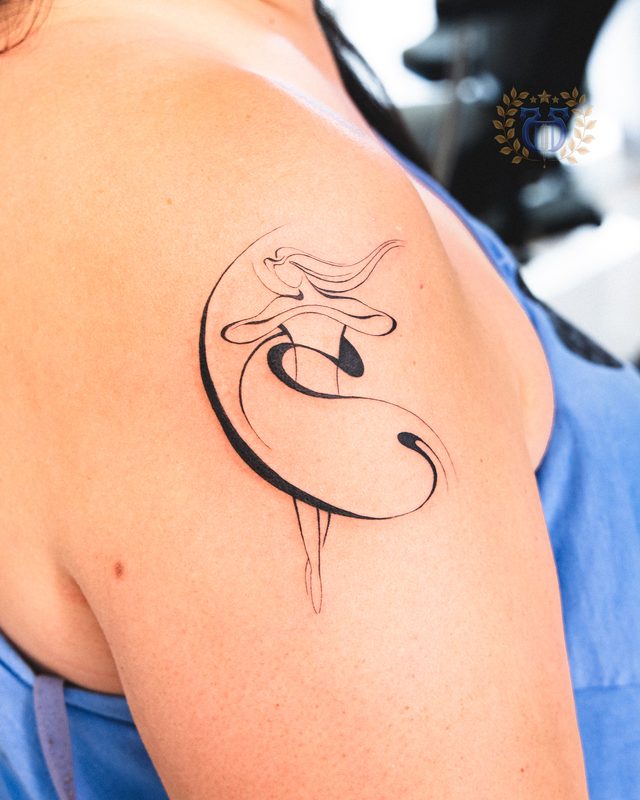
Lotus
A working-studio catalog of lotus tattoo ideas — 12 design directions from the single bloom to the eight-petal Buddhist
Explore →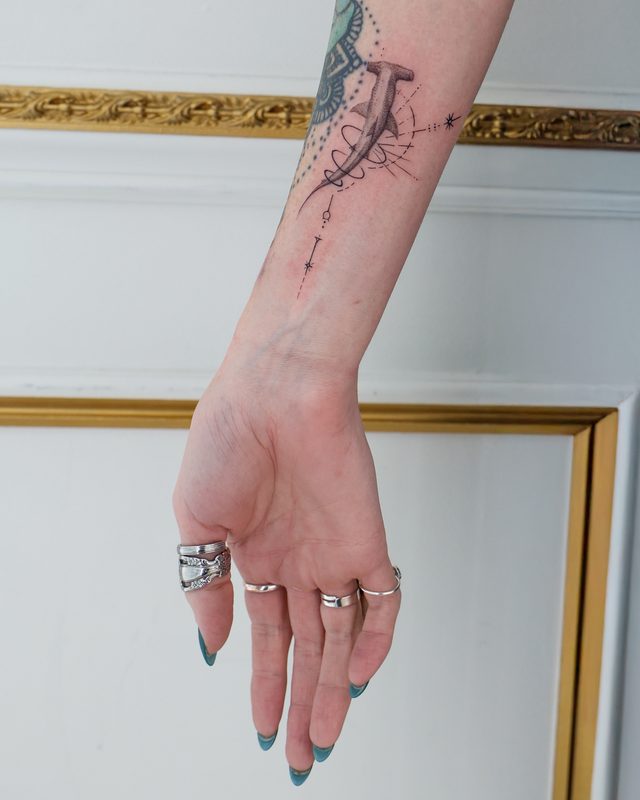
Mandala
A working-studio catalog of mandala tattoo ideas — 12 design directions from the classic concentric mandala to the half-
Explore →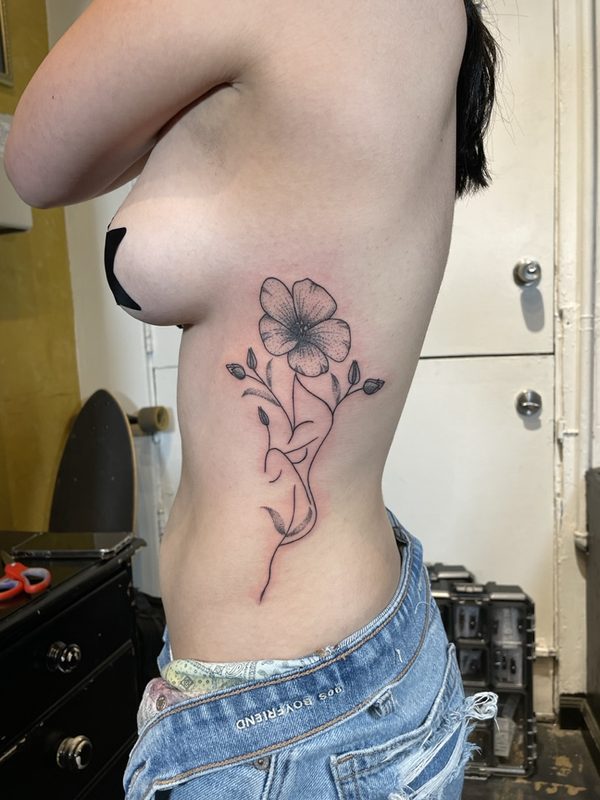
Mermaid
A working-studio catalog of mermaid tattoo ideas — 12 directions from the Sailor Jerry pin-up siren to the dark folklore
Explore →Make it yours
Every idea here is a starting point, not a stencil
Think of these as prompts. In a consultation we adapt the motif to your story — composition, line weight, color or black-and-gray, and exact placement — until it's unmistakably yours rather than something off a wall.
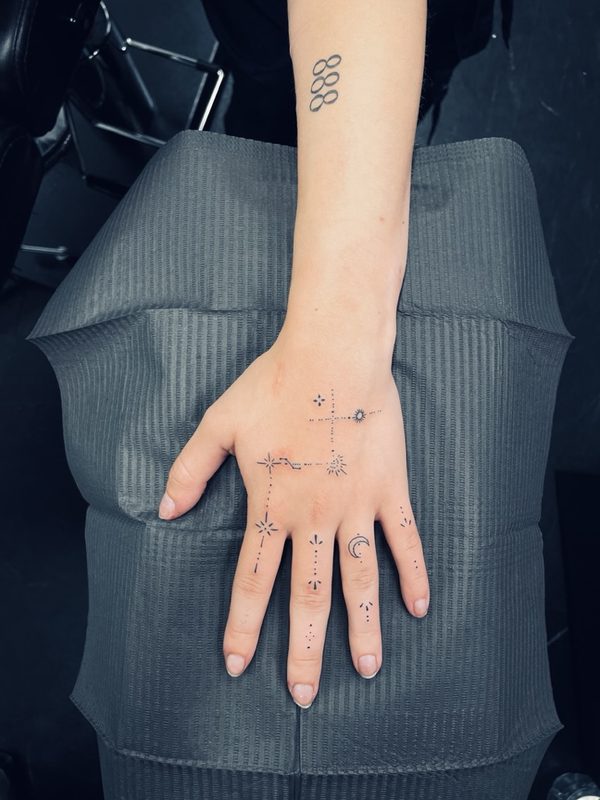
Moon Phase
A working-studio catalog of moon phase tattoo ideas — 12 directions from the eight-phase linear row to the triple Wiccan
Explore →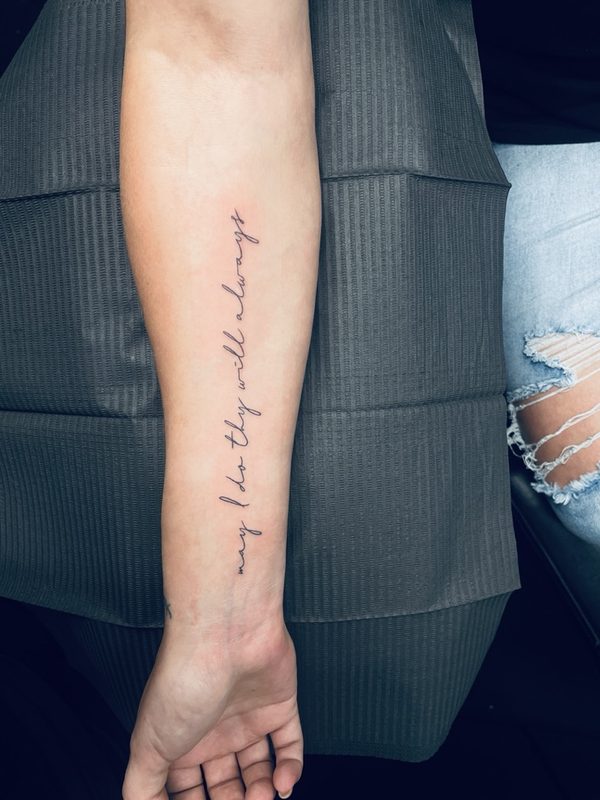
Moth
A working-studio catalog of moth tattoo ideas — 12 design directions from the death’s-head hawkmoth to the luna moth, at
Explore →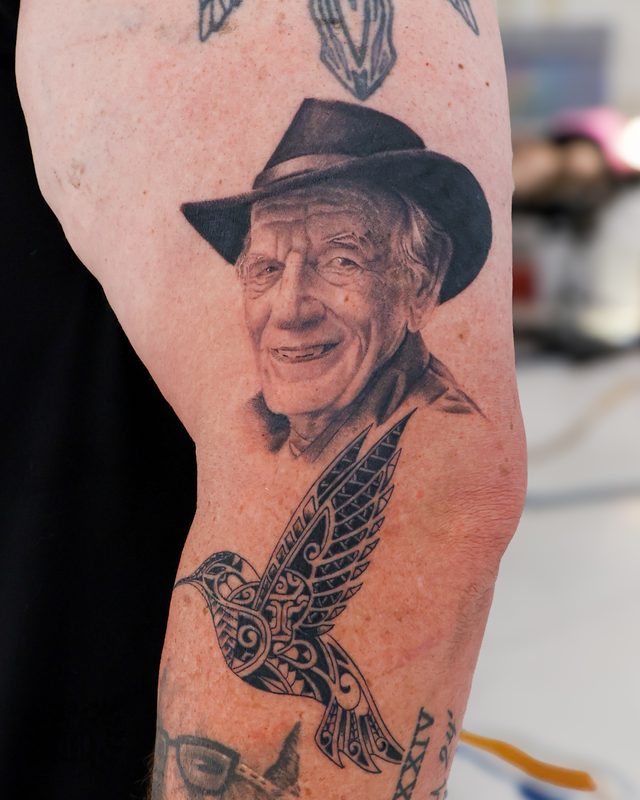
Mountain
A working-studio catalog of mountain and landscape tattoo ideas — 12 design directions from the single-line peak to the
Explore →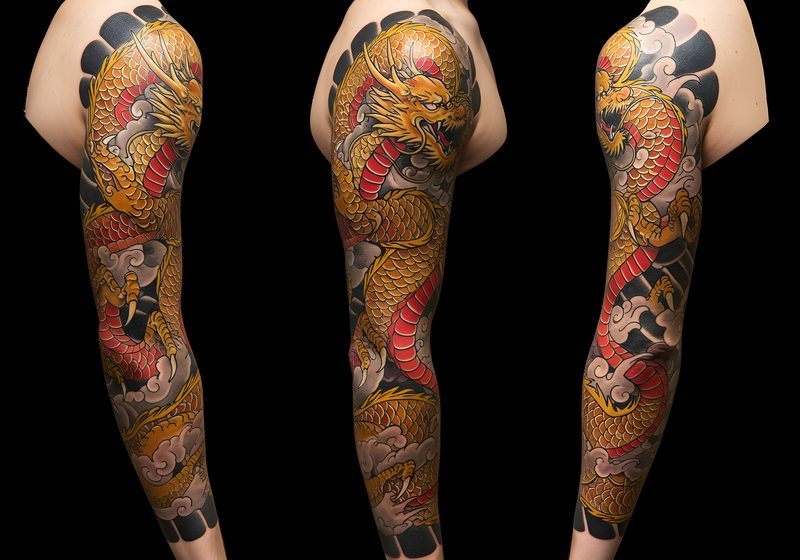
Octopus
A working-studio catalog of octopus tattoo ideas — 12 design directions from the Japanese takoyaki octopus to the realis
Explore →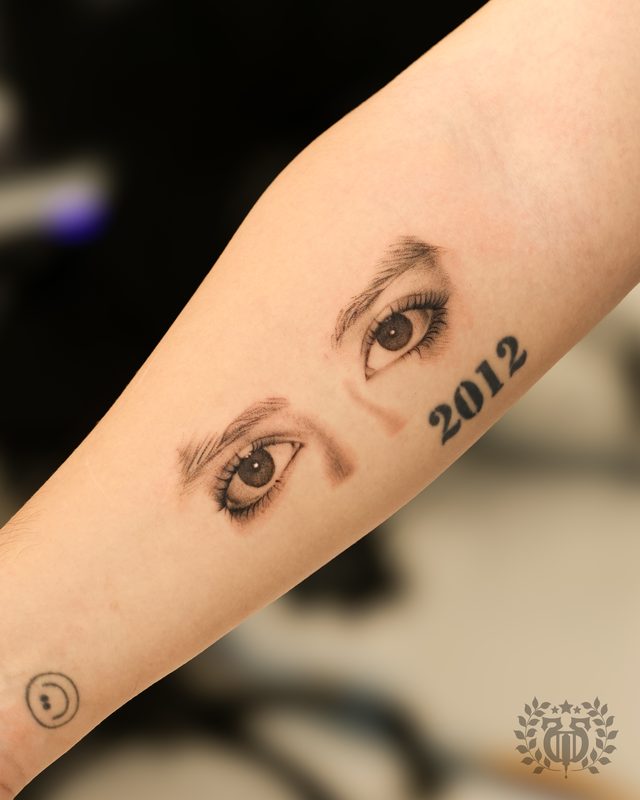
Owl
A working-studio catalog of owl tattoo ideas — 12 design directions from the barn-owl portrait to the great-horned perch
Explore →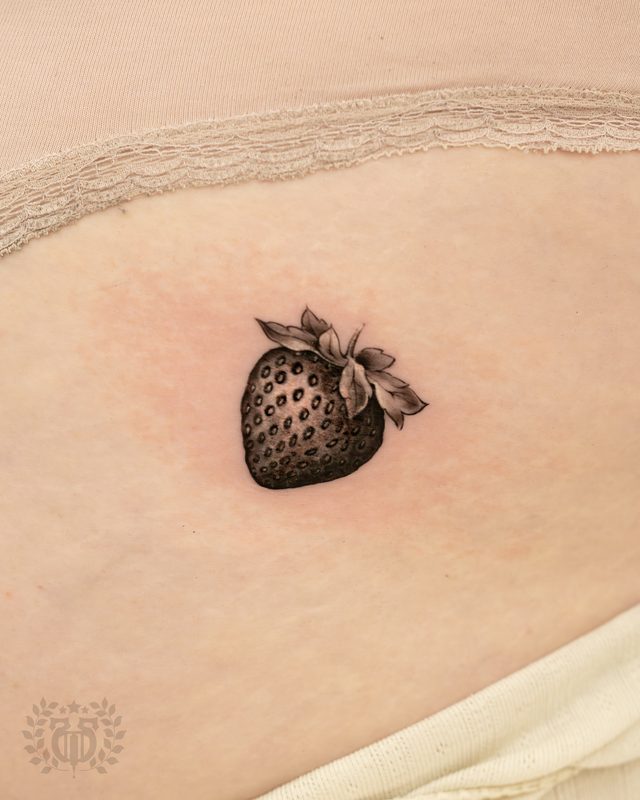
Pocketwatch
A working-studio catalog of pocketwatch tattoo ideas — 12 design directions from the classic chain-and-case to the broke
Explore →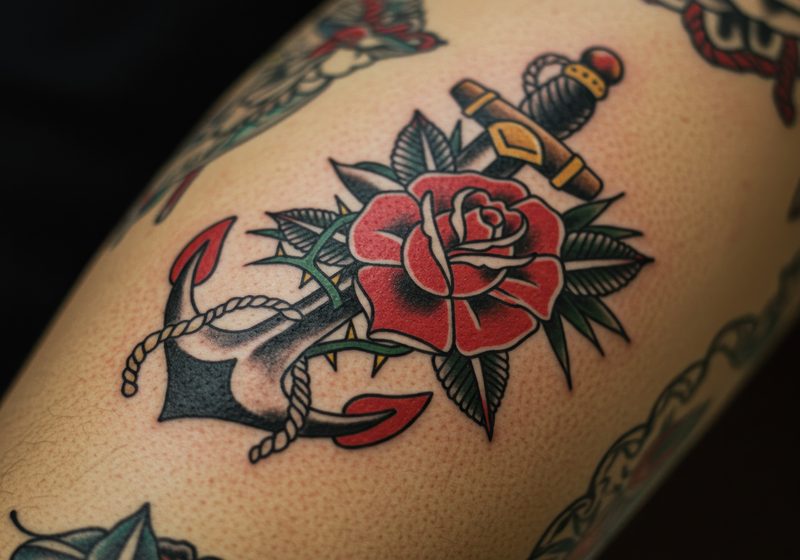
Rose
A working-studio catalog of rose tattoo ideas — 12 design directions from the single stem to the climbing rose, rose-and
Explore →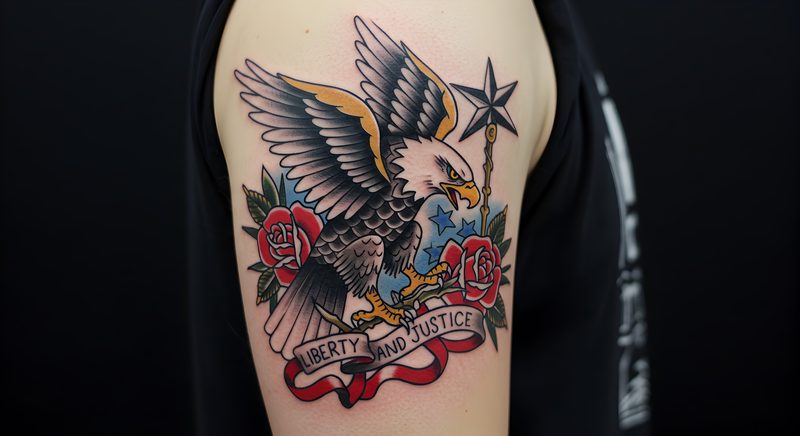
Sacred Heart
A working-studio catalog of Sacred Heart tattoo ideas — 12 design directions from American Traditional to Chicano black-
Explore →From idea to ink
What happens after you pick a favorite
Choose a direction, book a consultation, and we'll handle the rest: a custom drawing, a clear plan for sessions and aftercare, and an artist matched to the style. Walk-ins welcome for smaller pieces, by appointment for the ambitious ones.
Ship
A working-studio catalog of ship and nautical tattoo ideas — 12 design directions from the Sailor Jerry clipper to the H
Explore →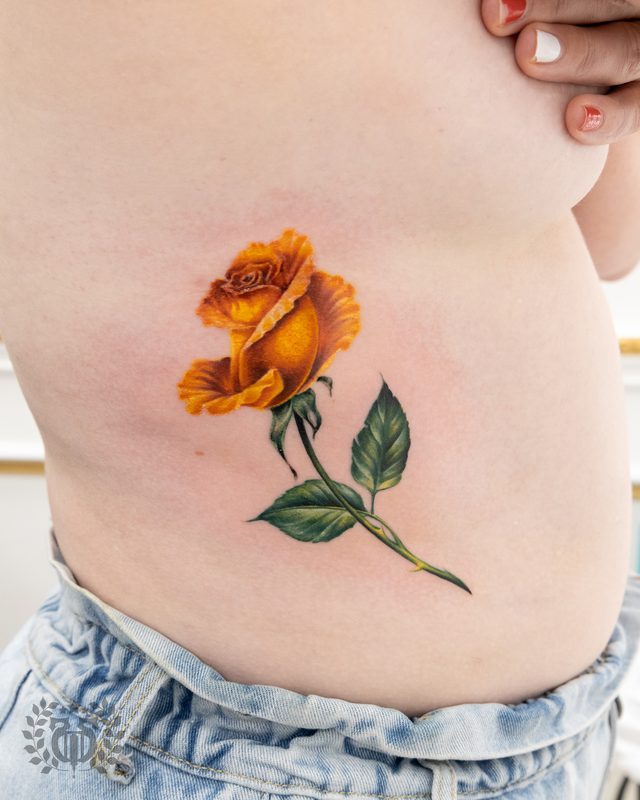
Skull
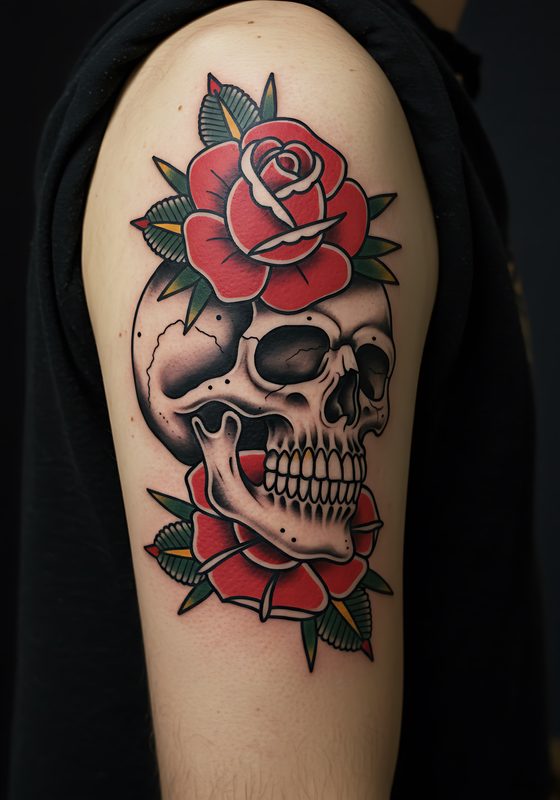
A working-studio catalog of skull tattoo ideas — 12 design directions from Traditional Americana to sugar skull, realism
Explore →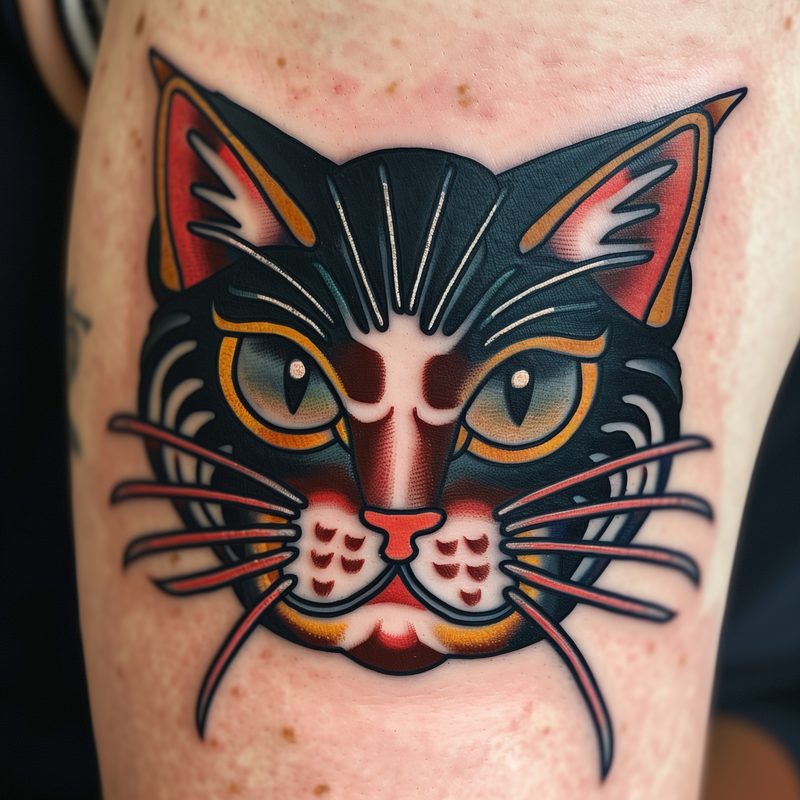
Snake
A working-studio catalog of snake tattoo ideas — 12 design directions from the Traditional American rattler to the Japan
Explore → Swallow
A working-studio catalog of swallow tattoo ideas — 12 design directions from the canonical Sailor Jerry Traditional sing
Explore →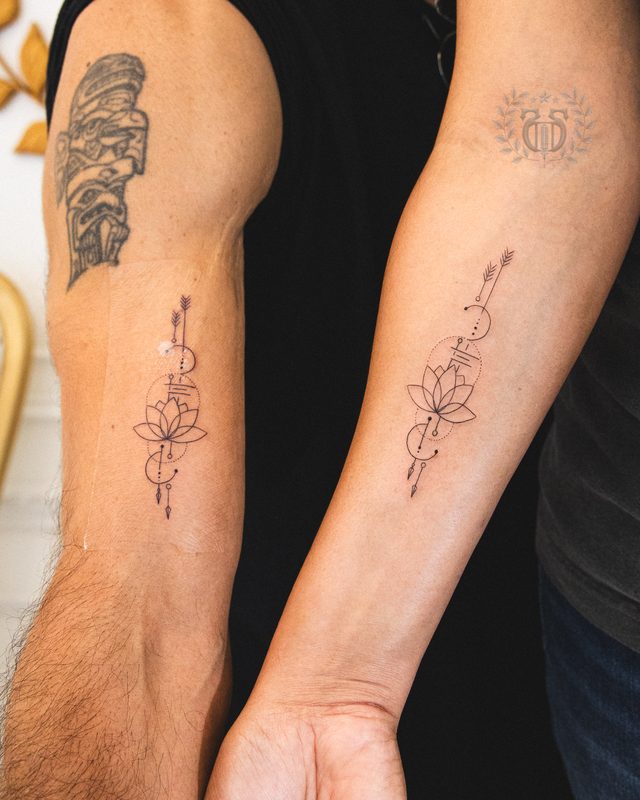
Wildflower
A working-studio catalog of wildflower tattoo ideas — 12 design directions from single stems to cluster bouquets, birth-
Explore →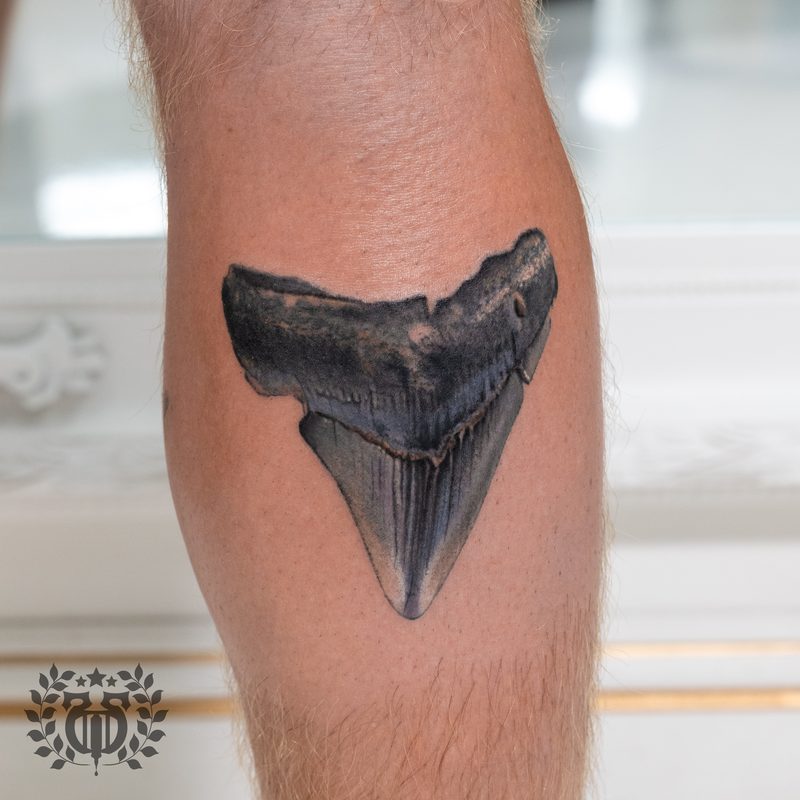
Wolf
A working-studio catalog of wolf tattoo ideas — 12 design directions from realistic portraits to geometric Nordic blackw
Explore →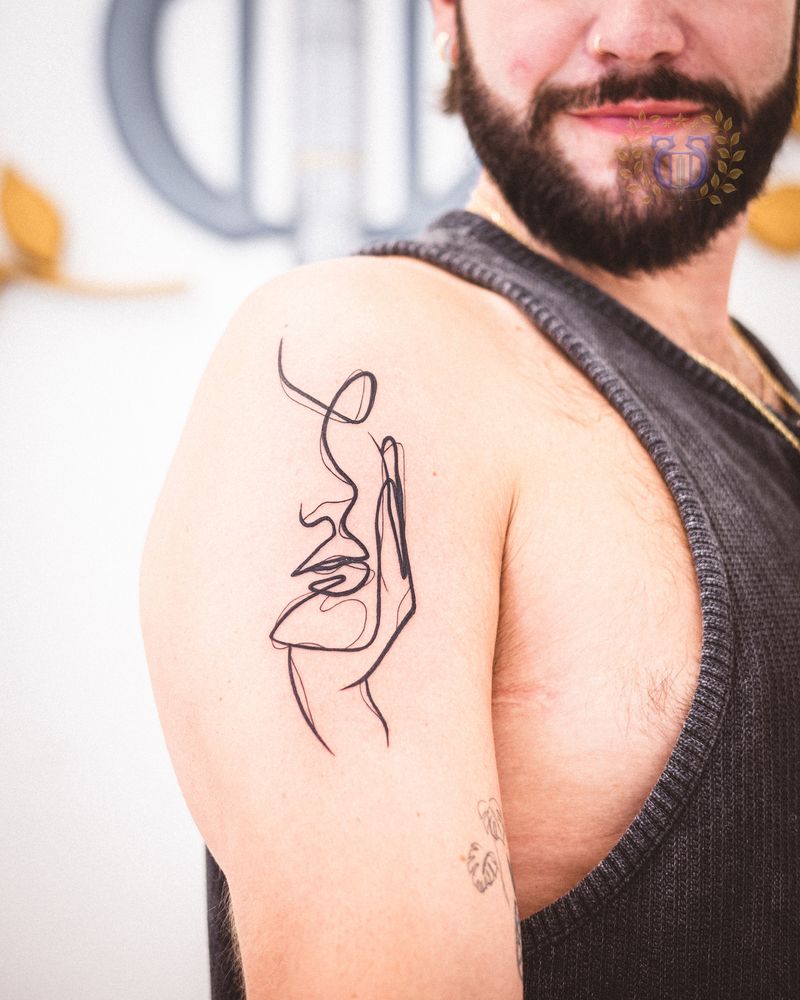
Matching & Couple Tattoo Ideas
Matching tattoos work best when they're built like a single design split in two, not two copies of the same thing. Here
Explore →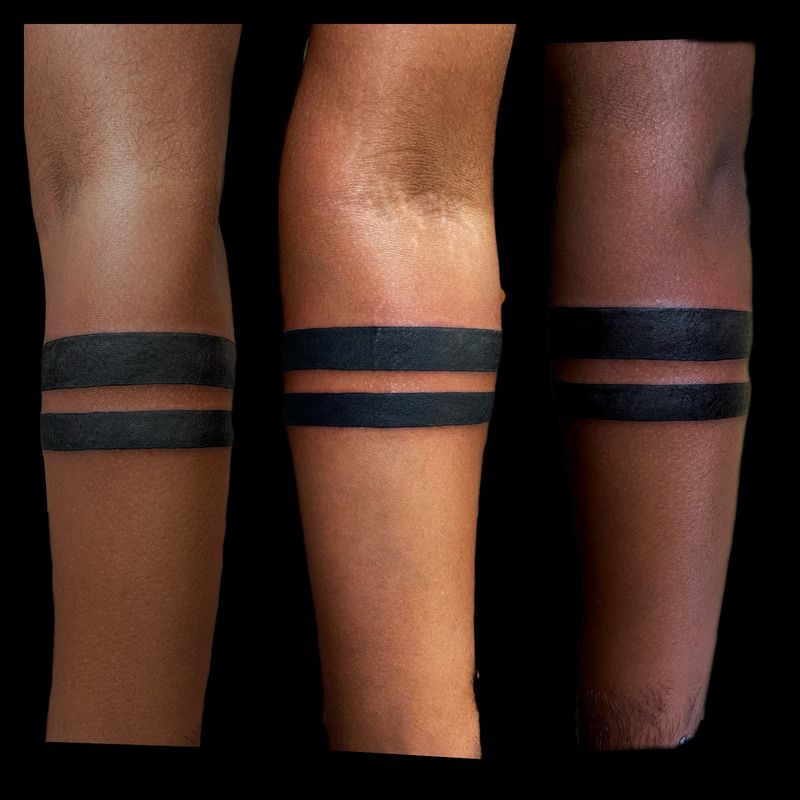
Cover-Up Tattoo Ideas
A cover-up is one of the most satisfying things a tattoo artist can do, but it lives or dies on smart design choices mad
Explore →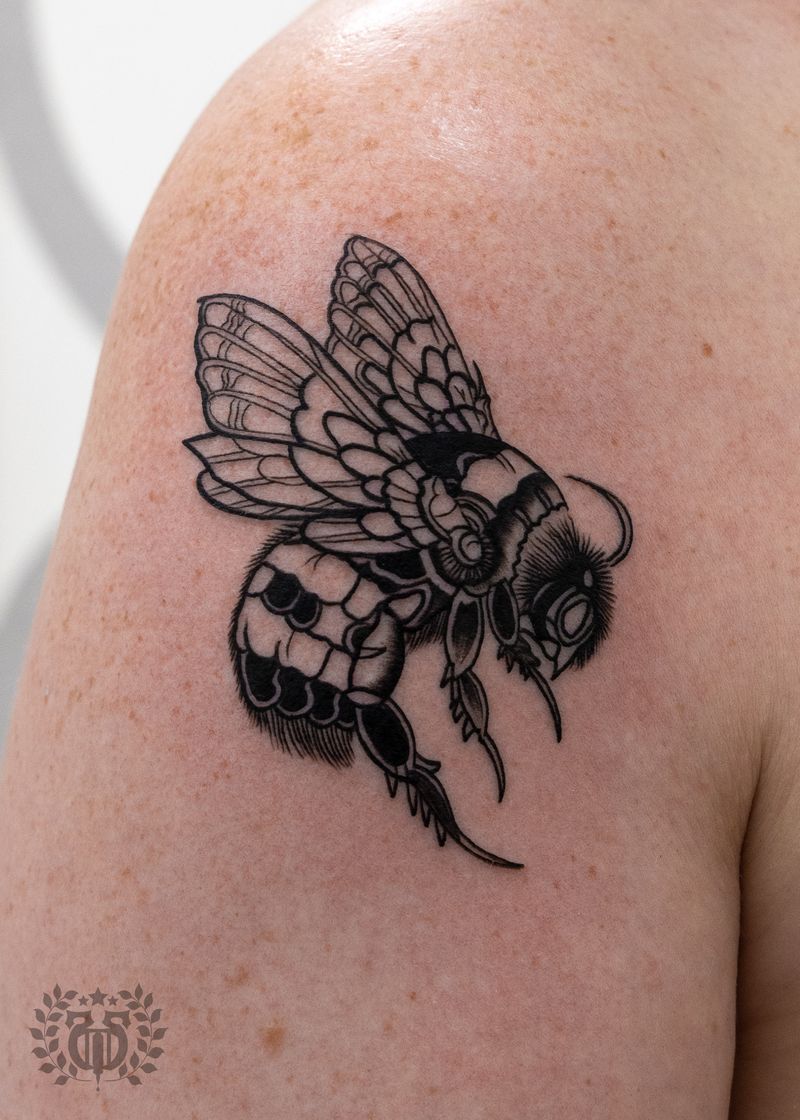
Family Tattoo Ideas
Family tattoos are the most-requested meaningful work we do, and the ones people regret least. The trick is making yours
Explore → Small Tattoo Ideas
What actually works at one to four inches: subject directions, best placements, minimum sizes, real LA costs and how a small piece ages.
Explore →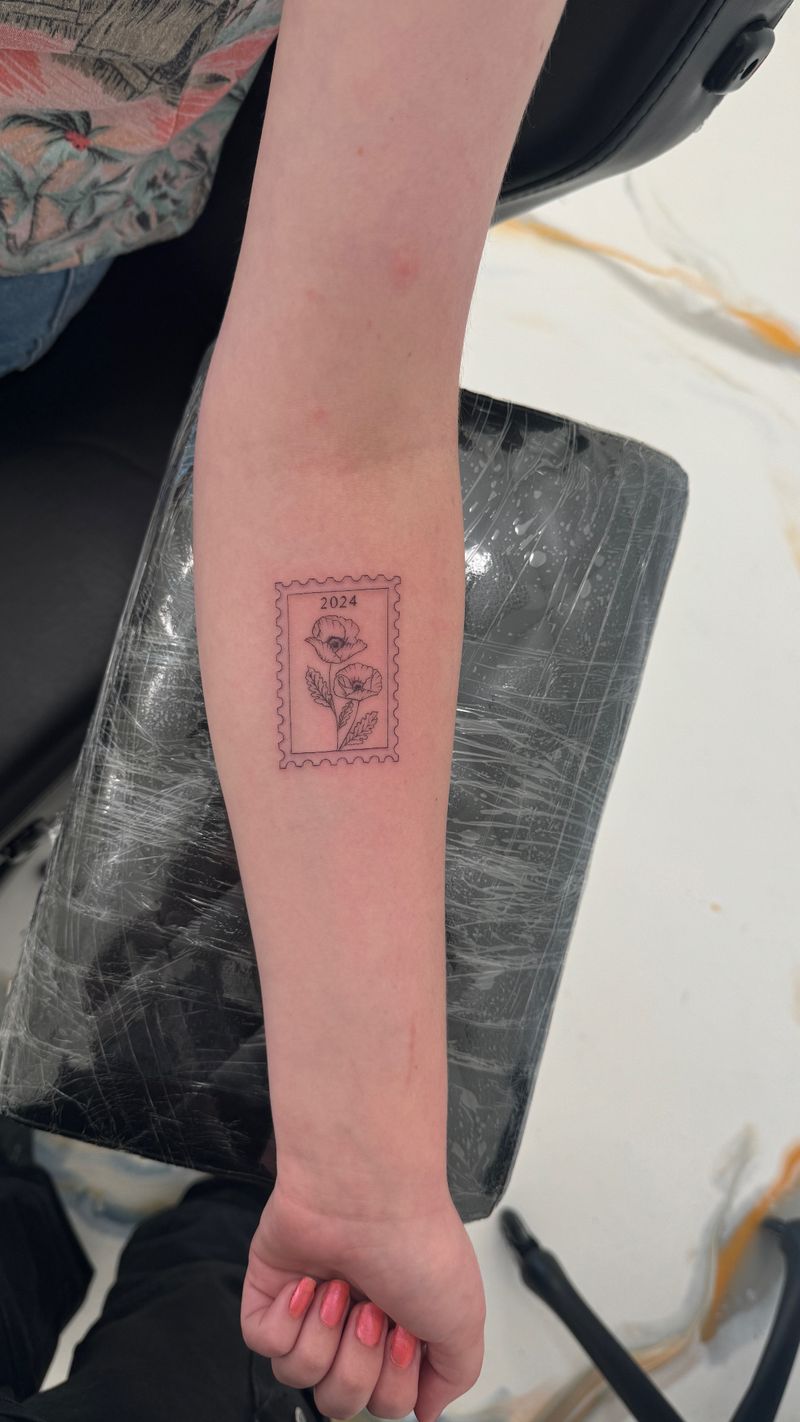
Finger Tattoo Ideas
Finger tattoos are one of the most requested placements at our Santa Monica studio, and one of the few where our first j
Explore → Wrist Tattoo Ideas
The wrist is one of the most requested placements in our Santa Monica studio, and one of the most misunderstood. It is a
Explore →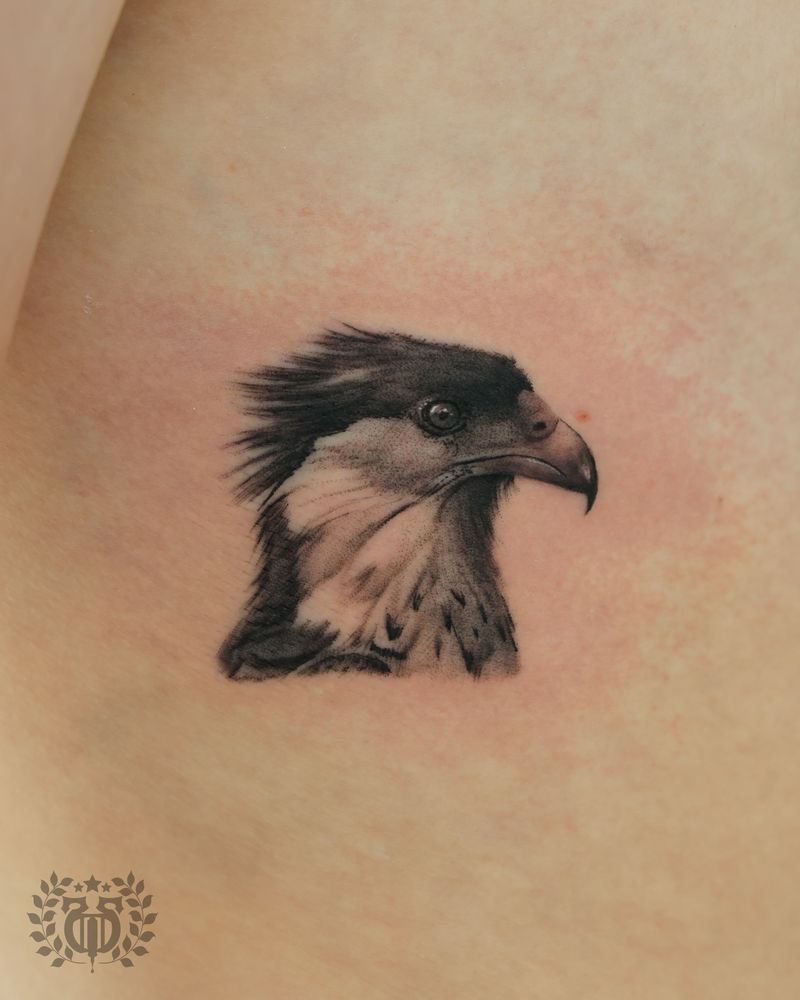
Forearm Tattoo Ideas
Ask any artist at our Main Street studio where they would put their own next piece and the forearm comes up more than an
Explore → Spine Tattoo Ideas
The spine is one of the most striking placements on the body and one of the least forgiving. That long vertical line dow
Explore → Ankle Tattoo Ideas
The ankle might be the most requested small-tattoo placement in our Santa Monica studio, and it is also one of the most
Explore → Behind-the-Ear Tattoo Ideas
Behind-the-ear tattoos are one of the most requested small placements at our Santa Monica studio, and one of the most mi
Explore → Hand Tattoo Ideas
The hand is one of the most requested placements we get and one of the least forgiving. Skin here is thin in some spots,
Explore → Neck Tattoo Ideas
The neck is one of the few places on the body where a tattoo has to work as a piece of design and as a public statement
Explore →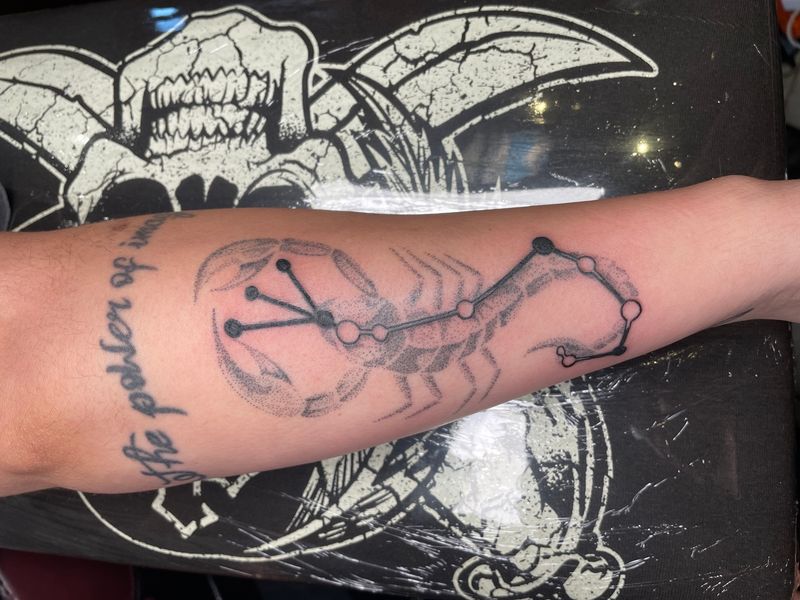
Sternum Tattoo Ideas
The sternum is one of the most flattering places on the body to wear a tattoo and one of the least forgiving to execute.
Explore → Thigh Tattoo Ideas
The thigh is quietly one of the best pieces of real estate on the human body for tattooing. It gives you scale without a
Explore →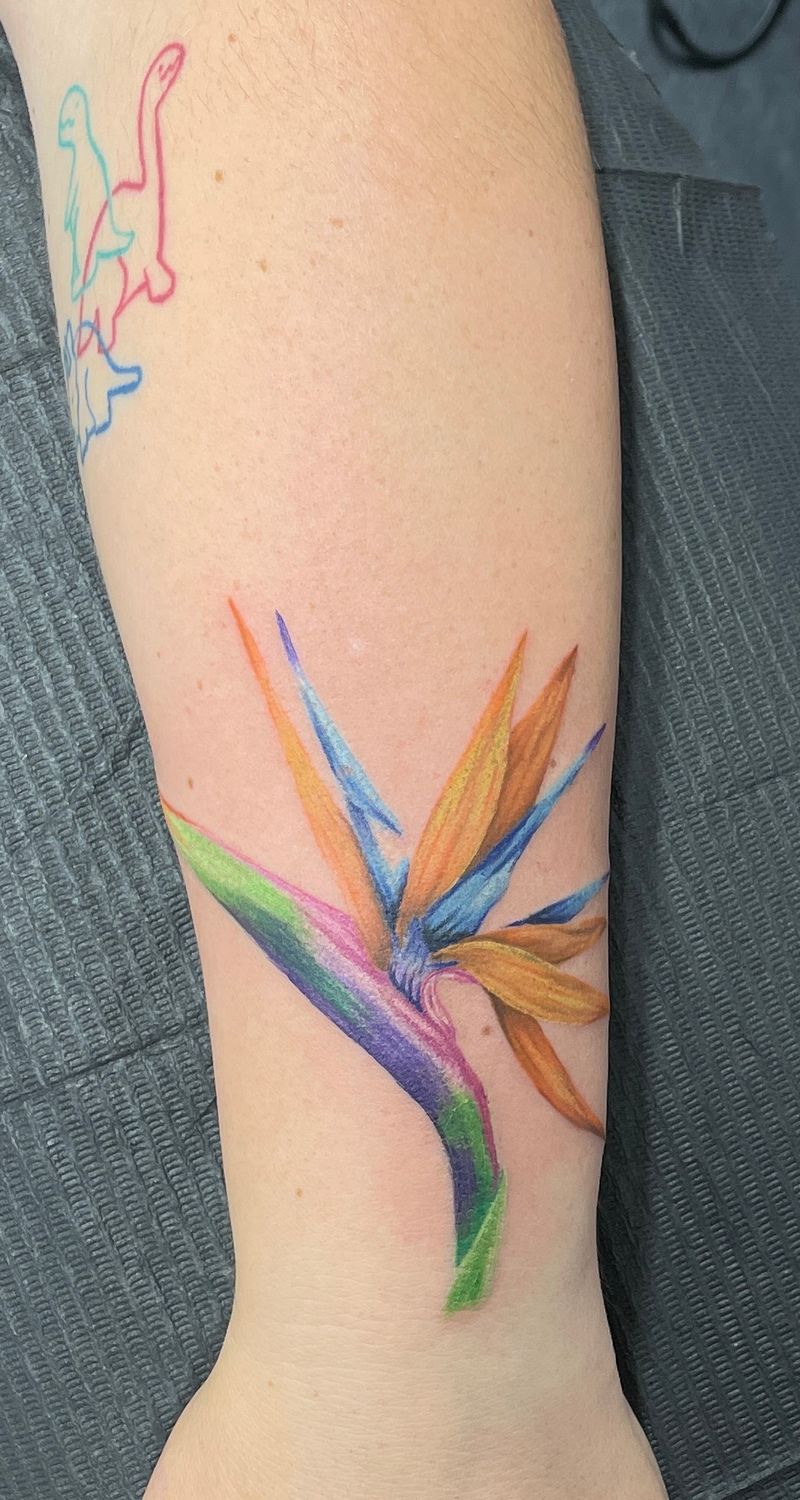
Shoulder Tattoo Ideas
The shoulder is one of the few places on the body that flatters almost every kind of design, which is exactly why so man
Explore → Collarbone Tattoo Ideas
The collarbone is one of the most flattering places on the body to wear a tattoo, but it is also one of the most misunde
Explore → Hip Tattoo Ideas
The hip is one of the most private, sculptural places on the body to get tattooed, and that makes it one of the most rew
Explore → Memorial Tattoo Ideas
A memorial tattoo is one of the most personal things you can carry, and there's no single right way to make one. Some pe
Explore → Sibling Tattoo Ideas
Sibling tattoos are one of the trickiest matching projects we take on, because a design has to hold together across two,
Explore →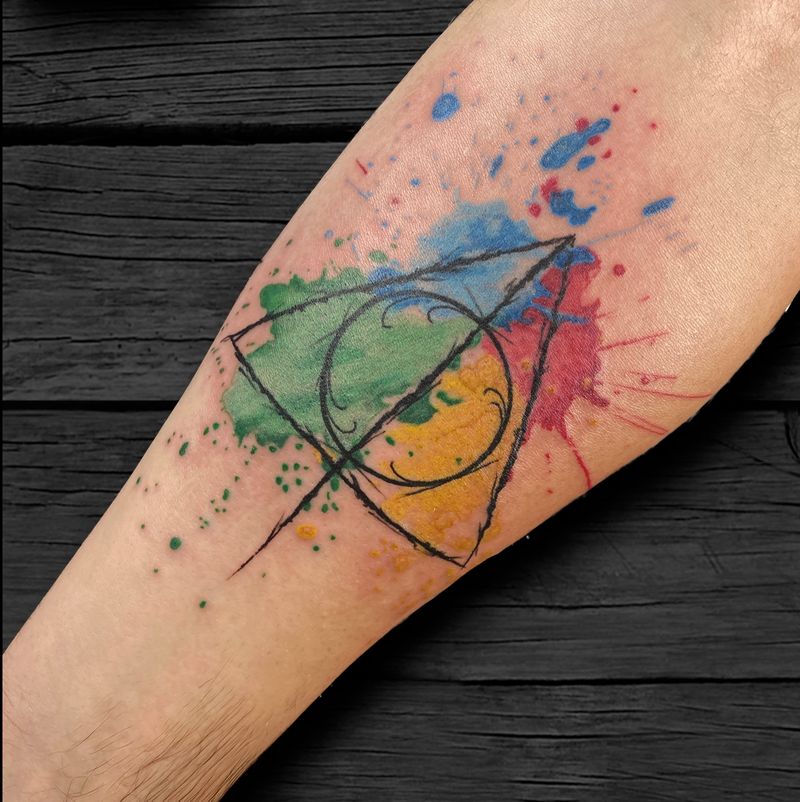
Mother-Daughter Tattoo Ideas
A mother-daughter tattoo is one of the most personal pieces two people can wear, and it asks a slightly different questi
Explore → First Tattoo Ideas
Most people walk into a first tattoo consultation with a saved image and no idea what it will look like in ten years…
Explore → Minimalist Tattoo Ideas
Minimalist tattoos look easy from the outside — a thin line, a small shape, a few words. What actually separates one…
Explore →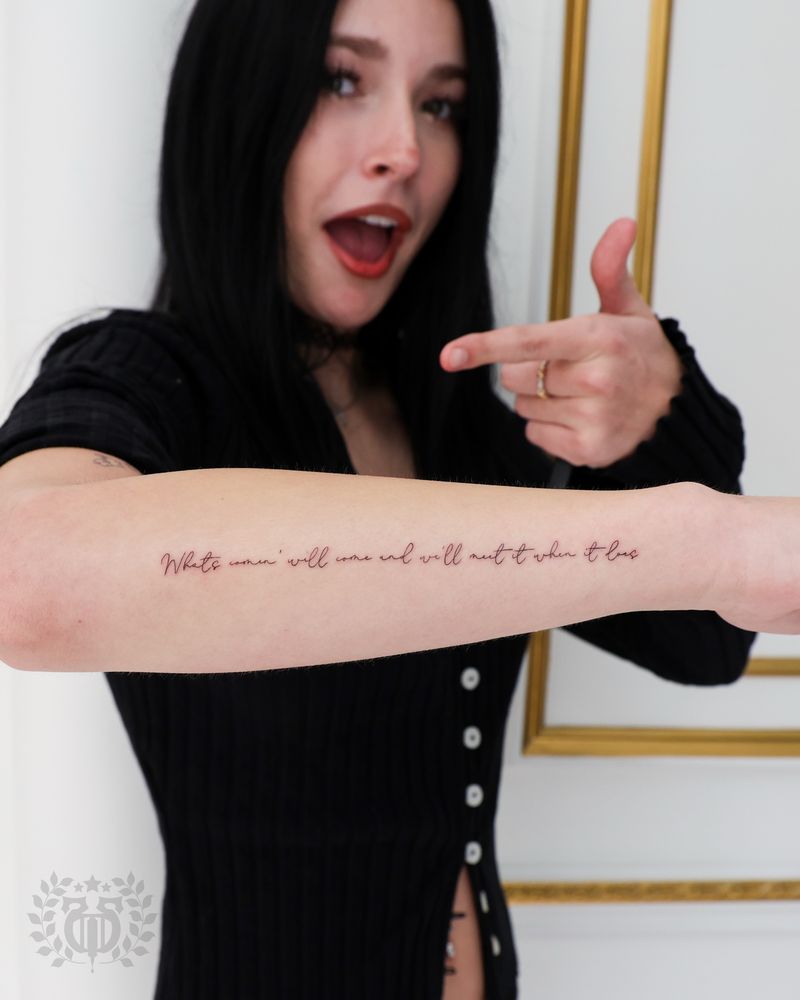
Name Tattoo Ideas
A name tattoo looks like the simplest thing in the shop, and it is the piece we redraw the most. Letters have nowhere…
Explore → Zodiac Tattoo Ideas
Zodiac tattoos are one of the most requested subjects we see, and also one of the most quietly misjudged. The design…
Explore → Birth Flower Tattoo Ideas
Birth flower tattoos have quietly overtaken birth-month numerals and zodiac glyphs as the most requested personal…
Explore → Fine-Line Tattoo Ideas
Fine-line work is the most requested style walking through our door on Main Street, and it's also the style most often…
Explore → Blackwork Tattoo Ideas
Blackwork is the most durable category of tattooing we do, and also the least forgiving of a rushed design. Solid…
Explore → Script & Lettering Tattoo Ideas
Lettering is the least forgiving thing we tattoo. A rose can lose a little detail over ten years and still read as a…
Explore → Rib Tattoo Ideas
The ribs are one of the most requested placements we tattoo and one of the least forgiving. The skin is thin, it moves…
Explore → Back Tattoo Ideas
The four zones of the back, the types of back tattoo, spine vs shoulder blade, full backpiece planning, cost, pain and aging.
Explore → Calf Tattoo Ideas
The calf is one of the most under-rated placements on the body: big enough for real artwork, easy to cover for work…
Explore → Chest Tattoo Ideas
The chest is one of the few large canvases on the body that looks flat in a mirror and behaves nothing like it once…
Explore → Bicep Tattoo Ideas
The bicep is one of the most forgiving places on the body to get tattooed, which is exactly why it gets treated…
Explore → Half Sleeve Tattoo Ideas
A half sleeve is the first tattoo most people commission rather than simply pick, and that changes everything about…
Explore →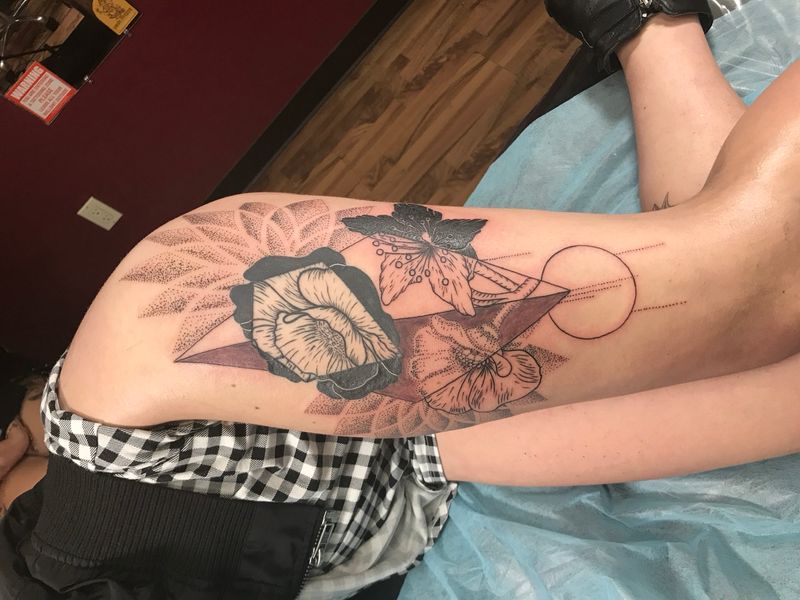
Geometric Tattoo Ideas
Geometric tattooing is the least forgiving work we do. A wobble in a portrait reads as texture, but a wobble in a…
Explore → Watercolor Tattoo Ideas
Watercolor is one of the most requested styles we see, and one of the most misunderstood. It is not a subject or a…
Explore →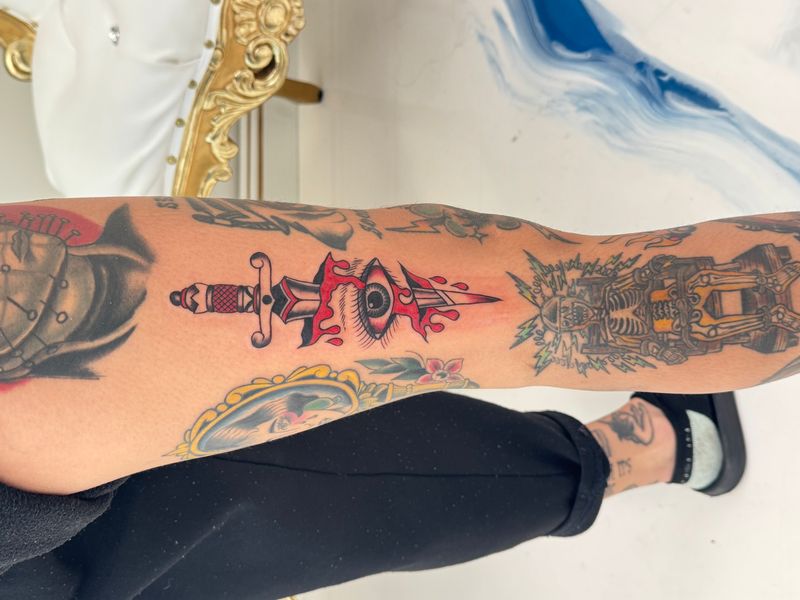
Traditional Tattoo Ideas
American traditional is the style that gets copied the most and understood the least. The bold outline, the tight…
Explore → Knee Tattoo Ideas
The knee is one of the few spots on the body where the design, the pain, and the healing are all decided by the same…
Explore → Sleeve Tattoo Ideas
How to plan a full or half sleeve: themes and subjects, the three arm panels, the elbow bottleneck, background systems, cost and timeline.
Explore → Sleeve Tattoos for Women
Composition, placement and style directions for a feminine-leaning sleeve, and how it fits the wider arm plan.
Explore → Elbow Tattoo Ideas
Skin over the elbow point folds like a paper bag when you bend your arm, then flattens to almost nothing when you…
Explore → Stomach Tattoo Ideas
The stomach is the only place we tattoo that changes size depending on what you had for lunch. That sounds like a joke…
Explore →