Kink and ink

Collar, rope, ritual. Twelve ways a tattoo carries what you don't say.

Walk in with a word, an image, a placement. Walk out with a piece that reads one way to the room and another to you.

A working-studio catalog on the overlap between tattoo culture and kink — shared vocabulary of consent, aftercare, negotiated pain, and ritual. Twelve design directions from ornamental discretion to classical reclamation, devotional-object imagery, and complementary play-partner pieces. Six styles, five placement styles, discretion protocols, eight compositional pairings, and the browsing framework that turns a weighted sentence into one design.

Companion featureSee queer tattoo history & identity
Santa Monica, CAOpen monday-sunday · 8:00 AM to 8:00 PM

The browsing framework

Five decisions narrow a weighted sentence to one design.

Clients walk into a kink-adjacent consult with a word, an image, a feeling. The job of a good consultation is to walk down five narrowing decisions in order, without letting you skip — and without demanding you narrate the meaning.

Ι

How visible should it be?

Piece meant for private reading lives on ribs, inner bicep, upper thigh. Piece meant for daily aesthetic reading lives on forearm or calf. Placement is half the decision. Walk through your week with the artist — what you wear, who sees what — before committing to location.

ΙΙ

Coded or explicit?

Ornamental dual-reading work — blackwork bands, lace-referenced filigree, corset-stay lines — looks decorative to anyone outside the relationship. Explicit reclamation — triskelion, leather-flag bands, bear paw — declares the style openly. Both are valid. Pick which one the tattoo is for.

ΙΙΙ

Classical lineage or contemporary style?

Classical reclamation (Saint Sebastian, Prometheus, Judith, Medusa) trades in art-historical literacy. Contemporary ornamental (blackwork, fine-line, geometric) trades in aesthetic. Different source material, different rendering depth. Pick the lineage before you pick the artist.

ΙV

Discretion requirements?

Some clients need the consult off the main calendar, the piece off the portfolio, the notes off the CRM. Others don't care. Ask the studio about their discretion policy before the first session, not after. A good shop will have answers ready.

V

What scale can you commit?

A Latin-inscription inner-wrist piece is 45 minutes. A corset-stay blackwork panel is four to six hours. A rib-scale Saint Sebastian is three sessions over two months. Know your ceiling in time and sitting before you fall in love with a design that lives above it.

The right studio won't make you say every sentence. They'll just do the work.
— The Apollo Tattoo Studio
A tattoo is a body deciding to undergo something, and another person present to steward it, to read it, to hold the edges.
— The Apollo Tattoo Studio
Competence here looks like neutrality — the same neutrality a good artist brings to a memorial piece or a religious piece.
— The Apollo Tattoo Studio

12 design directions

The working catalog for coded and reclamation work.

Ornamental discretion, classical reclamation, devotional objects, explicit pride, script, play-partner pairs, corset-stay blackwork, negative-space collars, rope-work spirals, hanky-code motifs, mythological binding, and lock-and-key pairs. Twelve directions that carry most of the genre.

Ornamental discretion

Blackwork patterning that reads pure aesthetic

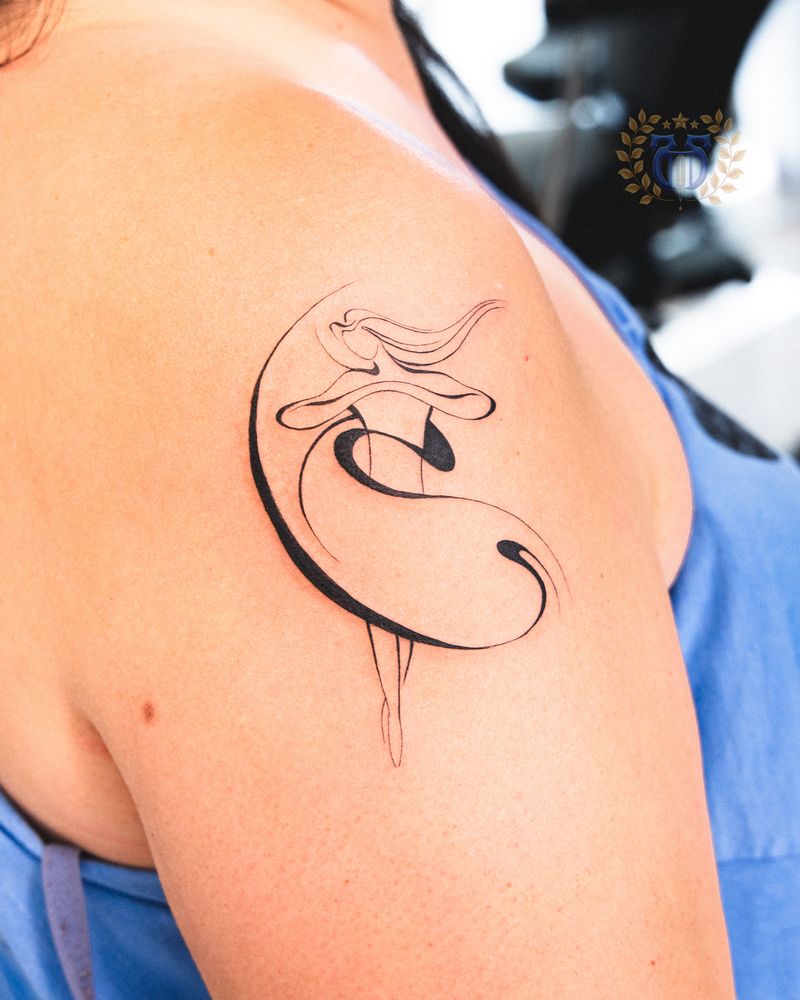
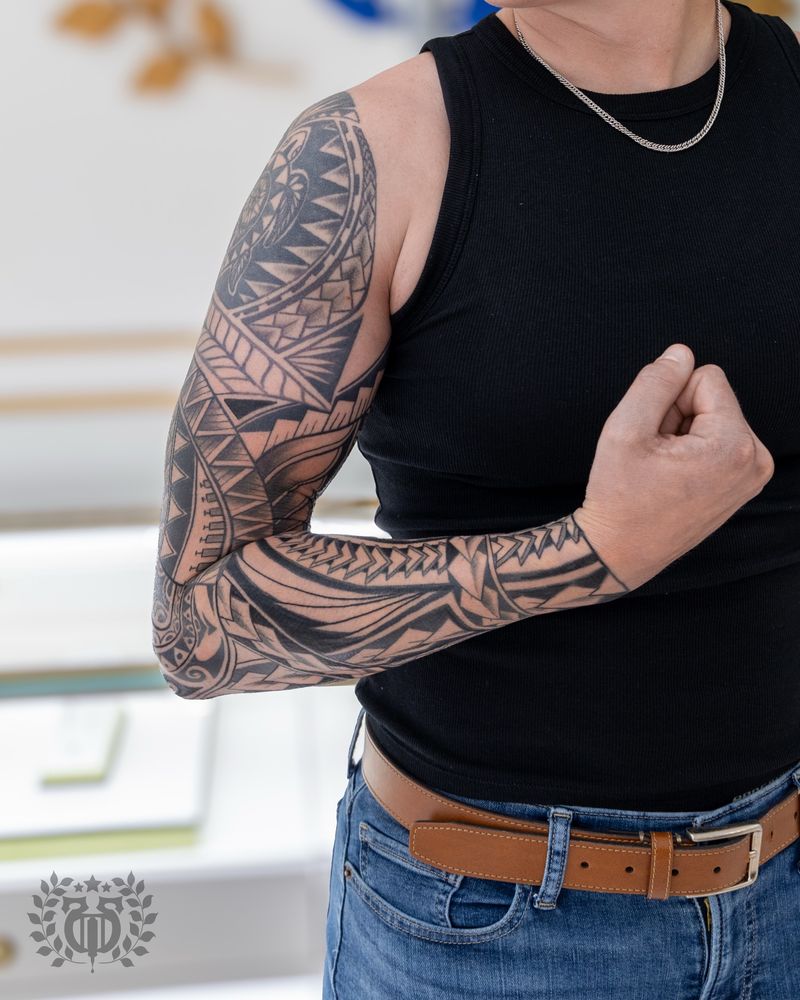
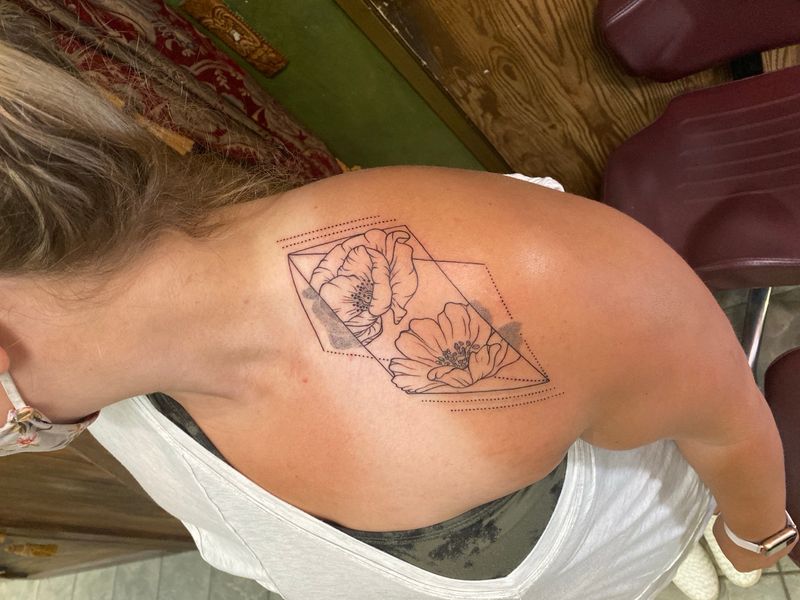
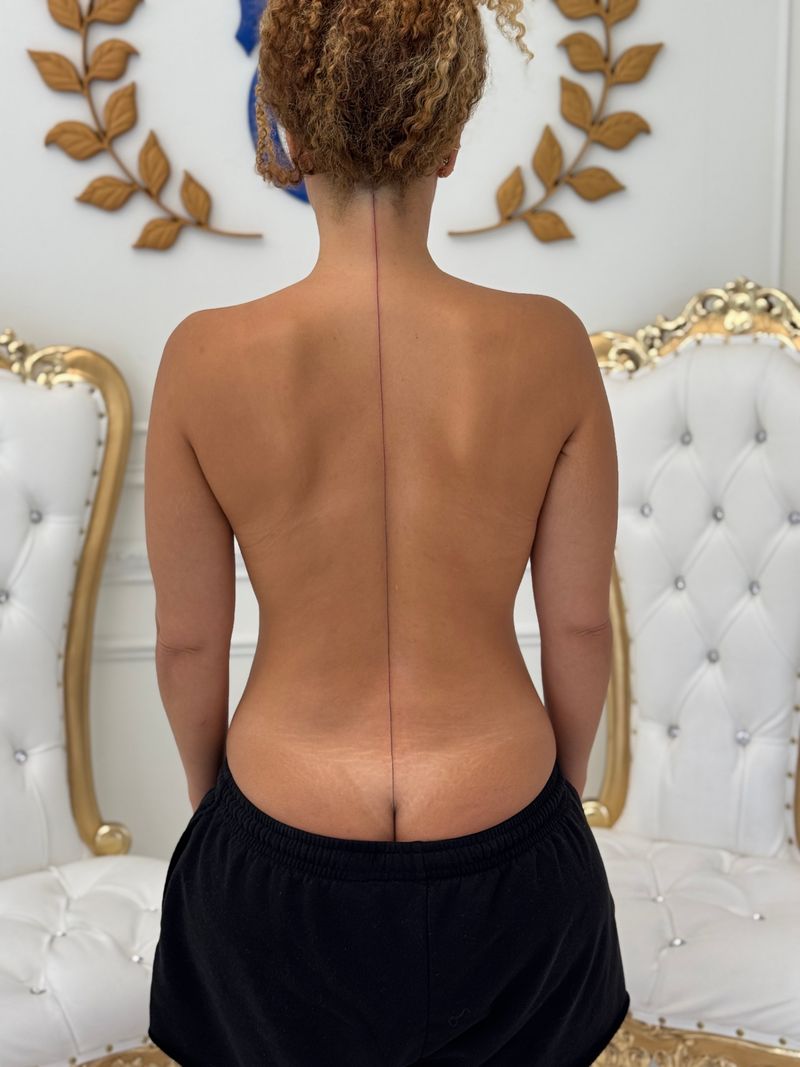
The most requested approach. Mandala-adjacent radial work, lace-inspired scrollwork, Victorian corset-stay tracing, filigree panels — rendered at a level that reads as decoration to anyone outside the relationship. The piece is beautiful on its own merits; the meaning is held between one or two people. A sternum plate that references a corset silhouette. A delicate band traced down the spine that echoes rope lines. A collarbone curve that maps where a chosen hand has rested.

Scale. 4 – 8 inches

Placements. Sternum · upper back · inner-thigh band · wrist

Classical reclamation

Saint Sebastian, Medusa, Judith, Prometheus

Images the canon already carries; the client is claiming the reading the canon has been quiet about. Saint Sebastian coded queer and coded kink for four centuries. Prometheus bound. Ganymede, Leda, Medusa. Rendering is usually fine-line single-needle or illustrative realism — the depth of the source material asks for a depth of line. The work trades in art-historical literacy rather than explicit signaling.

Scale. 5 – 10 inches

Placements. Ribs · thigh · upper back · chest panel

Explicit reclamation

Triskelion, leather flag, bear paw

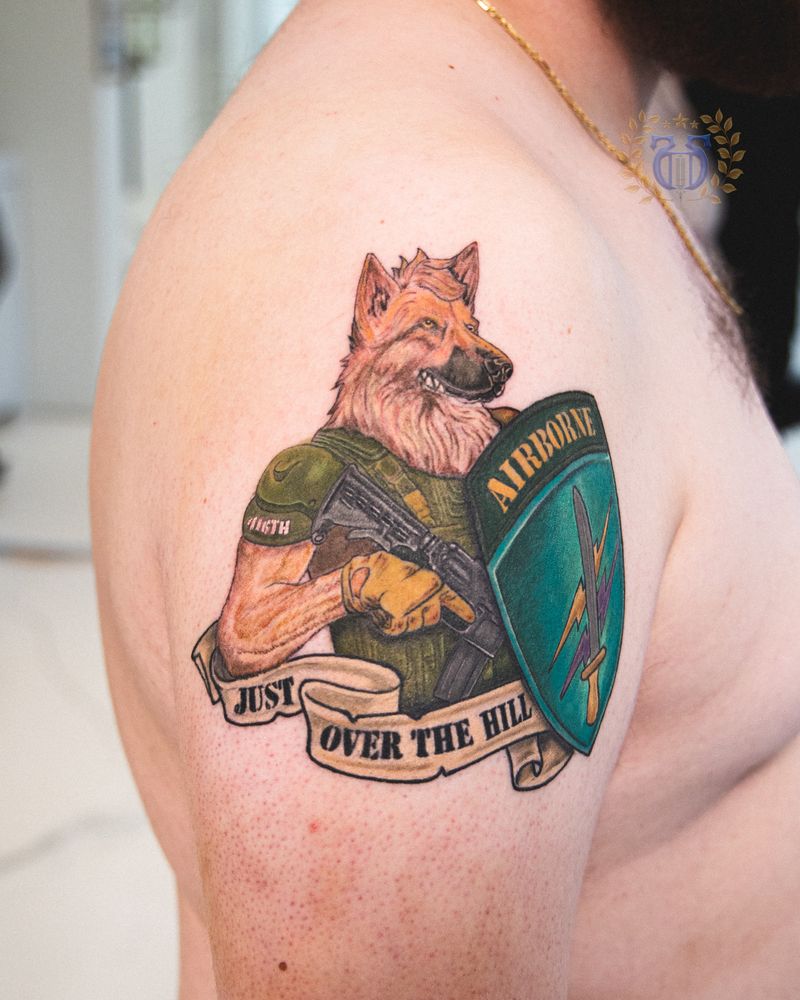
The direct vocabulary. Leather pride flag bands as small ornamental stripes. The BDSM triskelion — the three-part spiral — at glyph scale. Bear paw. Lambda. Pink triangle reclaimed from its coercive historical use. Traditional and neo-traditional are the natural styles; that is where these motifs historically lived in tattoo shops. Worn publicly, by choice, by clients who have done the internal work of deciding the tattoo is part of how they show up.

Scale. 1.5 – 3 inches

Placements. Inner forearm · upper arm · calf · shoulder

Devotional objects

Rope, cuff, collar, lock, key

The tattoo as object rendered in the shop's traditional visual language. An Old English-lettered band circling the neck that carries a chosen name or a word only two people understand. A rope spiral that wraps a bicep once, tied at the inside of the elbow. A lock-and-key set across a sternum, with the key worn by a partner as a physical counterpart. To outsiders these read as classic tattoo subject matter. To the wearer and their people they read as what they are.

Scale. 3 – 6 inches

Placements. Inner bicep · sternum · wrist · upper arm

Script and language

Chosen names, safewords, Latin cipher

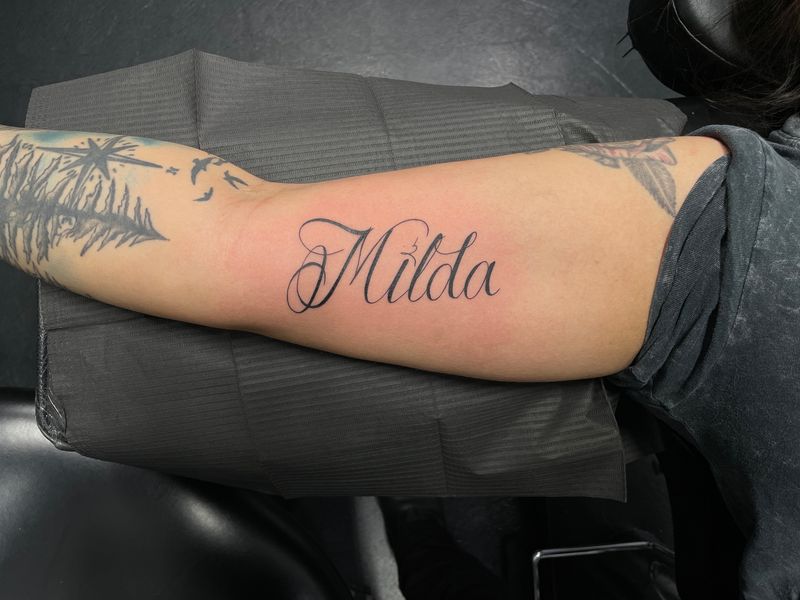
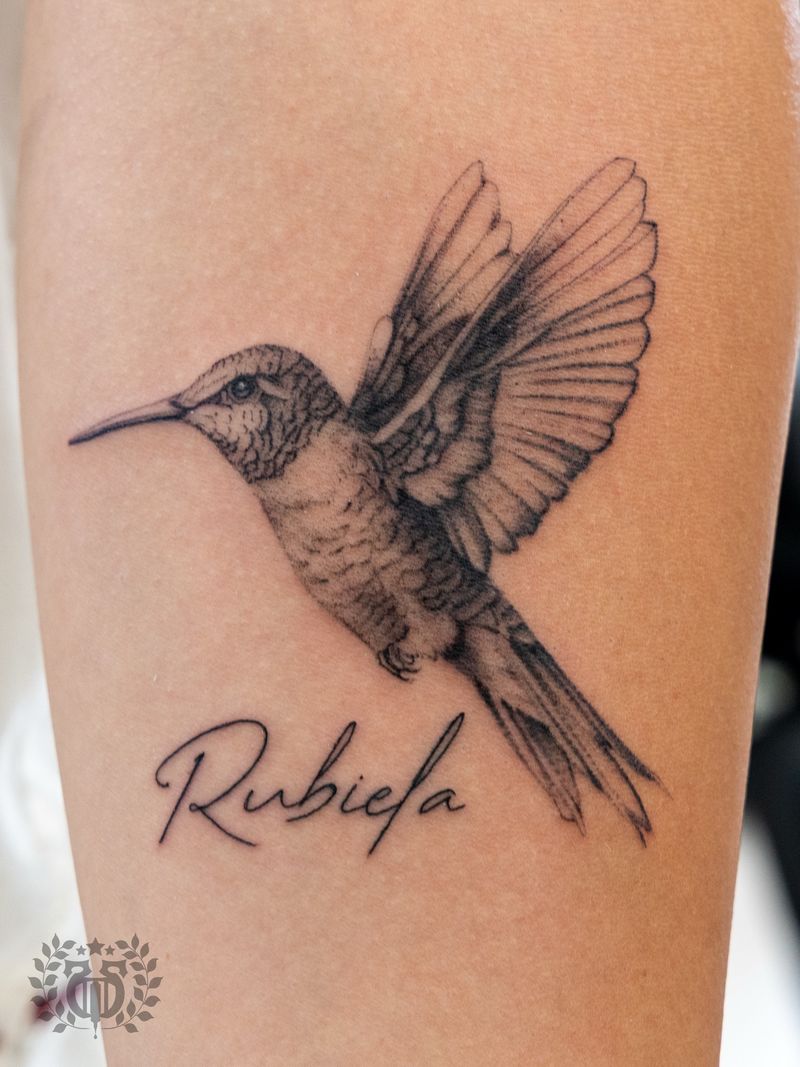
Chosen names. Safewords rendered as Roman numeral ciphers. Latin, French, or Japanese phrases that carry the weight without announcing it. Dates in Roman numerals that belong to a private anniversary. Fine-line lettering is the dominant style, often very small, on inner forearm, inner wrist, nape, sternum. A dedicated letterer is worth the travel and the wait.

Scale. 1 – 3 inches

Placements. Inner forearm · inner wrist · nape · sternum

Play-partner tattoos

Complementary pieces for formal relationships

The kink-community counterpart to couples tattoos, usually more formally structured. Matching or complementary pieces for partners, Dominant-submissive pairs, triads, chosen families. Complementary rather than identical is the norm — a piece on one partner that completes, echoes, or answers a piece on the other. The formality is earned: relationships with explicit structure produce design briefs with explicit structure.

Scale. 2 – 8 inches

Placements. Paired wrists · opposite biceps · companion back pieces

Corset-stay blackwork

Architectural pattern referencing constraint

Vertical panel blackwork referencing Victorian corset stays — long thin parallel lines with ornamental rosettes at intervals. Reads as architectural decoration; carries direct reference to the history of ornamental body constraint as aesthetic. One of the most common long-form pieces for clients in long-term D/s relationships.

Scale. 8 – 14 inches

Placements. Sternum · upper back · spine panel · ribcage

Negative-space collar

The band that reads as lace

A neckline band rendered in negative space — the band reads as a lace pattern rather than a solid line. Sits above the standard blouse collar at work, reveals its deliberate structure only under scrutiny. The most requested placement for collared partners who work client-facing jobs.

Scale. 2 – 3 inches wide

Placements. Neckline · collarbone · upper back

Rope-work spiral

Binding rendered as ornament

A fine-line or blackwork rope wrapping a limb once or twice, tied off at the inside of the elbow or ankle. References shibari and Western binding traditions without literal depiction. Reads as ornament to most viewers. The knot detail is where the piece either lands or doesn't — book an artist who has done this before.

Scale. 4 – 10 inches

Placements. Bicep · forearm · thigh · ankle

Hanky-code ornamental

Semaphore rendered as pocket-square motif

The leather-era hanky code, rendered as folded-pocket-square ornamental motifs. A small pocket with a specific color hanky showing, stylized rather than literal. Reads as decorative tailoring reference to most; reads as specific signal to those who know the code. Historically queer-leather subculture; contemporary clients claim it as aesthetic and lineage.

Scale. 2 – 3 inches

Placements. Chest pocket placement · inner bicep · upper back

Mythological binding

Prometheus, Andromeda, bound figures

Scenes from classical mythology that already contain the imagery — Prometheus on the rock, Andromeda chained to the cliff, Saint Sebastian at the tree. Illustrative realism or fine-line. Large-format. The client is not inventing subject matter; they are claiming it from a canon that was already there.

Scale. 6 – 12 inches

Placements. Thigh · upper back · ribs · chest panel

Lock and key pair

Complementary pieces across two bodies

One partner carries the lock; the other carries the key. Often paired with a physical key worn on a necklace so the tattoo has a worn counterpart. Traditional or neo-traditional. Sits cleanly as a classical tattoo subject while carrying explicit meaning between the two wearers. The most common play-partner pairing at Apollo after matching glyphs.

Scale. 2.5 – 4 inches each

Placements. Sternum · inner bicep · inner forearm · wrist

Six styles

Pick the style before you pick the artist.

Six styles cover almost everything this genre asks for. Fine-line for discretion and script, blackwork for ornamental, traditional for explicit pride, illustrative realism for classical reclamation, dedicated lettering for script, and Japanese-modern geometric for pattern-first work.

Fine-line / single-needle

Dominant for discretion and script

Delicate, readable at close range, functionally invisible from across a room. The technical choice for script, classical reclamation at smaller scale, and coded work where legibility is a privilege reserved for a specific reader. Requires an artist who specializes — the line quality cannot be faked with a larger needle grouping at reduced voltage.

Best for. Script · Latin phrases · small reclamation glyphs · discreet coded work

Placements. Inner wrist · inner forearm · nape · sternum · ribs

Scale. 1 – 5 inches

Blackwork ornamental

Corset stays, lace, Victorian mourning

Carries coded devotional work and reclamation bands. This is the language of corset stays, Victorian mourning jewelry, and pattern-as-architecture. It suggests binding and constraint without depicting them literally. Holds saturation longer than any other ink. Ages beautifully on stable skin.

Best for. Ornamental bands · corset-stay panels · negative-space collars · architectural work

Placements. Sternum · upper back · spine · thigh bands

Scale. 4 – 14 inches

Traditional / neo-traditional

Home of explicit pride and flash-lineage work

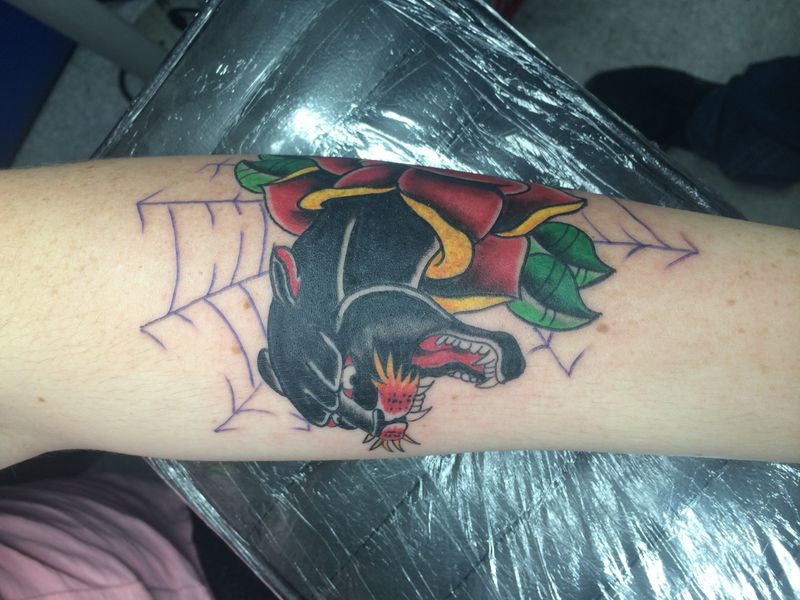
Natural home of explicit pride, leather-flag color work, and triskelion pieces. The shop language these motifs were first drawn in. Bold lines and saturated color carry the declarative intent. Ages better than any other style ever codified — the thick outline holds as color drifts.

Best for. Leather flag · triskelion · bear paw · lock-and-key pairs · banners

Placements. Forearm · bicep · calf · chest

Scale. 2 – 8 inches

Illustrative realism

Depth of source, depth of rendering

Carries classical reclamation — Saint Sebastian, Medusa, portraiture of meaningful figures — where depth of source material requires depth of rendering. Session-intensive, multi-visit for larger pieces. The style to book when the piece needs to earn its art-historical reference.

Best for. Classical reclamation · mythological figures · portrait reference pieces

Placements. Ribs · thigh · upper back · chest

Scale. 5 – 12 inches

Lettering specialist

Dedicated script craft

Distinct craft from general tattooing. A dedicated letterer produces script that sits on skin like carved marble. The gap between a letterer and a generalist attempting script is visible across the room. For Latin phrases, Old English collars, Roman numeral ciphers — book the specialist. Travel and wait.

Best for. Latin inscriptions · Old English collars · safeword ciphers · name bands

Placements. Inner forearm · inner wrist · nape · collarbone

Scale. 1 – 4 inches

Japanese-modern / geometric

Pattern-first ornamental

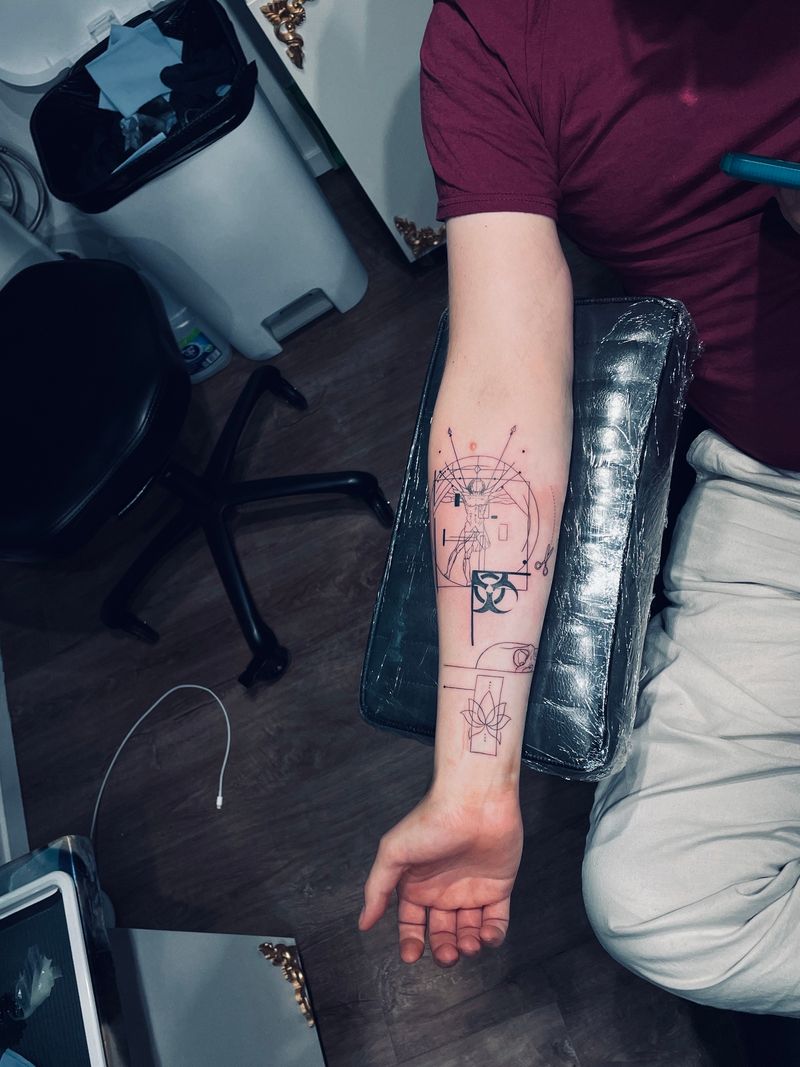
Geometric ornamental panels drawing from Japanese and Islamic tile traditions. Reads as pure pattern — meaning lives in placement and proportion rather than literal subject matter. Strong for clients who want the piece to carry weight through composition rather than through an image a stranger could name.

Best for. Pattern panels · coded ornamental · large-format discreet pieces

Placements. Sternum · thigh · upper back · ribs

Scale. 6 – 14 inches

Scale honesty

Four tiers. Your scale sets your style.

Not the other way around. If you want detail, commit to the scale that holds it.

Size What to know
Under 2 inches Glyphs, small script, Roman-numeral dates, triskelion, lambda, bear paw. The ceiling for discreet reclamation work meant to read as pure ornament to most viewers. Plan a single 45-minute session.
2 – 5 inches The universal sweet spot for lock-and-key pairs, Latin inscriptions, pocket-square hanky motifs, small devotional objects. Every style works here. Plan a single 1.5–3 hour session.
5 – 10 inches Where classical reclamation, rope-work spirals, and mid-scale ornamental earn their keep. Below 5 inches, Saint Sebastian-style pieces compress and lose composition. Plan two sessions.
10 inches and up Corset-stay panels, spine blackwork, full mythological scenes, companion back pieces. Planned from the first consultation as composition, not sizing. Four to six sessions over two to four months.

Eight compositional pairings

One element is a sentence. Two is a compound sentence.

The pairing changes the meaning more than size or color does. Eight compositions, each landing the piece in a different category.

Lock + key across two bodies

One partner carries the lock; the other carries the key. Traditional or neo-traditional, matched stencil, same artist, same day. The most requested play-partner pairing after matching glyphs.

Saint Sebastian + Latin inscription

The arrow-bound martyr on the ribs with a small Latin phrase near the heart. Illustrative realism for the figure, fine-line lettering for the text. Art-historical reclamation with quiet personal notation.

Ornamental band + chosen name

A lace-referenced blackwork band around the wrist or neckline with a chosen name rendered as a cipher underneath. Two styles — ornamental and script — in conversation. See our ornamental style guide.

Triskelion + date

The BDSM triskelion with a Roman-numeral anniversary date. Traditional bold-line for the glyph, fine-line for the numerals. Declarative plus private notation in one piece.

Rope spiral + knot detail

A rope wrapping a bicep with the knot rendered at the inside of the elbow. Fine-line or blackwork. Reads as ornament to most viewers; carries explicit reference to shibari and Western binding traditions.

Corset panel + sternum rosette

Vertical blackwork corset-stay panel down the sternum with a central rosette at the manubrium. Architectural composition; one of the largest-scale long-form pieces on the catalog.

Leather flag + bear paw

A small leather pride flag band with a bear paw glyph nearby. Neo-traditional color. Two distinct community identifiers carried as one compound piece.

Matching safeword ciphers

Both partners carry the same safeword rendered as a Latin-numeral cipher, identical placement, back-to-back sessions. See our couples tattoo guide for scheduling and design notes.

Consultation

Six questions to bring with you.

Walk into the consult with these answered and you save yourself an hour and a bad first draft.

Can I tell you what this means without explaining everything?

A studio worth your trust treats the meaning of your tattoo the same way a good tailor treats the reason you're buying a suit. You can say as much or as little as you want. What the artist actually needs is visual references, placement, scale, and a sense of what the piece should feel like.

Can we design this with dual reading?

Can the piece read one way to most people and another to the people who know? Ornamental, blackwork, and fine-line styles are especially good at carrying double readings. A good artist will work with you on what the piece should signal outward versus inward.

Have you done this kind of work before?

The answer matters. Artists have individual limits, aesthetics, and experience. An artist exceptional at neo-traditional may not be the right fit for fine-line ornamental script. Ask the studio who on their roster is the right match, and trust the referral.

Can we keep this off your portfolio?

Most serious studios will. Portfolio inclusion should be opt-in per piece, not automatic. If an artist pushes back on this or seems to treat portfolio rights as implied by the booking, that is useful information about whether they're the right artist for a weighted piece.

What's the discretion policy for consult notes?

Private consultations off the main calendar. Reference images on a piece-specific folder rather than a studio-wide library. Consult notes kept by the artist in a paper notebook or encrypted personal file, not in a shared CRM. Ask before the first consult, not after.

What scale can you commit?

A Latin inner-wrist piece is under an hour. An ornamental wrist band is two to three hours. A corset-stay sternum panel is four sessions. A rib-scale Saint Sebastian is three sessions over two months. Pricing is discussed at consultation — we quote on the sketch, not the idea.

The meaning has been with you for months or years. The design doesn't need to be finalized in a week.
— The Apollo Tattoo Studio
Bring images, not descriptions. You can say "this feeling" and point at a Mantegna painting.
— The Apollo Tattoo Studio
Placement is half the decision. Walk through your week with the artist before committing.
— The Apollo Tattoo Studio

Common mistakes

Eight execution patterns to watch for.

Most disappointing weighted pieces fall into one of these eight categories. Catching them in the consult prevents them in the chair.

Over-explaining at the consult

You don't need to narrate the meaning to justify the request. A good artist is working from images, placement, and style — not backstory. Over-explaining often makes clients uncomfortable and doesn't improve the design. Bring references, answer the artist's questions directly, let the piece speak when it's done.

Not checking portfolio ethics first

Before the consult, look at the studio's site and social. Do they post every piece? Do they mention consent-based portfolio use anywhere? A studio that posts everything without apparent opt-in is a studio where your piece will likely be posted too. Easy to check, easier to ask about up front.

Assuming every artist is equally comfortable

Artists have individual limits, aesthetics, and experience. An artist exceptional at neo-traditional may not be the right fit for fine-line ornamental script, and an artist may decline subject matter outside their comfort. This isn't personal. Ask the studio who on their roster is the right match.

Placement that doesn't match the privacy

A piece meant for private reading should not live on the forearm; a piece meant for everyday aesthetic reading should not live on the ribs. Placement is half the decision. Walk through your week with the artist before committing to location.

Rushing because meaning feels urgent

The meaning has been with you for months or years; the design doesn't need to be finalized in a week. Fine-line and ornamental work especially reward iteration. Budget two to four weeks between consult and session for weighted pieces, and use the time.

Ignoring aftercare as integration

Physical aftercare matters and so does the integration period — the first shower, the first reveal, the first public wear. Ask your artist about a check-in at three weeks. If they don't offer one, ask anyway. Weighted pieces reward that second conversation.

Booking without a discretion conversation

If the piece requires the consult off the calendar, the reference off the shared drive, the camera bay redirected — those are requests to negotiate before booking, not after the fact. A mature studio will have practices in place. Ask plainly.

Taking the first-available slot

Weighted work rewards the right artist, not this week's opening. A studio's best letterer or best ornamental specialist is often booked six to eight weeks out. Wait for the portfolio match. The piece will be on you for decades; a three-week calendar gap costs nothing.

Personalization

Three layers turn a stock weighted piece into yours.

A coded piece becomes yours in three distinct layers. Most clients only think about the first. The last is where the tattoo actually lives.

Ι

The base piece

Style, size, placement, style. These are the bones — they determine whether the tattoo reads as ornamental decoration, explicit reclamation, devotional object, or art-historical reference. Most clients start and stop here, which is why some weighted pieces end up looking like every other weighted piece in the genre.

ΙΙ

The personal element

The specific Latin phrase. The specific knot. The chosen name cipher. The specific pattern pulled from a grandmother's lace collar. This layer is where the piece starts separating from the category. Most of the meaning lives here, rendered as design detail rather than explanation.

ΙΙΙ

The private meaning

What the piece marks for you and the one or two people who share it. Nobody else needs to know. Private meaning is what keeps the work from ever feeling generic — because even when strangers see decoration, you know what's underneath. That's enough. That's often the whole point.

Play-partner and matching pieces

Formal relationships produce formal design briefs.

Complementary beats identical. Match the motif, vary the detail. Plan for the piece to outlive the relationship that inspired it.

Complementary beats identical

Complementary pieces are often stronger than matching ones because they let each person's piece fit their own body and style while sharing a visual vocabulary. A shared motif tied across two pieces rather than a literal duplicate.

Relationship structure shapes design

Formal D/s relationships often produce explicit design briefs — roles named in the piece, counterpart objects worn physically by one partner. Less formal relationships produce shared motifs without hierarchy. Either is valid. The design reflects the relationship, not the other way around.

Plan for the piece to outlive the relationship

If a breakup or estrangement would destroy the piece, redesign it now so it works as a solo piece too. Not cynicism — the same respect you'd pay any other permanent decision. The weighted piece deserves a composition that survives.

Same artist, same day, same stencil

The only way matching or complementary pieces actually match is if the execution is identical. Booking the same design with two different artists, two months apart, is not a matching tattoo — it's two tattoos that look approximately similar.

16 topic guides

Sixteen working-studio briefings on specific kink-tattoo subjects.

Each linked page is reconciled against six independent research lenses — primary editorial, medical/safety, cultural/historical, industry practice, red-team review, and citations. Pick the topic that matches the piece you're considering.

FAQ

The questions every weighted-piece consultation surfaces.

Ten questions covering disclosure, dual reading, portfolio ethics, private consults, complementary work, coded-style selection, non-graphic briefing, community-adjacent context, declined work, and aftercare as integration.

Do I need to explain my lifestyle to book this kind of piece?

No. A studio worth your trust treats the meaning of your tattoo the same way a good tailor treats the reason you're buying a suit — their job is the garment, not the occasion. You can say as much or as little as you want. What the artist actually needs is visual references, placement, scale, and a sense of what the piece should feel like. The story behind it is yours to keep or share.

Can the design read one way in public and another to me?

Yes, and this is one of the oldest functions of symbolic tattooing. Ornamental, blackwork, and fine-line styles are especially good at carrying double readings — a band that reads decorative to a colleague can carry specific meaning to the wearer and their partner. A good artist will work with you on what the piece should signal outward versus inward, and will design accordingly without ever needing the signal spelled out in plain language.

Can the artist keep the piece off social media and portfolio?

Yes. At a studio running modern ethics, portfolio inclusion is opt-in per piece, not automatic. You should be asked at consultation whether images can be used, and a quiet no should be the accepted default when the topic is sensitive. If an artist pushes back on this or seems to treat portfolio rights as implied by the booking, that is useful information about whether they're the right artist for a weighted piece.

Do I book a private consultation or is the standard one fine?

For pieces carrying this kind of weight, ask for a private consultation — off the main floor, after hours if possible, or in a closed consult room. The standard fifteen-minute walk-through at the front desk is designed for quick decisions on flash and simple custom work. A private consult is longer, quieter, run by the artist personally. Most studios will offer this if you ask.

What if my partner and I want complementary pieces, not identical?

Complementary pieces are often stronger than matching ones because they let each person's piece fit their own body and style while sharing a visual vocabulary. Bring references together to the consult if comfortable, or separately if not. The artist can design a shared motif — a repeated element, a mirrored line, a shared palette — that ties the two pieces without making them copies.

Is there a style you recommend for discreet coded work?

Ornamental blackwork, fine-line script, and negative-space linework carry coded readings well because they're visually legible as decoration first. Watercolor and neo-traditional tend to draw questions because their imagery is louder. If the piece needs to pass a workplace glance without comment, lean toward ornamental or fine-line; if the piece is for private viewing only and placement is already discreet, the style opens up considerably.

How do I describe what I want without getting graphic?

Bring images, not descriptions. Art-historical references, jewelry, textile patterns, architectural detail, and other tattoos you admire do most of the work. You can say "this feeling" and point at a Mantegna painting; you can say "this texture" and show a piece of antique lace. The artist will ask clarifying questions about line weight, scale, and placement — none of which require you to narrate the piece's personal meaning.

What if I'm kink-adjacent but not in a formal community?

Yes. Most people requesting weighted symbolic work are not in any formal community. They're individuals or couples working out something private on their own terms. The discretion practices, consultation structure, and design approach described here apply the same whether you've been in a scene for twenty years or whether this is the first time you've said any of this out loud. The studio's job doesn't change based on your resume.

Are there pieces studios won't do?

Yes. Studios decline work that involves non-consenting third parties (names or likenesses of people who haven't agreed), work that crosses the artist's personal limits, and imagery that raises legal concerns. A studio declining a piece is not a judgment on you; it's the same professional discretion a good artist applies to any request. If a studio declines, ask whether they can recommend a colleague, and take the referral seriously.

How is aftercare different for a piece with this much emotional weight?

Physically, identical — wash, moisturize, protect from the sun, follow the artist's specific instructions. Emotionally, weighted pieces often ask for a second layer of integration: the first time you see it healed, the first reveal to a partner, the first time wearing it in public. Good artists stay reachable for these pieces longer than usual, and it's worth scheduling a check-in around the three-week mark even if the healing is uneventful.

Ready to pick one of the twelve?

Bring the image. Bring the placement. Bring the discretion requirements you need named.

Apollo weighted-piece consultations happen off the main calendar, run by the artist personally, with portfolio and camera questions answered up front. Book the consult and walk out with a piece whose style, scale, placement, and discretion all agree on what the tattoo is for.

12 directions Consultation