The Apollo Tattoo & Piercing Studio crest

THE APOLLO TATTOO & PIERCING STUDIO

World-Class Tattoo & Piercing Studio in LA

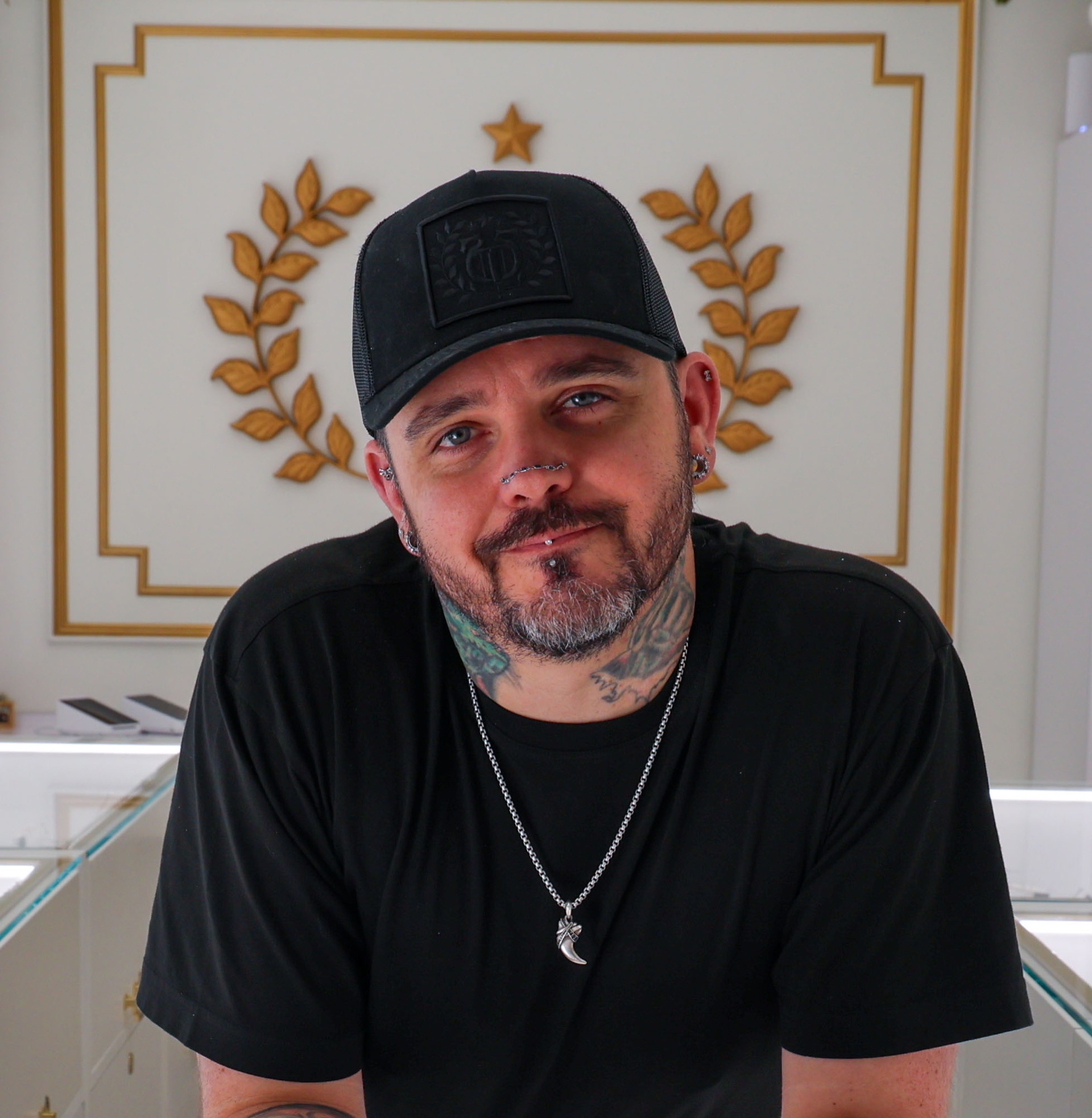
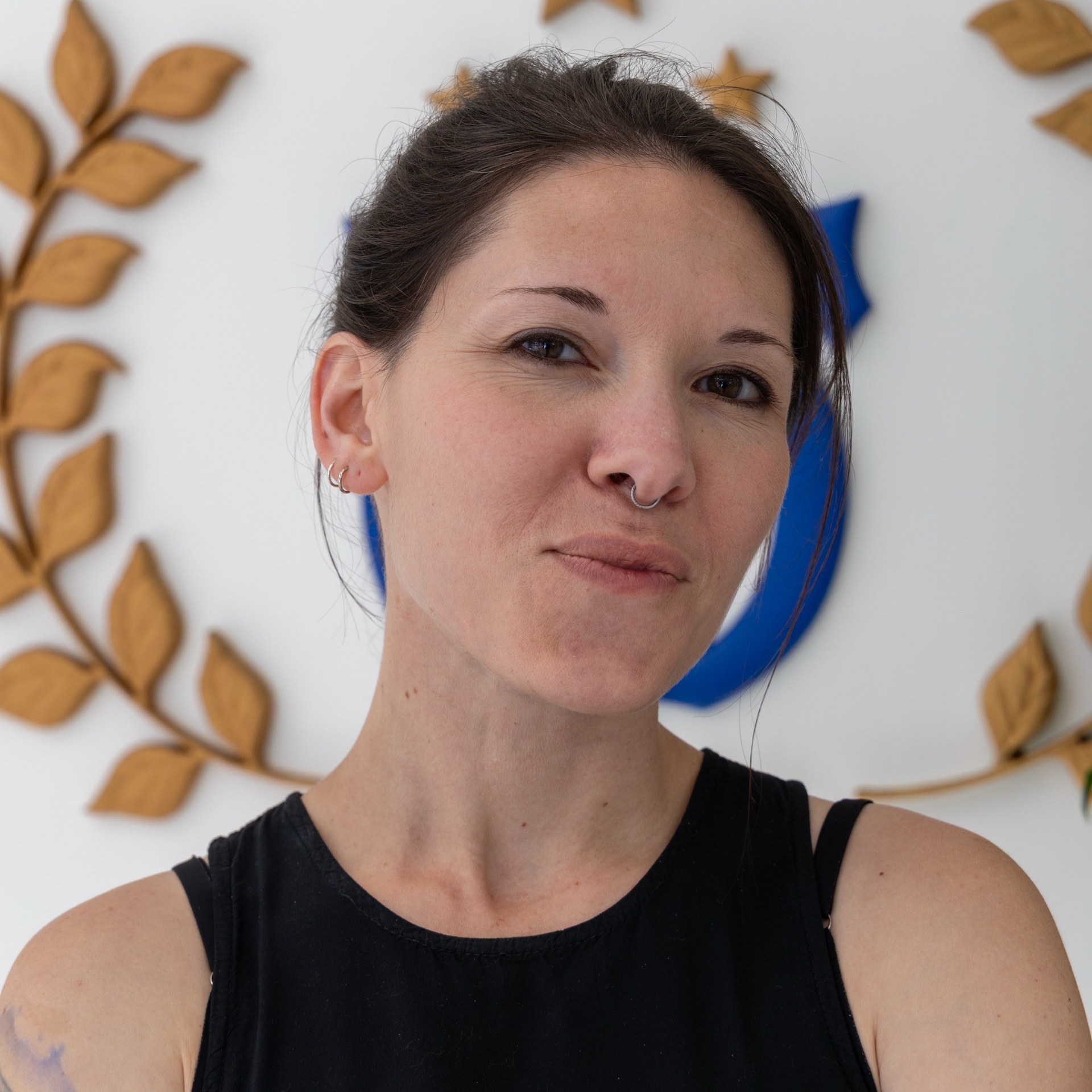
Senior Piercer · Since 2019

Small ears, patient hands. Fifteen years of kids' piercing, done right.

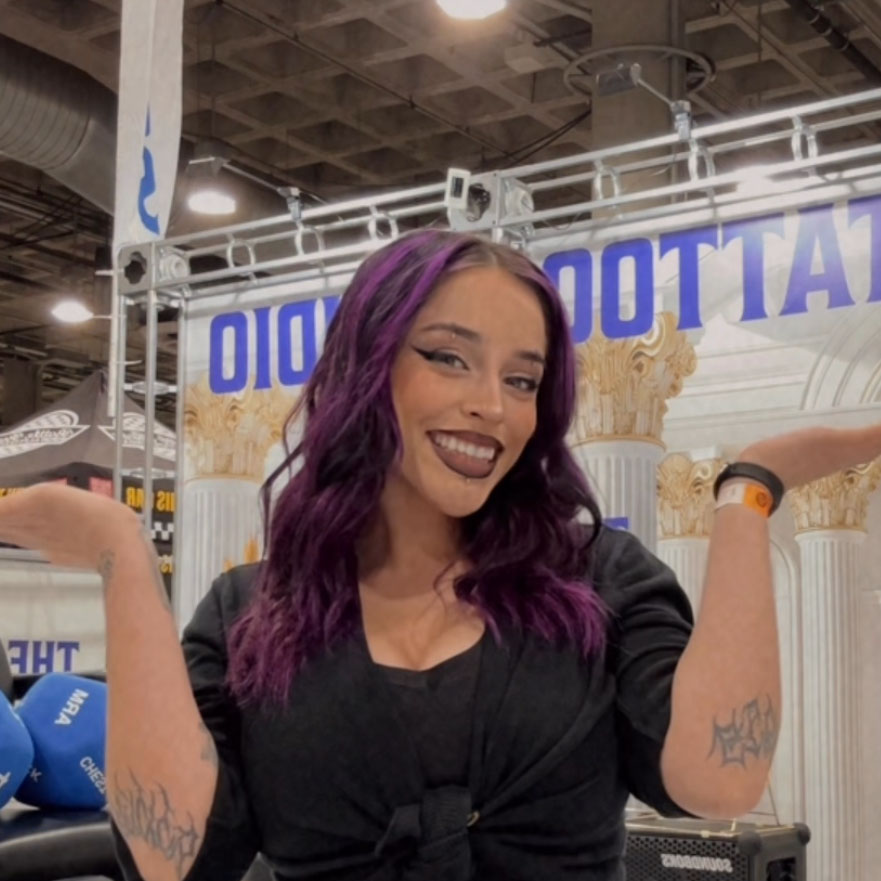
Bunny Vogt is Apollo's go-to piercer for kids, teens, and adults building out an ear curation. Warm room, unhurried pace, implant-grade jewelry only.

A working bio for Bunny — the specialties, the styles she works in, the placements she's best known for, how to book with her, and the honest differences between a kid session, a teen session, and an adult curation project. Bunny has been a senior piercer at Apollo since 2019; before that, [artist's first training shop name] and a deeper piercing lineage she can walk you through at consultation.

At Apollo since2019
SpecialtiesEar curation & styling · Cartilage piercings (helix, tragus, conch, daith) · Multiple piercing sessions · Jewelry stacking

Is Bunny right for you?

Five quick questions that point you in the right direction.

Apollo has two senior piercers. The difference between a great appointment and a fine one is matching the right piercer to the right client. Here's how to tell if Bunny's the fit.

Ι

Is this for a child?

Bunny is Apollo's go-to piercer for kids. Years of practice specifically with children between roughly 4 and 12, plus the kid-friendly pacing, language, and room tempo that make the difference between a memorable-in-the-right-way first piercing and a scary one. If your child is younger or older, Bunny still handles it — but the fit is strongest in that core age window.

ΙΙ

Is this for a teen?

Teen ear piercings (helix, tragus, conch, rook, daith) and teen navel piercings are a significant share of Bunny's book. The consultation style is different from an adult's — Bunny walks teen clients through placement decisions they can live with for years, and reads the room for whether a parent wants in the conversation or out of it.

ΙΙΙ

Adult ear curation?

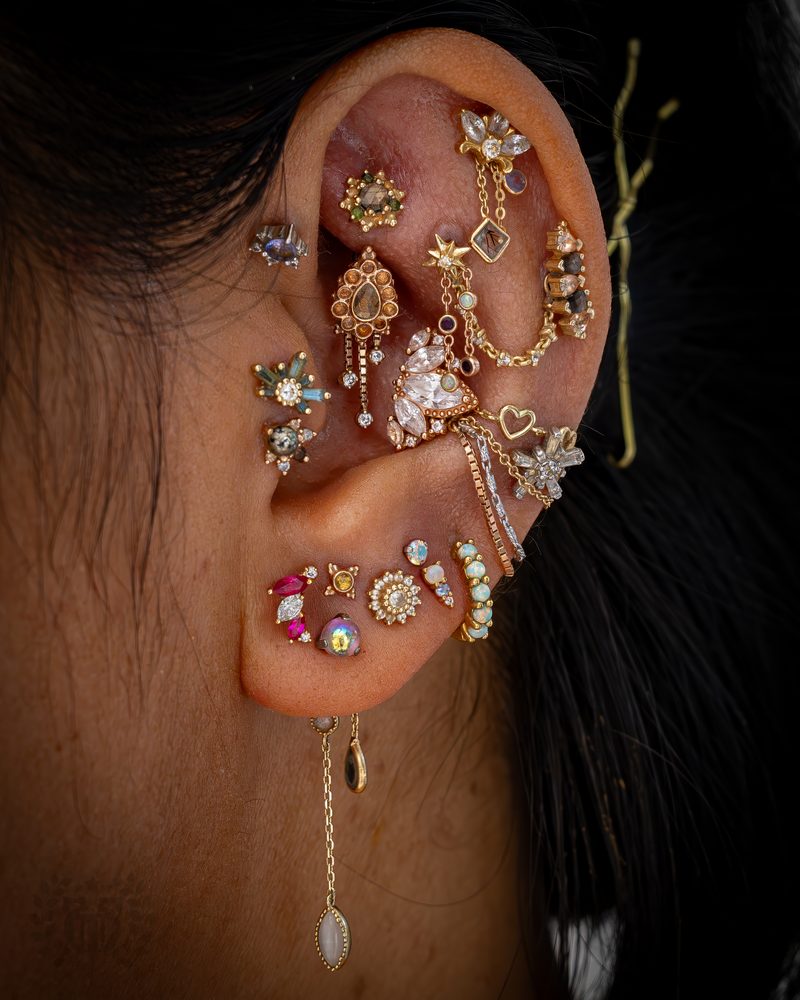
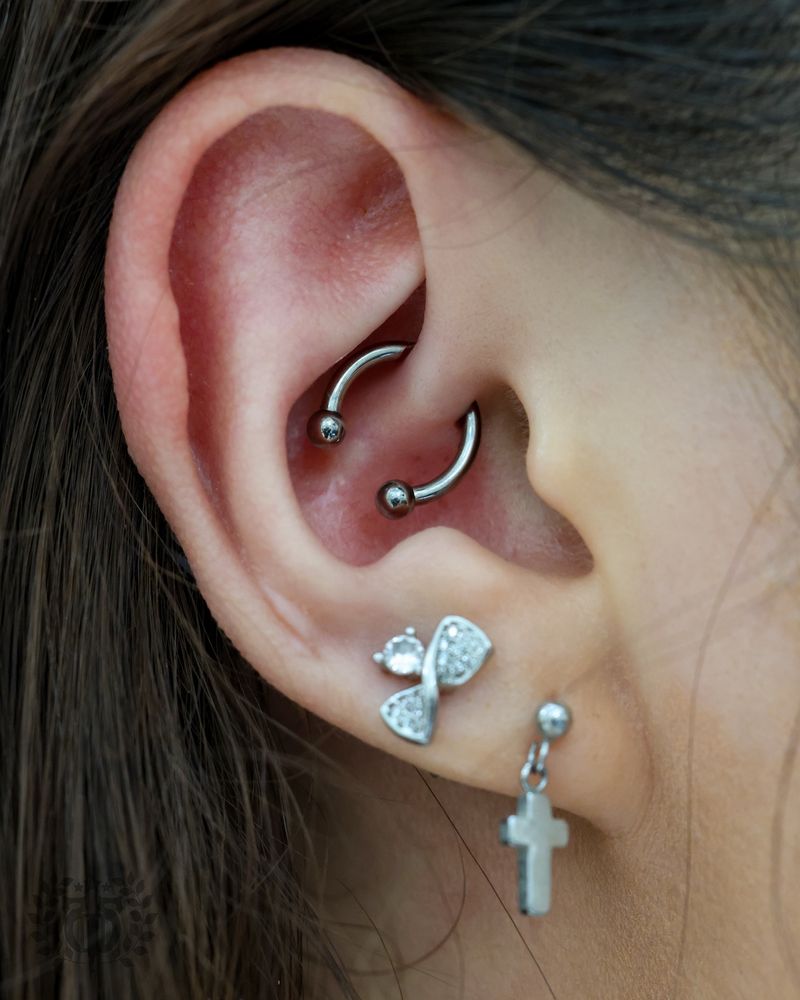
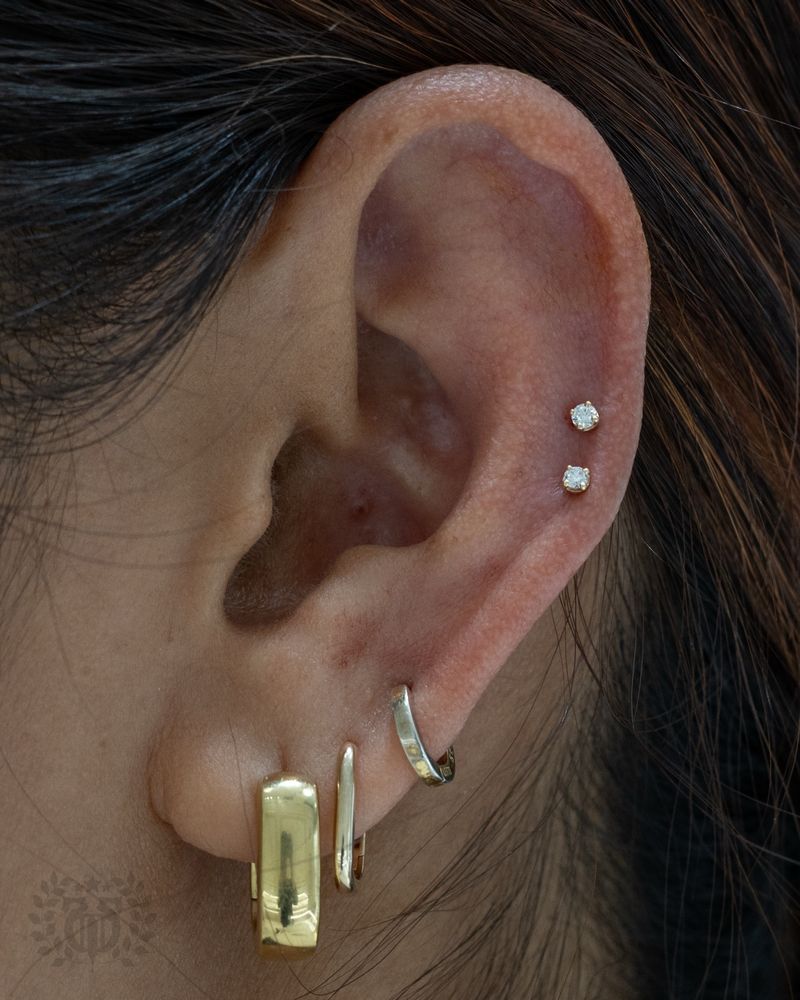
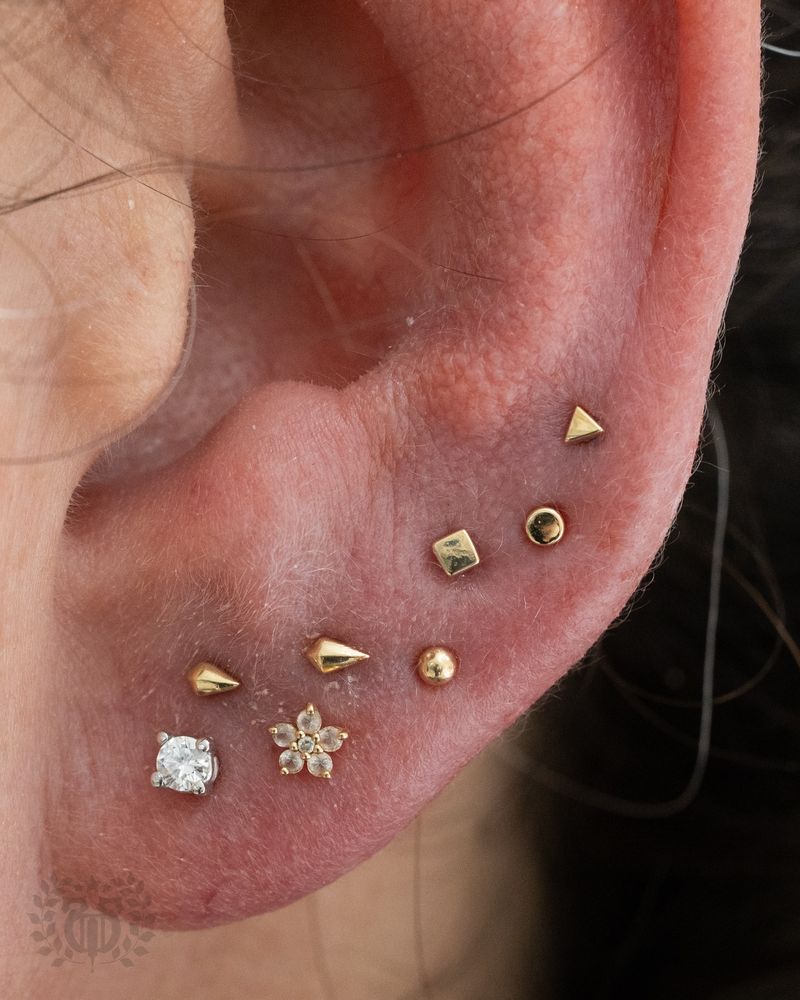
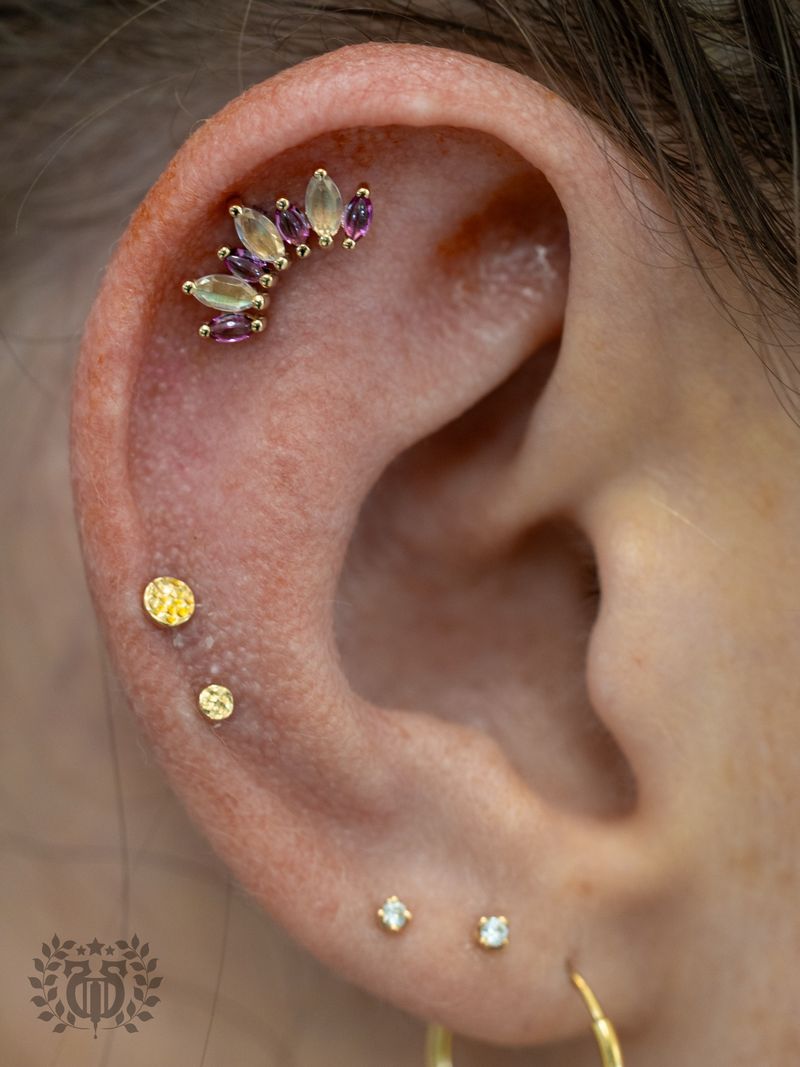
If you're building out an ear — helix, flats, forward helix, conch combinations — Bunny plans the curation across multiple sessions. She maps healing windows so you're not stacking too much trauma on one side, and she's honest about what your anatomy will and won't do. Not every ear is built for every piercing.

ΙV

Do you need a patient, warm-room piercer?

Bunny's style is unhurried. She talks you through every step, pauses when you need it, and doesn't rush jewelry decisions. Clients who've had bad experiences elsewhere often end up in her chair because she'll spend the time. If you want in-and-out fast, you can probably have that too — but the pace is yours to set.

V

Implant-grade jewelry matters to you?

All piercings at Apollo use implant-grade titanium or fine gold jewelry — no steel, no low-grade alloys. If you've had metal reactions before, or you just want the best starter jewelry you can put in fresh skin, Bunny will walk you through the studio's stocked lines and what each one is best for.

The kid is in charge of the pace. Always. That's the whole job on a child's first piercing.
— Bunny Vogt, Apollo
Not every ear is built for every piercing — and the honest consult is part of the service.
— Bunny Vogt, Apollo
Implant-grade or fine gold, nothing else. We don't stock what we wouldn't put in our own skin.
— Bunny Vogt, Apollo

What Bunny does best

Twelve specialties, each with its own booking shape.

Bunny's book runs from kid first-lobes through adult curation projects. These are the specialties she's best known for — what to ask for at consultation.

First ear piercings (kids 4–12)

The signature session — calm, quick, well-paced

Bunny's core specialty. Needle technique (never a piercing gun), implant-grade titanium starters, and the pacing that lets a child feel in control of the moment. Most kid first-lobes are completed in a single visit with both sides done; occasionally Bunny will split across two visits if that's what the child needs.
Session. Single visit, both sides

Placements. Standard lobes, centered for growth

Teen ear — helix & cartilage

Upper-ear piercings for first-time cartilage clients

Helix, forward helix, flat, and conch piercings for teens getting their first non-lobe work. Bunny spends the consult time walking through healing expectations (cartilage takes 6–12 months) and placement trade-offs. She'll talk a teen out of a piercing that doesn't suit their anatomy — which is part of the value.
Session. 45-minute consult + piercing

Placements. Helix · forward helix · flat · conch

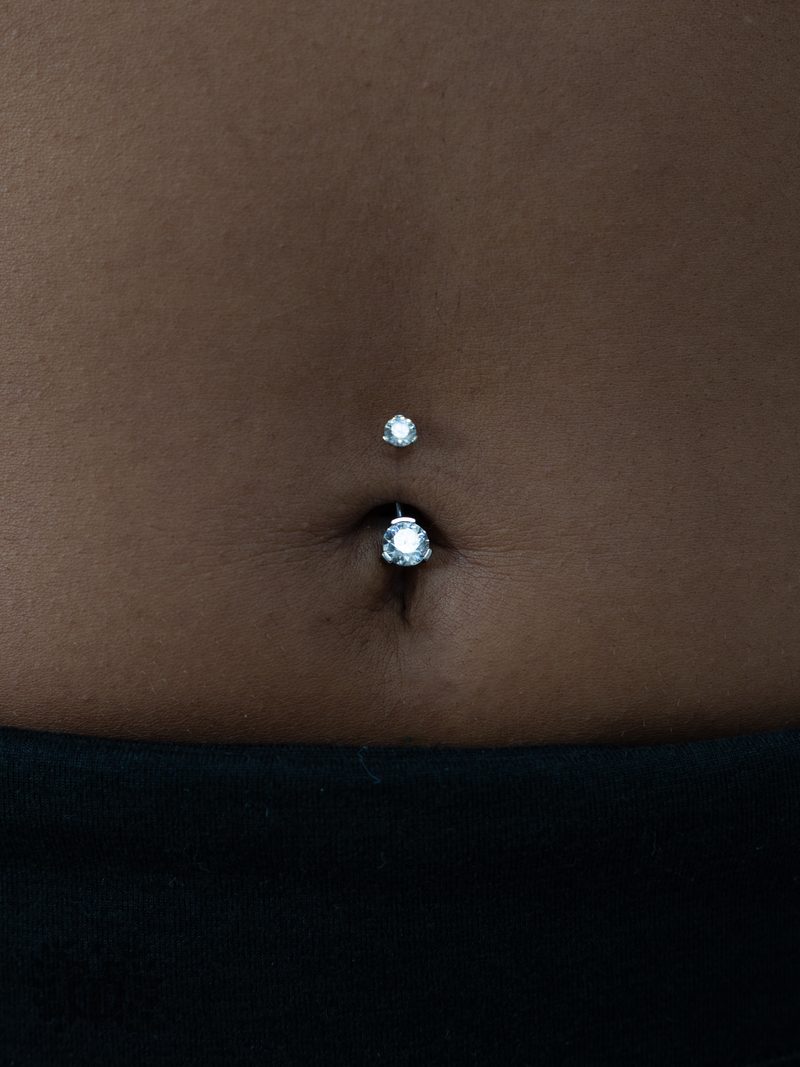
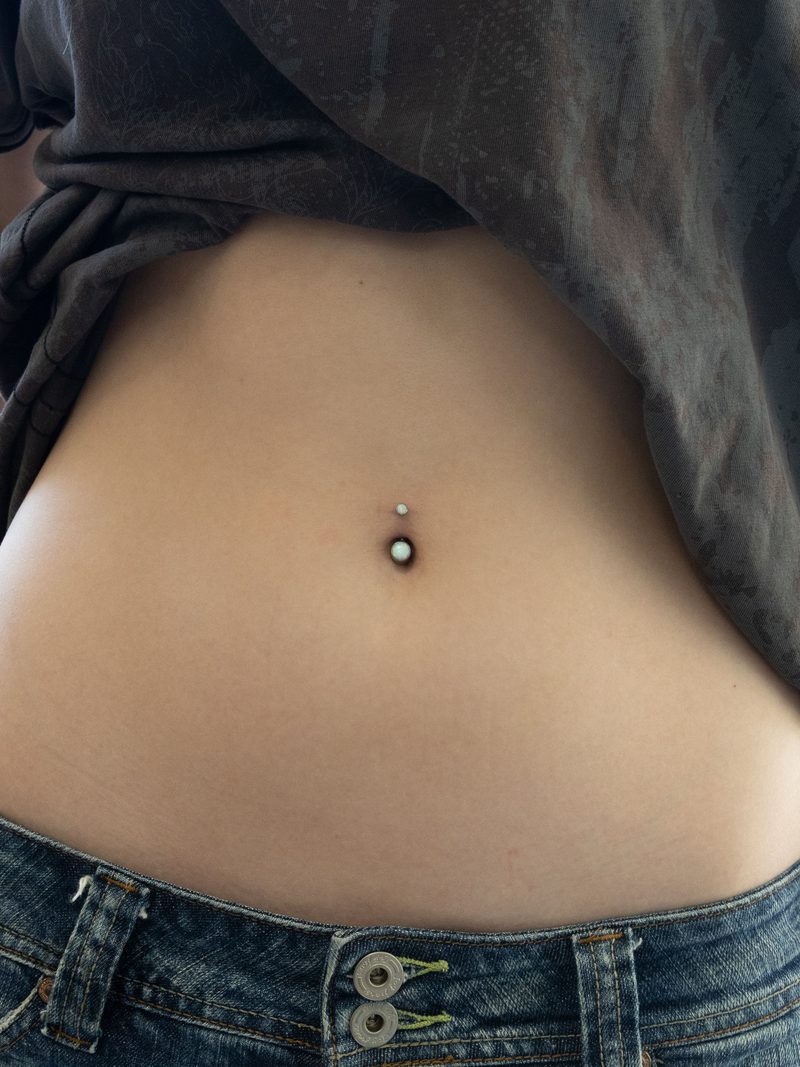
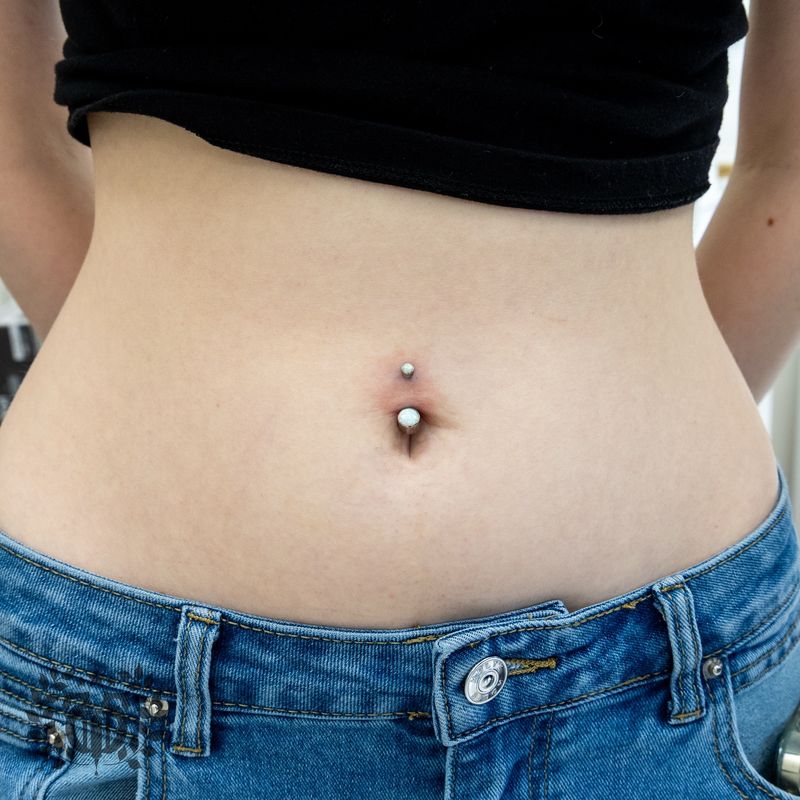
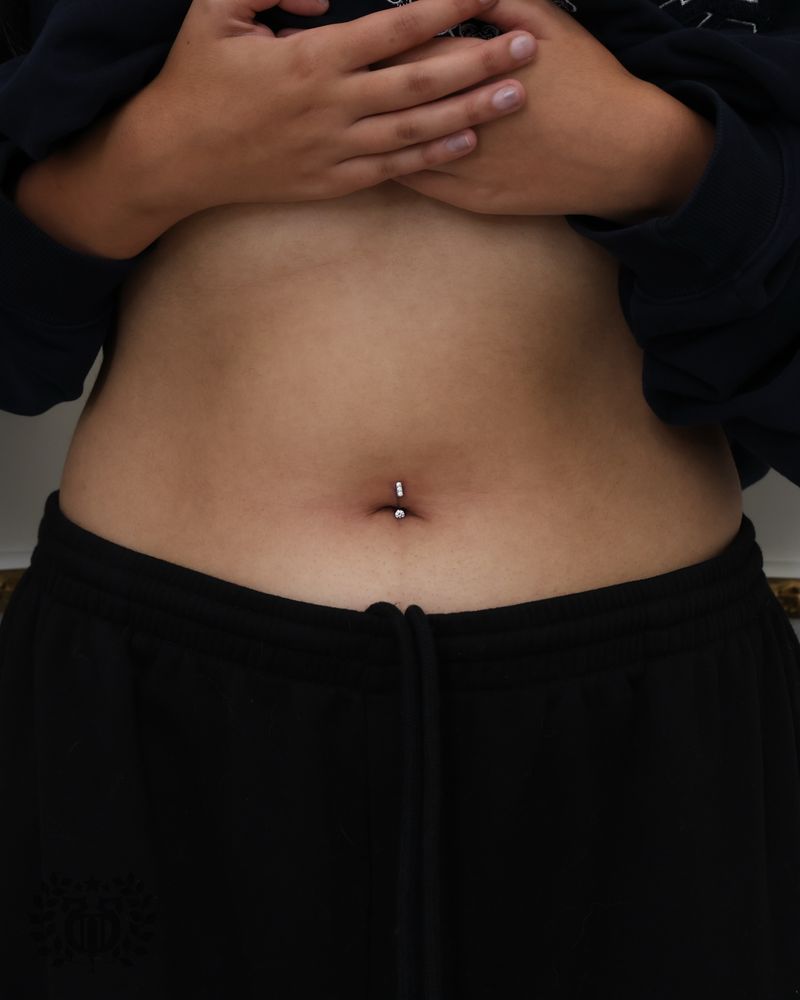
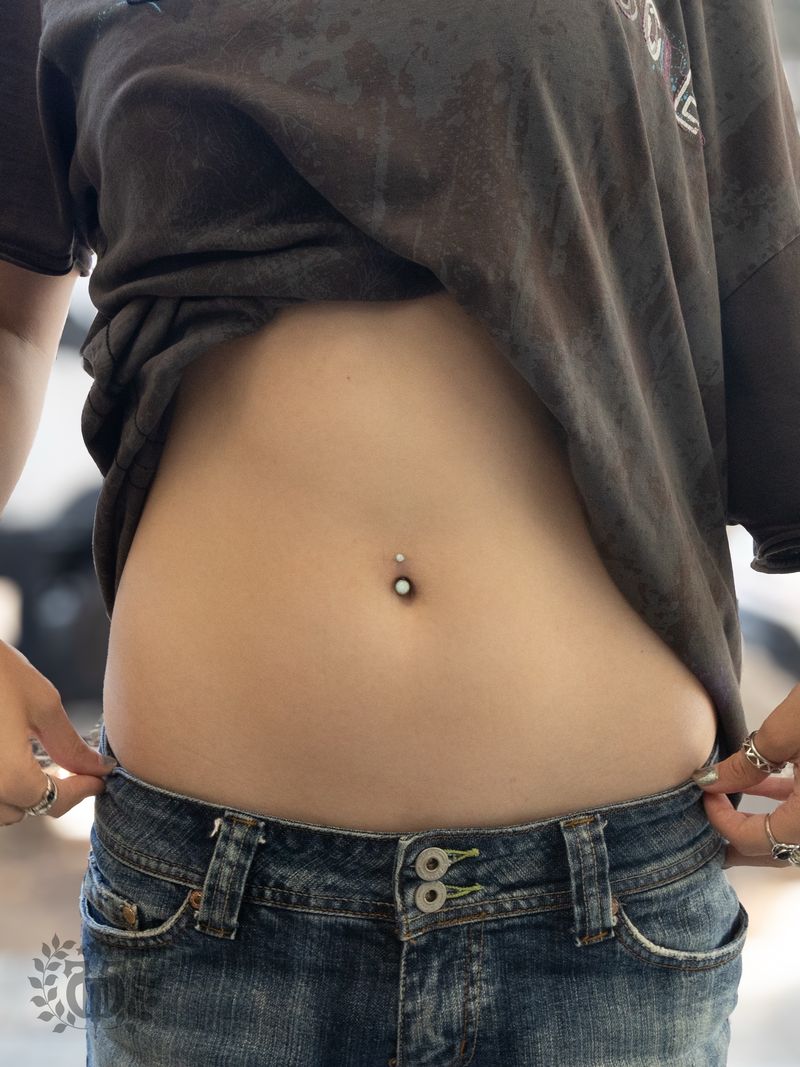
Teen navel piercings

Anatomy-dependent, honest-assessment first

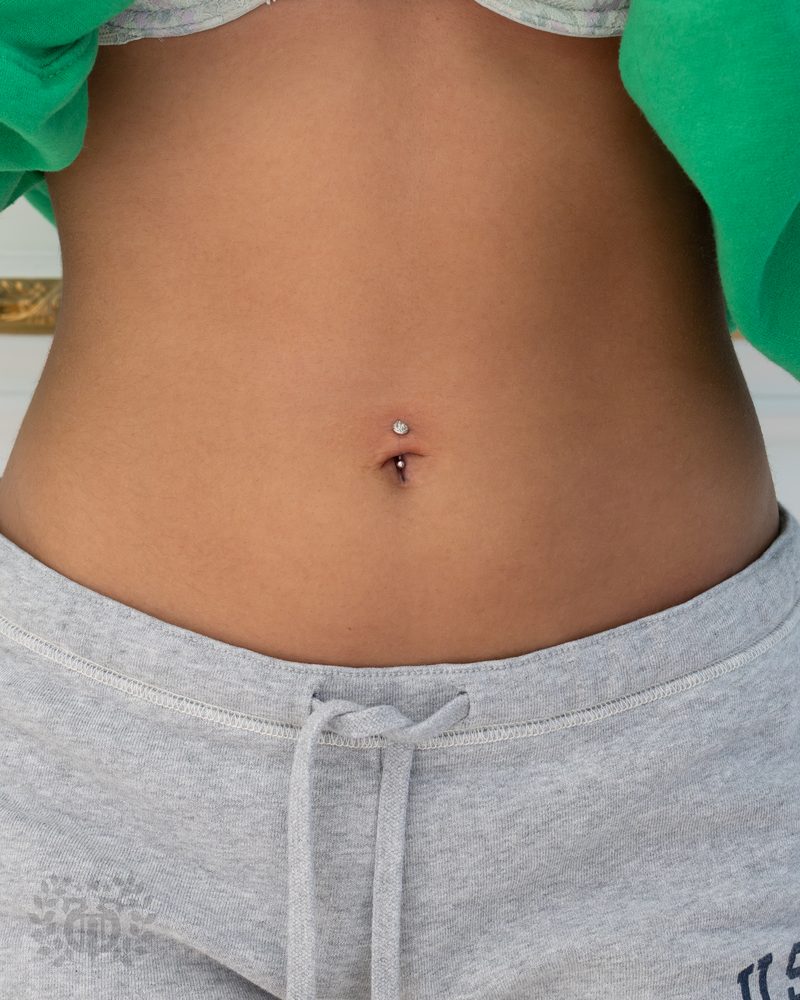
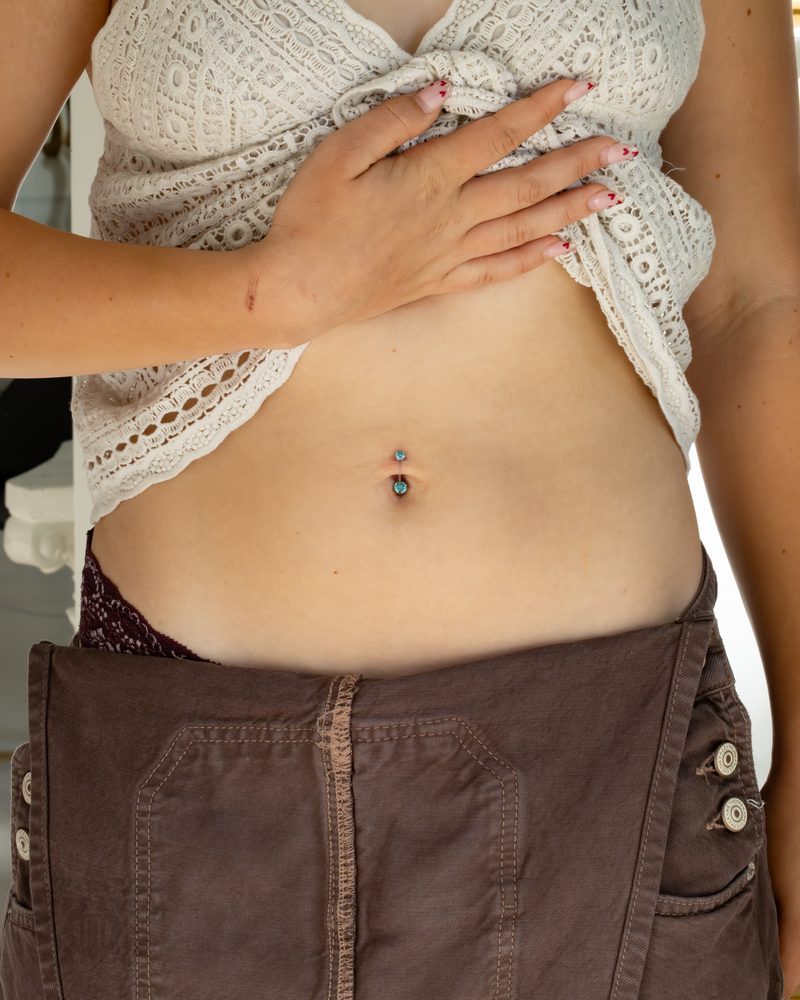
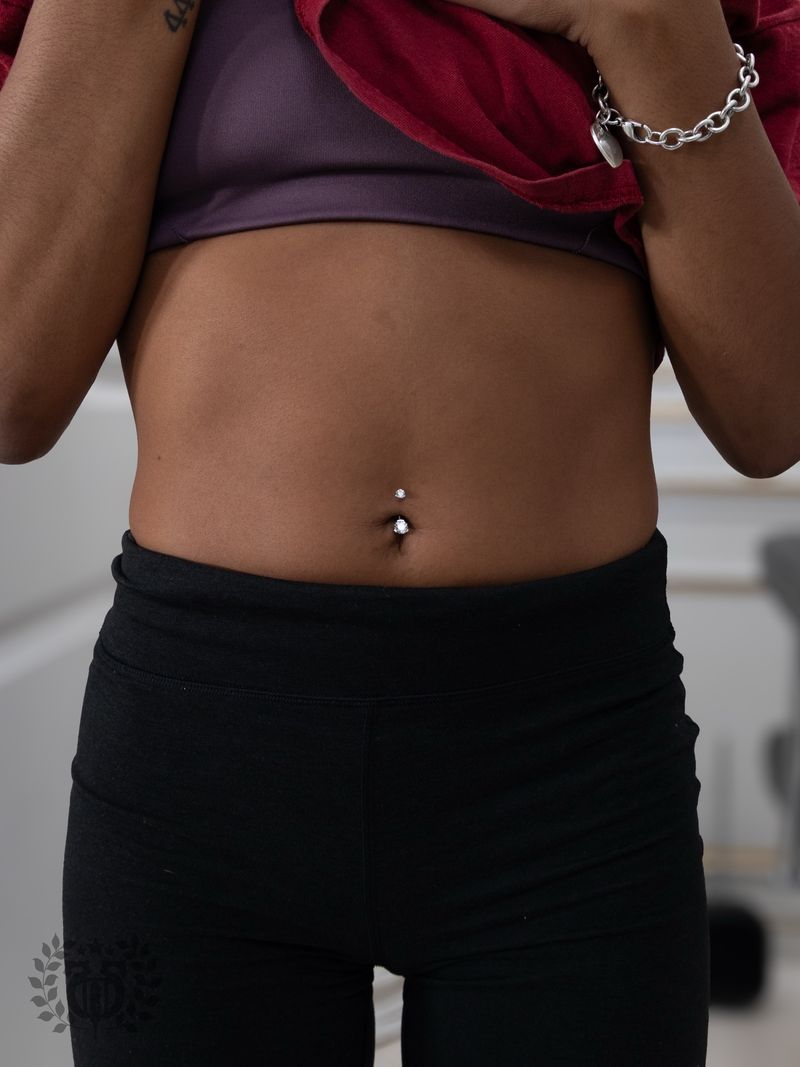
Navel piercings require specific navel anatomy to heal well. Bunny assesses the shelf depth and tissue in consultation and is honest when anatomy isn't going to support the piercing. When it is, she places it for long-term healing, not just the in-the-moment photo.
Session. 30-minute consult + piercing

Placements. Upper navel standard

Adult ear curation — starter project

Planning your first multi-piercing ear

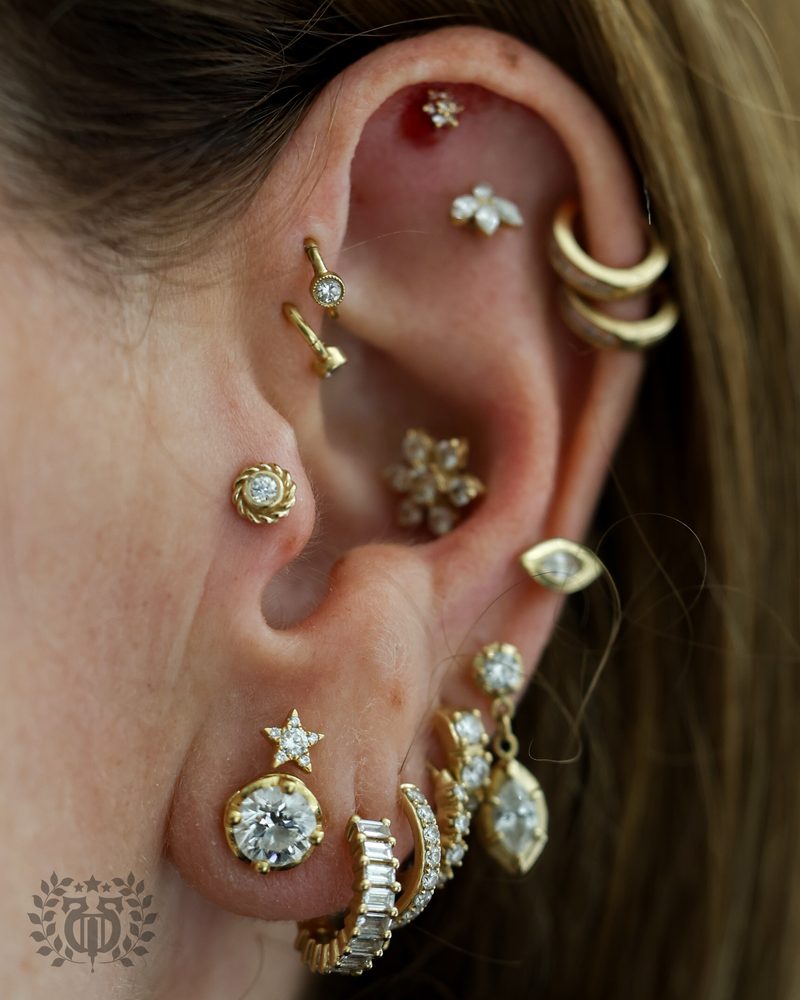
The 'I want to start building my ear' conversation. Bunny maps which piercings to add in which order across multiple appointments, accounting for healing time, daily habits, and what jewelry will coordinate with what's already there. The first session establishes the curation plan; subsequent sessions execute it.
Session. Multi-session project

Placements. Right ear · left ear · bilateral

Adult ear curation — finishing touches

Adding the last 1–2 pieces to an existing curation

Clients who already have a built-out ear and want to add the final piercings. Bunny reads the existing work and suggests what will complement it rather than compete. Often this is a single tragus or rook addition that ties the whole curation together.
Session. Single visit

Placements. Tragus · rook · daith

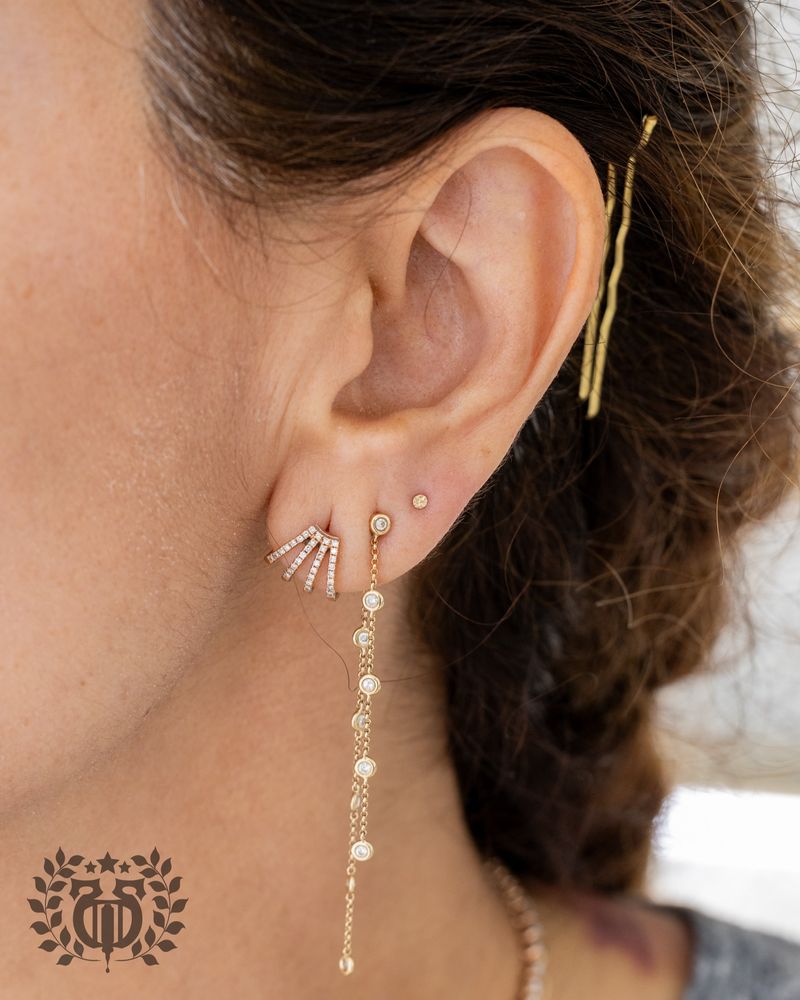
Earlobe piercings — adult

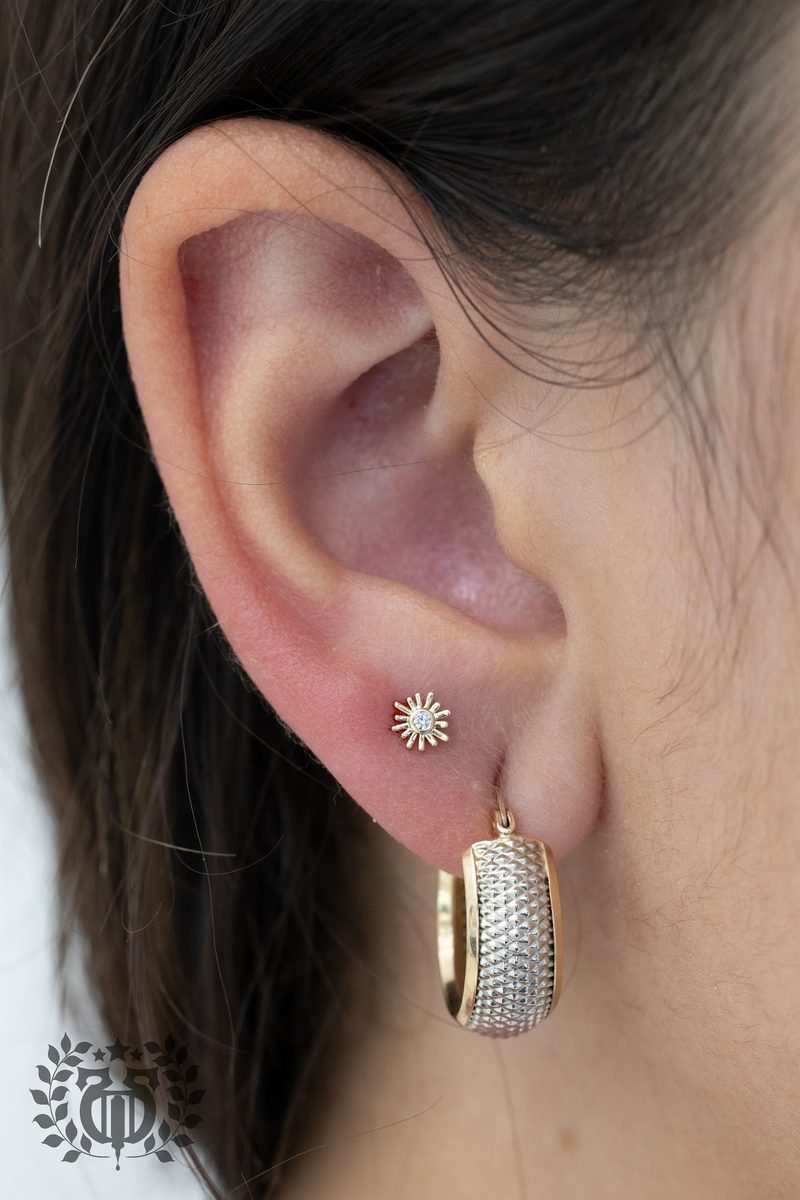
Second, third, fourth lobes and stacks

Adding additional lobe piercings to existing ones. Bunny plans the spacing so your lobe reads as an intentional stack rather than random placements, and she's aware of gauge progression if you plan to stretch any of them in the future.
Session. Single visit

Placements. Standard to high lobe

Conch piercings

Inner- and outer-conch placements

Conch piercings (inner and outer) are one of Bunny's most-requested adult piercings. She assesses which conch variant your anatomy will support and which jewelry sizes will heal cleanly. Conch healing runs long (9–12 months minimum) and Bunny preps clients on what that actually looks like.

Session. Single visit

Placements. Inner · outer conch

Tragus piercings

A quick piece with a specific healing path

The tragus is small, quick to pierce, and has a distinct healing rhythm because of its cartilage density. Bunny has placed more tragus piercings than she can count and has a feel for which cartilage profiles heal well and which want a different piercing instead.

Session. Single visit (brief)

Placements. Standard tragus

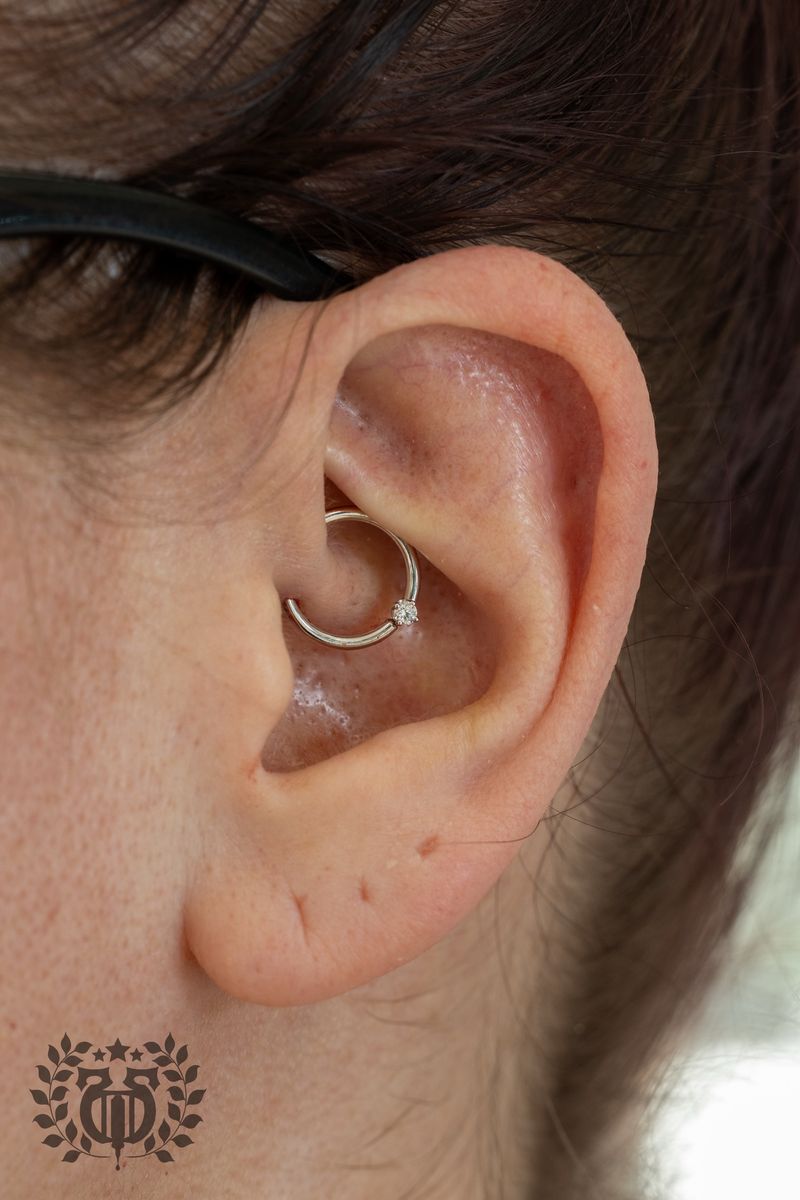
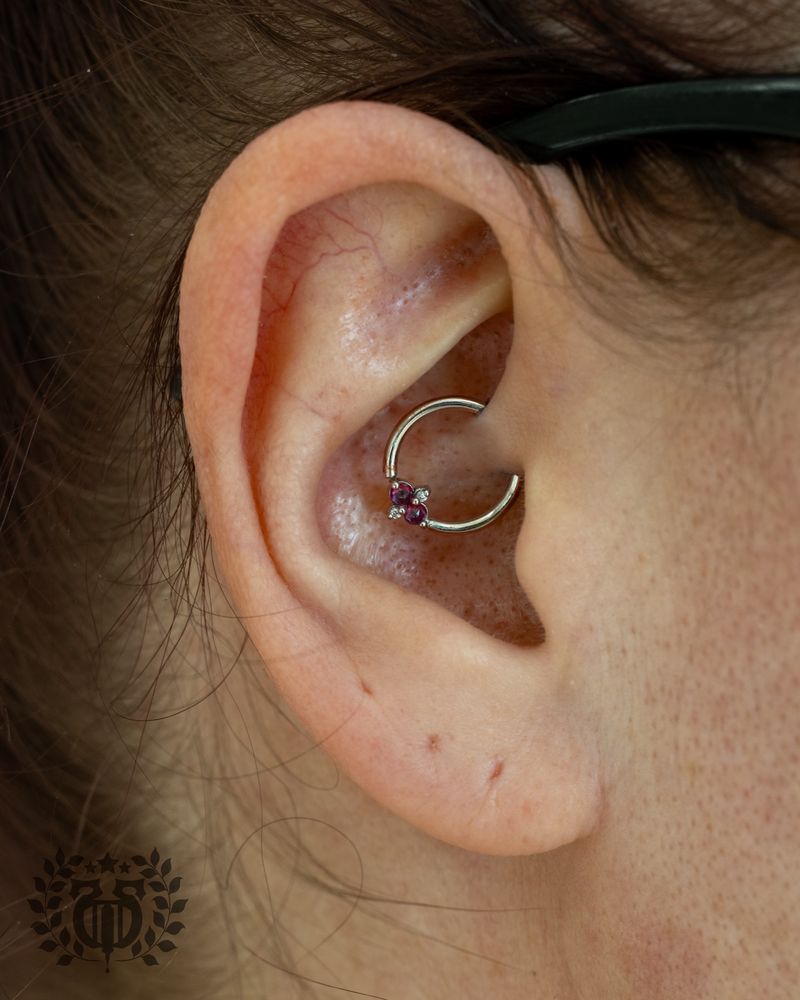
Daith piercings

Anatomy-dependent, migraine-adjacent conversations

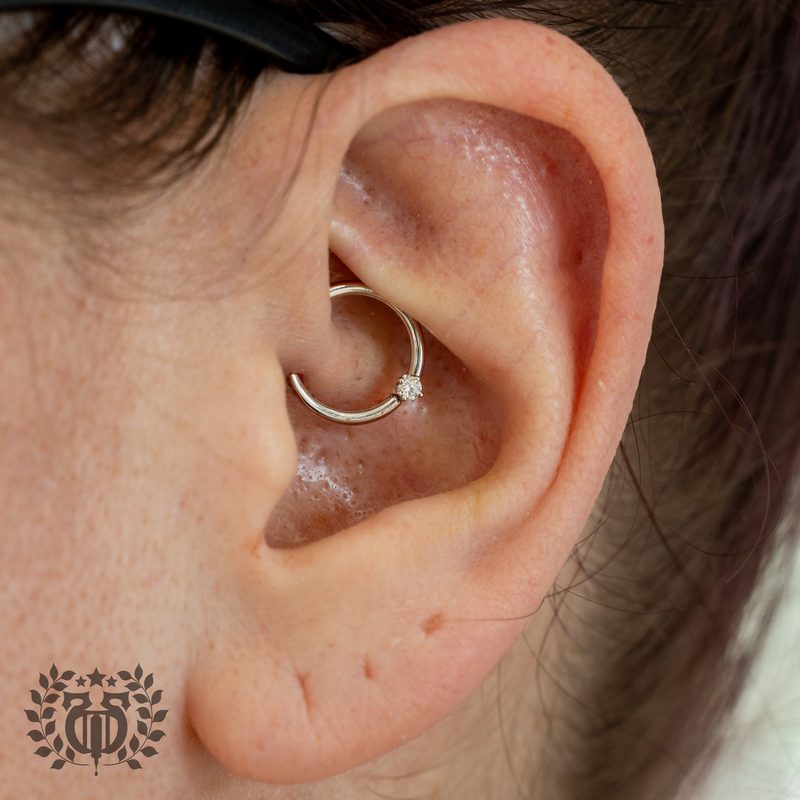
The daith requires specific inner-ear anatomy (a fold called the crus of the helix). Bunny assesses honestly whether your ear will support the piercing. She'll also walk through what the research does and doesn't say about migraine claims — neither over-promising nor dismissing.

Session. Single visit

Placements. Daith

Rook piercings

Another anatomy-dependent cartilage piercing

The rook sits in a specific inner-upper-ear fold, and not every ear has one that will support the piercing. Bunny assesses in consultation and, when anatomy is right, places the piercing for the long healing window this location requires (9–12 months).

Session. Single visit

Placements. Rook

Flat piercings (singles and clusters)

The blank-canvas cartilage placement

The flat (upper ear, between helix and conch) is where adult ear-curation projects often add decorative pieces. Bunny plans singles or small clusters here, matching jewelry to nearby pieces and preserving enough healed space to add more later if you want.

Session. Single visit per session

Placements. Flat (upper ear)

Navel piercing — adult

Adult navel piercings when anatomy supports them

For adults whose navel anatomy supports a long-term healed piercing. Bunny assesses shelf depth, tissue, and placement angle in consultation and declines the piercing when the anatomy won't carry it. When it's a fit, placement is done for two-decade longevity.

Session. Single visit

Placements. Upper navel

Six styles

The modes Bunny works in.

Each style has a different consult style, different pacing, different jewelry conversations. Pick the style first, then the specific piercing.

Warm-room kid piercing

The style Apollo sends to Bunny first

Unhurried pacing, age-appropriate language, and room tempo that lets a child stay in control of the moment. Bunny's been doing kid piercings at Apollo since 2019 — this is the specialty she's best known for.

Best for. Children 4–12 · first piercings · parent-present sessions

Placements. Standard lobes · second lobes once healed

Session. Single visit, both sides

Teen ear and navel

Teen-specific consultation style

Teens get walked through placement and healing decisions as partners in the consult. Bunny reads the room for whether a parent is part of the conversation or hanging back, and she adjusts accordingly.

Best for. Teen first-cartilage · teen navel · second-piercing conversations

Placements. Helix · tragus · conch · navel · rook

Session. 30–45 minute session

Adult ear curation — project mode

Multi-session ear-builds

Planning and executing multi-piercing ear projects across several visits. Includes healing-schedule mapping, jewelry coordination, and aesthetic planning as a single unified project rather than a series of one-offs.

Best for. First-time curation · adding to existing curation · bilateral symmetry work

Placements. Every ear piercing location · right / left / both

Session. 3–6 sessions over 12–24 months

Adult single-piercing session

One-visit, one-piercing work

A specific single piercing added to an existing ear or navel. Bunny consults on placement, picks jewelry from the studio's implant-grade stock, and executes in a single appointment.

Best for. Adding one intentional piece · finishing a curation · replacing migrated jewelry

Placements. Any ear or navel location

Session. Single visit

Jewelry-change consultation

Downsizing, upgrading, and reassessing existing work

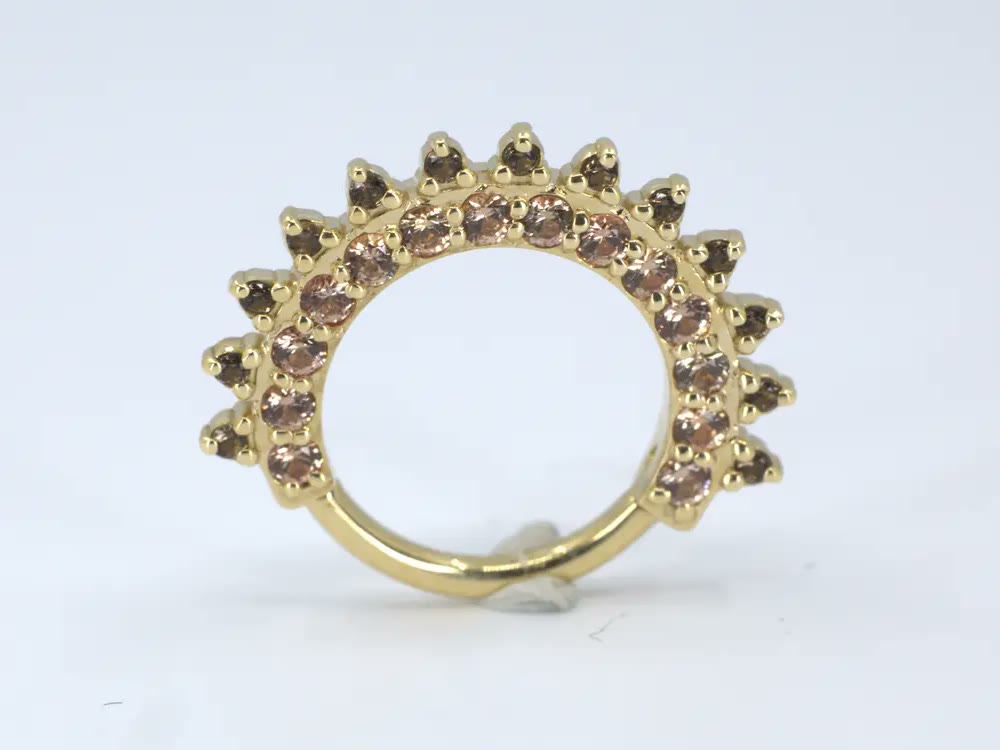
Not every appointment with Bunny is a new piercing. Clients come in for post-heal jewelry downsizing, decorative jewelry upgrades, and periodic check-ins on healing work. She carries a stocked case of implant-grade titanium and fine gold.

Best for. Post-healing downsize · decorative upgrade · troubleshooting existing work

Placements. Any existing piercing

Session. Single visit

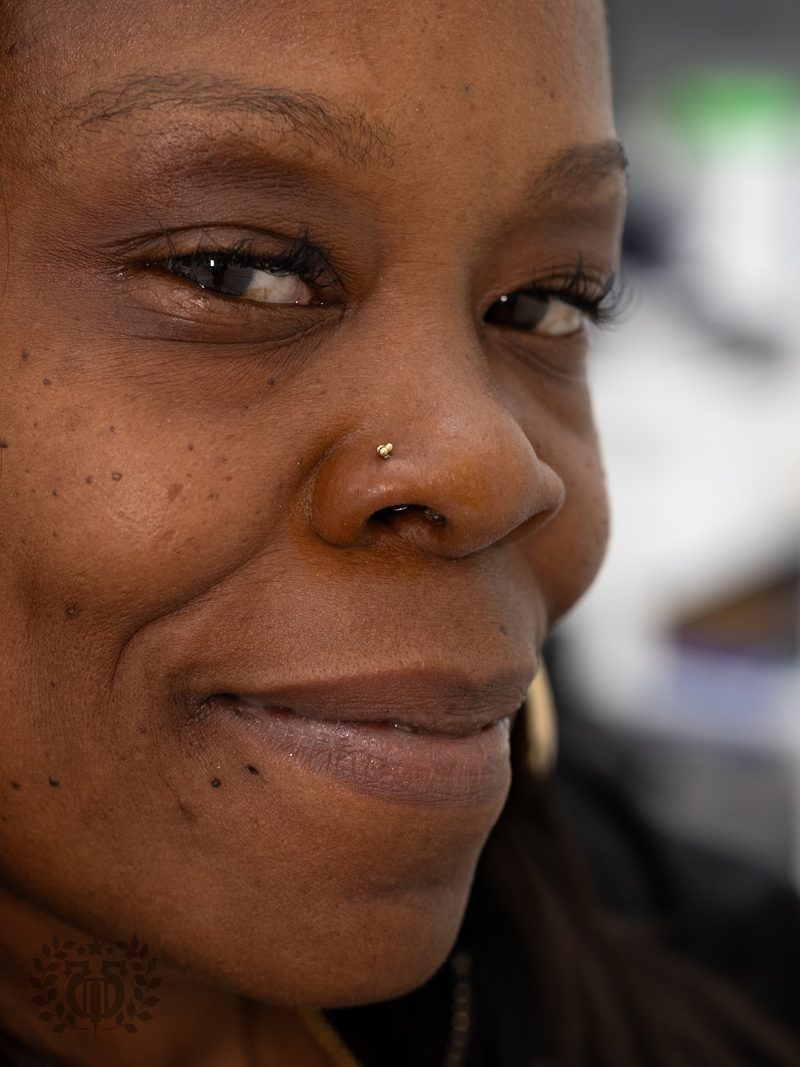
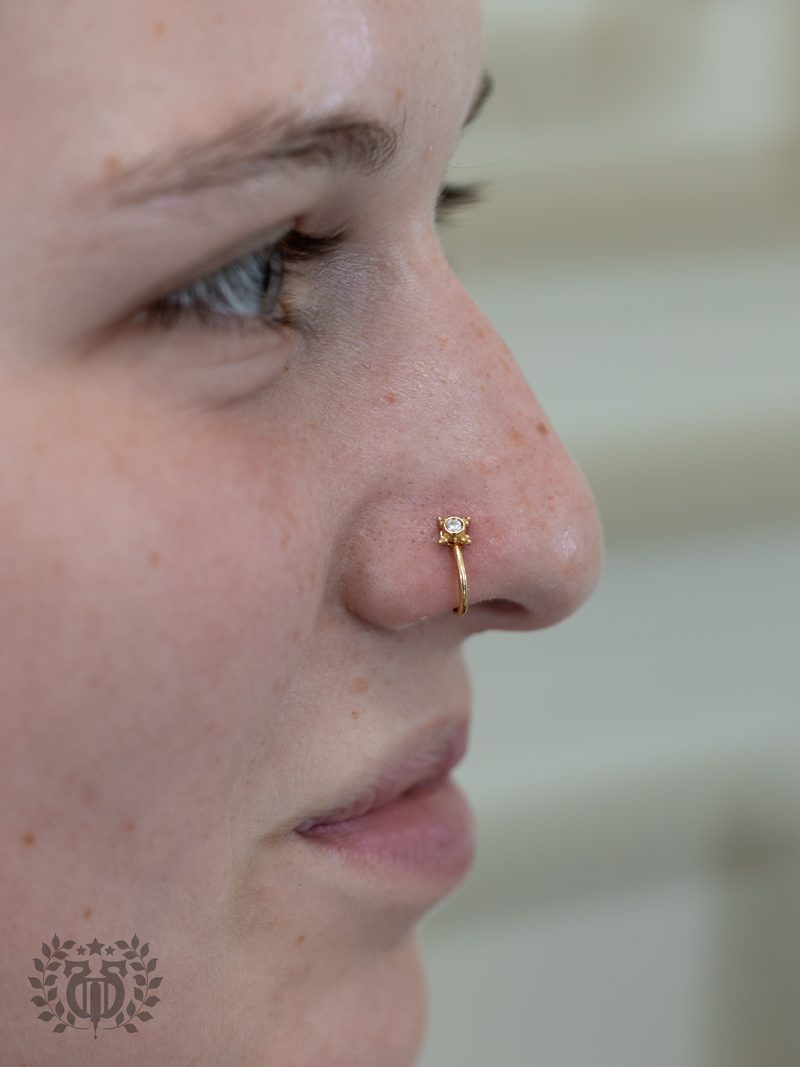
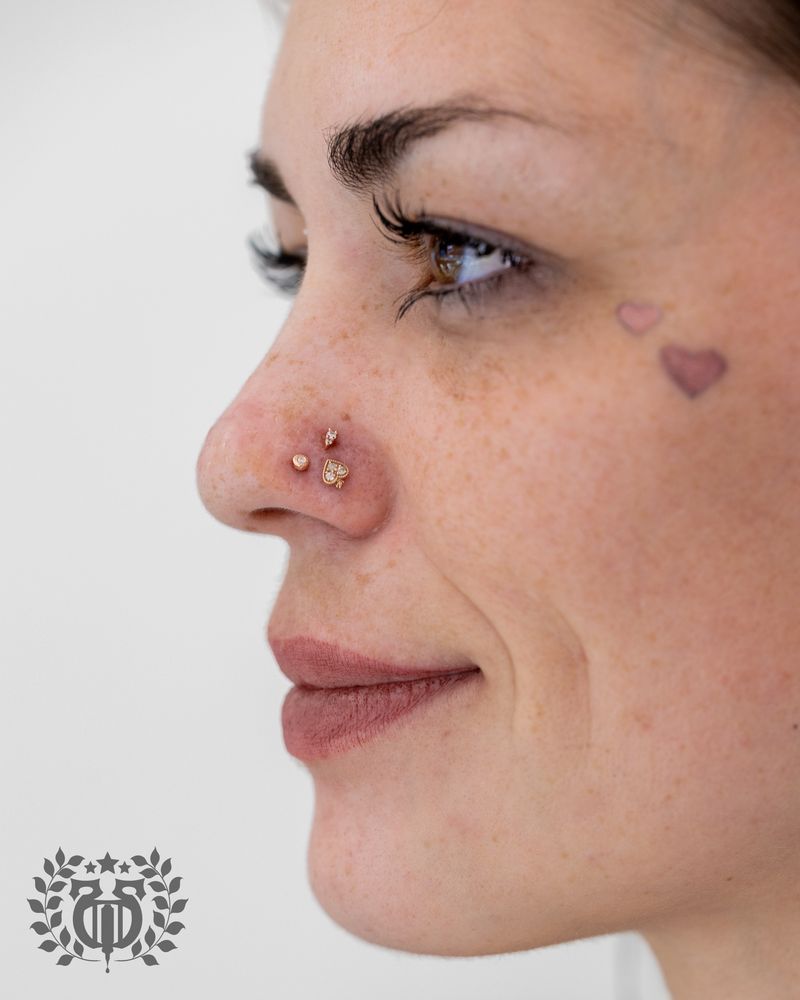
Facial piercings (selective)

Nostril, septum on case-by-case basis

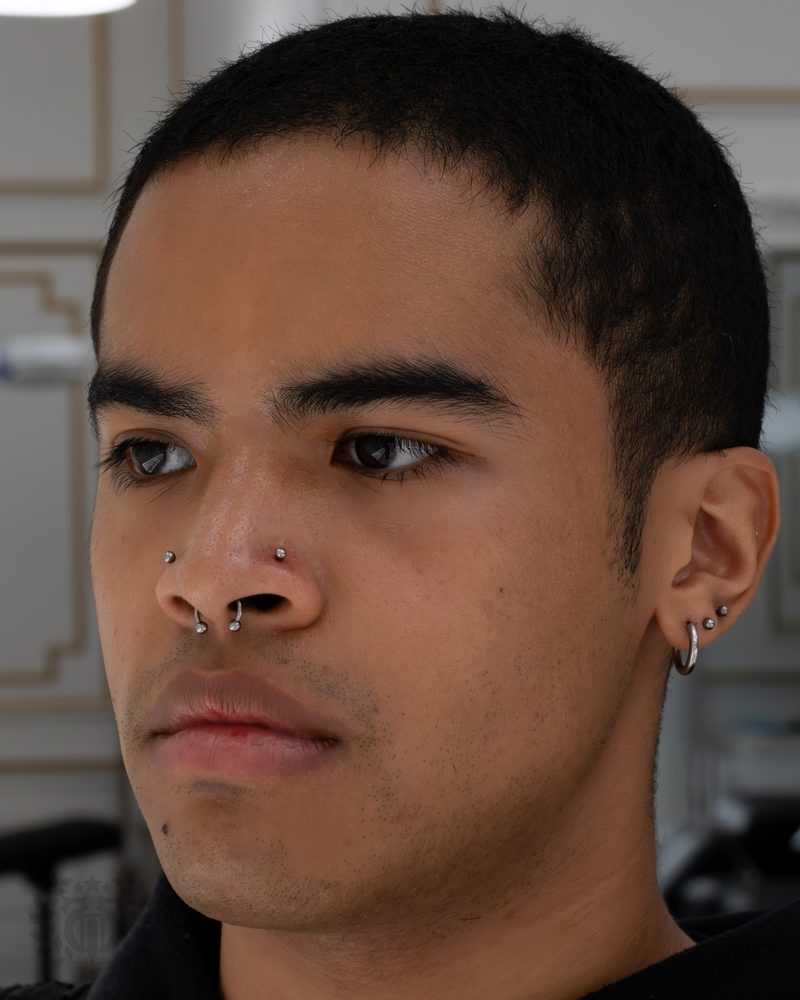
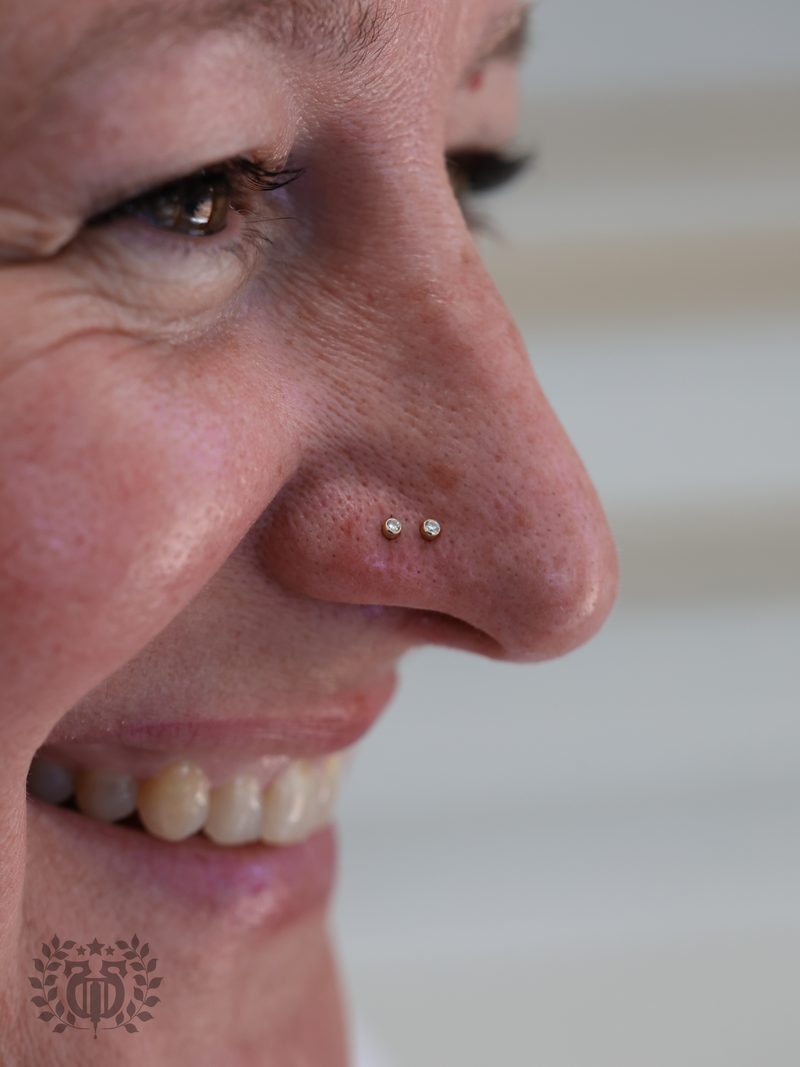
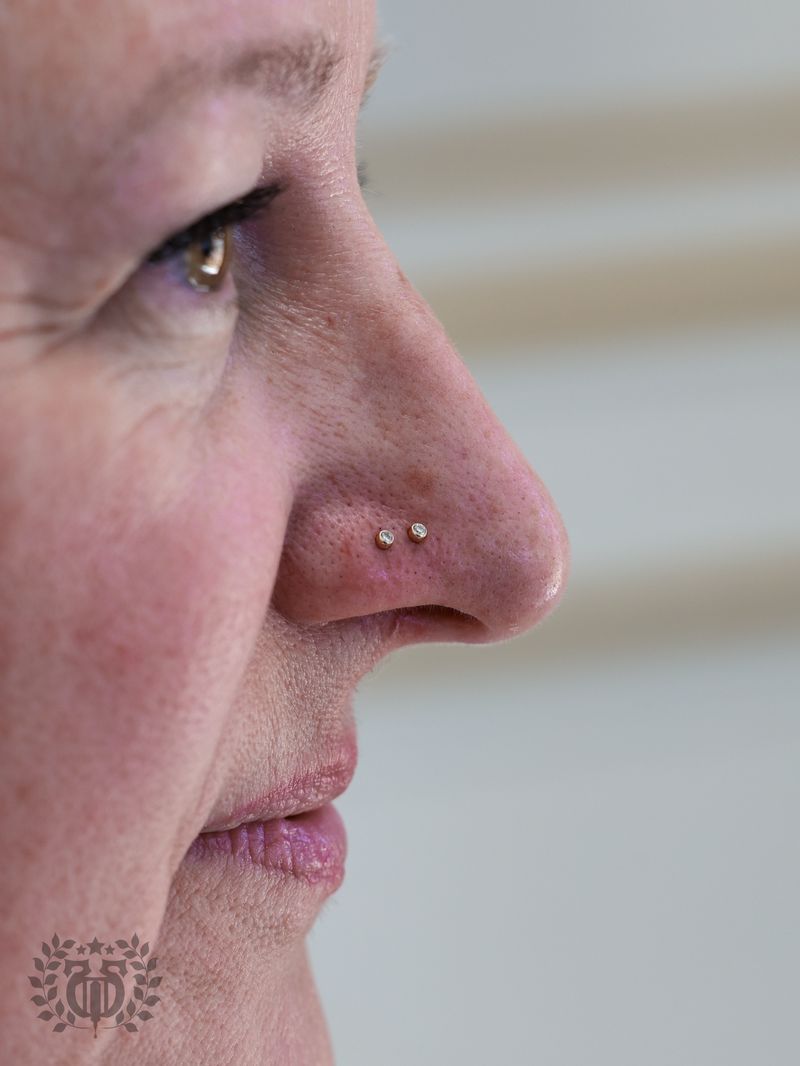
Bunny takes selected facial-piercing bookings — particularly nostrils and septums — based on her book and your specific case. For complex facial work or body piercings, Apollo will usually route you to Blue Mason. The studio cross-books to match the right piercer to each appointment.

Best for. Nostril piercings · simple septum piercings

Placements. Nostril · septum

Session. Single visit

Selected work

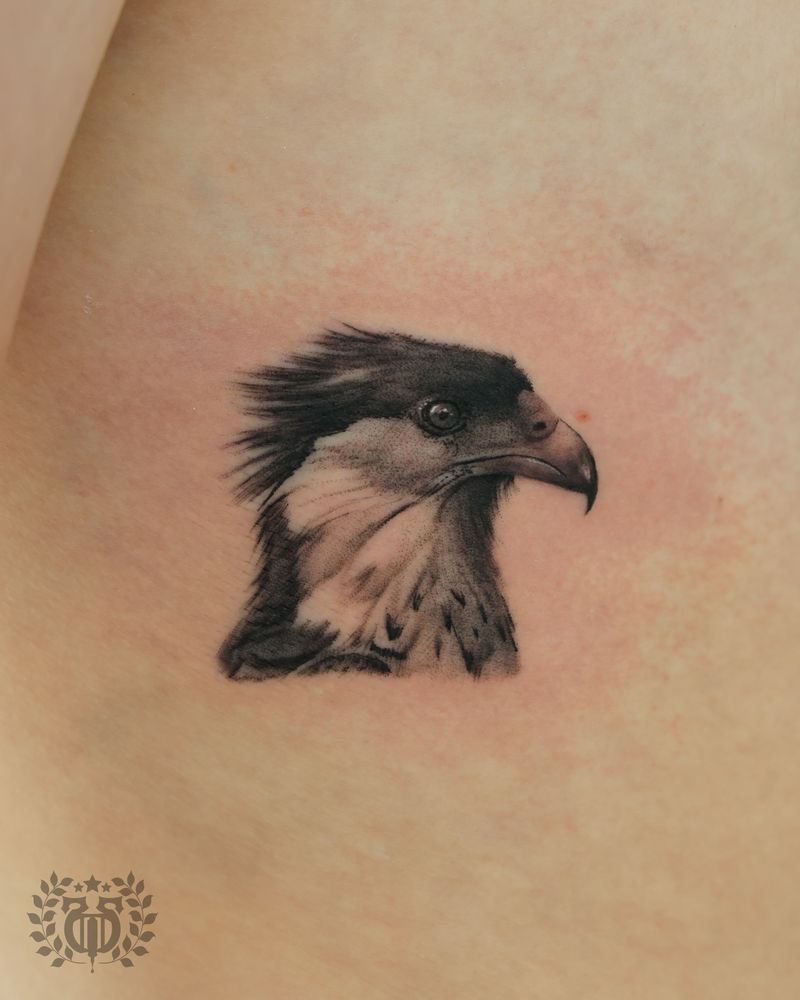
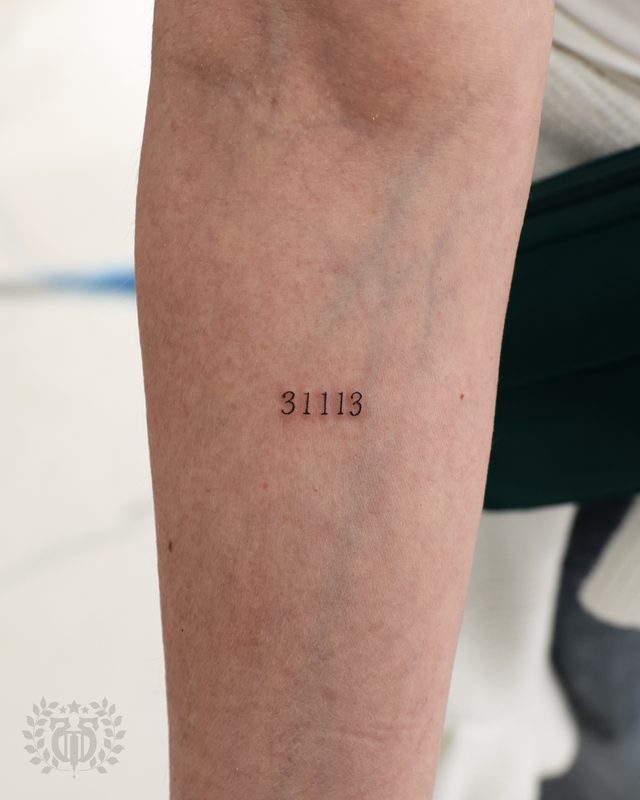
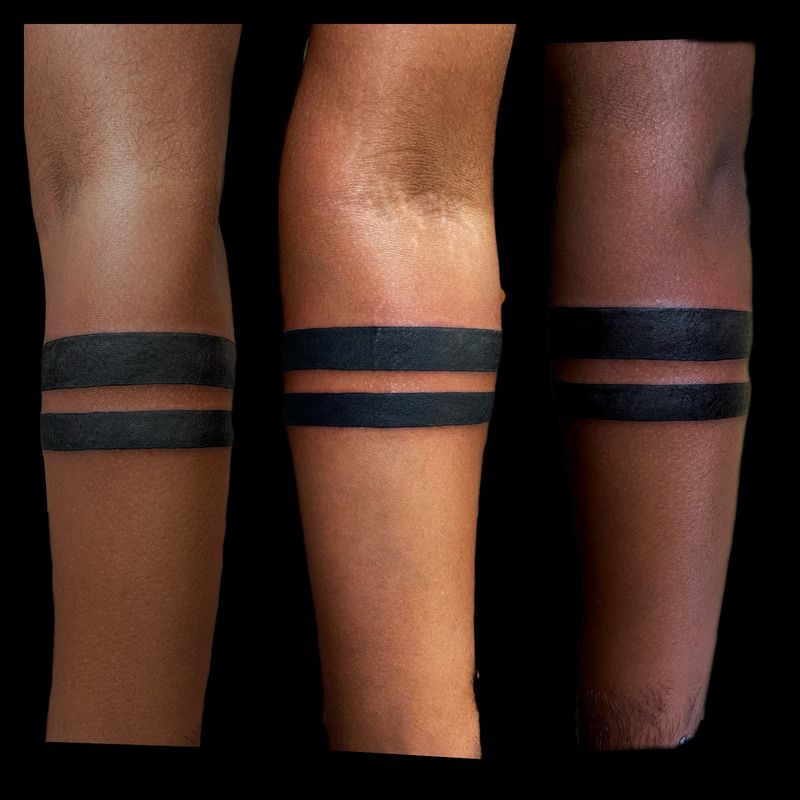
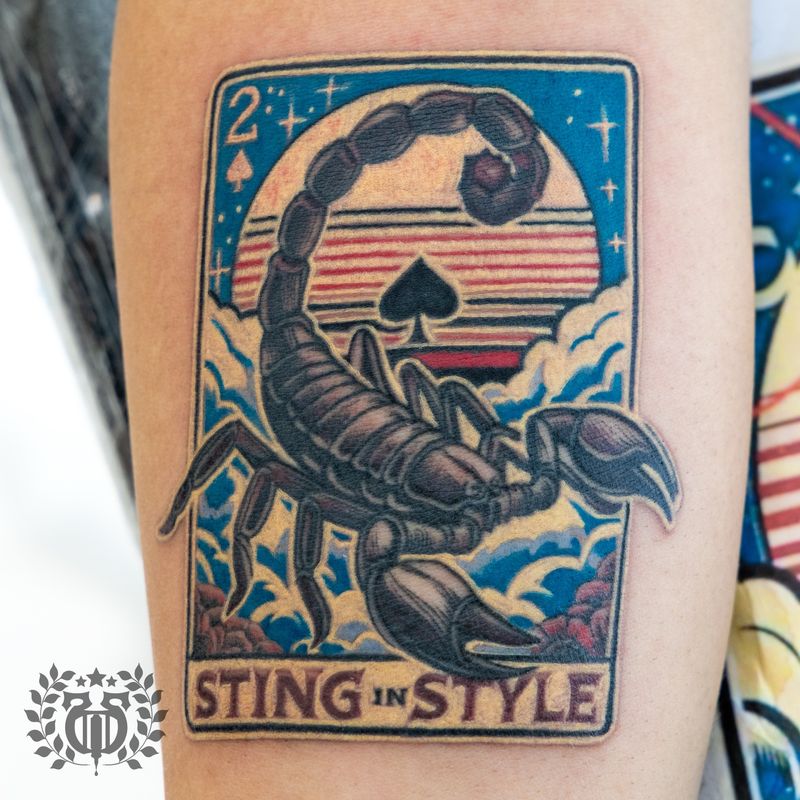
A sampling from Bunny's portfolio — healed curations and fresh sessions.

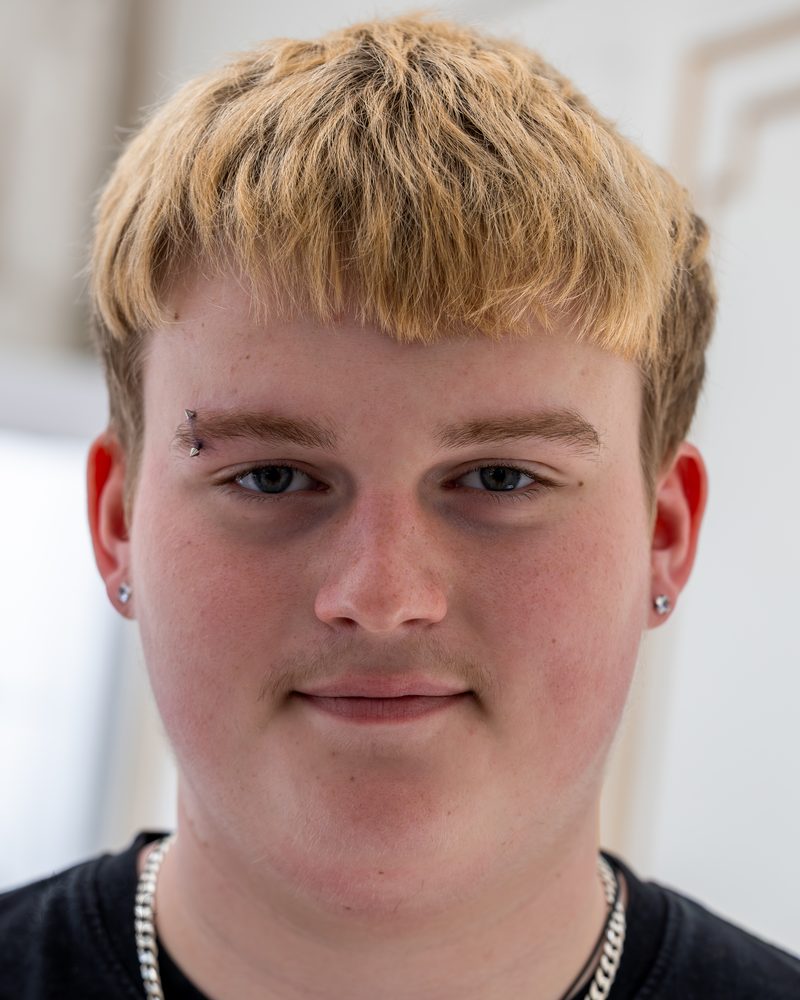
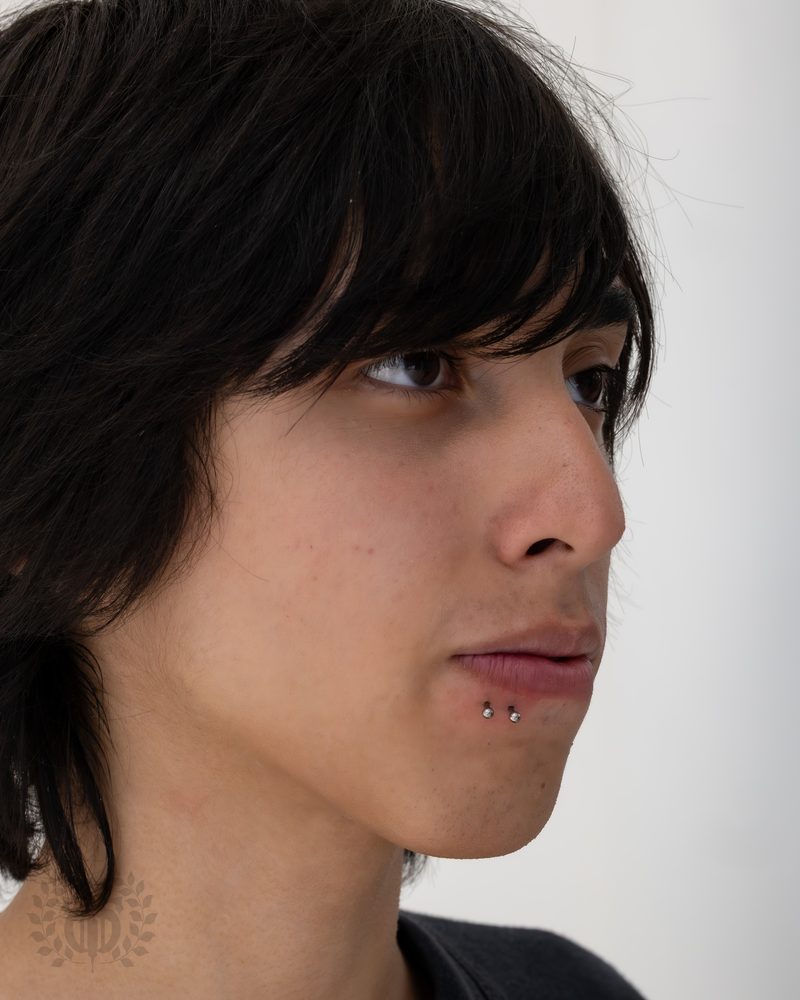
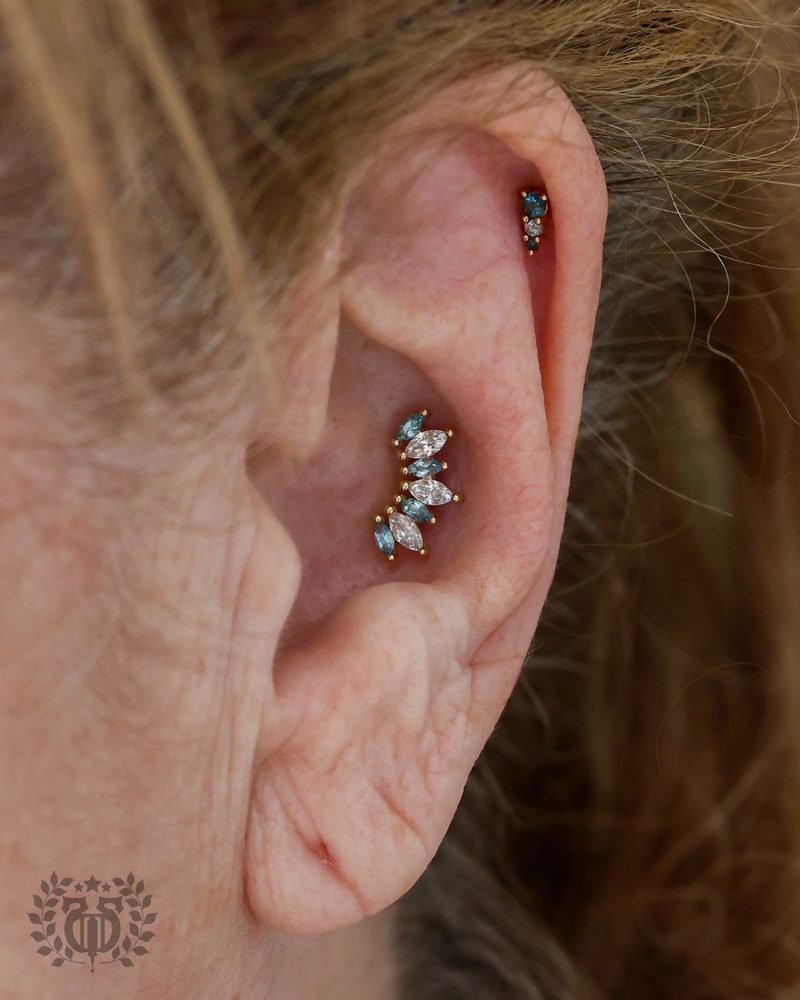
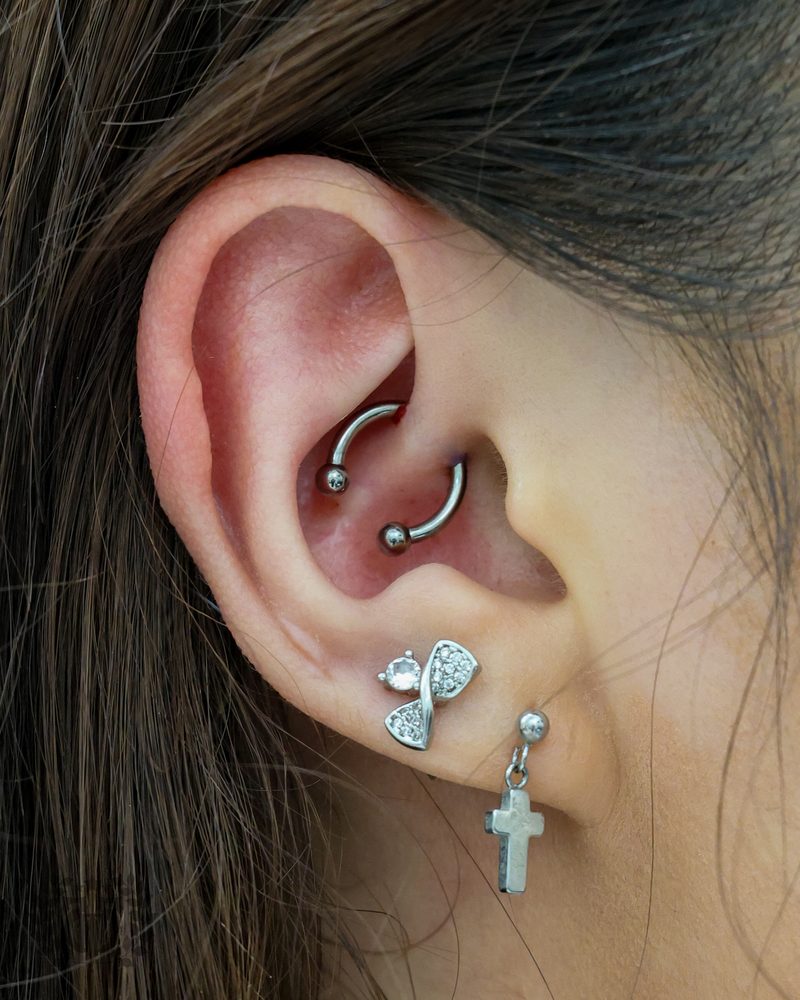
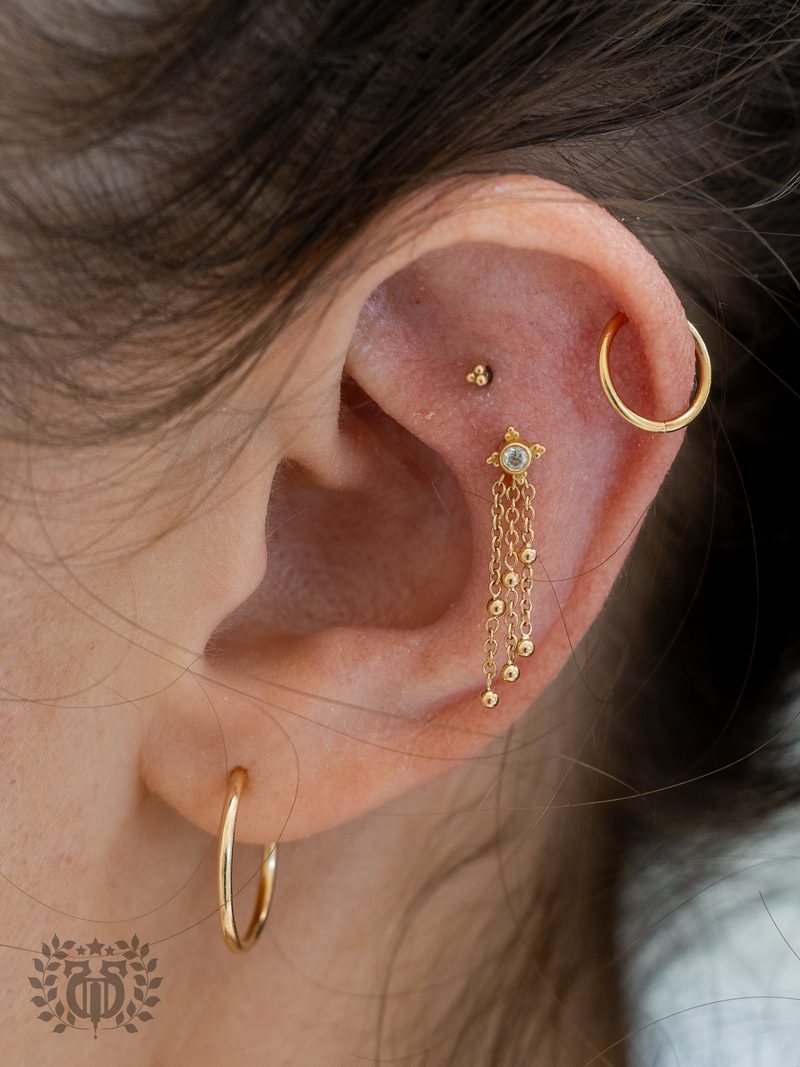
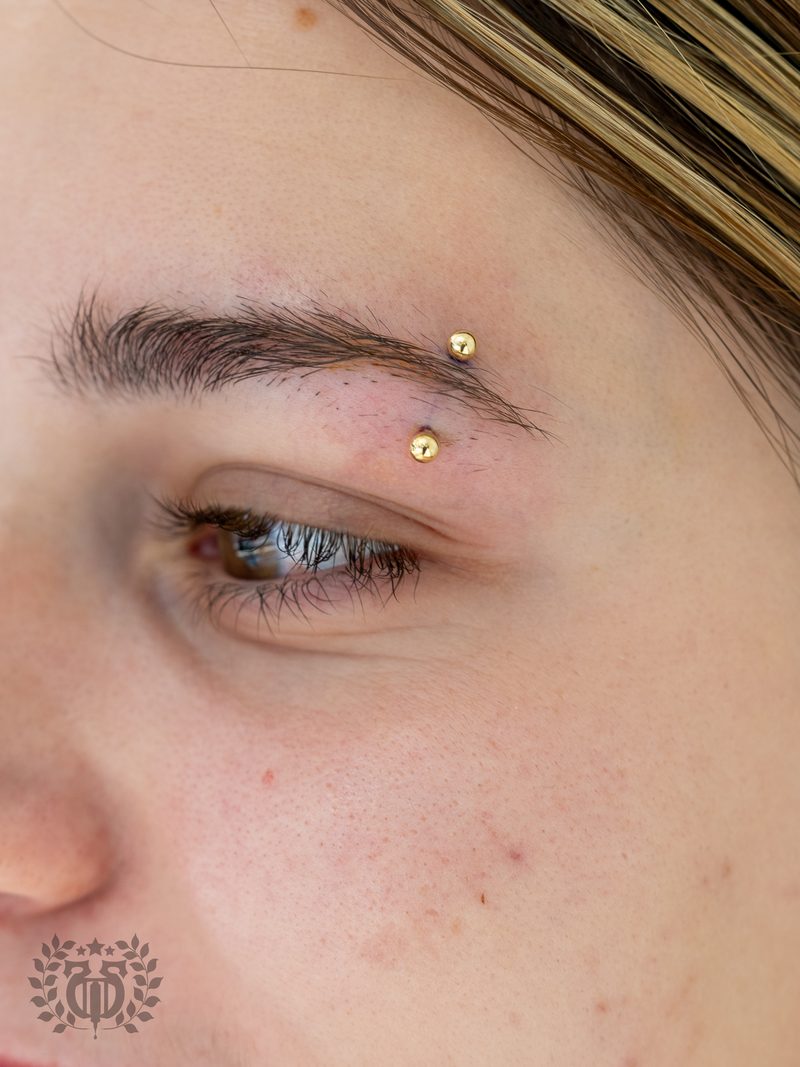
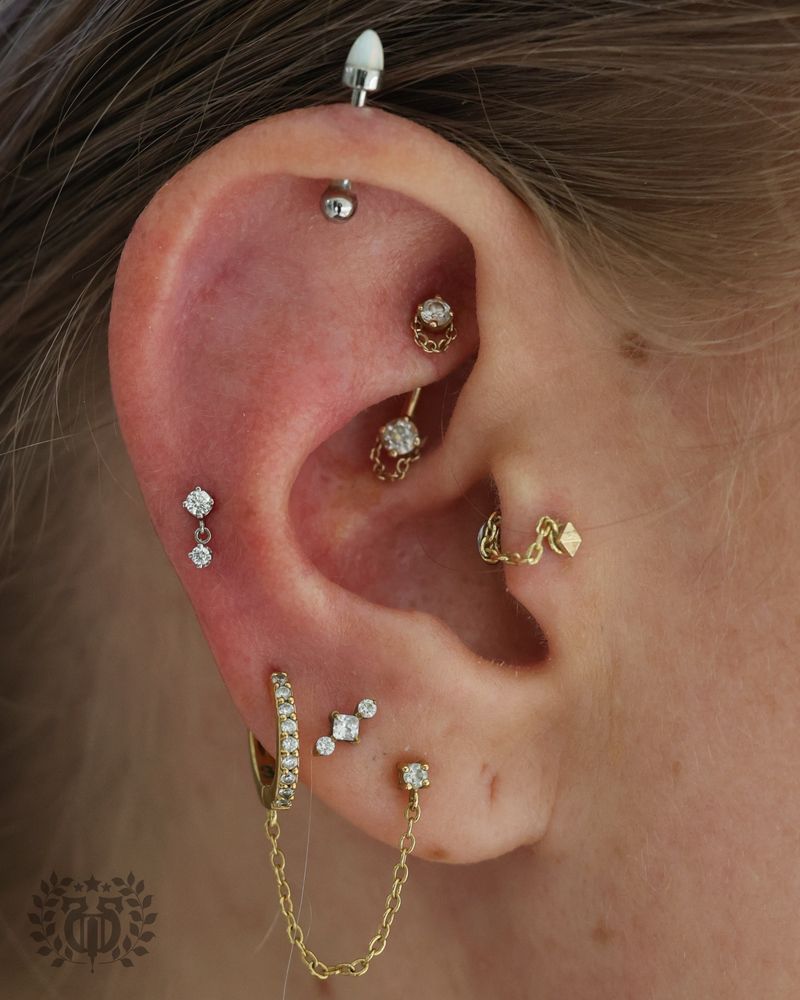
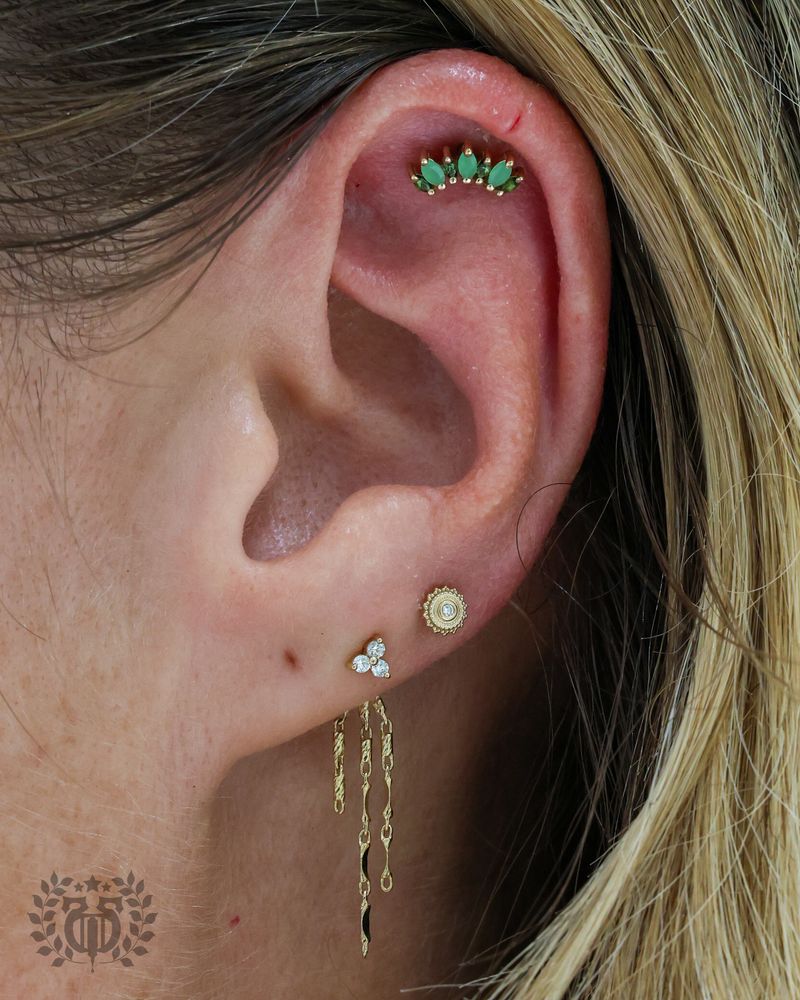
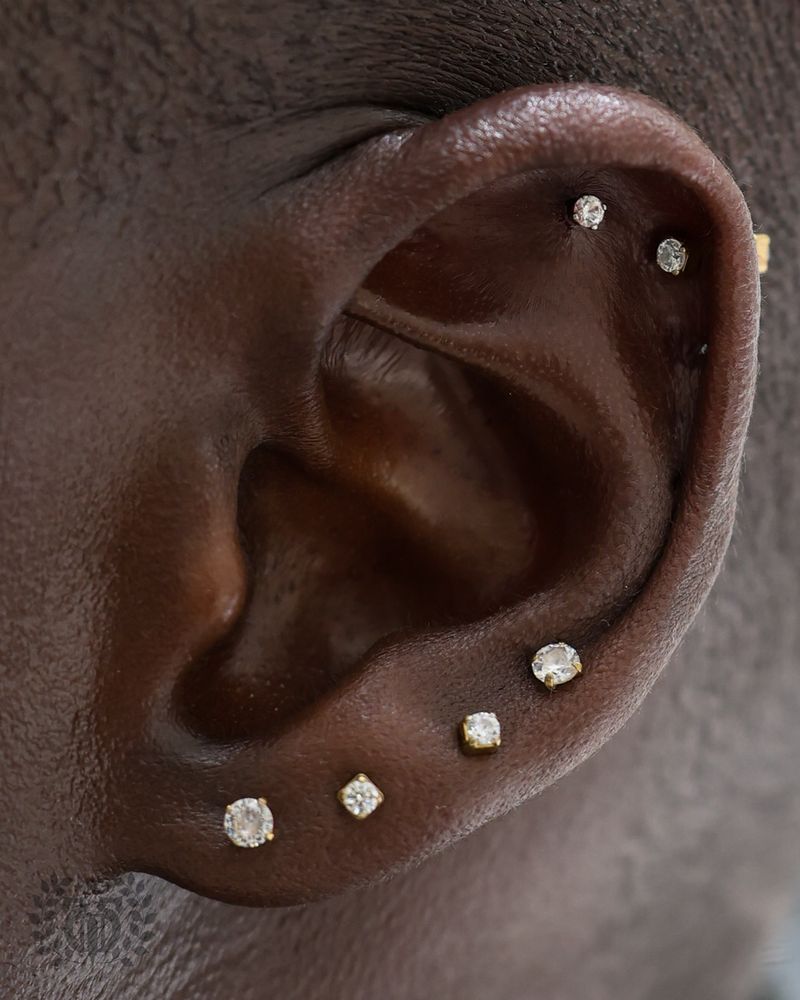
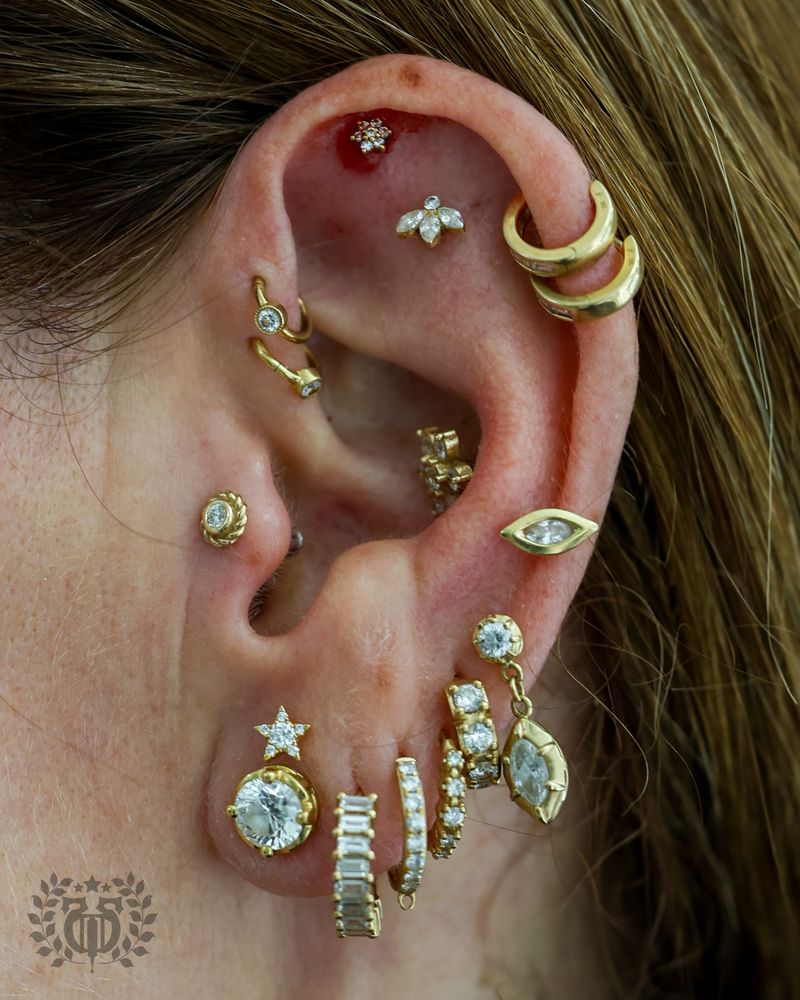
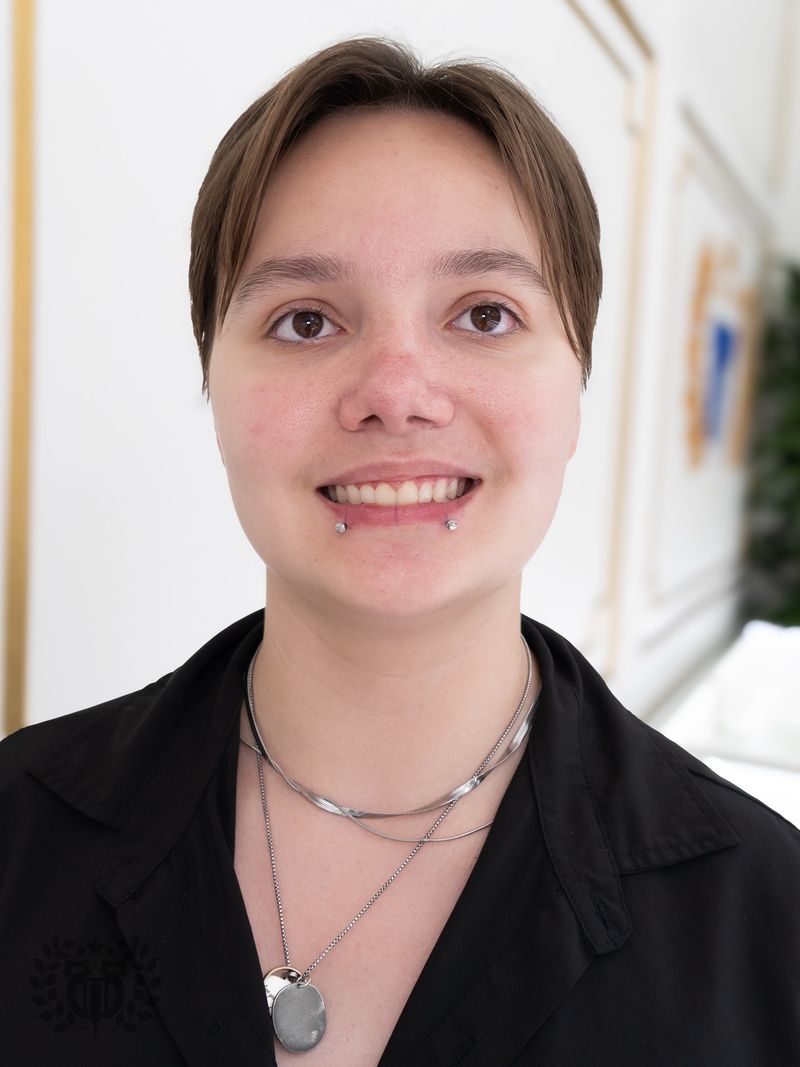
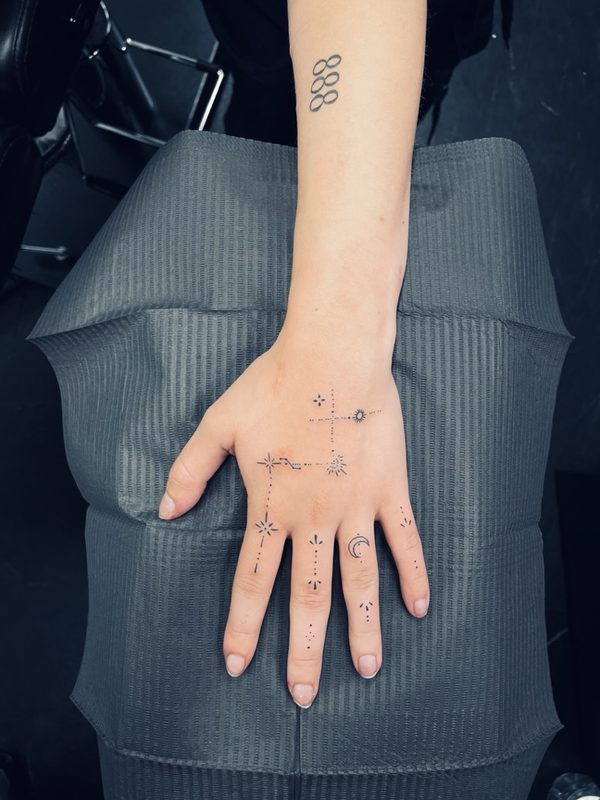
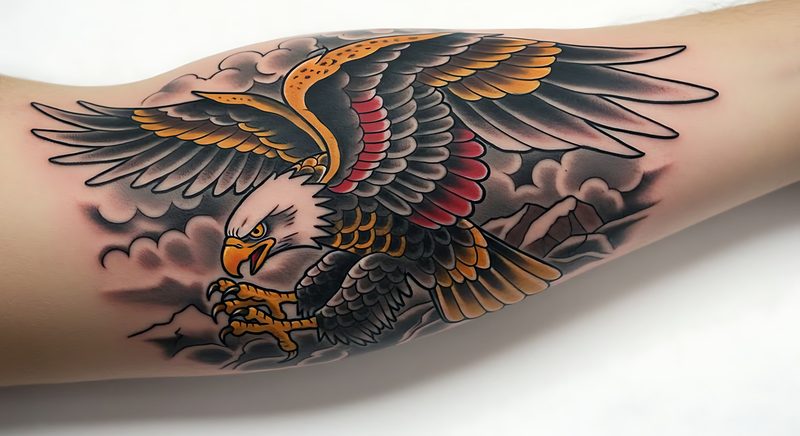
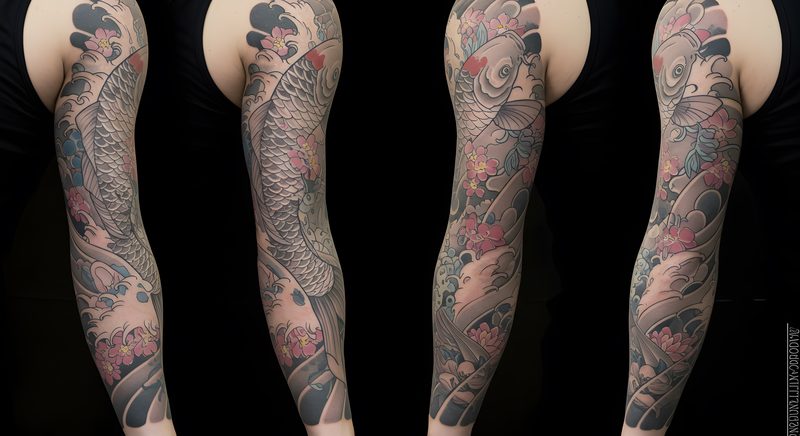
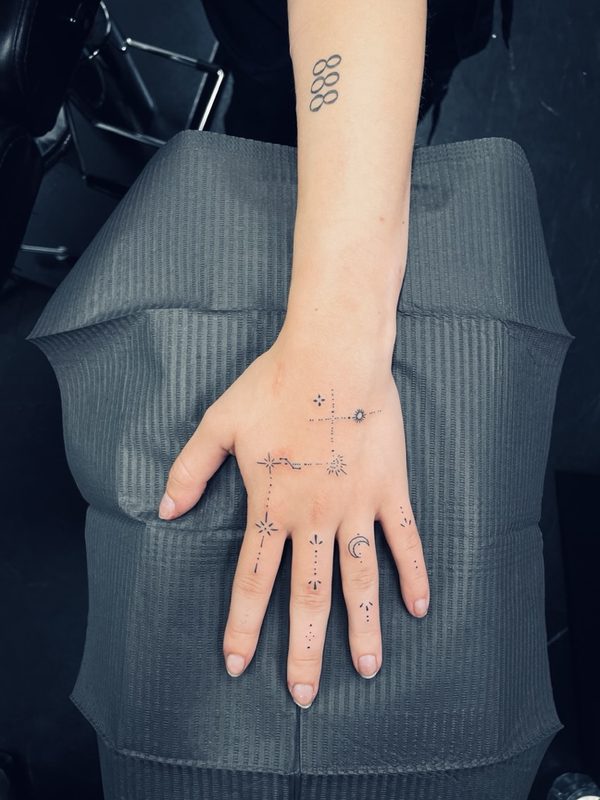
Eight pieces pulled from Bunny's working book — ear curations, cartilage compositions, and jewelry stacks. Tap any tile to open the full chronological portfolio where healed work sits alongside the fresh sessions.

Full portfolio → /artists/bunny-vogt-piercing/portfolio/

Session durations

Four session tiers. Your appointment will be one of these.

Pricing is discussed at consultation and scales with session length, jewelry selection, and complexity.

Session type What to expect
Single piercing, single visit 30–45 minutes, consultation plus piercing plus jewelry selection. Most single adult piercings and all single lobe piercings fit this shape.
Kid session, both lobes 45–60 minutes, including the pre-piercing settling-in time kids often need. Bunny paces the session to the child, not the clock.
Teen session, 1–2 piercings 45–60 minutes. Includes consultation, placement conversation with teen and parent, piercing, and aftercare walk-through.
Adult curation, planning session 60–90 minutes for the first visit in a multi-appointment curation project — sometimes includes 1–2 initial piercings, sometimes a dedicated planning visit with the first piercings booked for the following week.

Eight collaboration shapes

How Bunny works with the rest of Apollo.

Bunny doesn't pierce in isolation. The studio cross-books with Blue Mason, supports family and group appointments, and coordinates with tattoo-side clients on complementary work.

With Blue Mason — cross-piercer consults

When a client is deciding between ear-focused and full-body piercing work, Bunny and Blue consult together. The studio's preference is routing clients to the right piercer rather than the nearest available one.

Family bookings — parent plus child

Common booking shape: parent gets a piercing while the child gets theirs, often with Bunny handling both in sequence. Kids sometimes see Mom or Dad go first, which helps the nerves.

Sibling bookings

Two siblings booked back-to-back for first piercings, usually with one parent present. Bunny paces the session to the more cautious sibling's timing.

Teen + best-friend bookings

A pair of teens getting first cartilage piercings together. Bunny consults with both at once and paces the appointment to keep the session relaxed.

Bridal-party ear builds

A bridal-party member adding earring curation before a wedding. Bunny plans healing timing backward from the event date so jewelry is settled and photograph-ready.

Style-page referrals — /tattoos/styles/fine-line-tattoos-la/

Clients who've booked fine-line tattoos at Apollo sometimes add delicate-ear-curation sessions with Bunny in the same general style. Different medium, similar design sensibility.

Jewelry-change pairings

Clients who see Bunny for their initial piercing often return for downsizes, upgrades, and decorative jewelry. The same piercer who did the original work knows the healing history.

Referrals to piercings guides — /piercings/guide-to-piercing-types/

For clients new to piercing, Bunny often directs them to Apollo's piercing-types guide before the consult so the appointment can focus on placement and jewelry rather than basic education.

Consultation

Six questions Bunny asks at consult.

Expect these to come up. Knowing what you think about each saves consult time and produces a better-fit piercing.

Is this a first piercing, or an addition?

First piercings set expectations for every future piercing. Additions are about matching existing jewelry style, spacing, and healing readiness. Bunny approaches them differently.

Who is the piercing for?

Kids, teens, and adults get different consultation styles. Bunny adjusts pacing and language to the person in the chair, not a one-size-fits-all script.

Have you had a reaction to metal before?

Important to surface before jewelry selection. Apollo stocks implant-grade titanium and fine gold specifically because both are well tolerated by sensitive skin, but Bunny wants to know your history before choosing.

Is this a single piece, or the start of a curation?

A single piercing is planned differently than the first step in a multi-piercing project. If you're thinking long-term about curation, Bunny will sketch out the whole plan up front.

What's your healing situation — work, sleep, lifestyle?

Cartilage piercings take 6–12 months to fully heal and need to be protected during that window. Bunny asks about side-sleeping, headphone habits, exercise routines before recommending specific placements.

How involved do you want me to be in jewelry selection?

Some clients want to pick every piece themselves. Others want Bunny to choose based on her read of the ear. Both are fine — she just wants to know which mode you're in before the consult closes.

Downsize at six weeks, settle at three months, healed at the year. That's the timeline for most cartilage.
— Bunny Vogt, Apollo
The aftercare is quieter than you think it should be. Saline mist, twice a day, and leave it alone.
— Bunny Vogt, Apollo
Come back for the check-in. That's a real appointment, and it's where curation planning actually happens.
— Bunny Vogt, Apollo

Common misconceptions

Eight patterns Bunny corrects at consultation.

Most disappointing piercings fall into one of these eight categories. Catching them at consult prevents them in the chair.

Taking a child to the mall for a piercing gun instead

Piercing guns aren't sterilizable in the way needles are, and they deposit cartilage damage that a needle doesn't. For a kid's first lobes, the right move is a professional needle piercing by a piercer experienced with children. This is standing industry guidance.

Doing cartilage piercings too young

Cartilage is still developing through the early teen years. Bunny will have the honest conversation about whether a specific cartilage piercing is age-appropriate for a specific kid. Sometimes the answer is 'come back in 18 months.'

Forcing placement over anatomy

Not every ear will support a daith, a rook, a conch. Insisting on a piercing your anatomy won't heal produces migration, rejection, and permanent scar tissue. Bunny declines piercings when the anatomy isn't going to carry them.

Skipping the healing-window conversation

A helix that heals to year 1 isn't fully healed — it's just surface-healed. Touching it, sleeping on it, swapping jewelry too early all set back the timeline. Bunny paces the education so the healing expectation is set before the appointment closes.

Downgrading jewelry to save money

Initial jewelry sits in fresh skin for months. Implant-grade titanium and fine gold are the only reasonable starters; chrome, surgical steel, and plated jewelry all risk reactions. Apollo doesn't stock anything below that standard — Bunny won't put subpar jewelry into your fresh piercing even if you bring it in.

Not asking for a downsize

Initial jewelry is sized slightly large to accommodate swelling. Once the piercing settles, downsizing to a shorter post reduces snag risk and speeds the final heal. Many clients never ask — and end up wearing the starter length indefinitely.

Swimming or gym-sauna during early heal

Pool water, ocean water, sauna humidity all disrupt healing cartilage. Bunny covers this at the aftercare talk. Clients who miss or ignore this step end up re-healing or redoing work.

The 'I'll just do it myself at home' impulse

Home piercings with a safety pin or department-store kit produce infection, scarring, and migration at much higher rates than professional work. When clients tell Bunny they 'did it themselves and now it won't heal,' her answer is usually: let it close, then let us do it properly.

Personalization

Three layers turn a generic piercing into your piercing.

A piercing becomes yours in three layers. The first is the piercing itself. The last is the relationship that builds across years of appointments.

Ι

The piercing itself

Placement, jewelry, and technique — the baseline of what every piercing is. Bunny's signature is that the baseline is executed carefully every single time. No placement shortcuts, no jewelry downgrades, no rushed aftercare walk-throughs.

ΙΙ

The decorative layer

Jewelry upgrades, healed-jewelry fitting, and decorative curation. After the initial piercing heals, this is where the ear becomes your ear — specific stones, specific styles, specific combinations. Bunny keeps a running note of each client's curation plan.

ΙΙΙ

The ongoing relationship

Clients who see Bunny for their first piercing often return for every piercing after it. She knows your healing history, your reaction profile, your aesthetic — which means every subsequent appointment starts from a shared understanding rather than a cold consult.

Family and group visits

Parents, siblings, bridal parties — how Bunny handles group appointments.

A significant share of Bunny's book is family and group sessions. Here's how those appointments are shaped.

Parent + child bookings

Common at Apollo. Parent gets their piercing first (often a second lobe or an upgrade), child watches, then child's turn. The order helps with nerves.

Sibling bookings

Siblings booked back-to-back with one parent present. Bunny paces the appointment to the more cautious sibling's timing.

Family ear-curation projects

Occasionally three generations book curation sessions together — grandmother's upgrade, mother's addition, daughter's first lobes. The studio embraces this kind of family work.

Bridal parties and milestones

Bunny handles bridal parties, milestone birthdays, and family celebrations as single-appointment group sessions. Healing timing is planned backward from the event date when applicable.

FAQ

The questions every Bunny consultation surfaces.

Eight questions covering kids, teens, adults, jewelry, healing, and what to expect at the appointment.

How young is too young for a child's first piercing with Bunny?

Apollo and Bunny follow the general standard that a child should be old enough to understand the procedure, consent to it in an age-appropriate way, and participate in their own aftercare. In practice, that usually lands somewhere between ages 4 and 7 for first lobes. We have pierced younger kids when parents and child both want it — but Bunny's consultation will honestly assess whether the child is ready. A piercing forced on a resistant child is never the right call; the conversation with parents about waiting is part of the service.

What jewelry does Apollo stock for fresh piercings?

Apollo exclusively stocks implant-grade titanium and fine gold (14k and 18k) for fresh piercings. No surgical steel, no chrome, no plated pieces. Implant-grade titanium is the gold standard for sensitive skin and new piercings because it's biologically inert and carries no nickel. Fine gold is an option for clients who want a specific aesthetic starting jewelry. Bunny selects from the studio's stocked lines in consultation based on the piercing, the healing expectations, and the client's preferences.

How long do cartilage piercings take to heal?

Real healing in cartilage (helix, tragus, conch, rook, daith, flat) takes 6 to 12 months — some take longer. The surface heal, where the piercing stops being obviously sore and weepy, happens in the first 4 to 8 weeks. But the internal tissue is still remodeling for up to a year or more. During that full healing window the piercing is more vulnerable to trauma, jewelry snags, and bumps. Bunny walks every client through what the timeline actually looks like so expectations match reality.

Does Bunny do septum and nostril piercings?

On a case-by-case basis. Facial piercings (nostril, septum) are in her range for simple, well-anatomied cases. For more complex facial work — bridge, nasallang, unusual anatomy — Apollo routes clients to Blue Mason, the studio's senior piercer with the broader facial and body piercing range. When you book a consultation, the studio matches you to the right piercer for your specific piercing rather than defaulting to first-available.

What does a first-piercing appointment with Bunny actually look like?

Typical first-piercing appointment runs 30 to 60 minutes depending on age and complexity. For a kid's first lobes, that includes meeting the child, letting them see the setup, marking placement with parent and child input, executing both piercings (usually back-to-back with a brief pause between), fitting and photographing the jewelry, and walking through aftercare. For adult single piercings, it's more consultation-heavy — placement conversation, jewelry selection, piercing, aftercare. Bunny's pacing is unhurried regardless.

Can I bring my own jewelry for my piercing?

For a fresh piercing, no — Apollo uses only its own stocked implant-grade titanium and fine gold for initial jewelry. The reason is simple: we can verify the provenance, grade, and sterilization of our own stock. Once a piercing is fully healed and downsized, you're welcome to bring in properly-sourced jewelry for Bunny to fit and install. For fresh work, the stocked studio lines are what go in.

How do I book a piercing appointment with Bunny?

Through Apollo's online consultation and booking system (linked on every page of this site) or by calling the studio directly. For first-time clients, we recommend starting with a consultation so Bunny can assess anatomy, discuss placement, review aftercare, and book the piercing itself for a follow-up appointment. For simple single piercings on returning clients, we can often consult and pierce in the same visit. Walk-ins are accepted when the book allows, but scheduling is always smoother with appointments.

What if I have sensitive skin or a metal allergy?

Flag it at consultation. Implant-grade titanium is the safest starter jewelry available and is well tolerated even by clients with documented nickel and chrome sensitivities. Fine gold (14k and 18k) is a secondary option for clients who prefer it. Bunny will go over the specific lines Apollo stocks and what each is best suited for. If you've had severe reactions in the past, we may start with a patch-test approach before the piercing itself.

Ready to book with Bunny?

Bring the age, the piercing you're thinking about, and any metal-reaction history — and we'll take it from there.

First consultations with Bunny are scheduled through Apollo's online booking system or by calling the studio. For kid first-lobes, expect a 45–60 minute session with both sides done. For adult curation, expect a longer planning visit and a multi-session project.

What Bunny does Consultation