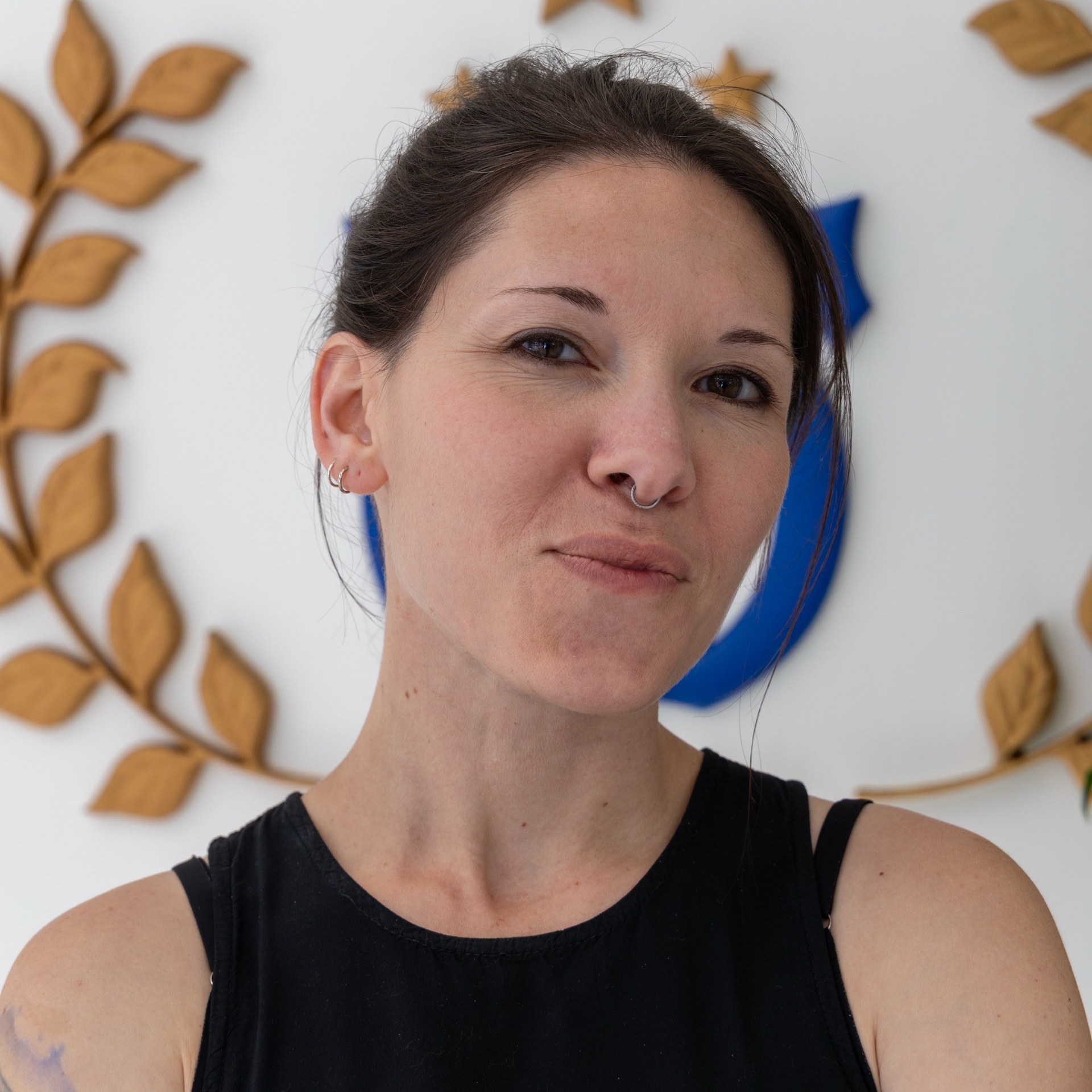
Senior Piercer & Studio Founder · Since 2010

Needle, autoclave, studio-founder. Two decades of piercing at Apollo.

Blue Mason founded The Apollo Tattoo Studio and still pierces there daily. Fakir-certified, dual-discipline (piercing and tattoo), and the studio's go-to for facial and body piercing work.

A working bio for Blue — the specialties, the styles, the Fakir-lineage credentials behind the practice, and how to book. Blue has been piercing since 2010 and tattooing alongside that across the same career. Before founding Apollo, [artist's first training shop name] — the deeper lineage Blue can walk you through at consultation.

At Apollo since2004
SpecialtiesTwenty years behind the needle · Classic lobes to intricate ear curations · Advanced cartilage work · Industrial piercings

Is Blue right for you?

Five quick questions that point you in the right direction.

Apollo has two senior piercers with complementary books. Here's how to tell if Blue's the fit — and when Bunny Vogt might be the better match.

Ι

Facial or body piercing?

Blue is Apollo's go-to for facial piercings (septum, bridge, nostril, labret, lip variants, eyebrow) and body piercings (navel, nipple, surface, genital). If your piercing isn't a straightforward ear lobe or simple cartilage piece, Blue is very likely the right fit — especially for anything with unusual anatomy or a procedure that requires formal Fakir-lineage training.

ΙΙ

Complex ear curation?

For ear-curation projects involving technically demanding piercings — industrials, orbitals, multi-piece structural clusters — Blue's the right piercer. Simpler ear-curation projects and kid/teen work usually route to Bunny Vogt, Apollo's other senior piercer, whose book specializes there.

ΙΙΙ

Looking for a tattoo-and-piercing session?

Blue is also a tattoo artist — one of the rare practitioners who does both at senior level. Clients sometimes book a piercing and a small tattoo in a single visit, or plan complementary work across both disciplines. Ask at consultation if this is something you want to explore.

ΙV

Want a Fakir-lineage piercer?

Blue is formally trained through the Fakir Intensives — the lineage Fakir Musafar established as the standard of professional body piercing education. If the provenance of your piercer's training matters to you, Blue's curriculum and certification are public-record and documented.

V

Need the studio founder's assessment?

As Apollo's founder, Blue sometimes takes on the edge-case consultations — complex anatomy, troubleshooting migrated or rejected piercings from other studios, planning work that will intersect with scar tissue or surgical modifications. If a previous piercer has told you 'we can't do that,' a second opinion with Blue is worth the consult.

If your anatomy won't carry the piercing, I'll tell you. That's the conversation, not the piercing.
— Blue Mason, Apollo
Implant-grade or fine gold, nothing else. We don't stock what we wouldn't put in our own skin.
— Blue Mason, Apollo
Fakir taught me the procedure. The client teaches me the specific body, every single time.
— Blue Mason, Apollo

What Blue does best

Twelve specialties, each with its own session shape.

Blue's book runs from standard facial piercings to Fakir- specific body procedures, technical ear work, and troubleshooting consultations. These are the specialties he's most booked for.

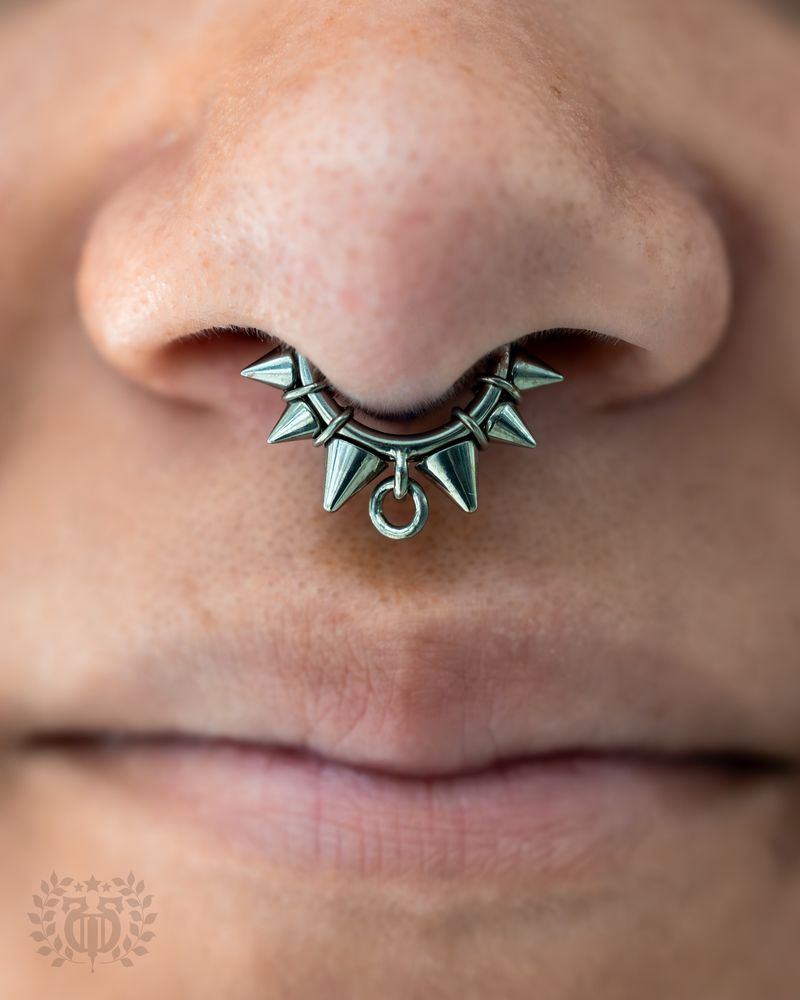
Septum piercings

From simple to anatomy-dependent complex

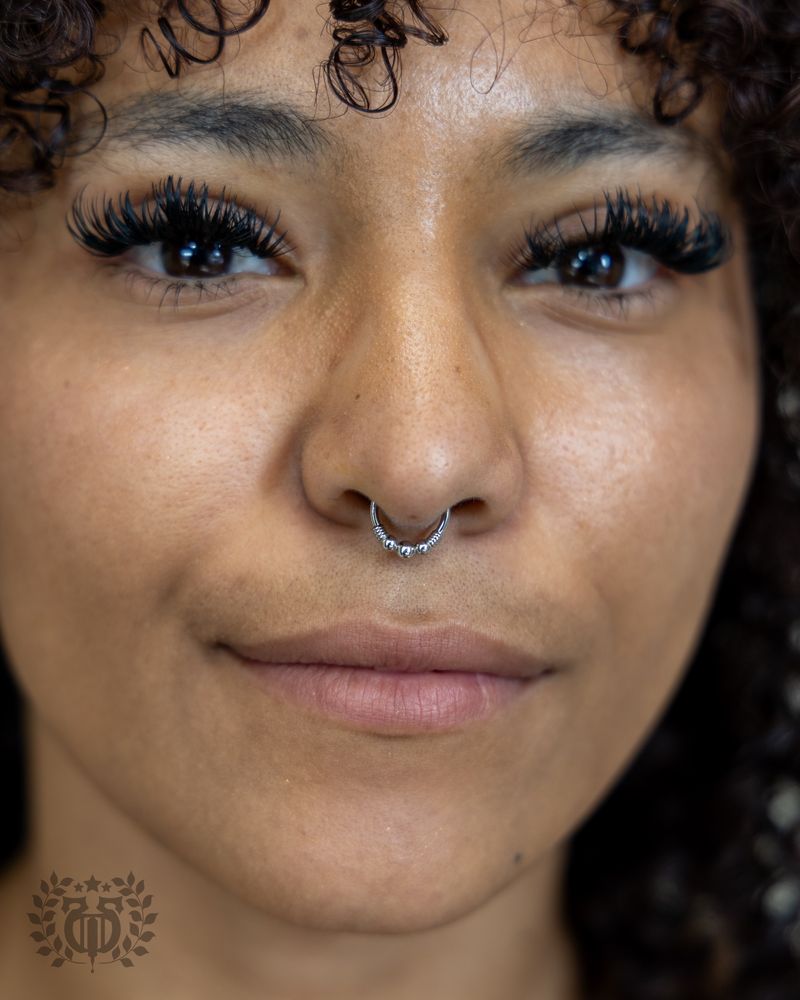
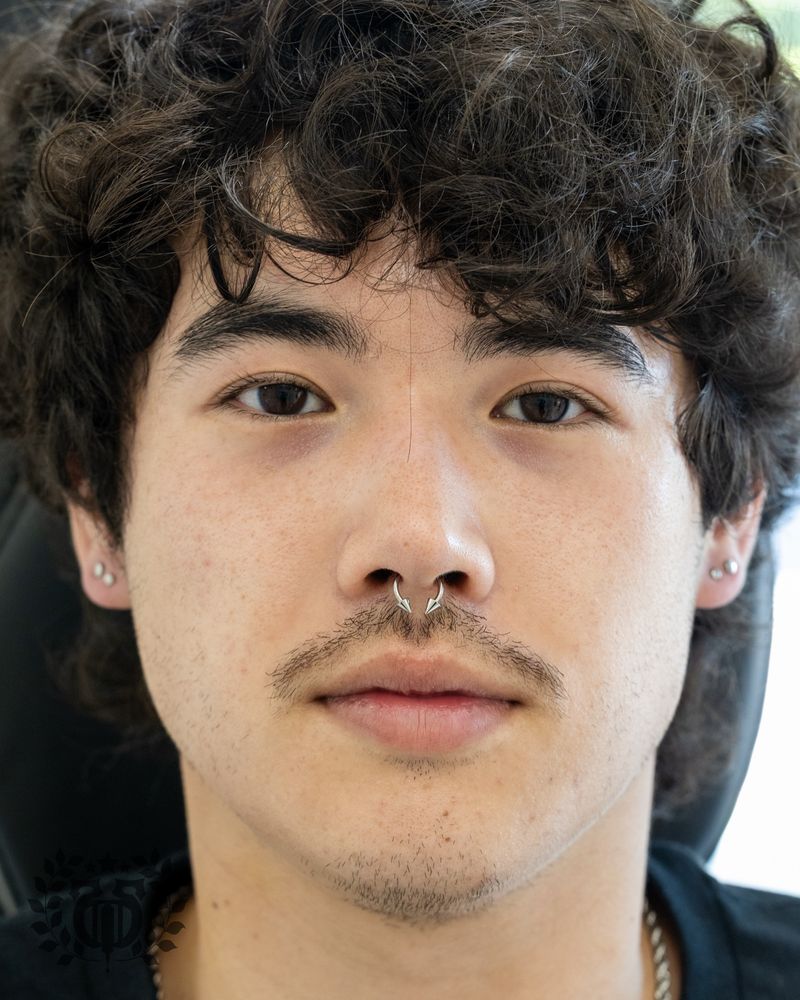
One of Blue's most-requested facial piercings. Standard septum placement through the sweet-spot (the thin tissue column at the front of the septum) is a routine Blue appointment. Complex cases — deviated septa, sinus history, anatomy that lies outside the standard column — require more consultation time and sometimes an honest 'this isn't a fit' conversation.

Session. Single visit

Placements. Septum

Nostril piercings

Standard, high-nostril, and double configurations

Standard nostril piercings, high-nostril placements, and double-nostril configurations (two piercings on one side). Blue assesses nostril shape and cartilage density in consultation and plans jewelry selection accordingly. Fine-gold hoops and discrete titanium studs are both common starters.

Session. Single visit

Placements. Standard nostril · high nostril · double

Bridge piercings

Anatomy-critical, surface-piercing category

The bridge (between the eyes, across the top of the nose) is technically a surface piercing with a long healing window and specific anatomy requirements. Blue does bridge piercings for clients with appropriate anatomy and is honest about migration risk in the long term. [Portfolio highlight here once user provides reference.]

Session. Single visit

Placements. Bridge (anatomy-dependent)

Labret & lip variants

Center labret, side labret, Monroe, Medusa, vertical labret

Full range of lip and chin piercings. Blue walks clients through the specific tissue behavior of each placement — some placements eat through tooth enamel over years, some push against gum tissue, some are far more durable. The consult covers trade-offs before the piercing happens.

Session. Single visit

Placements. Center labret · Monroe · Medusa · vertical · side labret

Eyebrow piercings

Surface-category piercing with specific healing

The eyebrow piercing is a surface piercing with elevated migration risk compared to cartilage or lobe work. Blue takes the appointment for clients who understand the trade-offs and will follow the longer healing protocol. [Portfolio highlight here once user provides reference.]

Session. Single visit

Placements. Eyebrow

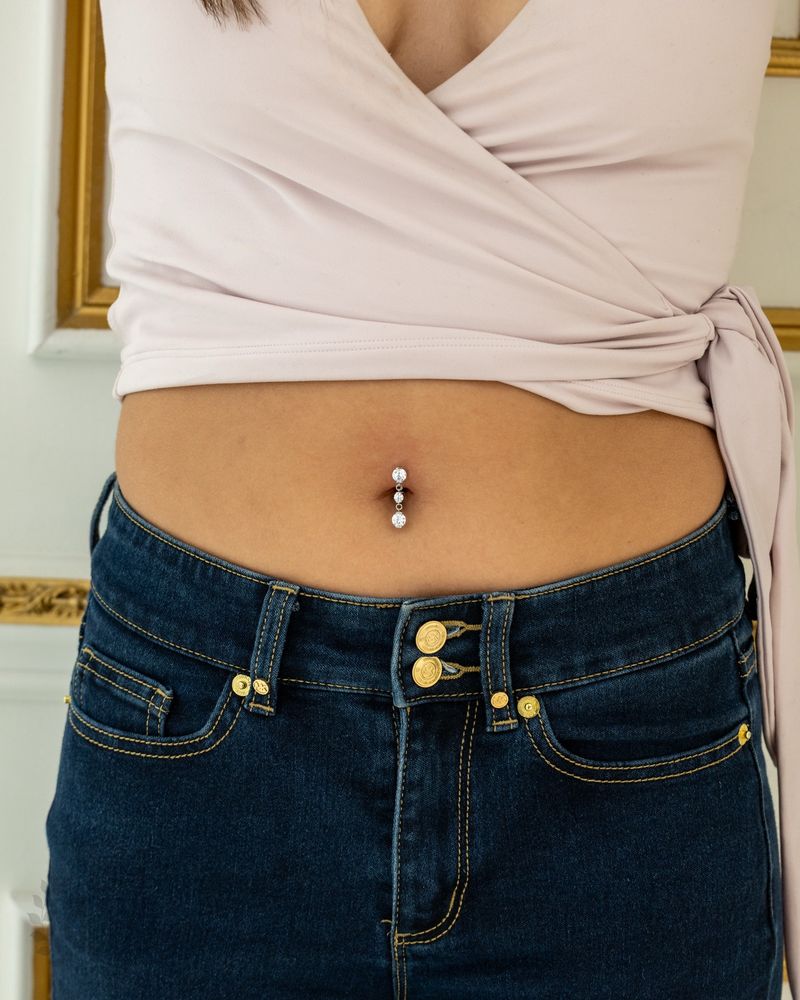
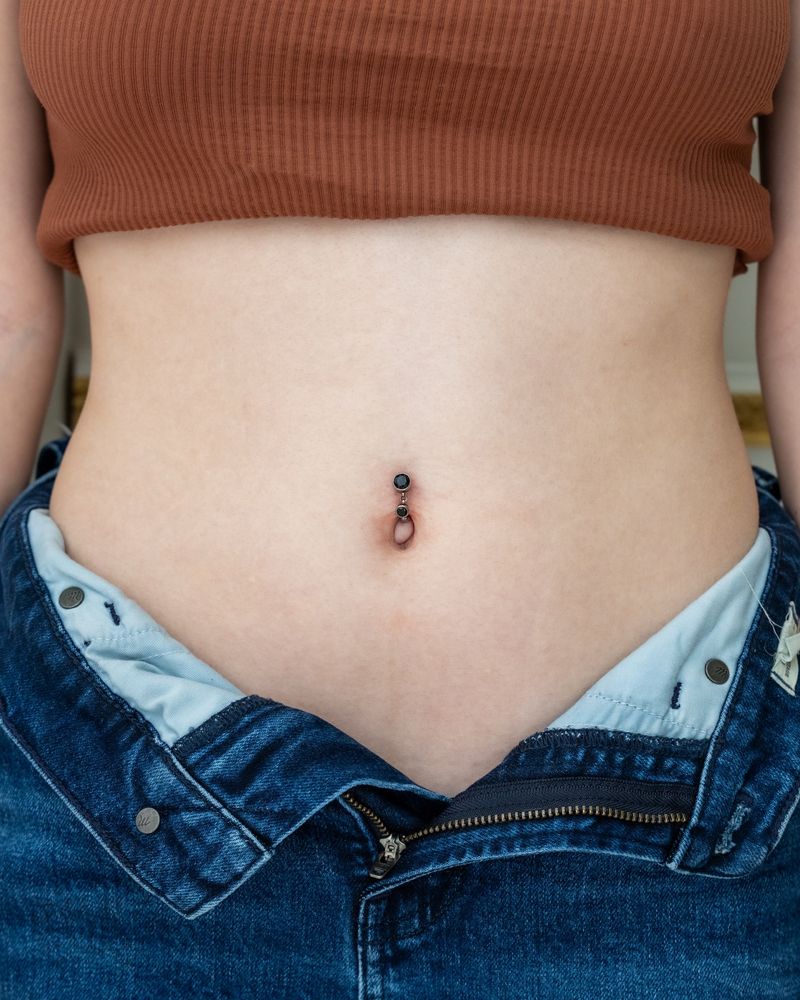
Navel & body surface piercings

Anatomy-dependent, technique-specific

Navel piercings for clients with appropriate shelf anatomy; Blue declines the piercing in consultation when the anatomy won't support a long-term heal. Surface piercings (nape, sternum, anti-eyebrow) as case-by-case bookings with explicit long-term trade-off conversations.

Session. Single visit

Placements. Navel · nape · sternum (surface)

Nipple piercings

A specialty Blue books regularly

Single or paired nipple piercings, performed with the full Fakir-lineage procedure. Blue walks clients through healing expectations (6–12 months for full heal), jewelry selection, and placement-specific considerations before the appointment itself. Privacy is handled with studio-standard discretion.

Session. Single visit

Placements. Nipple (single or bilateral)

Industrial piercings

Two piercings connected by a single bar

The industrial (standard: two helix piercings connected with a single straight bar) requires specific upper-ear anatomy. Blue assesses carefully — not every ear supports an industrial and forcing the piercing produces migration and scar tissue. When the anatomy's right, Blue plans placement for the bar's long-term fit.

Session. Single visit

Placements. Industrial (upper ear)

Orbital & cluster ear piercings

Multiple piercings connected with a single ring or decorative grouping

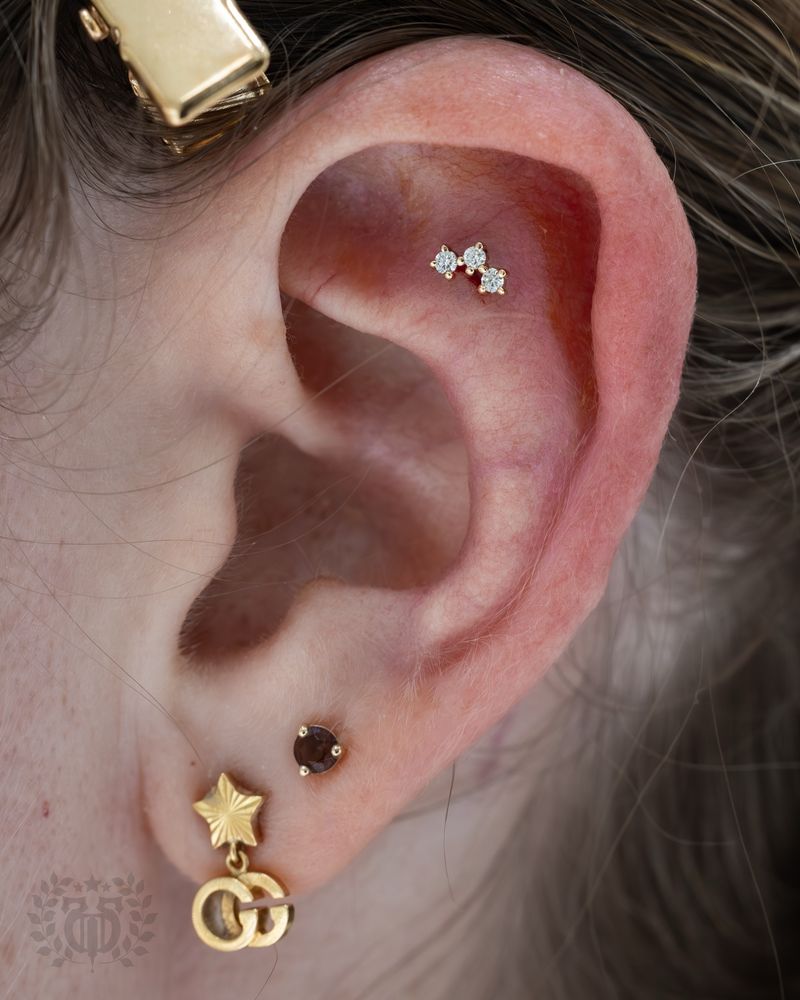
Orbitals (two piercings sharing a single ring) and decorative ear clusters that require technical planning across multiple placements. These are Blue's specialty inside ear curation — the pieces that demand the higher-technical-complexity work.

Session. 1–2 visits

Placements. Orbital lobe · helix cluster · conch cluster

Genital piercings (consult-first)

Full Fakir-lineage genital piercing practice

Blue performs the full range of genital piercings taught in the Fakir Intensives. All genital piercings are consult-first — we never do genital work without a dedicated pre-piercing consultation to assess anatomy, discuss healing, and ensure the appointment is a fit. Privacy protocols and studio-standard discretion apply throughout.

Session. Consult + single visit

Placements. Consult-dependent

Troubleshooting migrated or rejected piercings

Second-opinion consults

Clients whose piercings have migrated, rejected, or refused to heal at other studios. Blue assesses what happened, whether the original piercing can be salvaged (downsize, jewelry change, placement shift) or needs to close and be redone. Often the consultation is 'give it six months to close fully, then we'll redo it correctly.'

Session. Consult + (often) later redo

Placements. Any

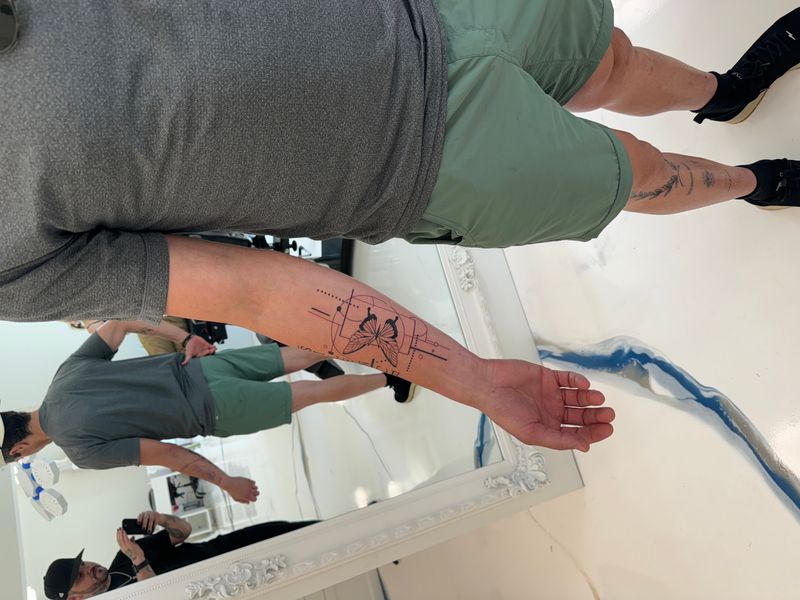
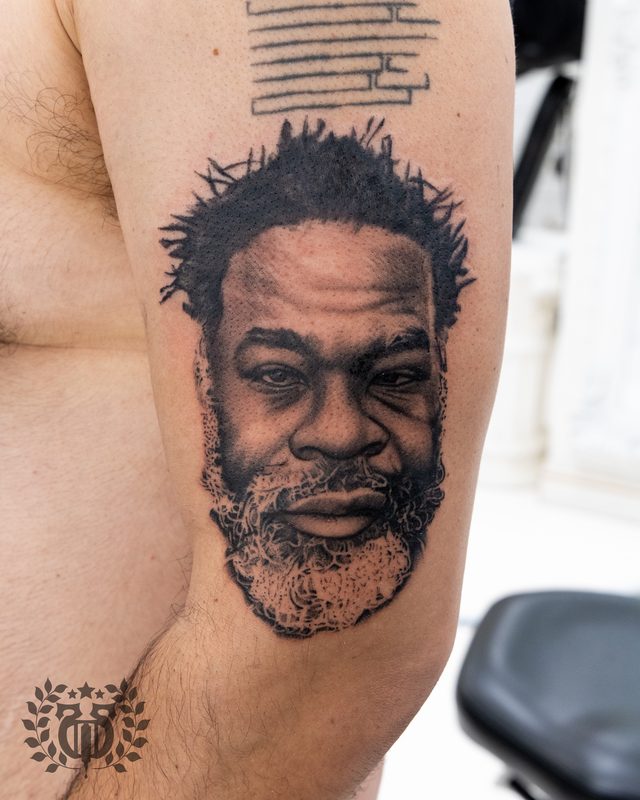
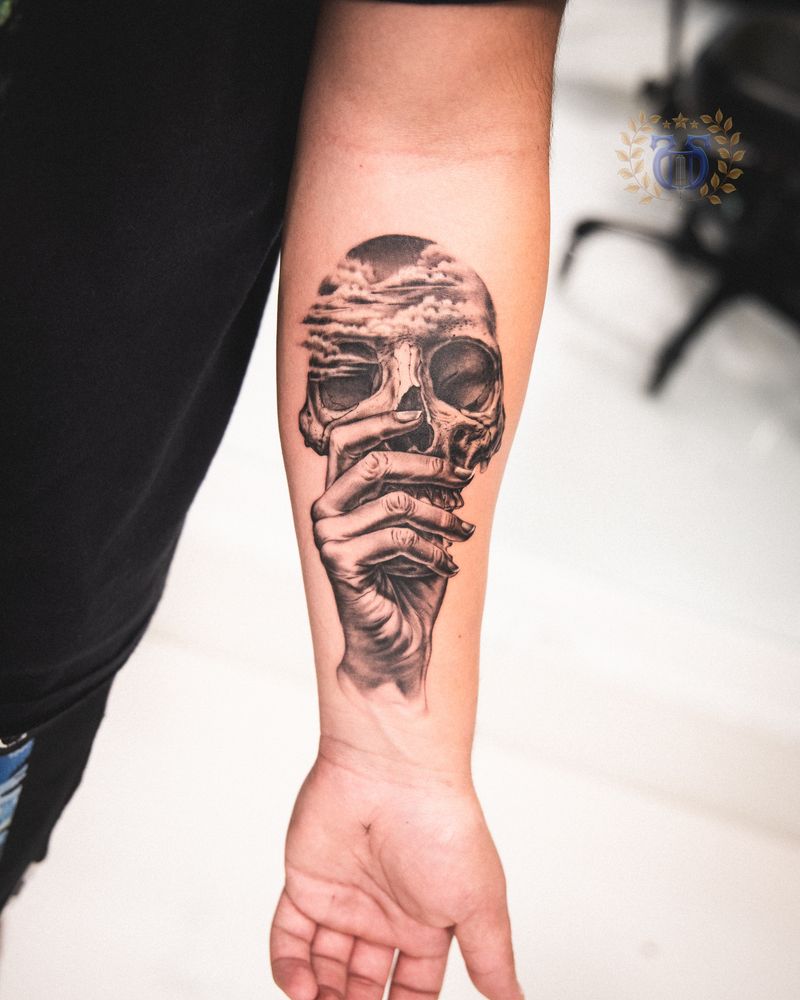
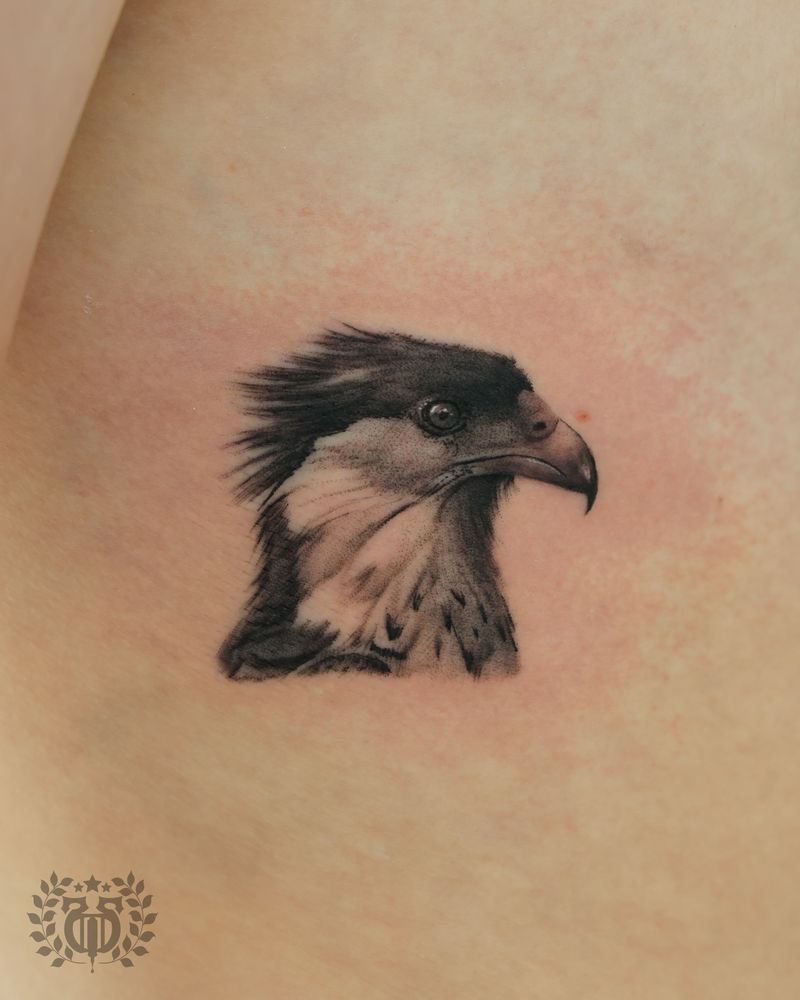
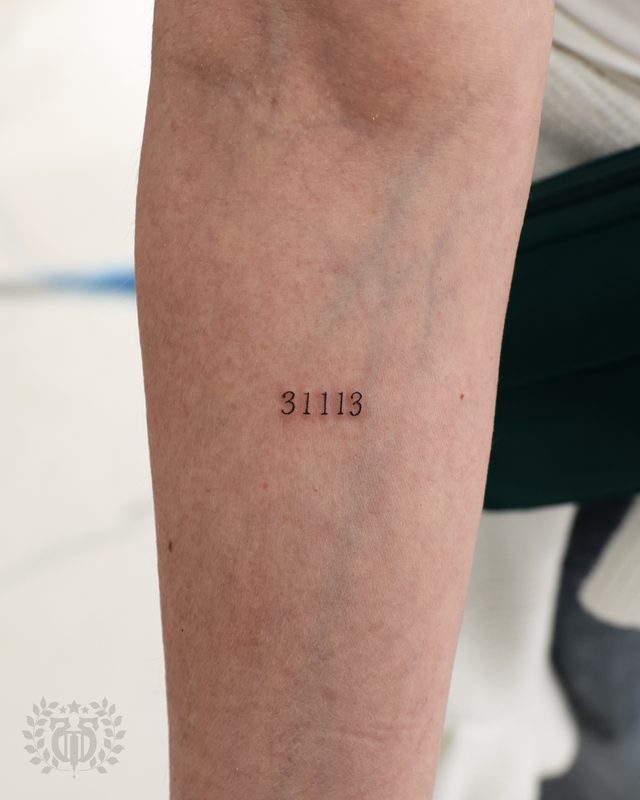
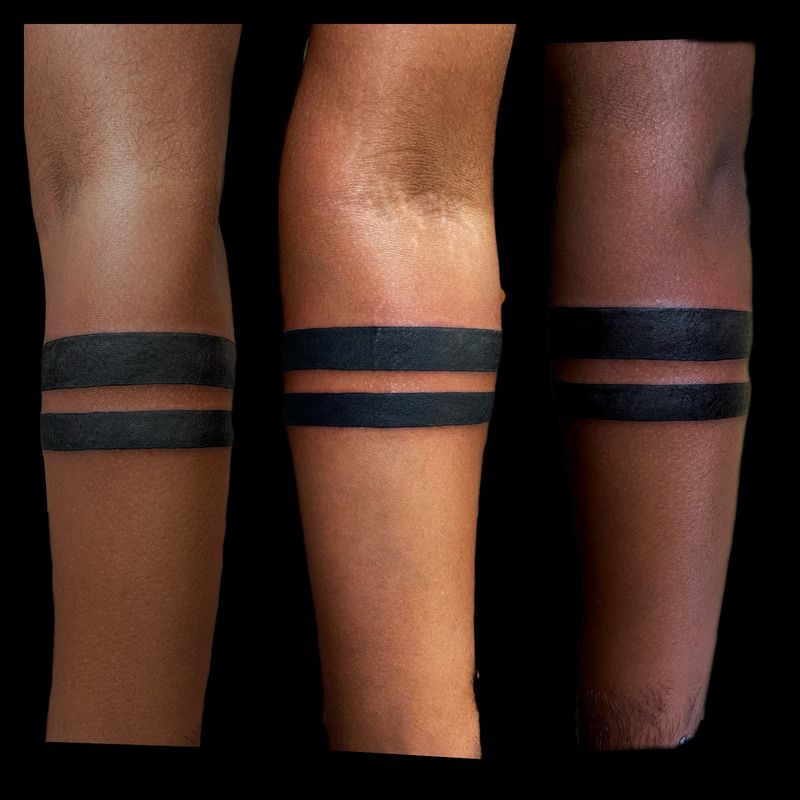
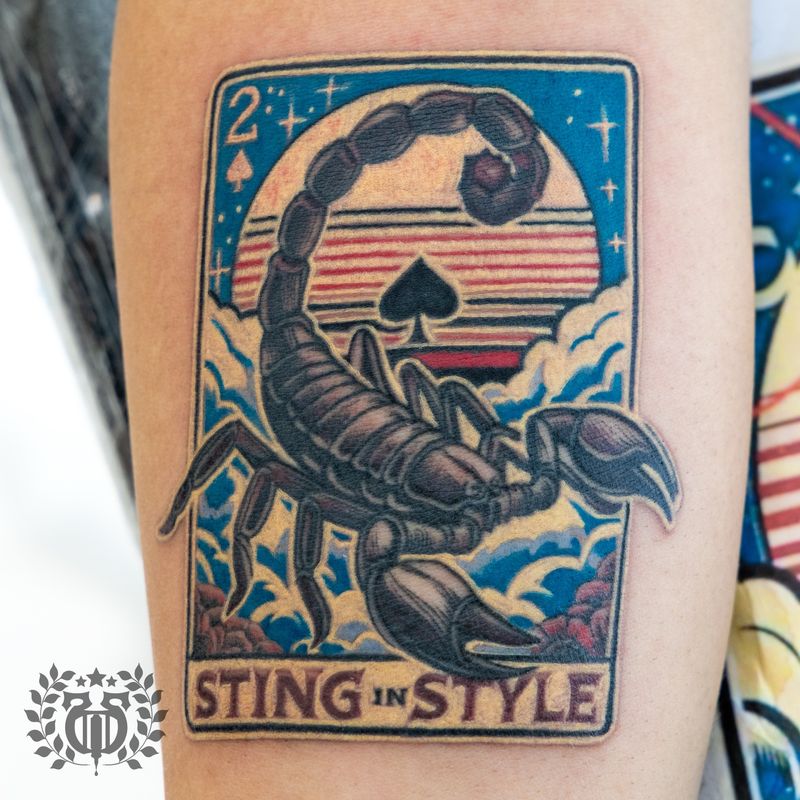
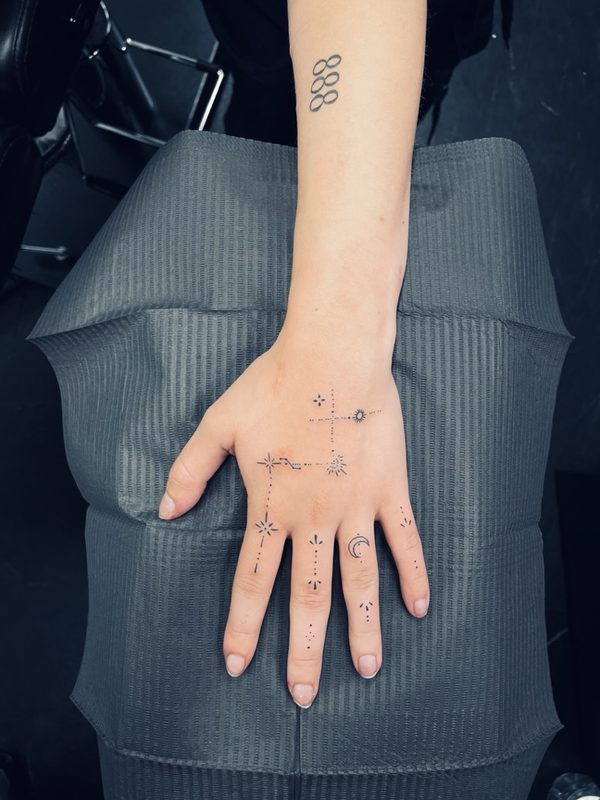
Blue's tattoo side — complementary to piercing

Black and gray, ornamental, script

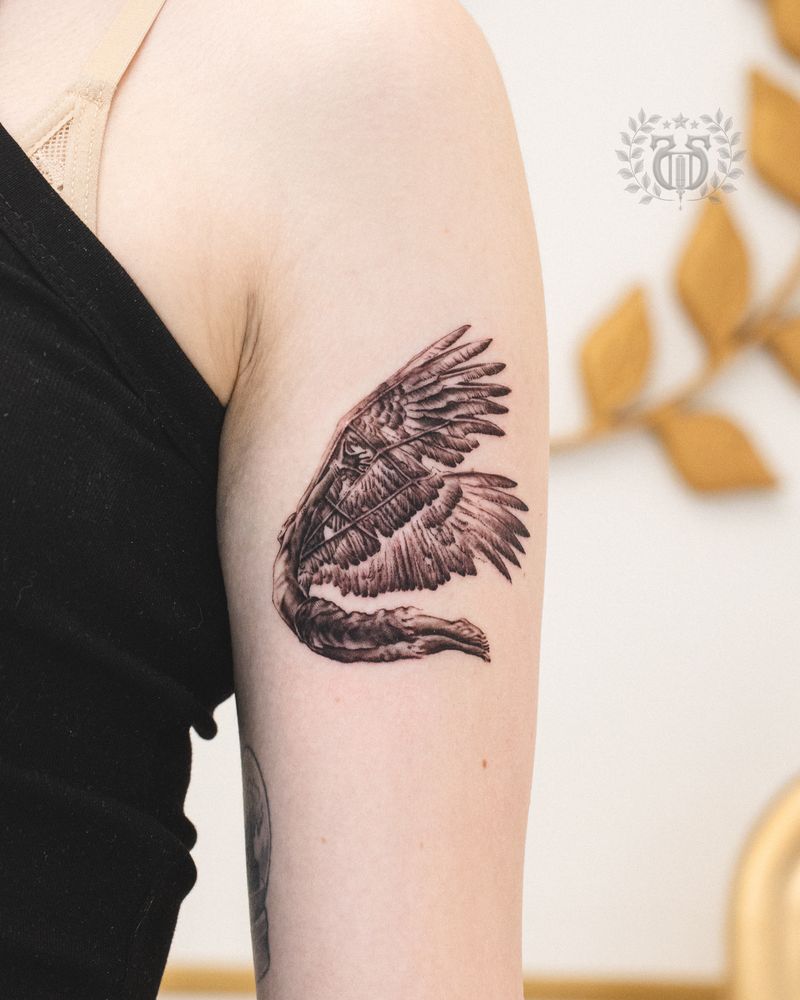
Blue also tattoos. His tattoo specialty styles include black and gray ornamental work, decorative script, and small-scale illustrative pieces. Clients sometimes book tattoo and piercing work together or across coordinated visits. See Blue's tattoo portfolio before the consult.

Session. Variable by piece

Placements. Full range, tattoo-side

Six styles

The modes Blue works in.

Each style has a different consultation depth, session structure, and credential backing. Knowing which one you're in narrows the booking.

Facial piercing — the core specialty

Septum, nostril, bridge, labret, lip variants, eyebrow

Blue's deepest specialty. Years of facial-piercing practice and the Fakir curriculum behind it. Every facial piercing is anatomy-assessed in consultation and placed for long-term healing rather than momentary aesthetic.

Best for. Facial piercings of any complexity · second-opinion consults

Placements. Septum · nostril · bridge · labret · eyebrow · ear

Session. Single visit (most cases)

Body piercing — full Fakir-lineage range

Navel, nipple, surface, genital

The full body-piercing range taught through Fakir Intensives. Every body piercing is anatomy-first — Blue declines work where the anatomy won't support long-term healing, regardless of what the client wants.

Best for. Body piercings requiring Fakir-lineage training · complex anatomy

Placements. Nipple · navel · surface · genital

Session. Single visit (plus consult for genital work)

Technical ear work — industrials, orbitals, clusters

The complex end of ear curation

The structurally-demanding end of ear piercing. Industrials, orbitals, and multi-piece clusters require technical planning across multiple placements and jewelry that fits the planned composition. Simpler ear work usually routes to Bunny; technically complex ear work comes to Blue.

Best for. Industrial piercings · orbital configurations · structural ear clusters

Placements. Upper ear · conch · helix cluster work

Session. 1–2 visits per cluster

Second-opinion consultations

Migrated, rejected, or problematic piercings from other studios

A significant share of Blue's consultations are second opinions — piercings that migrated, rejected, or haven't healed after work elsewhere. Blue assesses whether a salvage is possible or whether the piercing needs to close and be redone. The consultation itself is the service.

Best for. Troubleshooting existing work · post-rejection planning

Placements. Any existing piercing

Session. 30–60 minute consult

Fakir Intensives curriculum sessions

Piercings that specifically require Fakir-lineage training

Certain piercings — specific genital piercings, specific surface piercings, certain Fakir-tradition ritual piercings — are only performed by Fakir-certified piercers. Blue's Fakir certification opens these procedures at Apollo.

Best for. Fakir-specific procedures · ritual piercings · traditional body piercing

Placements. Consult-dependent

Session. Consult + dedicated session

Tattoo-and-piercing combined visits

Blue as dual-discipline senior artist

Blue is one of a small number of practitioners who works at senior level in both piercing and tattooing. Clients occasionally book coordinated visits — a piercing plus a small tattoo, or tattoo work that visually coordinates with existing piercings. Ask at consultation if this interests you.

Best for. Clients wanting coordinated tattoo + piercing work · longtime Blue clients

Placements. Full range across both disciplines

Session. Variable, consult-dependent

Selected work

A sampling from Blue's working book.

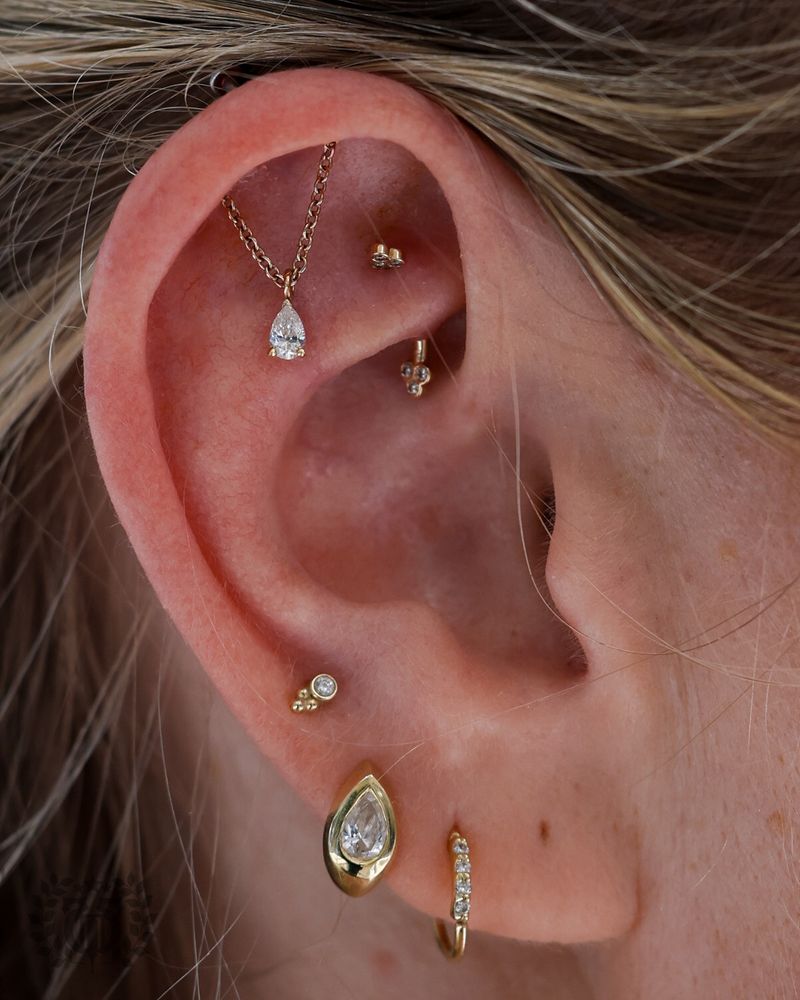
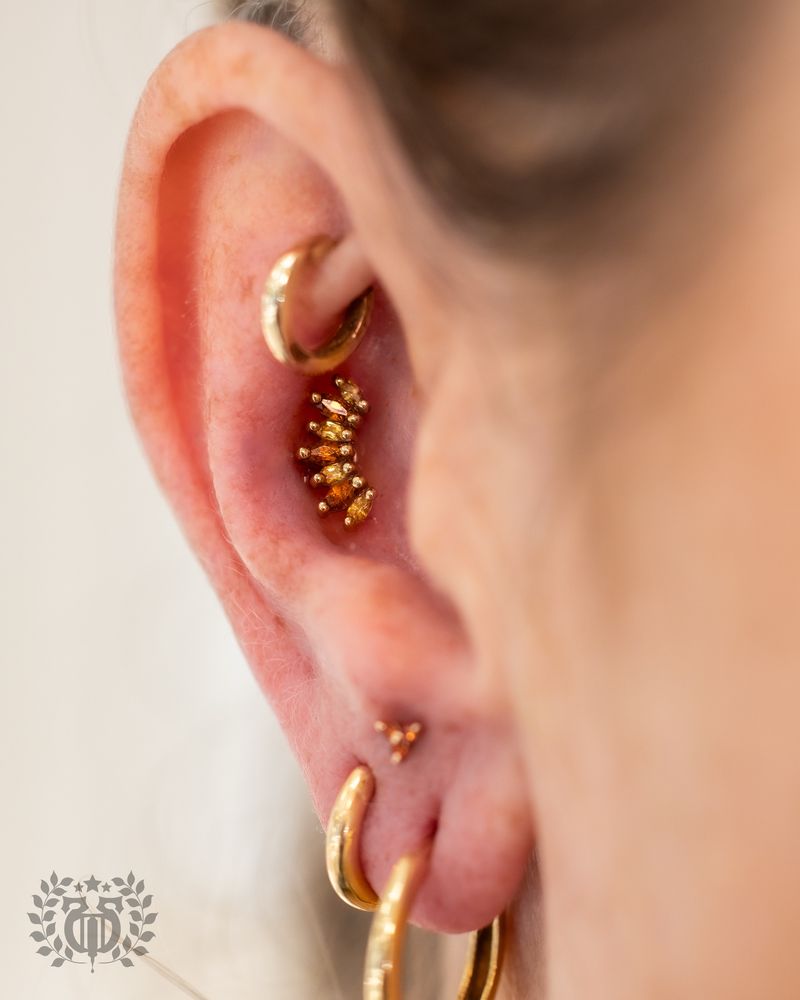
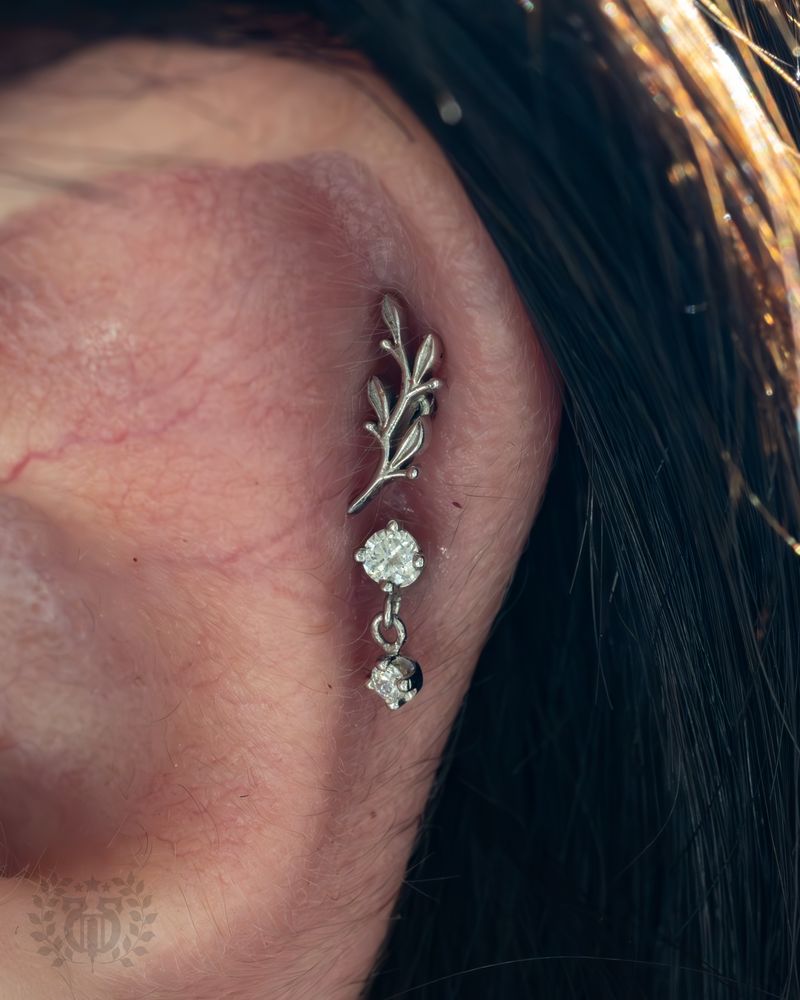
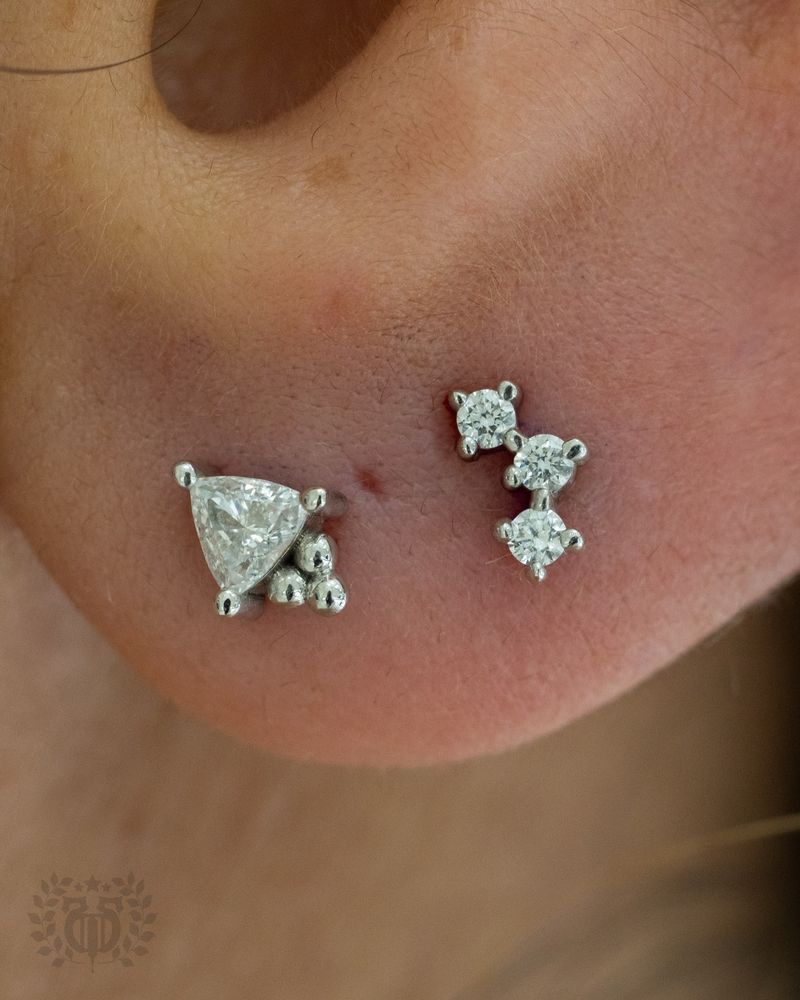
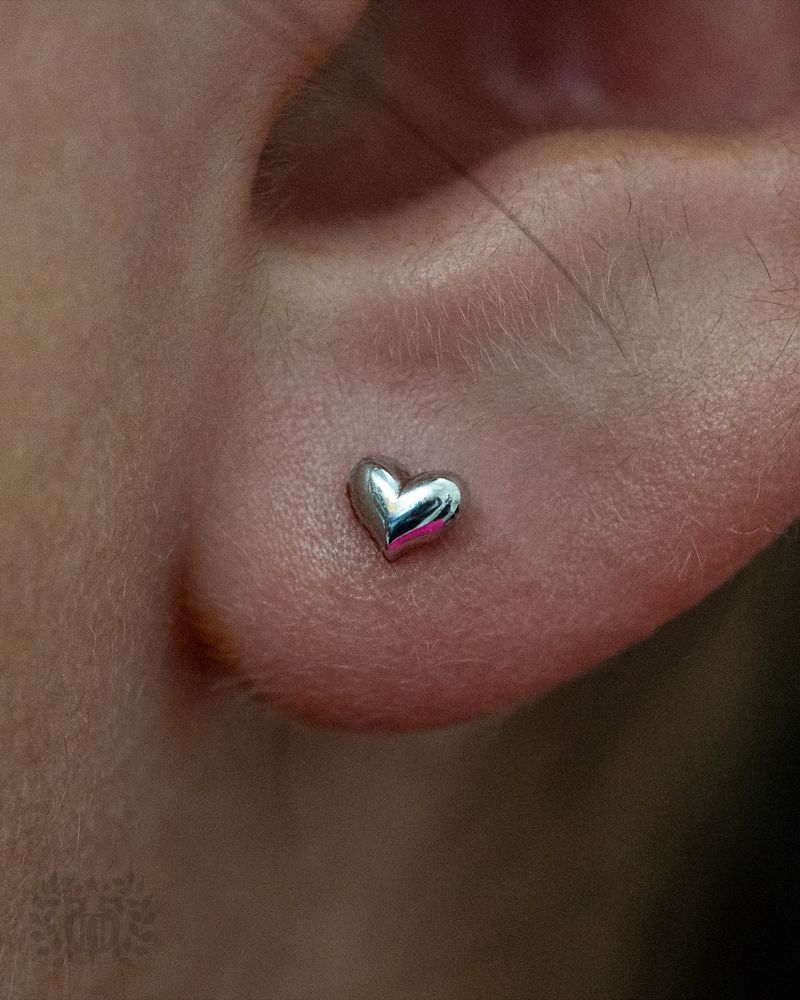
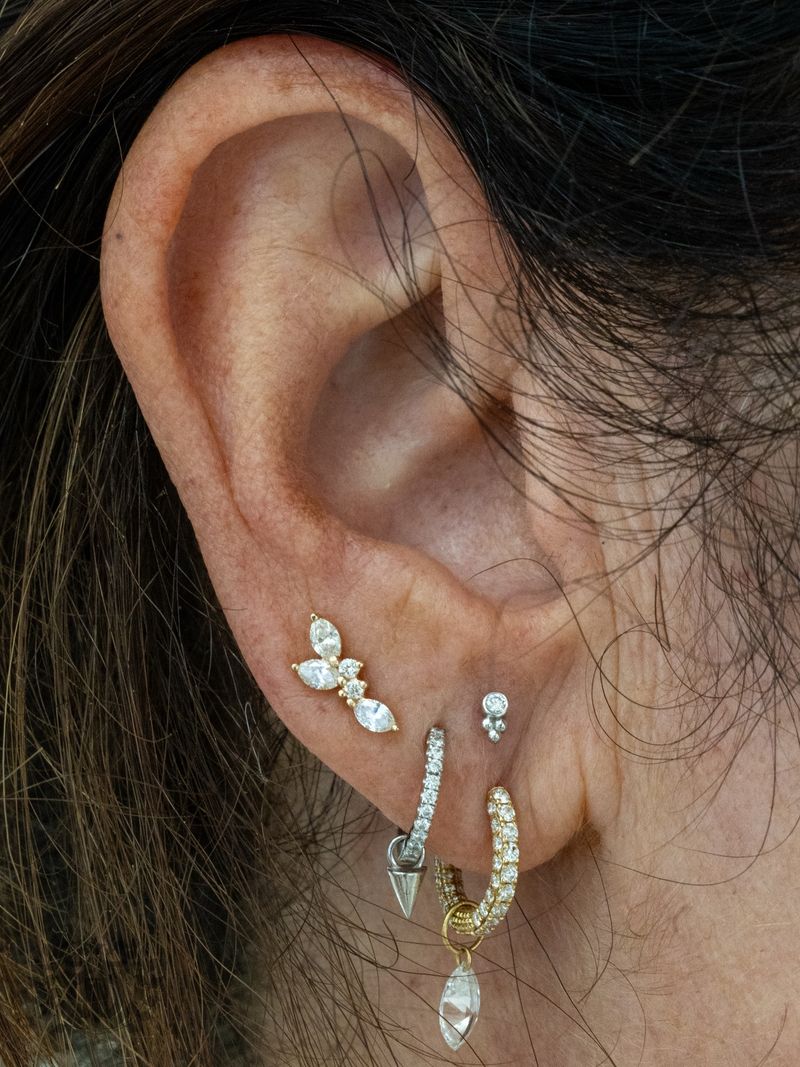
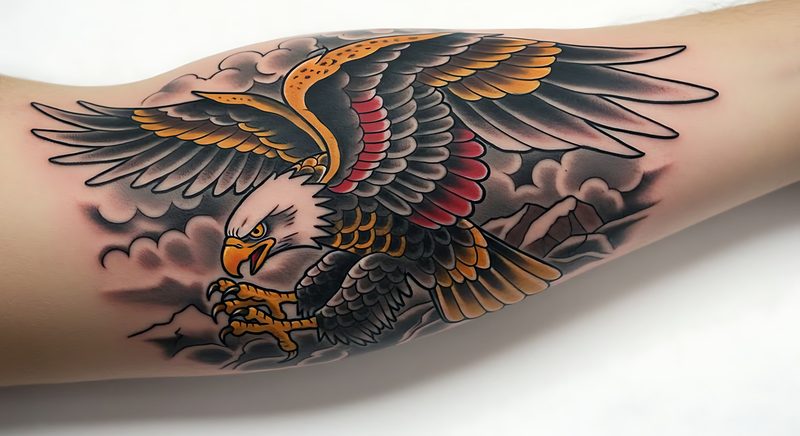
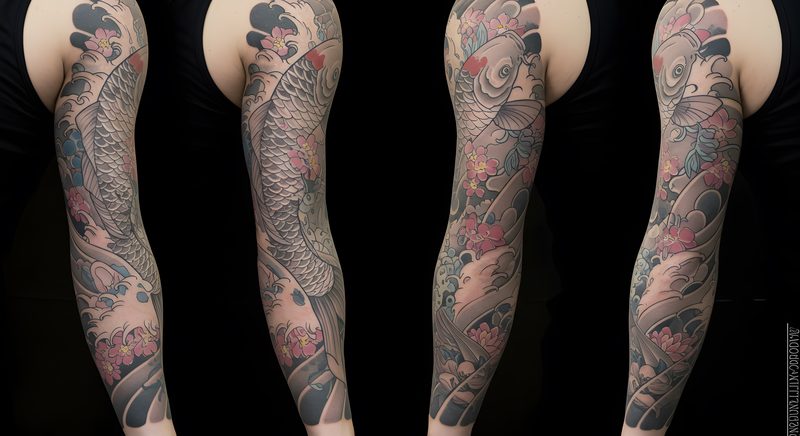
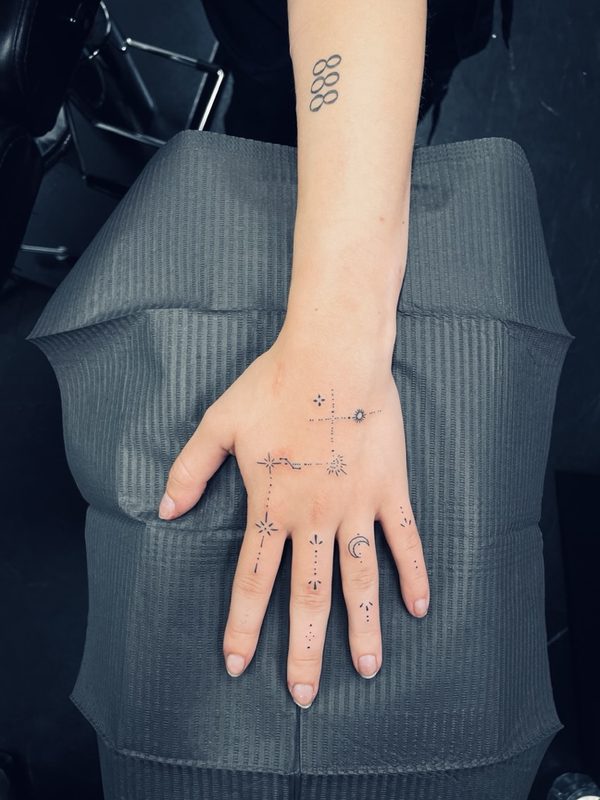
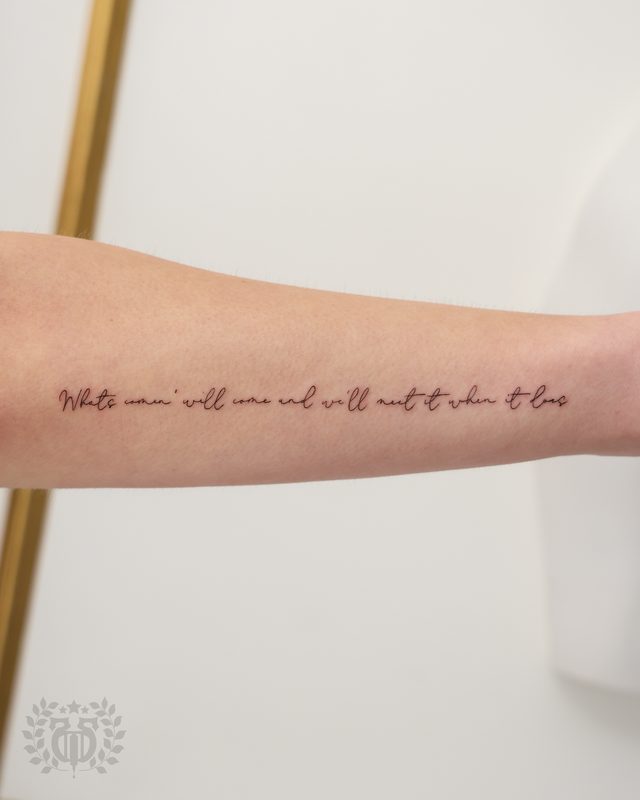
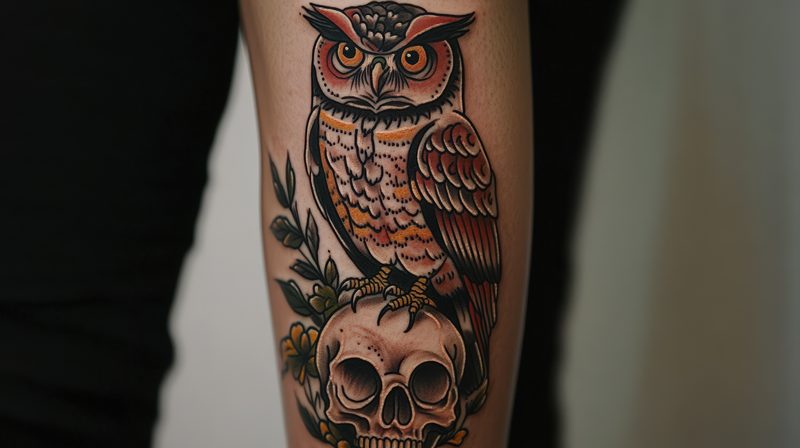
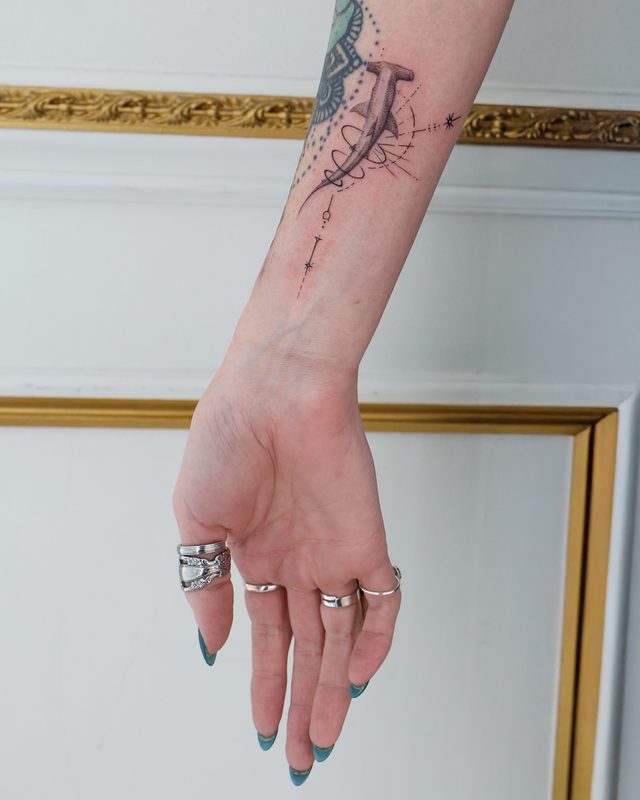
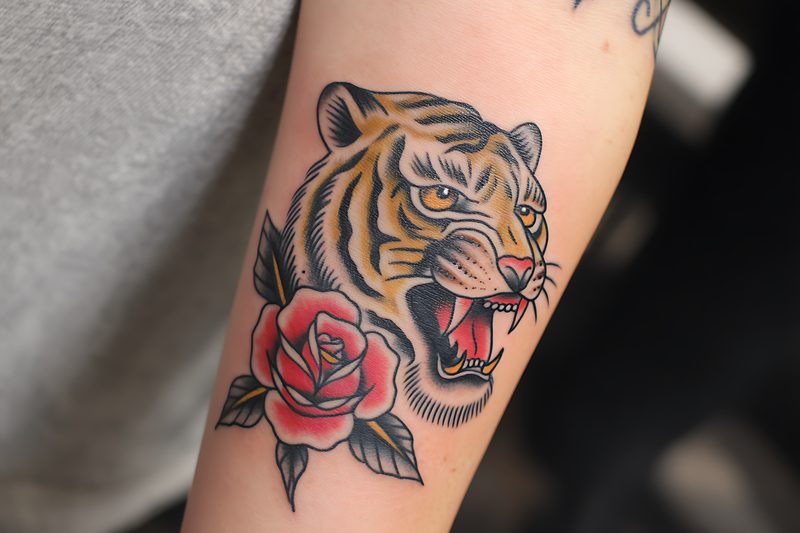
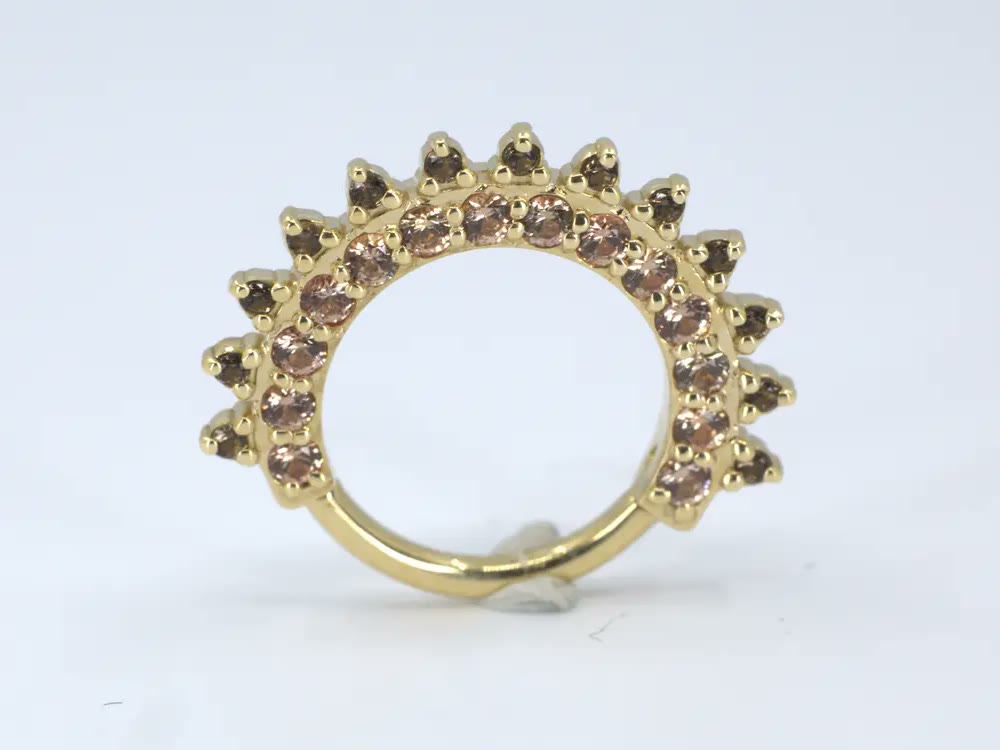
Blue does both tattoo and piercing at Apollo. The tiles below sample from his studio book — piercing curation healed alongside the tattoo work that shares the same bench. Tap any tile to open the full chronological portfolio.

Full portfolio → /artists/blue-mason-piercing/portfolio/

Session durations

Four session tiers.

Pricing is discussed at consultation and scales with session length, jewelry selection, and complexity.

Session length What's included
Under 30 minutes Simple single piercings on returning clients — a second nostril, a standard labret, a jewelry swap. The in-and-out appointment shape.
30–60 minutes Most facial piercings for new clients. Includes consultation, anatomy assessment, jewelry selection, piercing, and aftercare walk-through.
60–90 minutes Body piercings (nipple, navel), complex facial work, technical ear-cluster pieces. The longer consult accommodates the greater complexity.
90 minutes to multi-visit project Industrial piercings planned with a custom-bent bar, orbital clusters, complex body piercings, and tattoo-and-piercing combined visits. Occasionally split across two appointments for healing reasons.

Eight collaboration shapes

How Blue works with the rest of Apollo.

As studio founder and dual-discipline practitioner, Blue's work threads through a lot of Apollo's other services. Here are the most common collaboration shapes.

With Bunny Vogt — cross-piercer consults

When a client is deciding between ear-focused and full-body piercing work, Blue and Bunny consult together. The studio routes simpler ear work and kid sessions to Bunny; complex body and facial piercings to Blue.

Tattoo + piercing combined visits

Blue is one of few practitioners who works at senior level in both disciplines. A single-visit tattoo + piercing session is a real booking option. Ask at consultation.

With Apollo's tattoo artists — coordinated work

Blue occasionally consults with Apollo's tattoo artists on work that will visually coordinate with existing piercings — jewelry placement, neck tattoos that frame ear curation, chest work that sits near a nipple piercing.

Referrals to style pages — /tattoos/styles/black-and-gray-tattoos/

Blue's tattoo work lives primarily in black-and-gray ornamental. Clients interested in that style can start from his piercing consult and add a tattoo consultation to the same visit.

Referrals to /tattoos/styles/fine-line-tattoos-la/

Clients drawn to fine-line tattoo work sometimes add delicate facial piercings with Blue in a coordinated aesthetic. Register-matched planning across both disciplines.

Second-opinion referrals from other studios

Blue is the piercer Apollo routes to when a client arrives with problematic work from another studio. The consultation often becomes an ongoing relationship — clients return for the redo and everything after.

Fakir-curriculum referrals

Certain piercings require Fakir-lineage training; Blue's certification makes Apollo a referral destination for these specific procedures from clients who've searched for the credential specifically.

Jewelry upgrades from healed work done elsewhere

Clients who were pierced elsewhere but want Apollo's stocked implant-grade titanium or fine gold for their upgrade jewelry. Blue fits and installs, and often takes over the client's ongoing piercing relationship.

Consultation

Six questions Blue asks at consult.

Expect these to come up. Coming in with answers to each saves consult time and produces a better-fit piercing.

What's the piercing, and is it anatomy-dependent?

Blue's first question is always placement and anatomy. Some piercings (bridge, rook, daith, industrial) require specific anatomy to heal well. The honest answer at consult is more valuable than a forced piercing.

Have you had piercings reject or migrate before?

A rejection history shapes jewelry choice, placement planning, and aftercare protocol. Blue wants the history up front so the new piercing is planned around it, not against it.

Do you have metal sensitivities or known allergies?

Apollo stocks implant-grade titanium and fine gold specifically for sensitive clients. Even so, Blue wants to know the reaction history so jewelry selection starts from the right baseline.

What's your healing situation — work, sleep, lifestyle?

Facial piercings interact with glasses, phones held to the ear, side-sleeping habits, exercise, swimming. Blue asks before recommending a specific placement so the choice is matched to the healing reality.

Is this a single piercing or part of a larger project?

A single piercing is planned differently than the first step in a multi-piercing or multi-visit project. Blue maps project-mode work across months so healing windows overlap cleanly.

Do you want to hear the tattoo option alongside?

Because Blue works in both disciplines, a client asking about one sometimes benefits from hearing about the other. He'll mention tattoo options only if you want them mentioned.

Most 'bad piercings' are just piercings that should have been a different piercing from the start.
— Blue Mason, Apollo
Come back for the downsize. That's the appointment that finishes the piercing, not the original one.
— Blue Mason, Apollo
I founded this studio to be the place clients come back to — not the place you get pierced once and never again.
— Blue Mason, Apollo

Common misconceptions

Eight patterns Blue corrects at consultation.

Most disappointing piercings come out of one of these eight patterns. Catching it at consultation prevents it in the chair.

Forcing anatomy-dependent piercings

Not every ear has a daith fold; not every nose supports a bridge; not every navel has the shelf anatomy for long-term healing. Blue declines anatomy-forced piercings and has the conversation about alternatives that will heal correctly.

Getting pierced at a studio without Fakir-lineage training (for specific procedures)

Certain piercings — complex genital work, specific surface placements, some Fakir-tradition procedures — have established training standards. Getting them done by an untrained piercer produces elevated complication rates. For these procedures specifically, Blue's credential is the reason to book here.

Sourcing jewelry from non-implant-grade vendors

Surgical steel isn't implant-grade. Chrome isn't implant-grade. Amazon or eBay jewelry isn't verifiable. For fresh piercings and healing work, Apollo stocks only implant-grade titanium and fine gold — and Blue won't install work below that standard regardless of what the client brings in.

Changing jewelry too early in healing

The temptation to swap starter jewelry for a decorative piece at 6 weeks is strong. The reality is most piercings aren't structurally healed until months 3–12. Blue tracks your specific piercing's timeline and tells you when it's actually ready to change.

Ignoring aftercare or improvising on it

Saline mist, twice a day, is the whole protocol for most piercings. Blue sends clients home with specific instructions. Clients who improvise (peroxide, alcohol, antibacterial soap, over-twisting) slow healing and introduce complications.

Not coming back for the downsize

Initial jewelry is sized to accommodate swelling. Once the piercing settles, a downsize to a shorter post reduces snag risk and speeds final healing. Many clients never book the downsize — and end up with the starter length indefinitely.

Booking with a piercer who doesn't assess your anatomy honestly

A piercer whose answer is always 'yes, we can do that' is a red flag. Sometimes the honest answer is no — your anatomy doesn't support this piercing, or this placement will migrate in six months. Blue declines piercings regularly; it's part of why returning clients trust him.

Thinking piercing certification is universal

Professional-body membership, Fakir Intensives certification, and state-licensure training are distinct credentials with distinct standards. Blue carries formal Fakir-lineage certification plus the studio's state licensure. Understanding what a specific credential means helps clients evaluate piercer fit.

Personalization

Three layers turn a piercing into your piercing.

A piercing becomes yours in three layers. The first is the piercing itself. The last is the years-long relationship with the studio founder.

Ι

The piercing itself

Placement, jewelry, and technique. Blue's baseline is Fakir-lineage procedure with implant-grade jewelry in every case. The baseline is the part that doesn't vary — it's the same careful execution for a standard nostril as for a complex industrial.

ΙΙ

The jewelry and curation layer

Once the initial piercing is healed, decorative jewelry selection, curation planning, and coordinated-piece additions become the ongoing work. Blue maintains notes on returning clients so each appointment builds on the last.

ΙΙΙ

The long-term practitioner relationship

Piercing is a relationship more than a transaction. Clients who book their first piercing with Blue often return for every piercing and jewelry change after it. The studio's record of your healing history, reactions, and preferences makes each subsequent appointment easier and better-fit.

Working with Blue

Solo, couples, longtime clients, privacy-critical work.

Blue's appointments come in four relationship shapes. The studio's routing matches each to the right booking window and privacy protocol.

Solo clients

The most common booking shape. A single client, a single appointment, whatever level of consultation the piercing requires. Default for most of Blue's work.

Couples and partner bookings

Coordinated couples' piercings — matching nostrils, complementary septums, coordinated body work. Blue handles these as a single appointment with both clients present for each other's piercing if they want, or separated if privacy is preferred.

Longtime-client projects

Clients who've been with Blue for years often build long-running piercing and tattoo projects across many visits. The relationship aspect matters — Blue knows your reaction history, your anatomy, your preferences, and the consult time shortens accordingly.

Privacy-critical appointments

Body piercings and genital piercings are handled with full studio-standard privacy protocols. The appointment is scheduled when the studio's private room is available. No other clients see the room, hear the consult, or know what piercing was performed.

FAQ

The questions every Blue consultation surfaces.

Eight questions covering credentials, specialties, jewelry, booking, and what to expect at the appointment.

What does 'Fakir-certified' actually mean?

Fakir Intensives is the body-piercing training curriculum established by Fakir Musafar, widely recognized as the foundational body-piercing educator in modern American practice. Fakir certification means a piercer has completed formal training in the Fakir-lineage methods, procedures, and safety standards. The certification is distinct from industry-body membership and from state-licensure requirements — it's a separate professional credential focused on procedure and technique. Blue carries Fakir-lineage certification plus the state licensure Apollo maintains, and the specific procedures the Fakir training enables are part of what Blue is booked for.

What piercings does Blue do that Bunny doesn't?

Apollo's two senior piercers have complementary books. Blue is the piercer for: facial piercings (septum, bridge, nostril, labret, lip variants, eyebrow), body piercings (navel, nipple, surface, genital), technically-complex ear work (industrial, orbital, cluster projects), Fakir-specific procedures, and second-opinion consultations on migrated or rejected work from other studios. Bunny's specialty is kid and teen ear piercings, first-ear-curation adults, and warm-room sessions where the pacing matters more than procedural complexity. The studio matches clients to the right piercer at booking time.

Does Blue do tattoos as well as piercings?

Yes. Blue works at senior level in both disciplines, which is uncommon. His tattoo style is primarily black-and-gray ornamental, decorative script, and small-scale illustrative work. Clients occasionally book coordinated visits — a piercing plus a small tattoo, or tattoo work that visually complements existing piercings. If you want to explore this, mention it at consultation and the booking will accommodate both disciplines.

What jewelry does Apollo use for fresh piercings?

Apollo stocks only implant-grade titanium (ASTM F-136 or equivalent) and fine gold (14k and 18k) for fresh piercings and initial jewelry. No surgical steel, no chrome, no plated pieces. Implant-grade titanium is the standard for sensitive skin and new piercings because it's biologically inert and carries no nickel. Fine gold is an option for clients who prefer it aesthetically. Blue selects jewelry from the studio's stocked lines based on the specific piercing, anatomy, and healing expectations.

How do I book with Blue specifically?

Through Apollo's online booking and consultation system (linked on every page of this site) or by calling the studio directly. When you book, specify that you'd like to consult with Blue — the studio cross-books between Blue and Bunny based on what each piercer's book specializes in, and mentioning Blue at booking time ensures you land on his schedule. For first-time clients, we generally recommend a dedicated consultation before the piercing itself, especially for complex facial, body, or Fakir-specific procedures.

Can Blue help with a piercing that was done wrong somewhere else?

Yes — second-opinion and troubleshooting consultations are a regular part of Blue's practice. Clients whose piercings migrated, rejected, or refused to heal at other studios come in for assessment. Depending on the specific case, Blue might recommend a salvage (downsize jewelry, change placement slightly, shift the healing protocol), a full redo (let the old piercing close completely, then redo it correctly in the same or a different placement), or a 'this piercing isn't going to heal for you, let's consider an alternative.' The consultation itself is the service — come in with no expectation of a same-visit piercing.

Does Apollo do genital piercings?

Yes, through Blue specifically. All genital piercings are consult-first — we never perform genital piercings without a dedicated pre-piercing consultation to assess anatomy, discuss healing expectations, and confirm fit. Privacy protocols are full studio-standard: dedicated private room, no other clients in or near the space, discretion throughout. Blue's Fakir-lineage training specifically includes the full range of genital piercing procedures.

What's Apollo's aftercare protocol?

Sterile saline mist twice a day for the first 30 days, then as-needed until fully healed. No peroxide, no alcohol, no antibacterial soap. Don't twist jewelry. Keep the piercing dry during the first few weeks — no swimming, no saunas, no submerged baths. Change pillowcases regularly for facial and upper-ear piercings. Clean hands before any contact with the piercing. Full aftercare walk-through happens at every appointment, and returning questions are welcome by phone or at the 4–6 week follow-up visit.
Ready to book with Blue?

Bring the piercing you're considering, any relevant history, and anything a previous piercer told you — and we'll take it from there.

First consultations with Blue are booked through Apollo's online system or by phone. For facial piercings, expect a 45–60 minute first visit. For body, Fakir-specific, or troubleshooting work, expect a longer dedicated consultation session.

What Blue does Consultation