Tattoo Styles
Memorial
Grief keeps no schedule, and neither does this work. We have tattooed people three weeks out and eleven years out, and the eleven-year pieces are usually the stronger designs. Why we sometimes suggest waiting, when we do not, and how the piece gets built.
Book a consultationAt the chair
What memorial work actually is.
A theme, not a style. A memorial tattoo can be rendered in any style — the craft is in how the piece is designed, paced, and held, not in a single technique.
Memorial is the oldest reason people have marked their bodies. The practice predates every named style in the modern catalog. What has changed is not the reason — grief, love, continuity — but the vocabulary available to express it. A memorial piece today can be executed in fine line script, black-and-grey realism, American traditional, Japanese, ornamental, or blackwork. The style is the delivery vehicle. The substance is a specific relationship, held.
What distinguishes memorial work from a stylistic booking is the pacing. Apollo's soft position is a 6-month minimum between a loss and the tattoo appointment — not a hard rule, but a protective one. Acute grief distorts decision-making, rushes design choices, and can attach heavy aftermath to a piece that should carry love, not crisis. We will book a consultation at any point, gladly. We hold the needle itself for a steadier window.
The consultation itself runs slower than a typical booking. Artists listen first; they ask about the person rather than the tattoo. Sketches come after the conversation, not during. Many memorial pieces go through multiple design rounds over weeks before stencil — by design, not indecision. Multi-session pacing is common, and large pieces are often built across months so the client can absorb each stage. The slow pace is part of the craft.
One small distinction that comes up in every consultation: the see-vs-touch question. Where do you want to see the piece? Where do you want to touch it? Those are often different answers. A tattoo meant to be felt through a sleeve during a hard meeting lives in a different spot than one meant to catch morning light on a bathroom mirror. Memorial pieces resolve that question deliberately, not by default.

The grief-state approach
How memorial work gets built.
A practice developed across a generation of memorial clients. Four positions that shape how Apollo holds this work.
Position 1 · Pacing
The 6-month minimum (soft rule)
Memorial tattoos shouldn't be booked in the first weeks after a loss. The general guideline is a 6-month minimum between the loss and the tattoo appointment — not a hard rule, but a protective one. We'll book a consultation any time beforehand; we hold the needle for a steadier moment.
Position 2 · Conversation
Slow consultation, deliberately
Artists listen first. They ask about the person, not the tattoo. Design sketches come after the conversation, not during. Often a memorial piece goes through multiple design rounds over weeks before stencil — by design, not by indecision. The conversation is part of the work.
Position 3 · Pacing
Multi-session is the default
Large memorial pieces are scheduled with weeks between sessions so the client can absorb each stage. A half-sleeve built around a portrait or a back piece honoring multiple family members is naturally paced across months or a year. The slow pace IS the point.
Position 4 · Aftercare
Emotional aftercare matters
Artists check in after memorial sessions in ways they don't for other work. A finished memorial can bring up feelings the client wasn't braced for. That's normal. The studio prepares for it — and clients are welcome to call back to the bench in the following weeks.
The client sets the pace — always. If you need to push the appointment back a month because the grief surged again, that's fine. If you need to finish in one long session because you need it done, that's fine too. A studio that pressures you on timing is the wrong studio for this work.
Forms this takes
Eight variations memorial work takes.
The forms clients return to most often. Each one carries differently; the right choice is usually the one that already lives inside the story.
Handwriting, traced
The loved one's actual handwriting, pulled from a letter, card, or recipe. Scanned at high resolution, cleaned without losing the tremor, placed at original scale. A shaky “I love you” from a final birthday card carries more than any font a studio could design. The imperfections are the point.

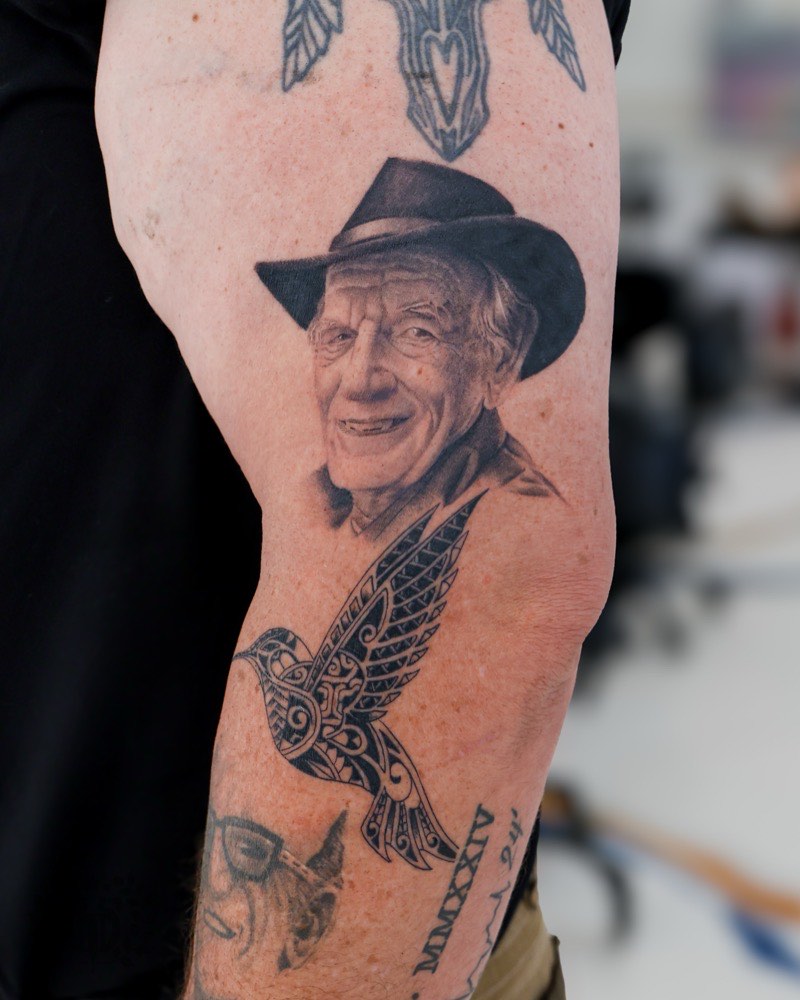
Portrait realism
The literal face. The most technically demanding and emotionally charged memorial option. Black-and-grey ages more gracefully than color. Demands a realism specialist with years of portrait work and honest reference photography — good lighting, neutral background, the face relaxed rather than posed.

Birth-month floral
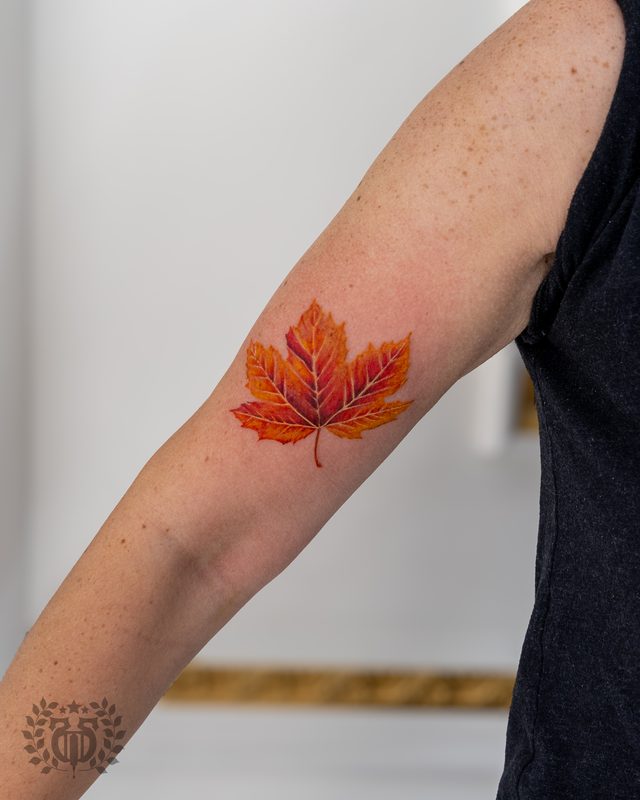
A botanical memorial: January carnation, April daisy, October marigold. Identifies the person without requiring a portrait; ages gracefully in both color and black-and-grey. Pairing a birth-month flower with a hand-lettered first name reads as decoration to strangers and as a memorial to the wearer.
Dates in Roman numerals
Restrained, and readable across decades. Roman numerals transform a date into something closer to an inscription. Works beautifully on forearms, ribs, and collarbones. Stroke weight adjusts to the placement — heavier serifs for chest pieces, lighter lines for wrists.
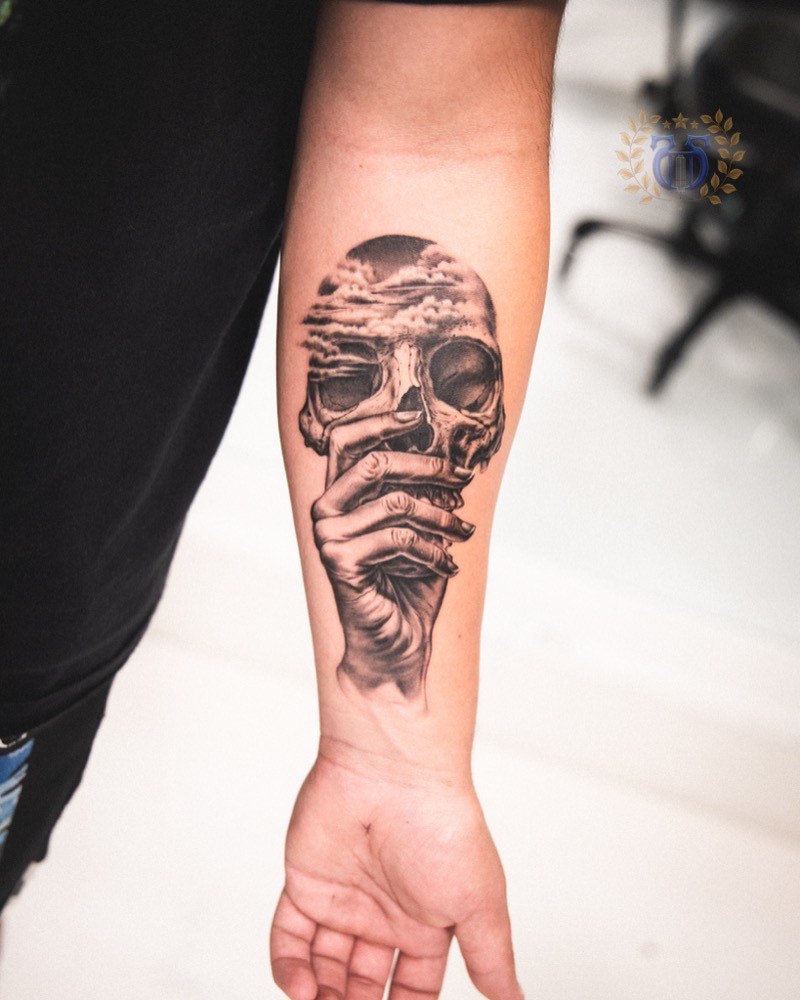
Pet portrait
Grief for a companion animal deserves the same care as any memorial. Pet portraits render well at 4–6 inches, with the name in clean script below. Neo-traditional and illustrative styles often suit pets better than pure realism — they capture personality over photographic accuracy.

Meaningful object
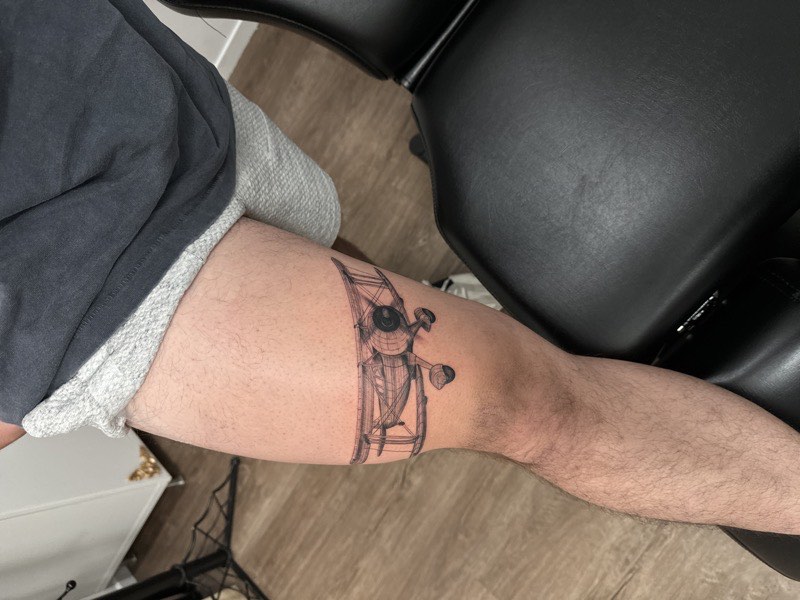
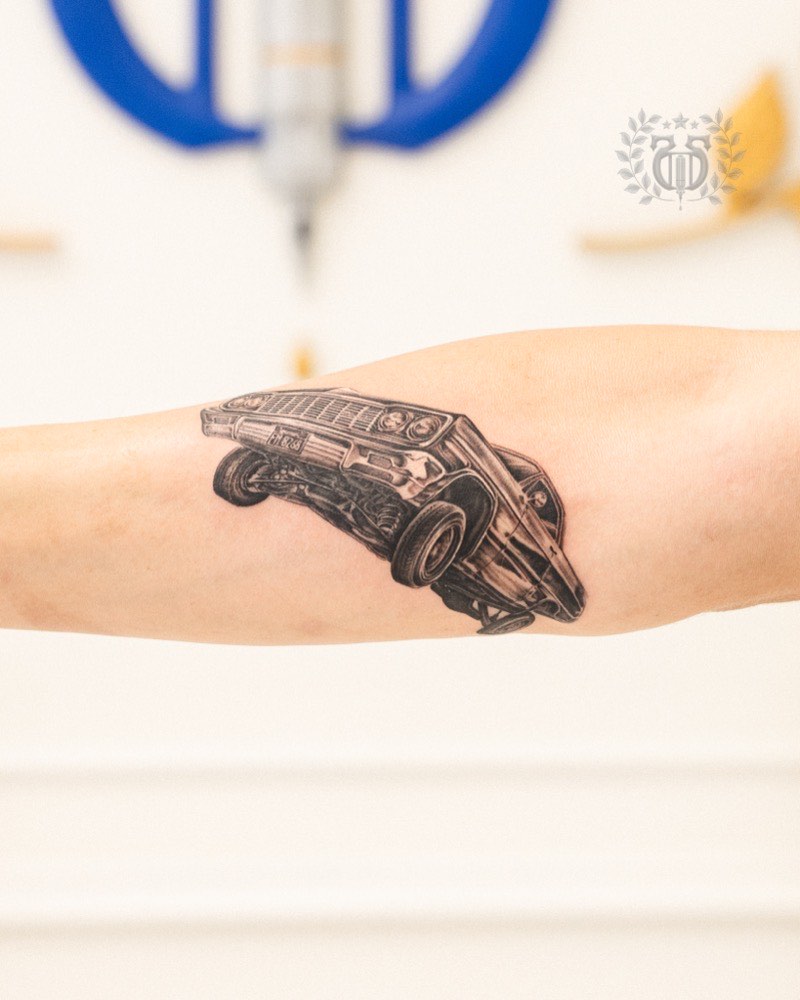
A watch, a ring, a pipe, a specific book, a car. Items that belonged to or represented the person. Works in multiple styles from realism to fine-line linework. Often more legible than a portrait at smaller scale — the object identifies them quietly, without requiring likeness.

Coordinates of a place
Latitude and longitude of a childhood home, a grandparent's farm, a wedding venue, a final hospital. Clean sans-serif at 2–4 inches. Often paired with a small accent — a dot, a compass rose, or a mountain outline. Strangers read numbers; the wearer reads a place.
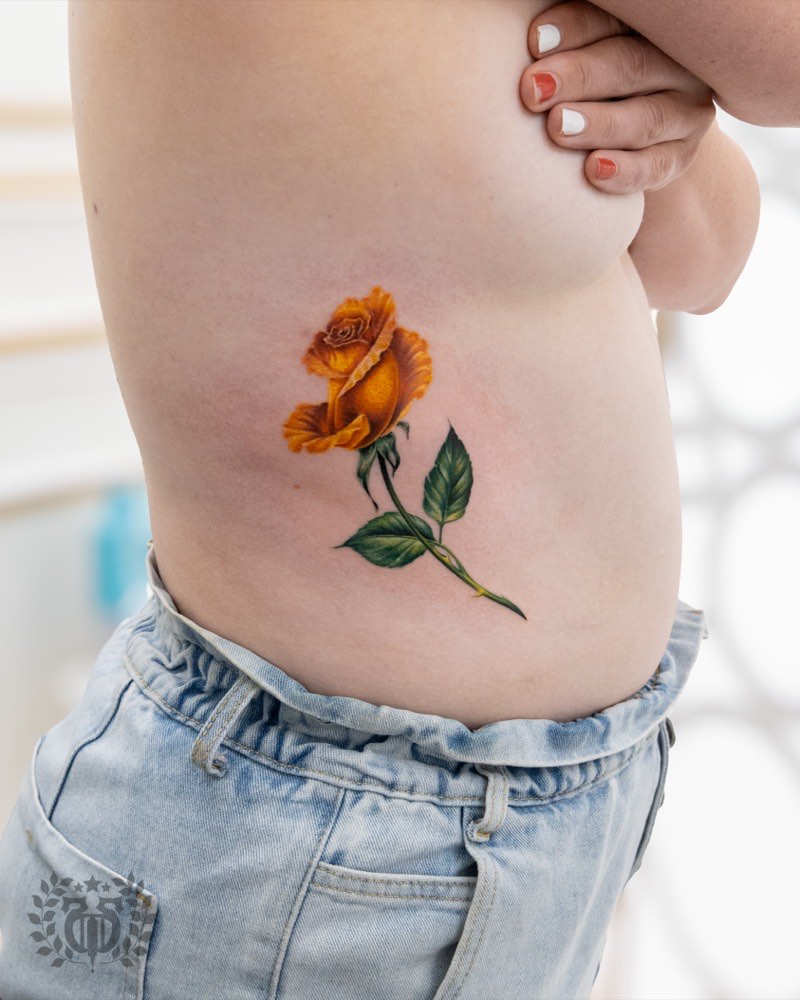
Religious iconography
Angels, Virgen de Guadalupe, sacred hearts, crosses, rosaries, praying hands. Drawn from the client's faith tradition. Not decorative but devotional. Often includes a name banner or date integrated into the composition. Handled with respect for iconographic accuracy.
What memorial work can't carry
What a tattoo cannot fix.
Memorial work fails for specific, recognizable reasons. Knowing them before the consultation saves a decade of quiet regret.
Rushed memorial in the first weeks
Acute grief distorts decision-making. Apollo's position is a soft 6-month minimum between the loss and the tattoo appointment — not a hard rule, but a protective one. We will book a consultation earlier than that, gladly; we prefer to hold the tattoo itself for a steadier moment.
Untested fonts or trendy lettering
A memorial font chosen for trend-fit often reads dated in five years. Better path: the person's handwriting, a serif with long history (Garamond, Caslon), or hand-drawn lettering specific to the piece.
Overcrowded compositions
Name plus date plus flower plus quote plus portrait in a single 3-inch footprint reads as noise rather than memorial. The restraint is the reverence. One or two meaningful elements carry more weight than five.
Color-realism portraits on long timelines
Color-realism ages faster than black-and-grey and reads more dated as decades pass. For portraits meant to be worn into old age, black-and-grey is the traditional style for a reason.
Trying to match an existing memorial exactly
Matching tattoos across family members often produces a piece that belongs to neither person. Better path: a shared element (same flower, same date, same handwriting) rendered differently on each wearer.
Memorial pieces requested as surprises
Memorial work needs the wearer's voice at consultation — their stories, their grief, their preferences. A memorial tattoo as a surprise gift from one partner to another rarely lands right. The person being tattooed has to sit in the chair.
Size and spot
Where memorial pieces live.
Placement is half the meaning. Memorial work asks the see-vs-touch question before it asks the design question.
Sizing without pressure
Smaller script tends to blur into haze over 10+ years as the skin ages. Standard for a name.
Below this scale, facial features lose the resolution required for recognizable likeness as the piece ages.
Large enough to read comfortably, small enough to keep the restraint the piece is working for.
Multi-element memorial work — portrait plus objects plus florals — needs room for the pieces to breathe and compose rather than crowd.
Placement styles that carry the work
- Near the heart (chest, inner bicep, upper ribcage). Classic memorial placement — within reach of a hand pressed to the sternum.
- Inner forearm. Visible during ordinary moments — driving, typing, pouring coffee. A memorial you live with daily.
- Ribs / side torso. Private placement the wearer chooses when to reveal.
- Upper back between shoulder blades. Popular for parent-loss memorials. Feels protective — like being carried.
- Behind the ear / nape. Very small memorials — a date, an initial, a tiny symbol.
- Inner wrist. A piece the wearer sees constantly; good for a name or short phrase.
Placements worth a second thought
- Fingers (for portraits). Skin turnover erodes portrait detail within years; save for wordmarks and initials.
- Palms & soles. Friction sheds pigment; lines blur within months regardless of style.
- Top of the foot (realism). Aggressive aging and shoe friction; works for small marks, not portraits.
- Inside upper arm (realism). Constant bending distorts facial features over time.
- Sun-exposed placements (color realism). UV fades color portraits faster than any other memorial format.
- Areas adjacent to existing tattoos with conflicting styles. A memorial beside a bold Traditional piece tends to read as add-on rather than as its own quiet statement.
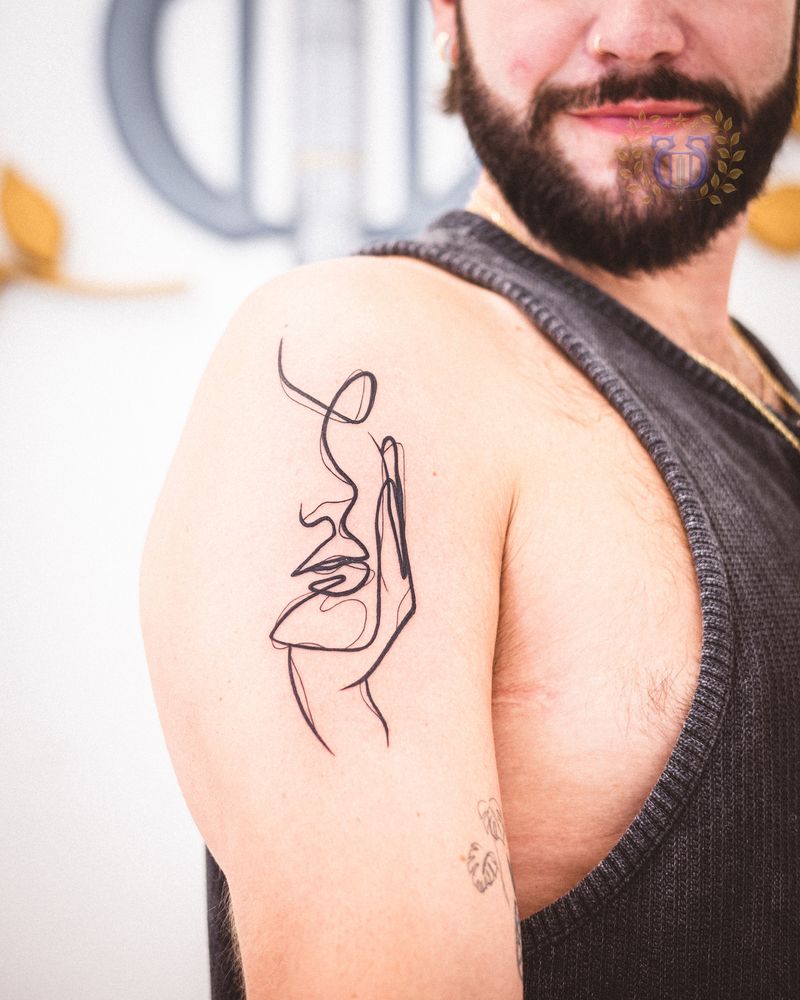
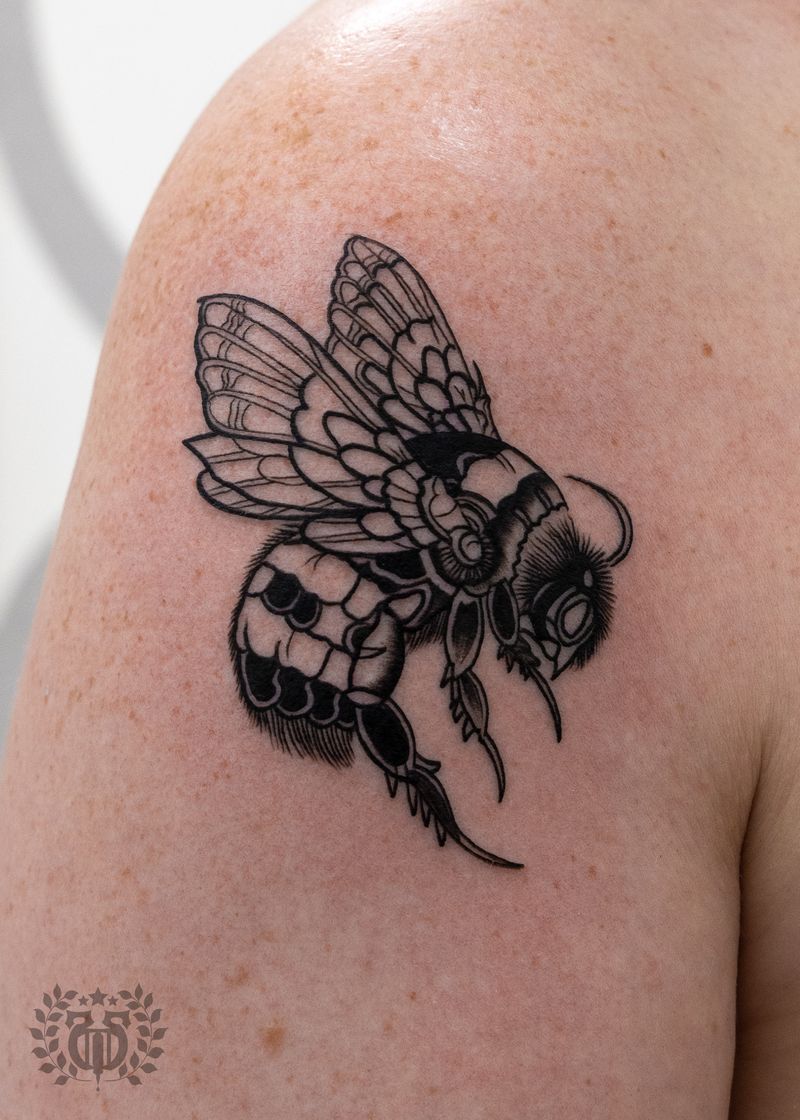
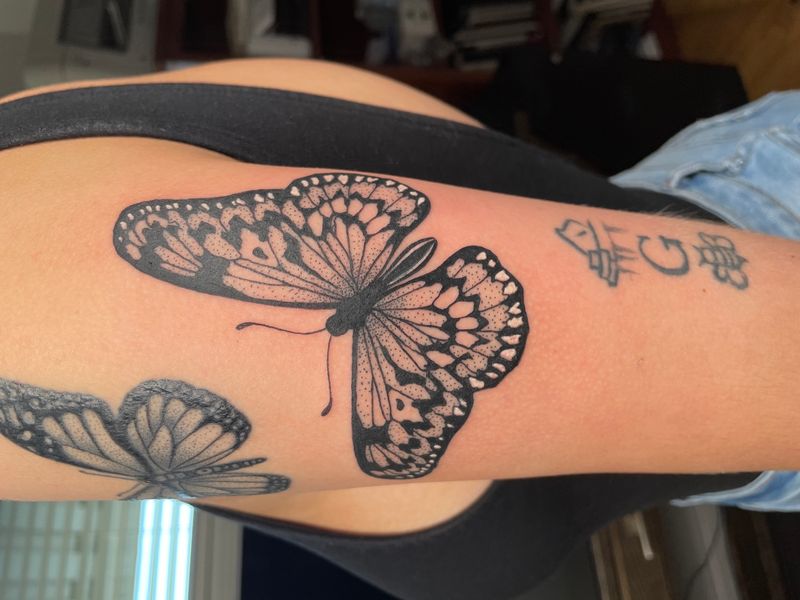
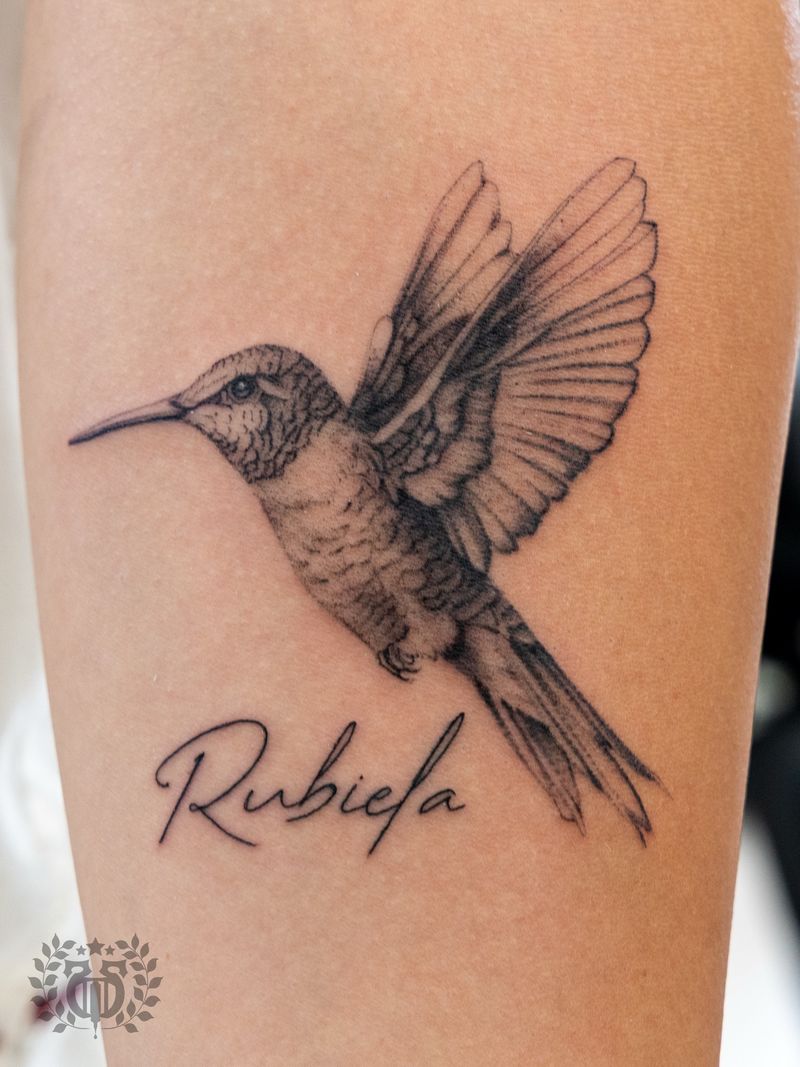
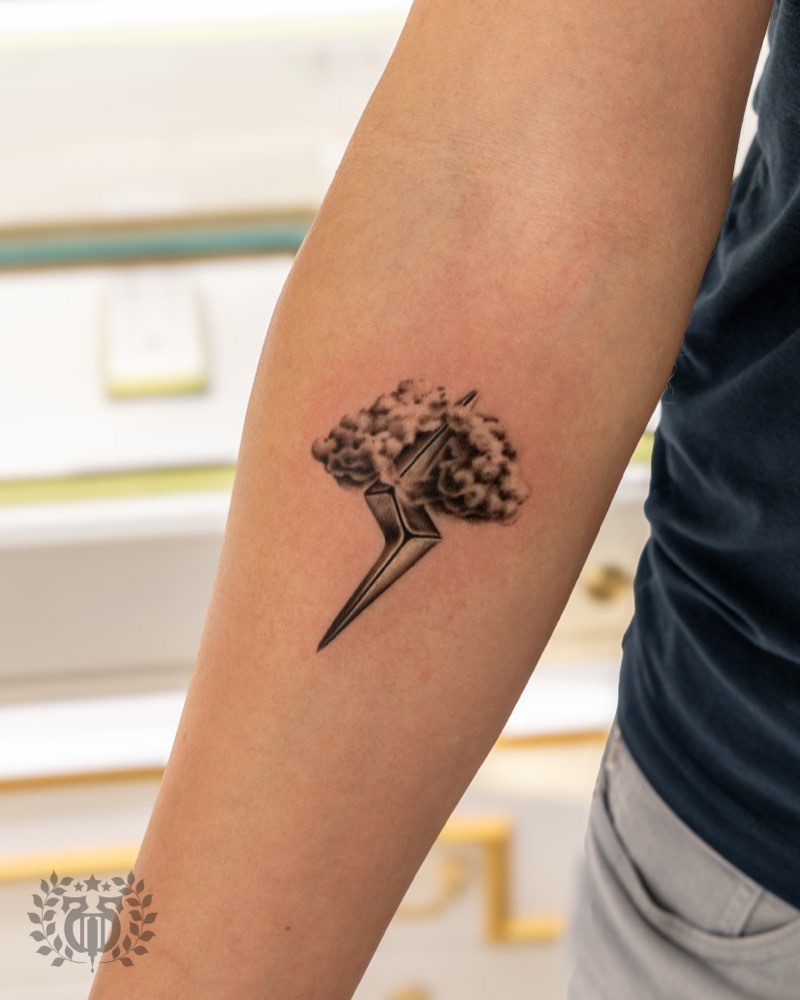
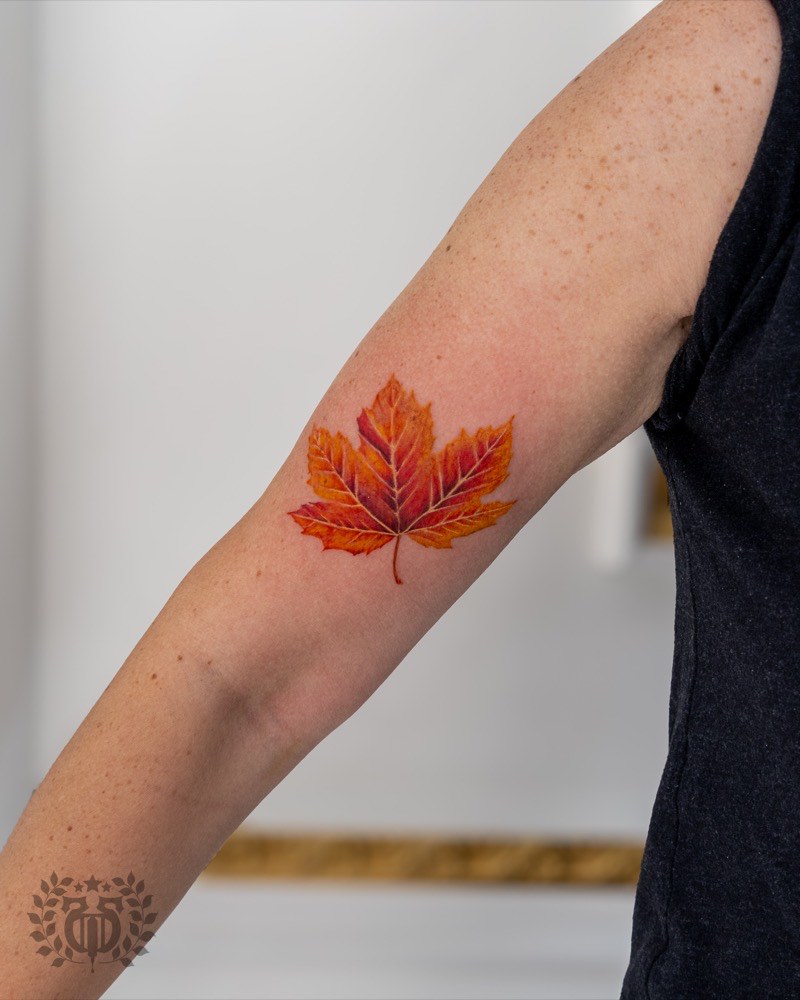
Memorial in the wild
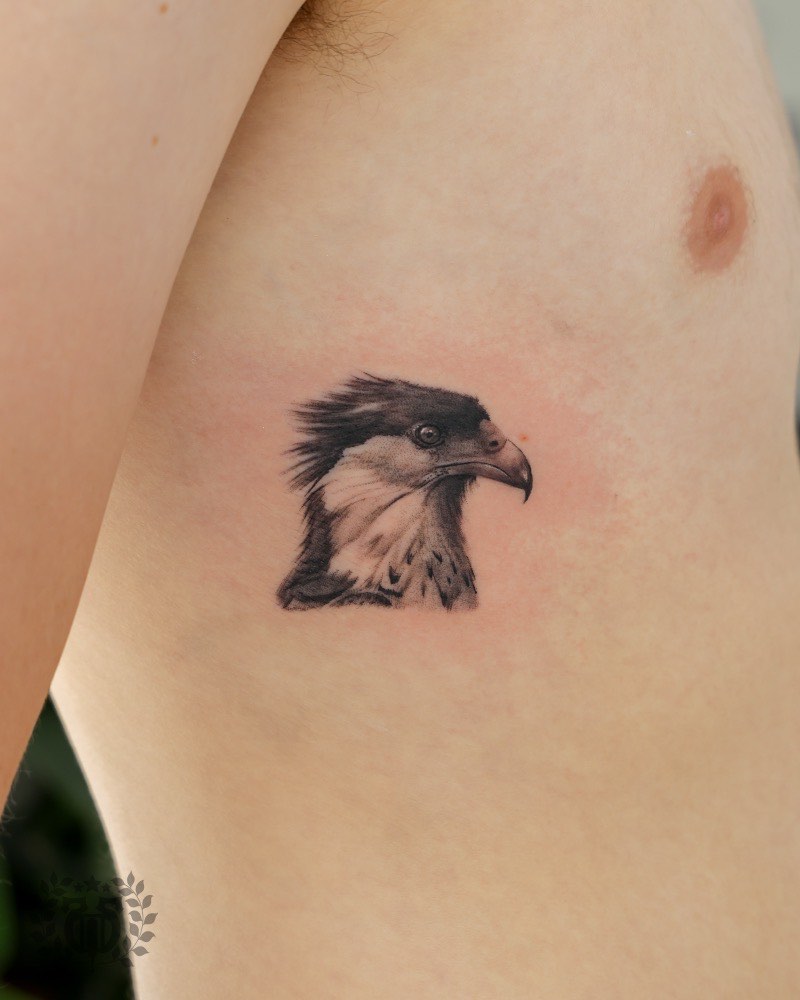
Pieces built for one person.

The long arc
How memorial work ages through a life.
Memorial pieces are among the longest-lived in most collections. The arc is different from decorative work because the wearer protects it fiercely.
The active grief year
In the first year you'll look at it and cry. That's the medium doing exactly what it was built for — holding a place to keep love while the grief is most present. The piece settles through the standard healing arc (edges soften slightly, saturation deepens) and becomes part of your daily reflection.
The piece integrates
You stop noticing the tattoo as a tattoo and start noticing it as a presence. Clients describe reaching for it without thinking — thumb to inner wrist, hand to sternum — during hard meetings or quiet mornings. The piece becomes part of how you move through grief rather than a monument to it.
The first meaningful touch-up window
Fine lines may need refreshing; script can soften at cap heights under 6mm; realism portraits hold beautifully when executed correctly. Many clients return for additions — another name, another date — as grief layers into the life. The memorial piece becomes a living record rather than a single moment.
Reading with age
In the twentieth year you'll catch your reflection and feel them there. The piece by now has seen weddings, funerals, births, moves. Black-and-grey portraits carry through with minimal intervention; script and coordinates hold with periodic re-saturation. Color realism may soften and may be refreshed or accepted as its aged form.
The long relationship
Memorial tattoos are among the longest-lived pieces in most collections because clients protect them fiercely. UV avoidance, moisturizing, and periodic touch-ups extend a memorial piece almost indefinitely. The relationship with the original artist — or their successor — is often part of what keeps the piece alive.
Memorial pieces reward UV protection, steady moisturizing, and periodic check-ins with the original artist. Most clients outlive their first memorial touch-up by decades. We quote by size, detail and artist rather than by category, and we do it face to face.
Quiet reference
Who they were, then how big, then where.
A quiet reference for a hard conversation. Nothing in this table is a rule.
Related work and myths
Six things we talk through first.
Patterns that come up often with first-time memorial clients. Not judgments — framing for the next conversation.
“I should book as soon as possible so I don't forget.”
You won't forget. Acute grief distorts decisions — waiting 3–12 months protects the piece. Book a consultation early if talking helps; hold the tattoo itself for a steadier moment.
“I need a realistic portrait to honor them properly.”
Often the opposite is true. A handwriting sample, a signature, a birth-month flower, or a specific object carries more intimacy than a portrait and ages more gracefully. Portraits are wonderful when right; they are not required.
“Matching memorial tattoos across family are the right answer.”
Matching pieces often produce a tattoo that belongs to neither wearer. Better path: a shared element (same flower, same phrase, same handwriting) rendered differently on each person.
“The piece has to be visible all the time.”
Many of the most powerful memorial pieces live in places only the wearer sees — ribs, sternum, inner bicep. The see-vs-touch distinction matters: where you want to see it and where you want to touch it are often different answers.
“I should put every meaningful element into one tattoo.”
Restraint is the reverence. One carefully chosen element carries more weight than five crowded into a small footprint. Memorial work expands gracefully over years — the first piece does not have to hold everything.
“Pricing is awkward to discuss at a memorial consultation.”
It isn't, and you shouldn't let that fear delay the conversation. Apollo quotes honestly at consultation based on size, detail, and artist. Pricing discussed at consultation — no surprises, no hidden ranges.
A first memorial piece
Eight steps for a first memorial piece.
The path Apollo walks clients through for a first memorial tattoo, from loss through the follow-up check-in.
Give the grief a season
Our soft rule of thumb is 3–12 months between the loss and the tattoo. Book a consultation whenever talking helps; hold the tattoo itself for a steadier window.
Pick an element, not a scene
The handwriting, the birth flower, the coordinates, the date, the specific object. One element carries more than a crowded scene.
Gather reference honestly
For handwriting: the original card or letter, scanned in clear light. For a portrait: multiple photos including a neutral, well-lit one. For an object: the object itself in good light.
Find an artist who talks about grief
Read their captions. Do they credit the people being honored? Do they speak about the story? Emotional intelligence shows up in the language before the portfolio.
Ask about privacy upfront
If you don't want the piece photographed or posted, say so at consultation. Any good studio will note it on your file and respect it without friction.
Plan the pacing
Memorial work is often multi-session by choice. Space out a large piece so you can absorb each stage. The slow pace is a feature, not a flaw.
Prepare for emotion during the session
You may cry. That's part of it. Bring tissues, a playlist of their favorite music, a friend for the waiting room. Artists who do memorial work are braced for the whole arc.
Leave room for additions
Tell the artist whether future pieces might extend this one — another name, another date, another flower. Composition choices change if the piece is open-ended.
Making it theirs
Three layers that make the piece specifically theirs.
Memorial work becomes unmistakable through three layered choices — the reference material, the placement style, and the room left for growth.
The specific reference material
A letter in their hand rather than a typed quote. A photograph where they are caught mid-laugh rather than posed. A watch you have on your wrist right now. The particulars make the piece unmistakably theirs.
See-vs-touch placement choice
Where you want to see it and where you want to touch it are different answers. A piece placed for private touch during hard meetings lives somewhere different from one placed to catch morning light on a mirror.
Open composition for additions
If the piece is likely to grow over time — another name, another date, another bloom — the first session's composition should leave room. Memorial work designed as a living record ages differently than memorial work designed as a sealed monument.
What we talk through
Eight recurring shapes this work takes.
The repeated failure modes for first-time memorial clients. Not judgments — a checklist to walk around.
- —Booking in the first two weeks after loss — acute grief is not a design brief
- —Choosing trendy fonts that will read dated in five years
- —Crowding too many elements into a single small footprint
- —Treating the memorial as a gift surprise for another person
- —Skipping the artist-fit conversation because any tattooer will do in a pinch
- —Going too small on a portrait and losing the likeness within a decade
- —Picking a placement based on visibility rather than on what you want to see vs. touch
- —Avoiding the pricing conversation until the day of — bring it up at consultation
Gentle questions
Eight things worth asking, gently.
Questions that separate memorial-capable artists from generalists who occasionally do this kind of work.
- Can I see three examples of your memorial work — portrait, script, and object?
- What do you recommend for a piece this small on this placement, given how it ages?
- Do you photograph memorial work for portfolio, and can I keep mine private if I prefer?
- How do you handle multi-session pacing for memorial pieces?
- Do you charge a settling touch-up inside a window, and how long is your window?
- Have you ever talked a client out of a memorial tattoo? What was the situation?
- How do you suggest I prepare the reference materials — the photo, the handwriting, the object?
- What's your approach if I cry during the session?
A memorial-capable artist answers them plainly. Hedging here matters more than it would elsewhere. Cost is talked about openly, whenever you are ready to.
FAQ
The questions grief tends to bring with it.
Eight questions people bring when they are not certain they are ready yet.
How soon after a loss should I book?
There's no wrong timeline, but most people find that waiting somewhere between 3 months and a year gives the grief room to settle into something you can hold. Booking a consultation earlier than that is fine — talking it through often helps. The tattoo itself can come whenever you're ready. We won't rush you, and we won't turn you away if you come in sooner.
What's the best style for a memorial?
The honest answer: the style that matches the person. Realism suits portraits and likenesses. Fine line works beautifully for handwriting, signatures, and delicate florals. Traditional holds up for decades and carries a settled, formal weight. Watercolor can feel tender and soft. Blackwork reads as monumental and permanent. Start with what the person felt like, then pick the style.
Do I need a portrait or can it be something smaller?
Something smaller is often more powerful. A signature, a date, a flower they grew, a lyric, coordinates of a meaningful place, a small object they carried — these pieces carry enormous weight in a quiet form. Portraits are wonderful when done right, but they demand size, skin real estate, and a seasoned realism artist. Small can be just as true.
Can I get a memorial for a living person?
Absolutely. Honoring a parent, a grandparent, a partner, or a child while they're still here is one of the most tender kinds of memorial work. Many clients bring the living person to the consultation. Watching a grandmother see her handwriting traced onto her grandchild's forearm is a memory the whole family keeps.
How do I handle it if I cry during the session?
You cry. That's part of it. Our artists have sat through tears, laughter, long silences, and every shade in between. We keep tissues at the station, we'll pause whenever you need, and nobody in the studio will treat it as anything other than what it is — a real moment. You are safe to feel whatever comes up.
What about memorial tattoos for pets?
Pet memorials are a huge and meaningful part of what we do. A dog's paw print, a cat's silhouette, a horse's name in your own handwriting — pets are family, and we treat those pieces with the same care as any human memorial. Bring photos, favorite toys, collar tags. We'll build something that honors the full life they shared with you.
Can I add to a memorial piece later?
Yes, and many clients do. We design memorial pieces with future additions in mind when you tell us that's the plan — leaving room in the composition for another name, another date, another bloom. Grief has a long arc, and a memorial that grows with your life often feels more alive than one that's closed off.
Can the studio keep my memorial piece private?
Yes. You own the decision about whether your piece is ever photographed, posted, or shared. Tell us at consultation and we'll note it on your file. No photos, no social, no portfolio — period. Your grief is not content, and we treat it that way. Pricing discussed at consultation without hidden ranges.
Ready when you are.
Start with who they were — we'll build the piece around that, not around the calendar.
Memorial work is paced by the wearer. Bring the reference materials — the letter, the photo, the object — and the region of your body you want to carry this. There is no clock on any of this. We will sit with it for as long as you need, and the cost gets discussed openly before anything is drawn.