Nothing goes through anything. That's the part people miss about dermals, and it changes everything downstream. Under the single visible opening there's a small footed titanium plate lying flat in the layer beneath your skin, with holes in it so healing tissue can grow through and lock it in place. A short threaded post comes up to the surface, and the gem you can see simply screws onto it.
Which means this is an anchor, not a piercing, and it should be planned like one. It will not be permanent — a well-sited anchor on a low-traffic patch of skin can sit happily for years, and one on the back of a hand will not. It cannot be removed at home. And the single decision that most affects how long yours lasts isn't aftercare, it's where you put it, which is why the first conversation at our Santa Monica studio is about your clothes, your bag straps and which side you sleep on. $200 for one, $400 for a double, jewelry separate.
Book Your Dermal Piercing 5000+ clients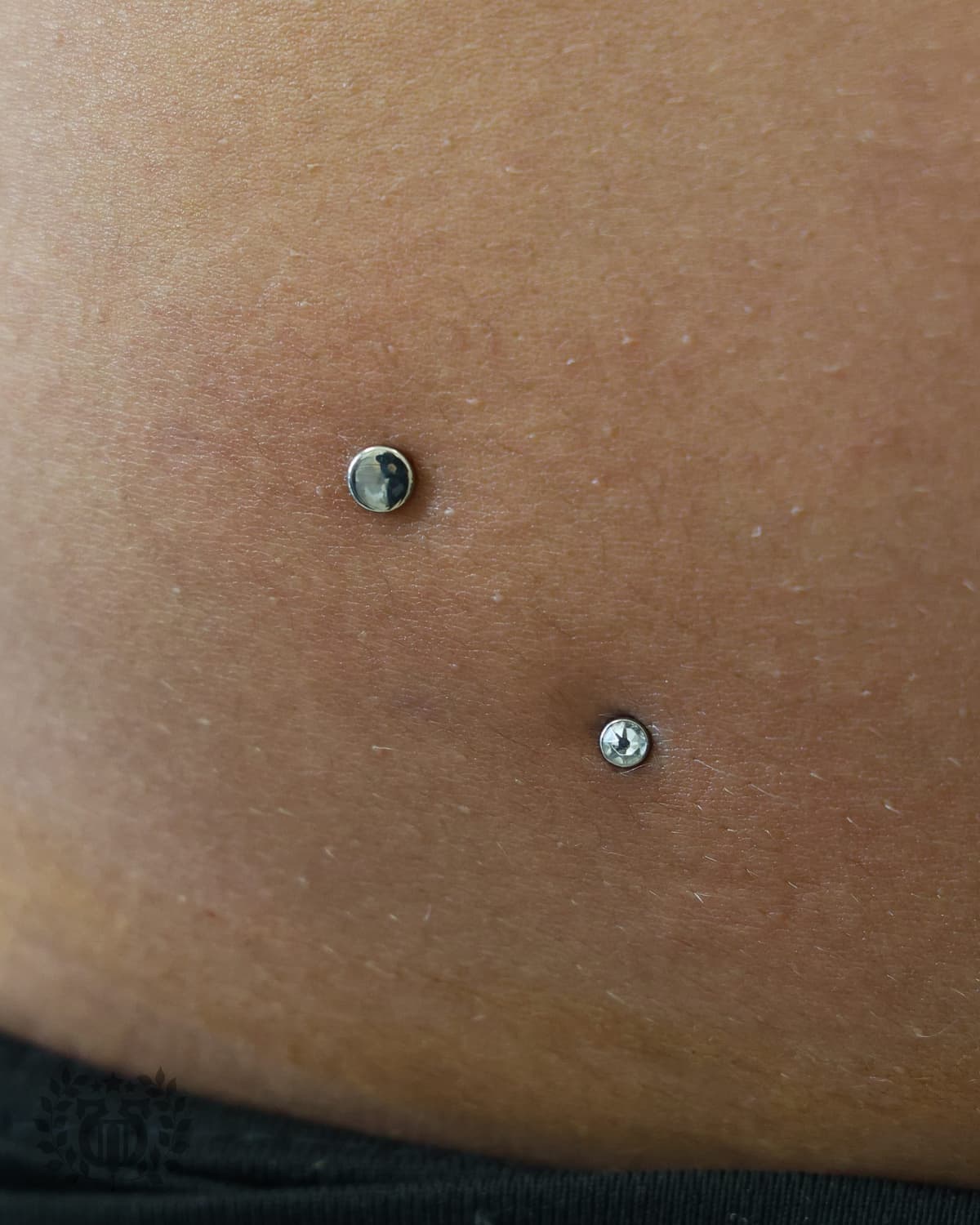
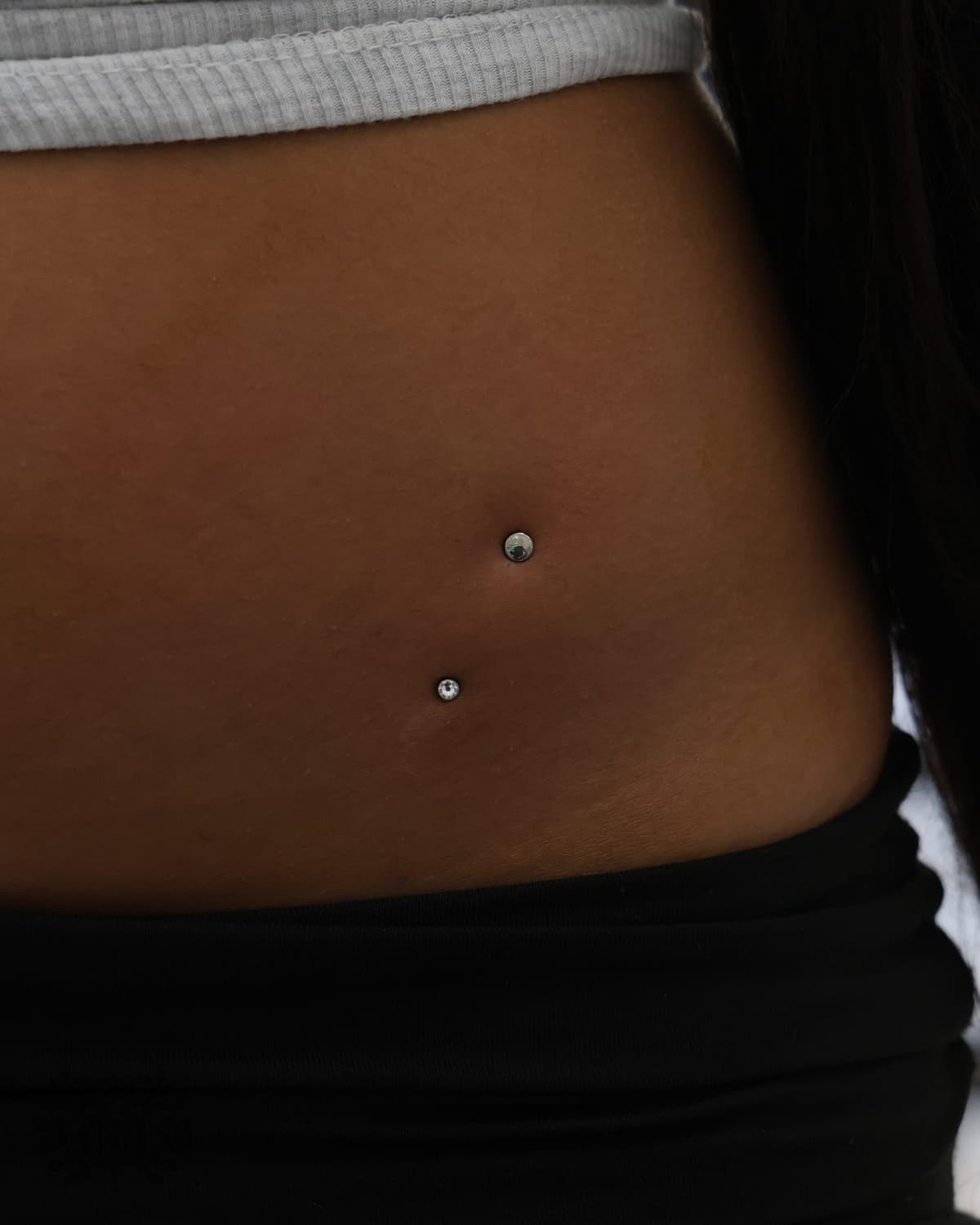
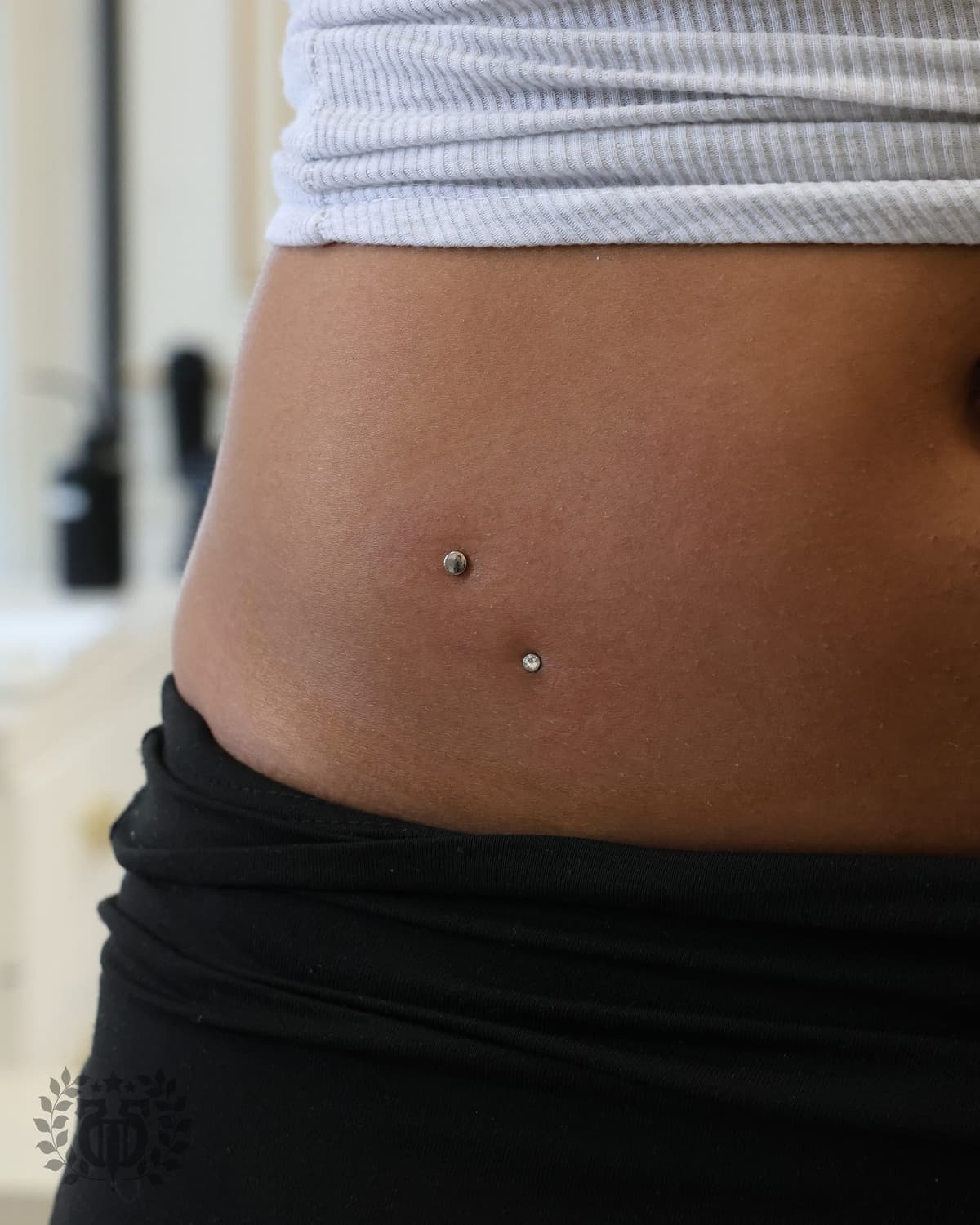
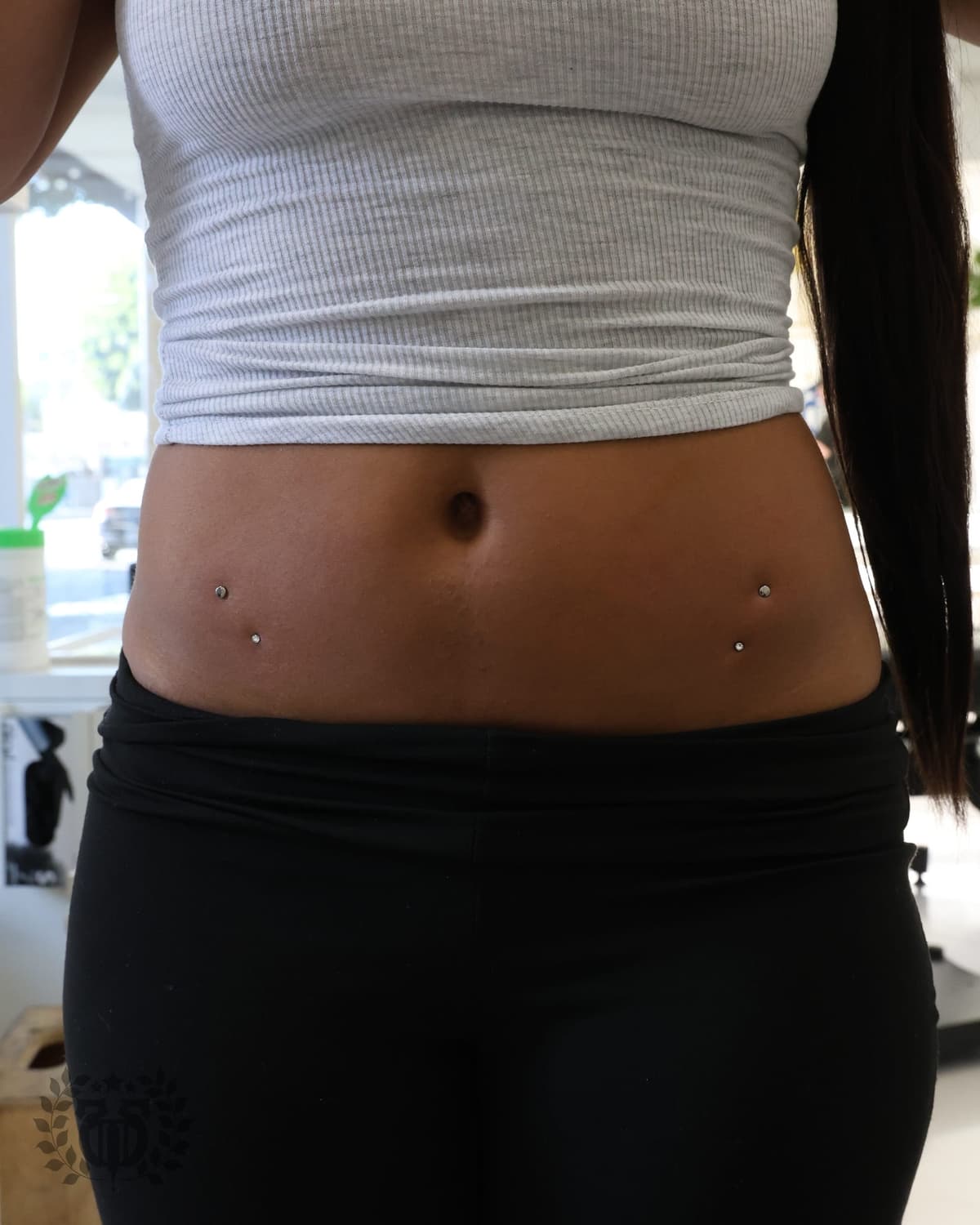
What's actually under the skin, and why every rule about dermals follows from that shape
Picture a very small letter L made of titanium, except the foot of the L is a flat plate with holes punched through it. The plate lies horizontally in the layer just beneath your skin. The upright comes to the surface through one small opening, and it's threaded, so a decorative top screws down onto it. That's the entire object.
Everything odd about dermals traces back to that shape. There's one opening rather than two, so the piercing doesn't have a channel — it has a pocket with a plate in it. The plate is held down by tissue growing through its perforations, which is why the healing period matters so much and why a smooth-backed anchor from a cheap kit fails early: there's nothing for the body to grab. And because the plate is wider than the opening it went through, it cannot simply be pulled out. Removal means a piercer releasing the tissue around the plate and lifting it. That is routine work and it takes minutes, but it is work, and it belongs on your plan from the day the anchor goes in.
The other consequence is about force. A conventional piercing distributes stress along a channel with two anchoring points. A dermal has one point, and any force applied to the top acts as a lever on the plate underneath. Catch a raised gem on a jumper and you're not tugging a piece of jewelry — you're tipping a plate in a pocket. That's why the first tops we fit are flat, why the first weeks are spent under a dressing, and why placement gets chosen by asking what crosses that patch of skin every day rather than by asking where it would look best.
Understood on those terms, a dermal is a good piercing and a satisfying one. It puts a stone somewhere no conventional piercing can go. It just isn't the thing people assume they're buying, and the studios that let them assume it are the reason so many people's first dermal was also their last.
What sets Apollo apart for dermal piercings in Los Angeles
You should leave the consultation able to describe what's going under your skin: a small footed plate, seated flat, with tissue expected to grow through the holes in it. People who understand that take better care of it.
Where does your clothing sit. Which side do you sleep on. Does a bag strap cross there. Do you lean on your elbows at a desk. The answer to those questions changes our recommendation more than any anatomical measurement.
Different tissue takes a different opening. The method is picked for the pocket that needs making, not because it's the only one on the tray.
Implant-grade titanium plates with perforations, so healing tissue grows through the plate rather than merely around it. A smooth-backed anchor has nothing to hold it and comes out early.
Before we place one, you'll know that removal is a piercer's job, that it's routine, and that timing it early is what keeps the scar small. That conversation belongs at the start, not at the end.
Single-use sterile needles and punches opened in front of you, hospital-grade autoclave for tools, EPA-registered surface disinfectant, bloodborne-pathogen-certified piercers, licensed and inspected by LA County.
Placement outweighs technique, jewelry and aftercare combined
If there's one thing on this page worth taking away, it's that the site you choose determines the outcome far more than anything a piercer does with a needle. Two identical anchors, placed with identical skill, will have completely different lives depending on whether they're on a sternum or a knuckle.
What makes a site good: skin that stays flat when you move, rather than folding or creasing. Something firm underneath — bone is ideal, because it means the plate isn't being pushed around by soft tissue shifting beneath it. Low clothing traffic. And no repeated pressure, whether that's a strap, a waistband, a desk edge or a pillow. Sternum and collarbone tick nearly all of those boxes, which is why they've become the default recommendation rather than because they're fashionable.
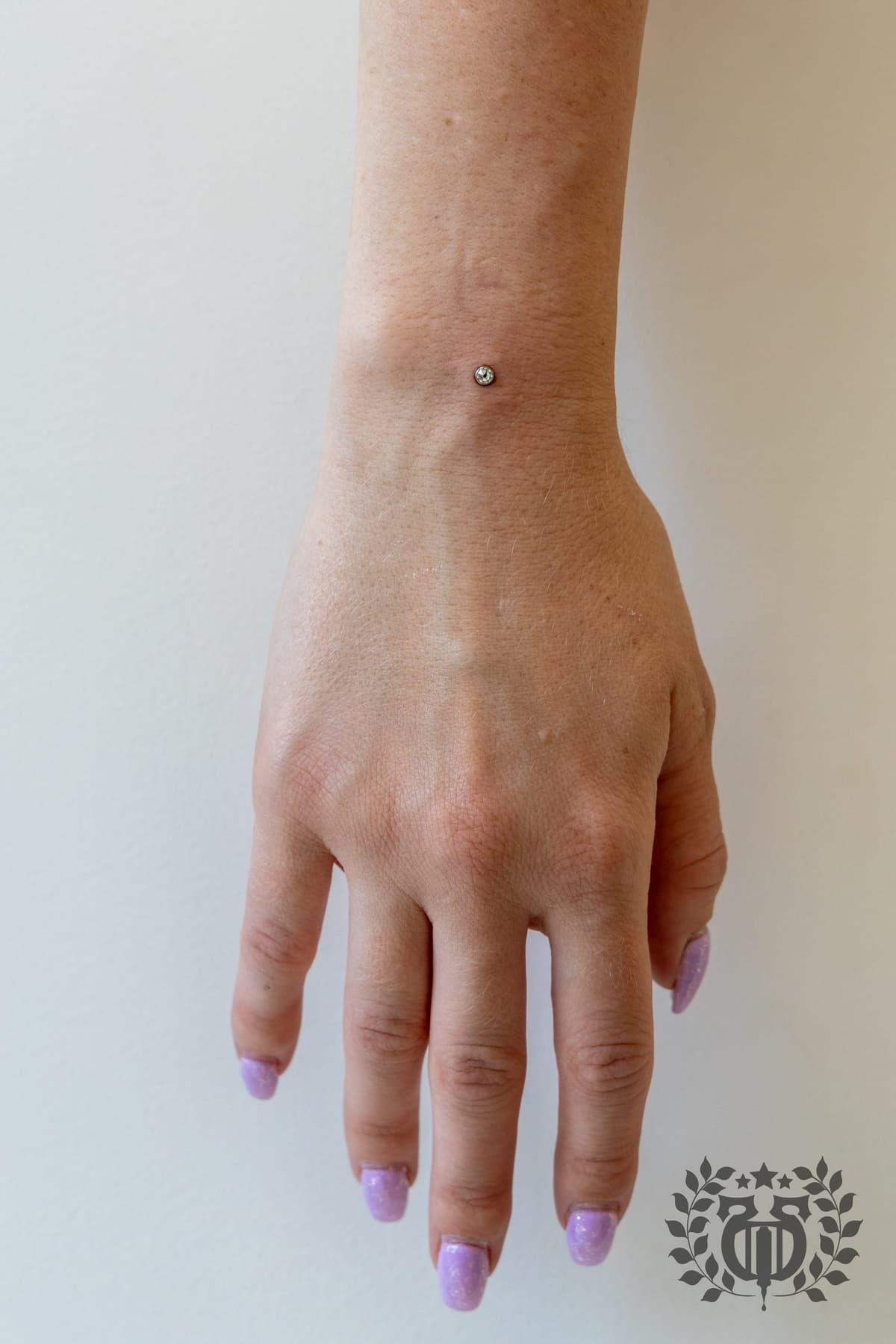
What makes a site bad, in rough order of how quickly they fail: hands and fingers, where you use the skin constantly and catch it on everything; anywhere directly over a joint, where the skin has to stretch and slide with every movement; the nape and shoulders if you carry a bag or wear a seatbelt across them; hips and lower back where waistbands live; and anywhere you habitually lean. Wrist dermals in particular come up a lot and almost never survive a year, because a wrist bends hundreds of times a day and sleeves drag over it constantly.
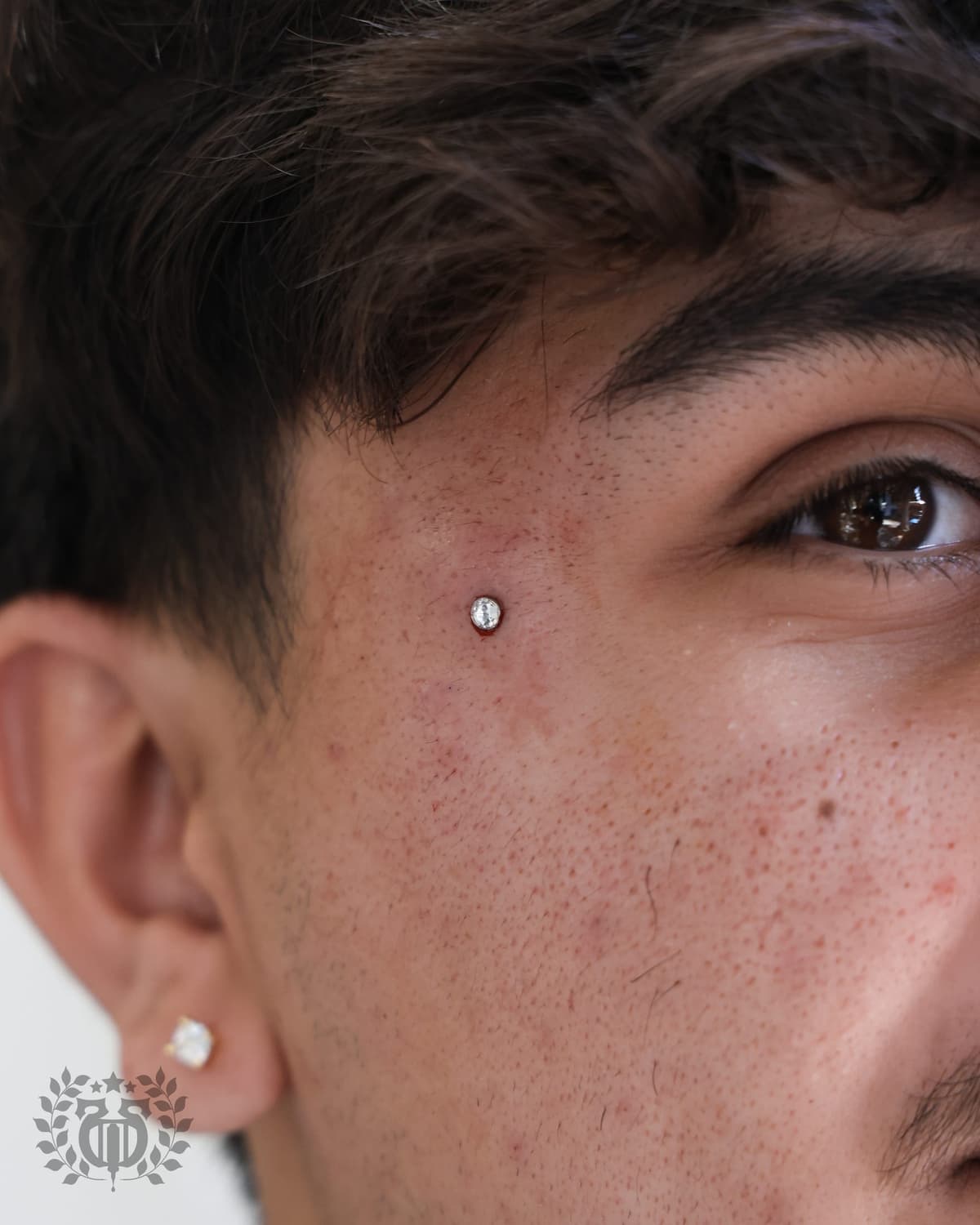
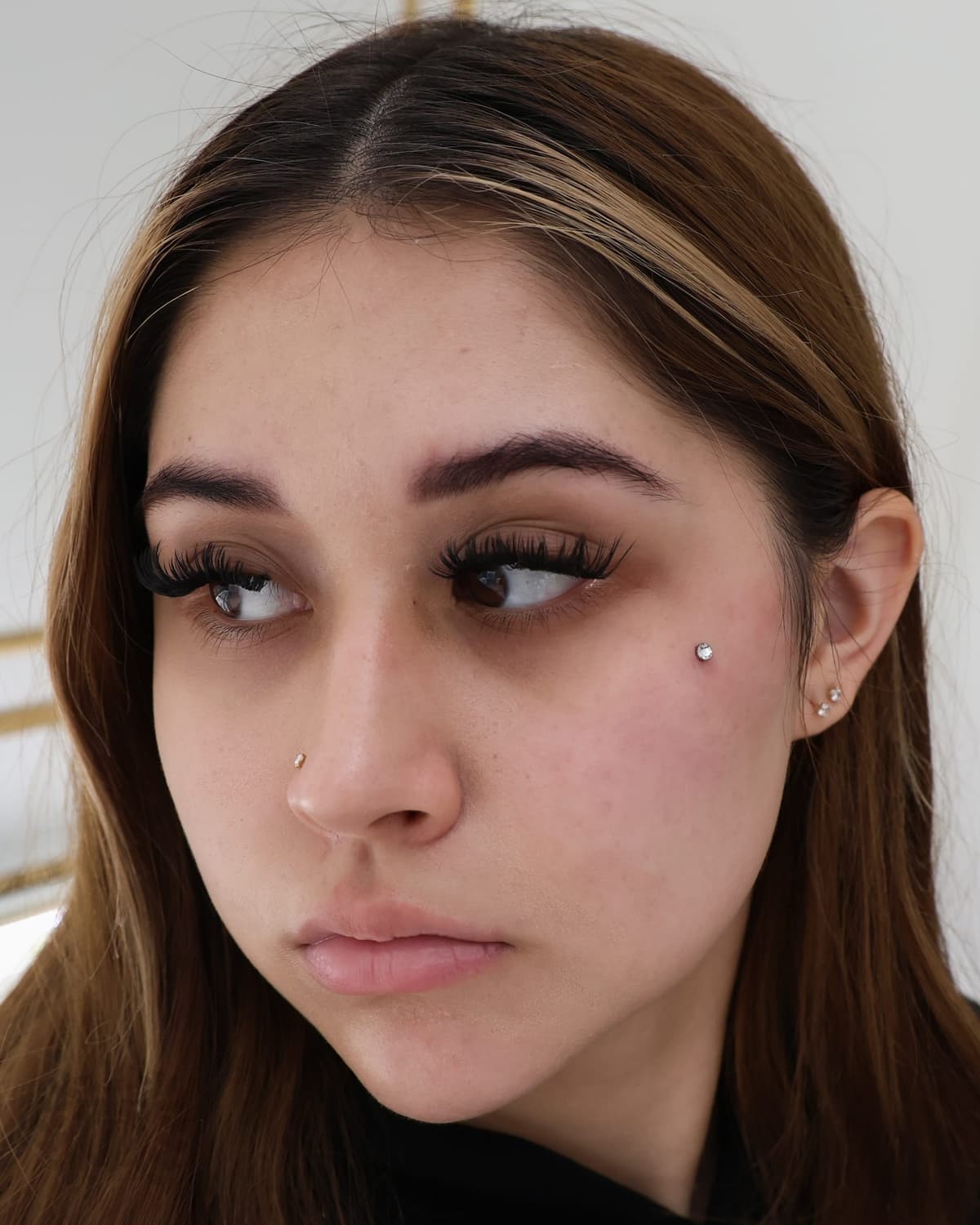
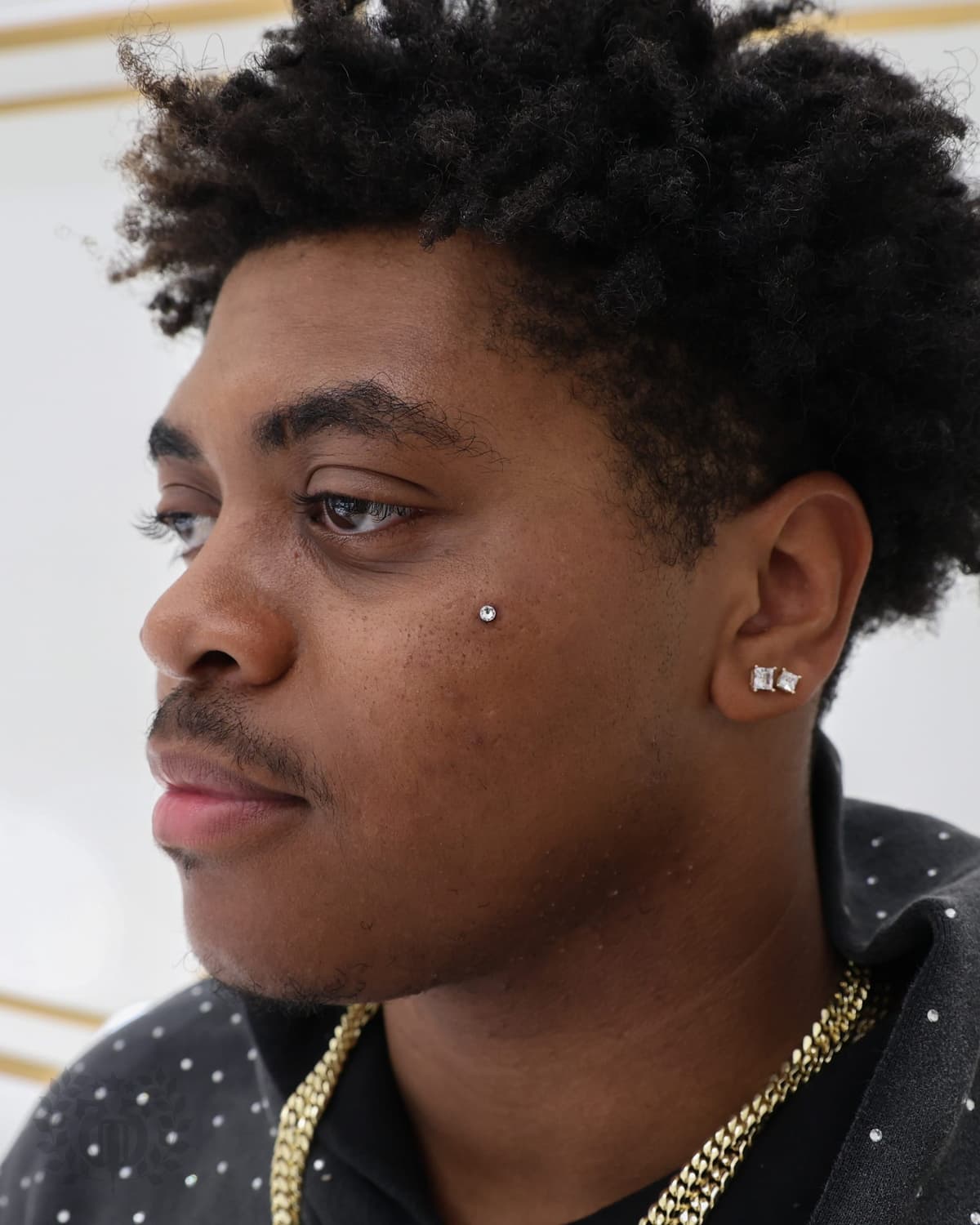
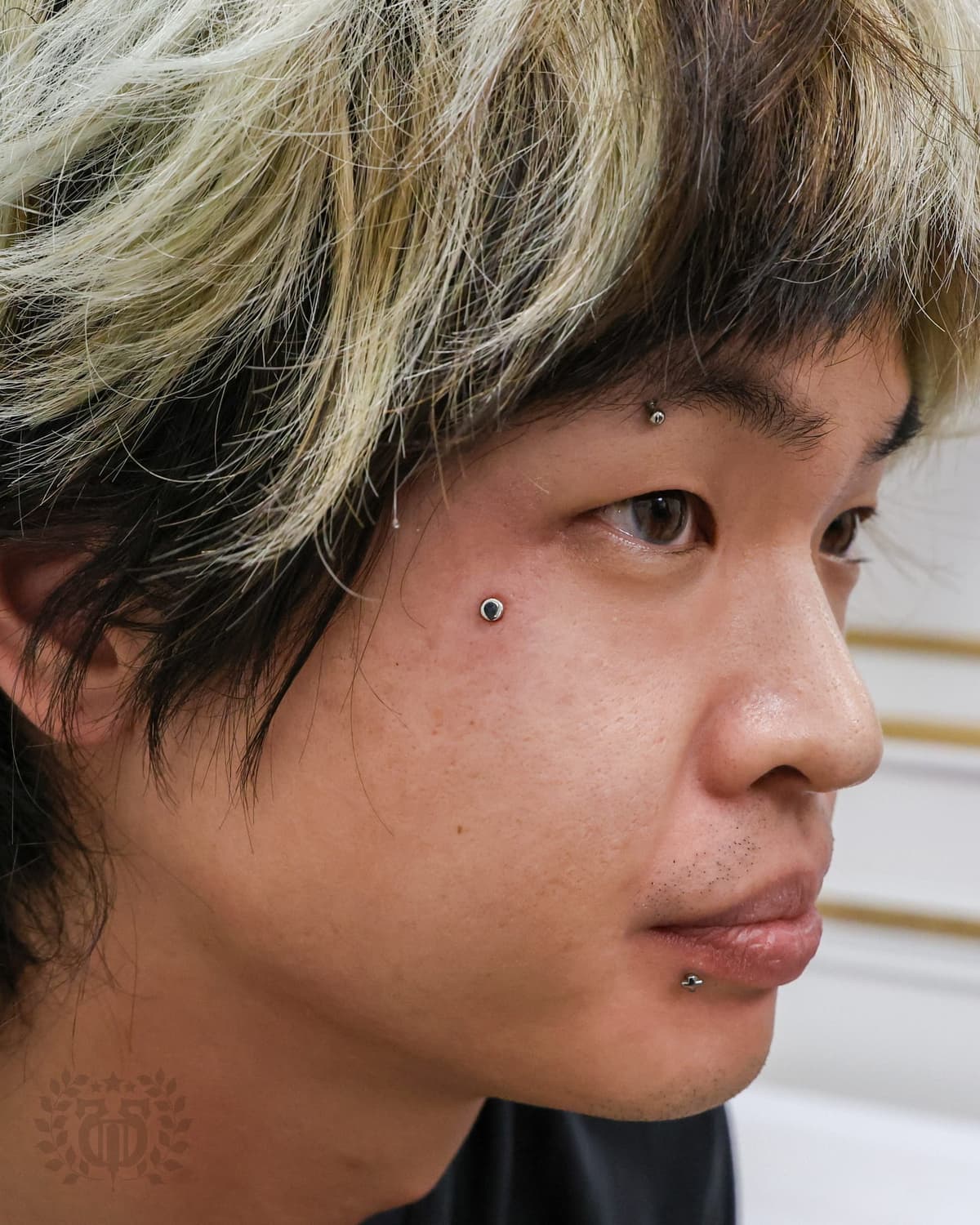
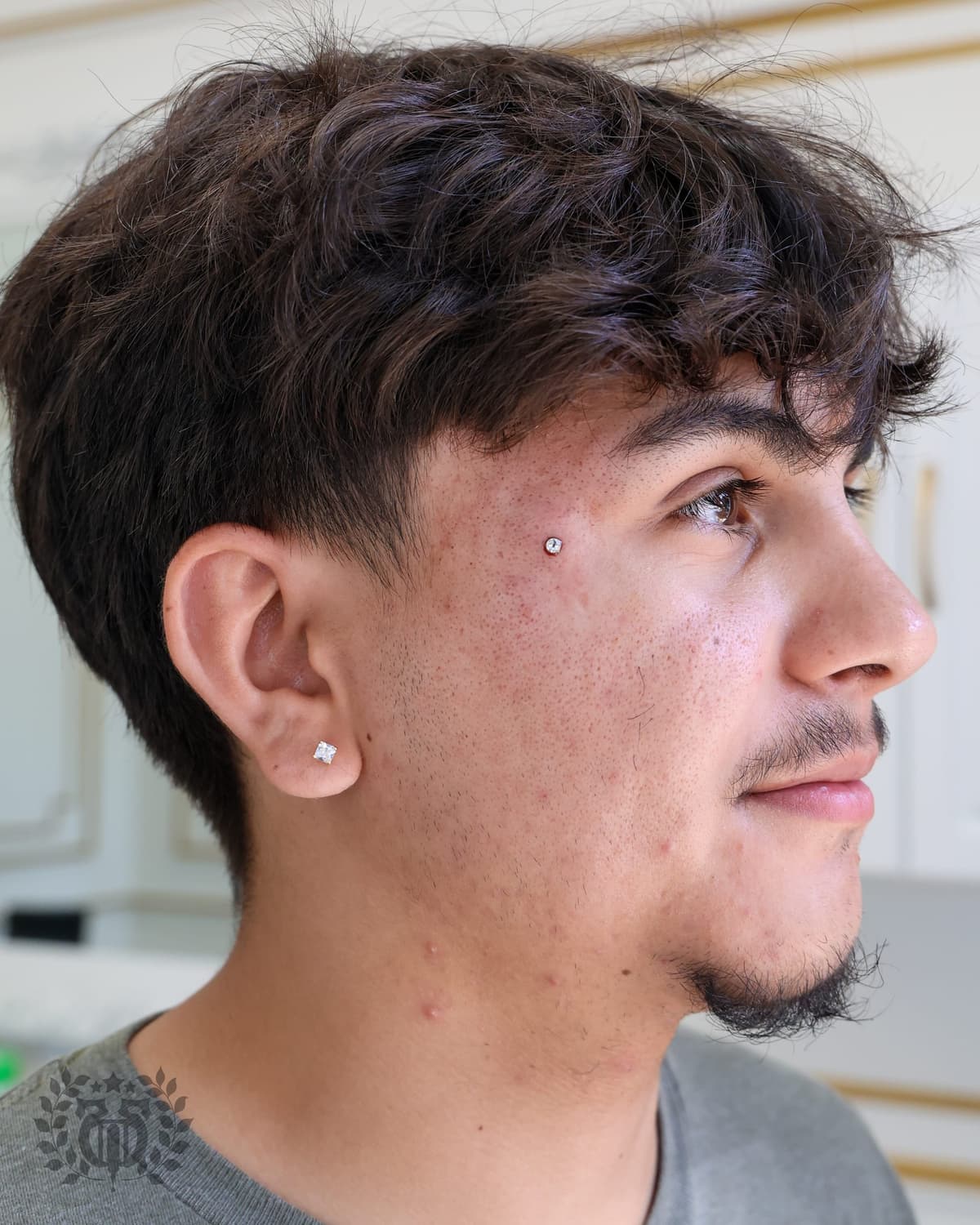
Faces sit in an interesting middle position. The skin is often good — flat, well supported over the cheekbone or brow — and the traffic is low. But it's your face, so the consequence of failure is different in kind rather than degree. We'll happily do them, we just want the scarring conversation to have genuinely landed first. If the spot you're considering is a cheekbone, the anti-eyebrow page compares an anchor against a surface bar in the same position.
And there's a lifestyle question that overrides all of the above. A rock climber's collarbone is not the same proposition as an office worker's collarbone. Someone who wears a cross-body bag every day has effectively removed one shoulder from the menu. Someone who sleeps face-down has made facial dermals harder for themselves. None of this disqualifies anybody — it just means the honest answer is often "not there, but here instead," and we'd rather give you that than take the booking and let you find out.

Apollo's Premium Jewelry Partner
Handmade in Los Angeles since 1996. Lifetime guarantee. Implant-grade gold, platinum, and titanium. Over 3,000 original designs in our case — ask your piercer for a tour.
See the BVLA story →Where anchors go, what sits on top of them, and the trade-off attached to each.
Cheekbone, temple, centre forehead, under the eye. Beautiful, and the placement where the removal conversation matters most, because a facial dermal that fails leaves its mark somewhere a shirt won't cover. Glasses arms and pillow contact are the two things to check before choosing the spot.
The classic answer, because the skin here is flat, well supported by bone underneath, and mostly out of the way of clothing. The things to watch are a necklace chain resting on it and a seatbelt crossing the collarbone — check both before we mark, not after.
Visually the strongest placements and mechanically among the hardest, because this is precisely where waistbands sit and where you land when you lie down. Doable, and worth being clear-eyed about: if you live in high-rise jeans, hip dermals are fighting your wardrobe daily.
A group of anchors reads as a design only if the spacing was planned from the start — adding one at a time almost always ends up looking accidental. Draw the whole thing, then decide how many go in per visit. A double is $400 for the placements.
The top is the only part that changes, and height is the variable that matters. A flat disc gives clothing nothing to catch; a raised stone gives it a handle. Start low while the plate integrates, then switch to gems, opals or shaped pieces once there's tissue holding the anchor down.
Clear next step
Bring the spot you have in mind and we'll tell you what crosses it every day
Recommended first step
Reserve a body piercing appointment with jewelry, placement, and timing confirmed.
The plate is held by tissue growing through it, and that takes longer than the surface suggests
| Piercing Type | Location | Initial Healing | Full Healing | Pain Level |
|---|---|---|---|---|
| Dermal / Microdermal | Single-point surface anchor | 1-3 months | 3-6 months | 3-4/10 |
 5000+ clients
Six steps, and the first one is a set of questions about your wardrobe
Before anatomy, we ask about your life: what you wear, where straps land, which side you sleep on, whether you lean on that spot at a desk. The answers rule out more placements than skin quality does.
The dot goes on, then you stand, sit, twist and reach while looking at it. A spot that's clear when you're still can be under a fold the moment you move.
Needle or dermal punch, chosen for the tissue in question. Different sites need a different pocket, and the method follows the site rather than habit.
The anchor is implant-grade titanium with holes in the base, so healing tissue grows through it and locks it down. That perforation is why the plate stays put once integrated.
The plate has to lie parallel to the skin surface. A plate seated at an angle puts one edge closer to the surface than the other, and that edge is where migration starts.
A breathable cover goes on before you stand up, along with the instruction to keep it dressed for the first week or two. Snagging in that window is the single most common way a new dermal is lost.
Not infection, not rejection out of nowhere — a jumper, a towel, and a plate that got tipped
Ask a piercer why dermals fail and you won't hear a long list. You'll hear: it got caught. Everything else is a distant second.
Here's the mechanism. The plate under your skin is held down by tissue that has grown through the holes in it. That tissue takes months to become genuinely strong, and during the early weeks it's barely there at all. Meanwhile the top sticking up through the skin is a handle. When a sleeve, a towel, a necklace, a seatbelt or a hairbrush catches on that handle, the force doesn't spread out along a channel the way it would on a normal piercing — it goes straight down the post and tips the plate. One good catch in week two can lift an anchor clean out. A hundred small catches over a year loosen it slowly until it starts standing proud.
Which is why the boring instructions are the important ones. Keep it dressed for the first week or two — a breathable adhesive cover removes the entire category of accident at the exact point when the anchor has nothing holding it. Wear flat tops while it's integrating, because height is what gives clothing something to grab. Pat dry with a paper towel instead of rubbing with a bath towel. Take jumpers off carefully rather than dragging them over the site. And be deliberate around anything textured: fleece, knitwear, gym kit, a dog's collar, a child's hands.
The tell that something has been knocked is worth learning too. A dermal that has been tipped often looks fine but starts to sit at a slight angle, or the top seems to stand a fraction taller than it did. That's the plate no longer flat in its pocket. Caught immediately, it can sometimes settle. Left alone, an angled plate has one edge closer to the surface than the other, and that edge is where it will eventually come through.
Infection, by comparison, is uncommon here and easy to identify: heat, spreading redness, thick discharge, throbbing. That's a doctor. Snagging is the everyday enemy, it's undramatic, and it's almost entirely preventable by decisions you make about clothing and jewelry height.
Transparent pricing — jewelry sold separately
Jewelry sold separately
Jewelry sold separately
Jewelry sold separately
Jewelry sold separately
Removal is quoted at the visit rather than listed, because how much work it takes depends on how thoroughly the plate has integrated — an anchor that's been in for four years is a different job to one that's been in for four months. Come and ask; nobody is going to be surprised by the number. Tops are priced on the piece you pick, and swapping one out for you while you wait is not a charged service.
The section most studios leave off, which is exactly why it belongs here
Every dermal comes out eventually. Some because they start to reject, some because the wearer changes their mind, some because a job or a sport makes it impractical, some because it caught on something badly. Planning for that at the start isn't pessimism, it's the difference between an easy afternoon and a scar you didn't want.
Start with the mechanics. The plate under your skin is wider than the hole it came in through, and by the time it's healed there's tissue grown through its perforations. So you cannot pull it out, and attempts to do so are how people tear the opening. A piercer removes it by numbing the immediate area if needed, releasing the tissue around the edges of the plate, and lifting it free — a few minutes, a small dressing, done. It sounds more alarming written down than it is in the chair.
Timing is the part that's genuinely in your hands. A dermal removed while the skin above the plate is still healthy leaves a small dot, often about the size of the opening it came through, which fades considerably. A dermal left in while the body works the plate upward eventually thins the skin over one edge until it breaks through, and that leaves a wider, more textured mark. Same anchor, same person, entirely different outcome, and the variable is how quickly you acted on the early signs.
Those signs again, because they're the whole reason this matters: the top starting to tilt rather than sitting flat; the top standing taller than it used to; persistent redness or thinning at the opening; the edge of the plate becoming palpable. Any one of those is a reason to come in, and coming in doesn't commit you to removal — often the answer is a lower top and a change of habit, and the anchor settles back down.
One more practical point. If you're getting a dermal somewhere visible, think about what the eventual mark would mean to you. Not because it's likely to be dramatic, but because it's the honest thing to weigh, and it's much easier to weigh now than in three years with the piercer's tweezers in view. People who've had that thought at the start are, in our experience, the people who are happiest with their dermals — including the ones who eventually have them taken out.
 Senior Piercer
 Senior Piercer
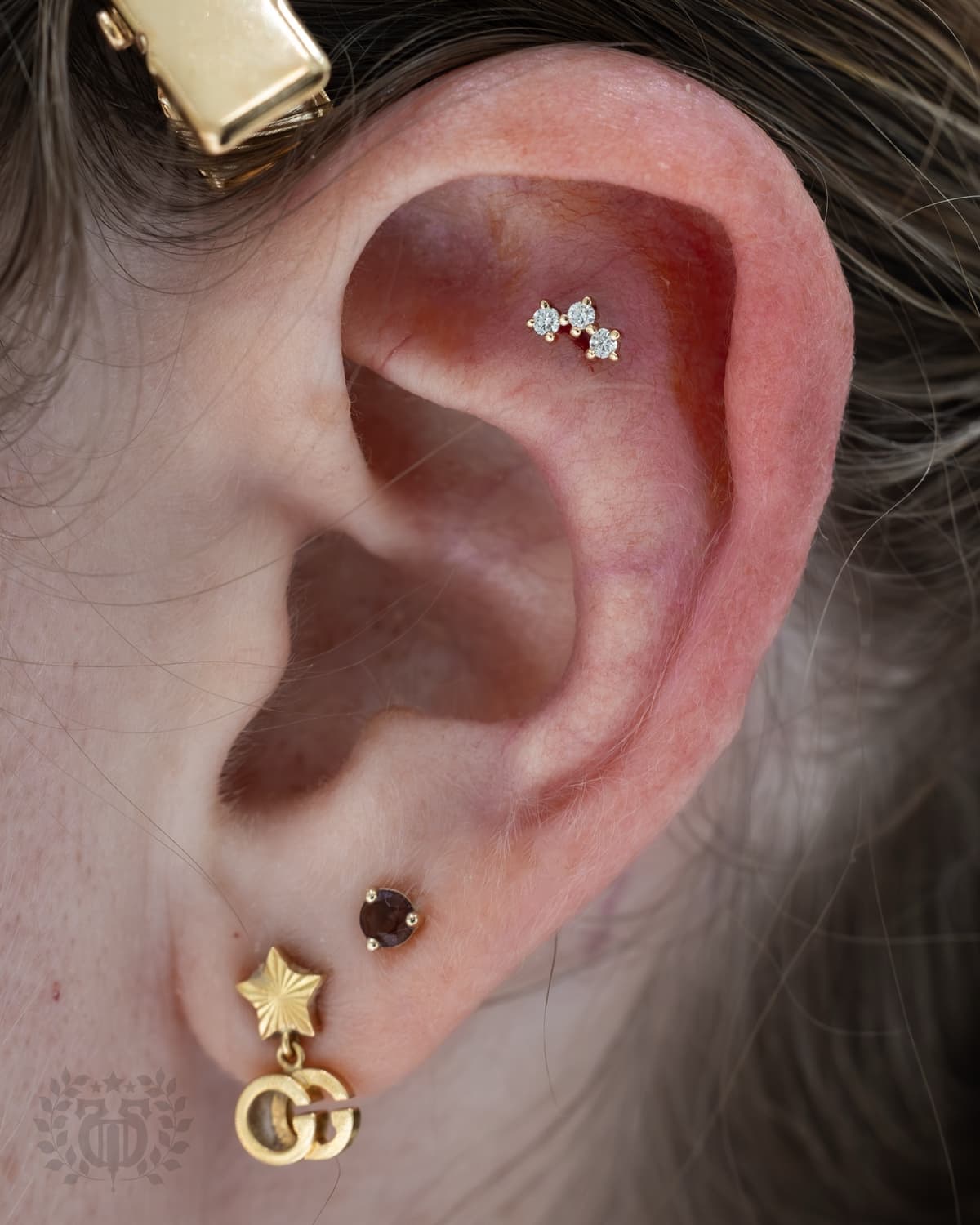
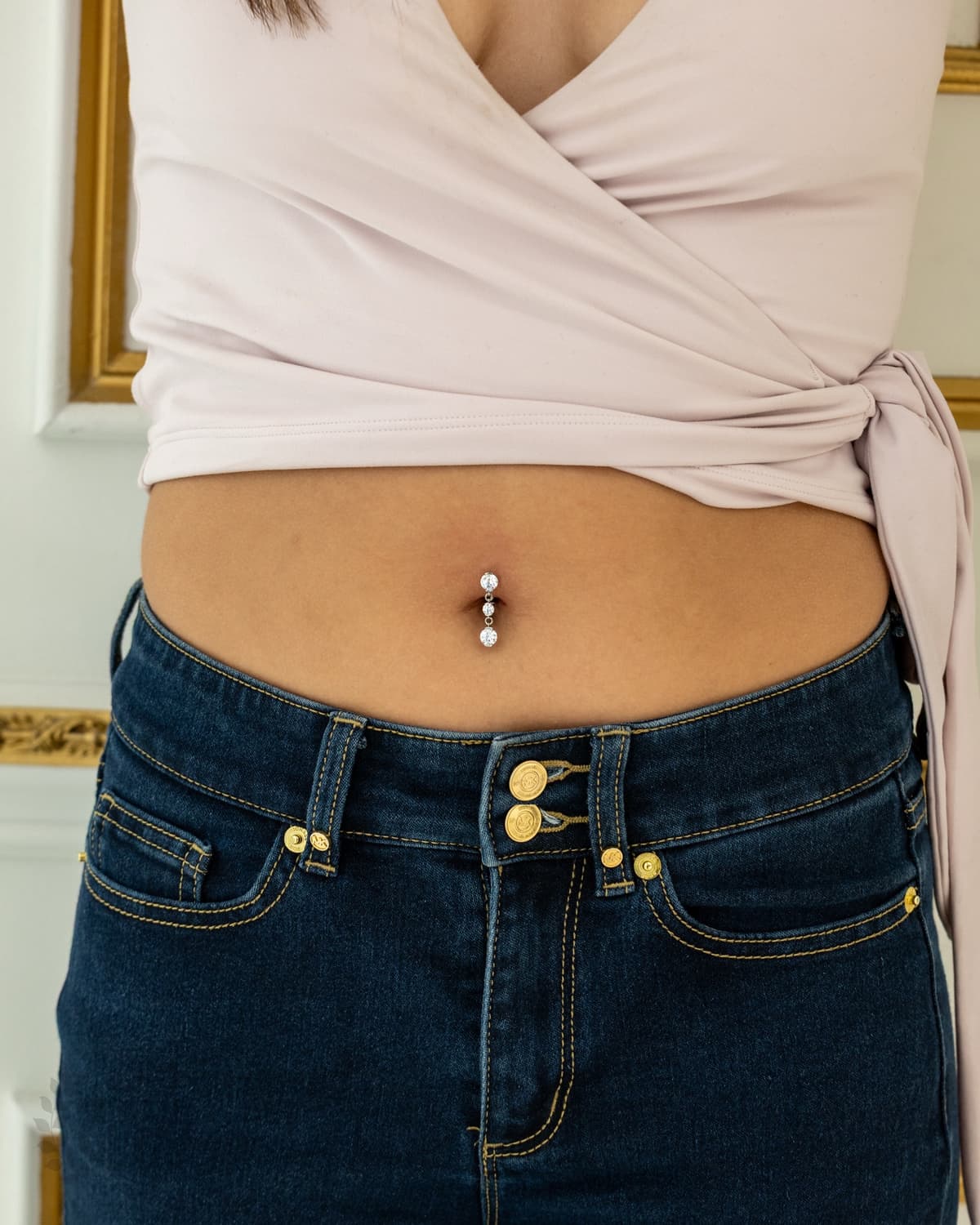
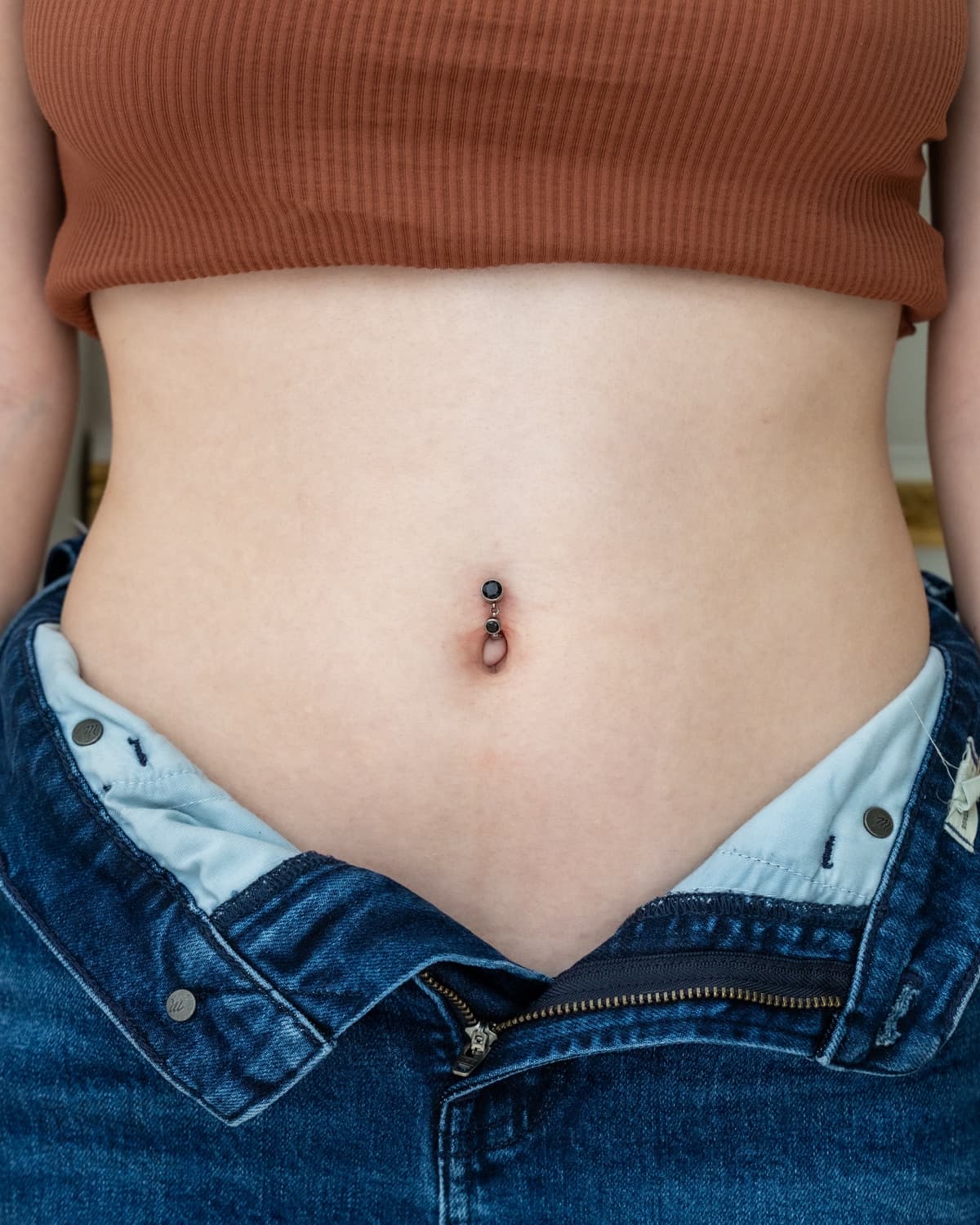
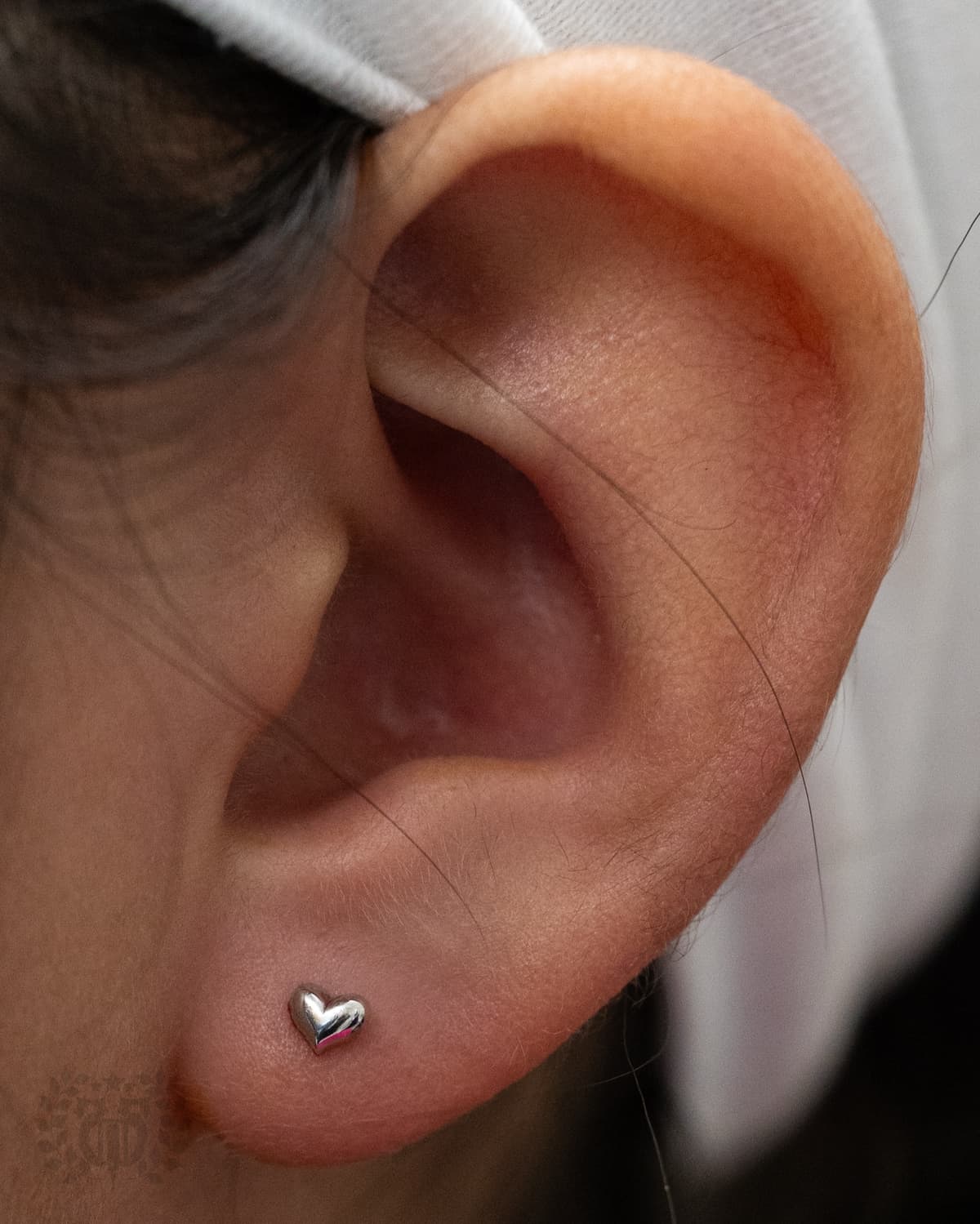
Bunny Vogt, a dedicated Senior Piercer at our studio since 2019, is known for her expertise in ear styling and curation as well as dermal anchor placement. She provides honest information about dermal longevity and helps clients make informed decisions.
 Founder
 Master Piercer
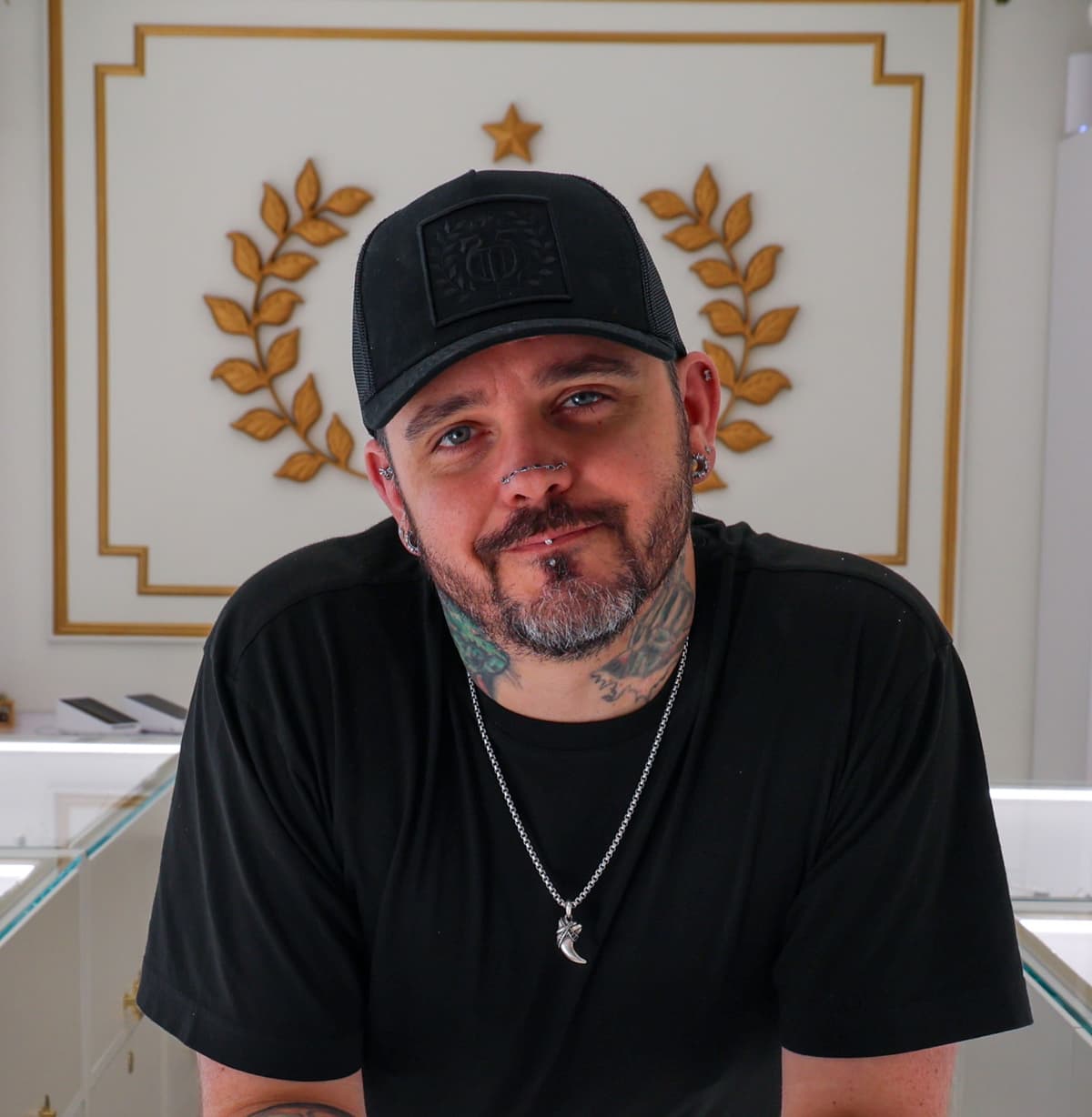
Blue Mason, our Master Piercer and studio founder since 2004, brings over two decades of dermal piercing expertise including advanced genital work. His experience with placement assessment helps maximize dermal longevity for each client.
Wear something that gives easy access to the spot you're considering, and expect the placement discussion to take longer than the procedure does.
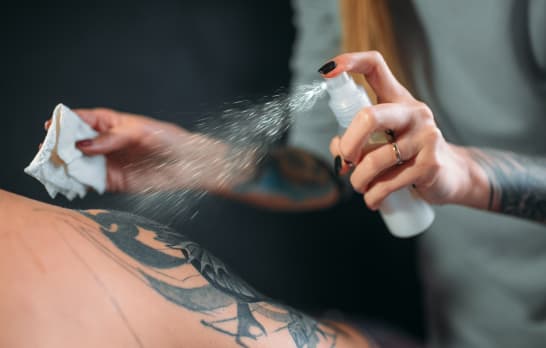
Keep it covered for the first week or two. That's the instruction people quietly skip and the one that saves the most anchors, because in that window there's nothing but a fresh pocket holding the plate and a single snag can lift it. A breathable adhesive dressing is enough; change it when it gets damp or grubby.
Cleaning is sterile saline on the opening twice a day, then dry with a clean paper towel. Never rotate or press on it. Never try to lever the crust off — soften it with saline and let it go on its own. Rinse and re-dress after training rather than leaving sweat sitting under a cover.
After healing the routine relaxes but doesn't stop. Keep tops low if you're around knitwear and gym kit. Hold the base if you're changing one yourself, and bring it in if there's any resistance. And keep an occasional eye on whether it's still sitting flat — that's the check that decides, years from now, whether removal leaves a dot or a line.
Book AppointmentThe most fragile stretch, because the plate has nothing holding it yet. A breathable dressing over the top, changed when it gets damp. Saline twice a day underneath. Some swelling and redness at the opening is expected. This is the fortnight where a jumper coming off carelessly can end the whole thing.
This is the phase doing the real work: tissue threading through the perforations in the base and locking it down. You can usually drop the dressing, but keep the flat top on and stay out of pools and the ocean. Don't change the top yet — twisting now means turning the plate in a pocket that's only half anchored.
Healing time varies a lot by site, and the anchor keeps consolidating well past the point where the surface looks finished. Tops become swappable — hold the base, and bring it in if there's resistance. From here it's simply a matter of noticing if it ever stops sitting flat, because that's the signal that decides how the eventual removal goes.
Dermals are the placement where we'd genuinely rather you came in twice. Once to work out where it should go, and once to have it done. The placement conversation is the part that determines whether you still have it in two years, and it's not a conversation that fits well into a gap between appointments.
Verbatim reviews from Apollo's Google Business Profile
"I was in LA visiting for a conference and was in the area having breakfast and waiting for my scheduled biking tour of the Santa Monica and Venice beaches. I wanted to get a tattoo but wasn't sure about finding a good spot that took walk ins...also it was around 8:00 in the morning. Apollo Tattoo & Piercing was open AND were able to get me in, customize my tattoo vision all in time for my 10:00 tour! I was impressed and am happy with my tattoo."
"Blue is the BEST at piercings. I got my tongue pierced by him and he did the most incredible job, exceeded all expectations. I was expecting lots of pain and swelling and a terrible healing process but barely had any swelling and close to zero pain throughout the piercing and healing. The placement was super clean and trauma free. Such a chill guy too. Def wanna come back for more piercings with Blue. Thanks so much I’m obsessed with it!"
Reviews from Google · Read all 623 on Google
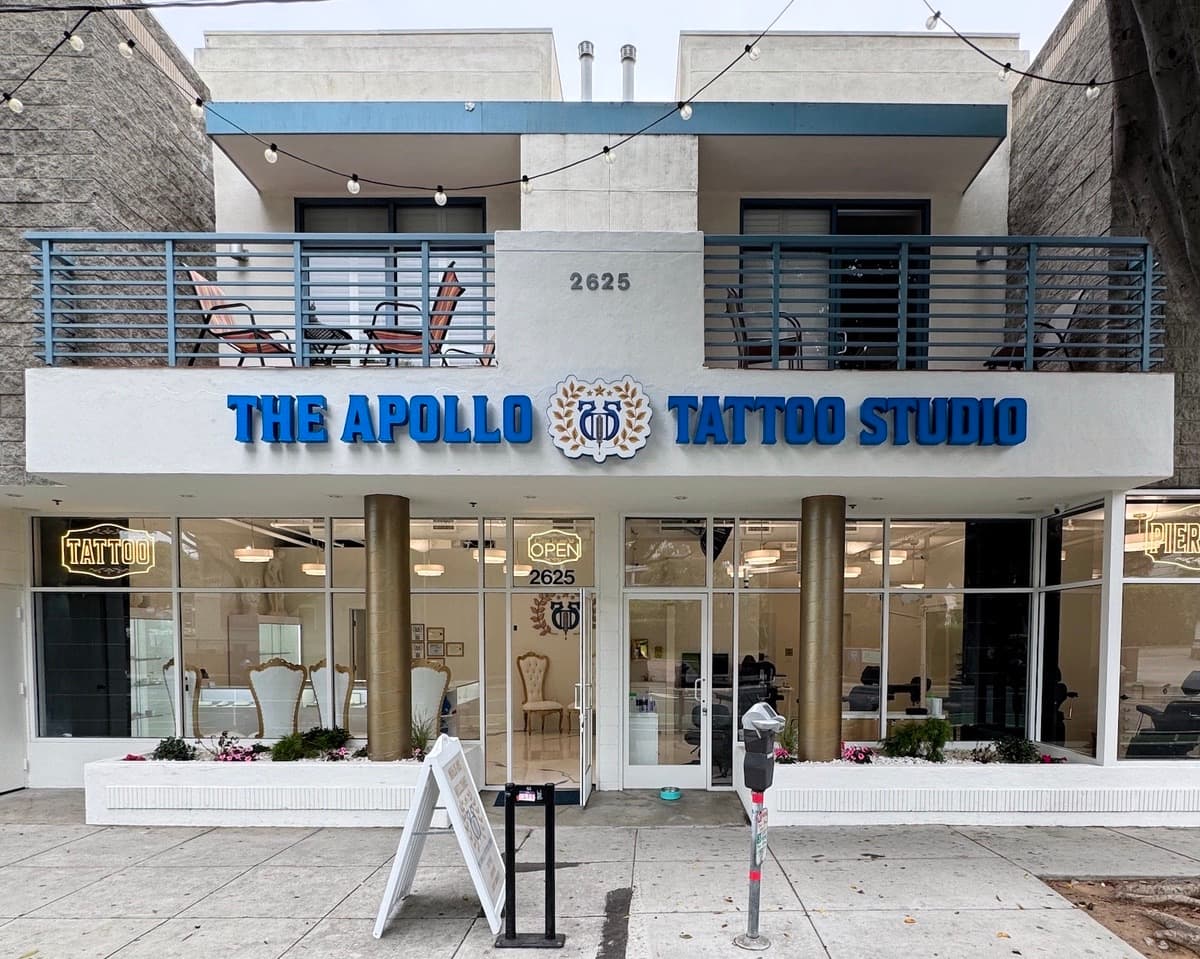
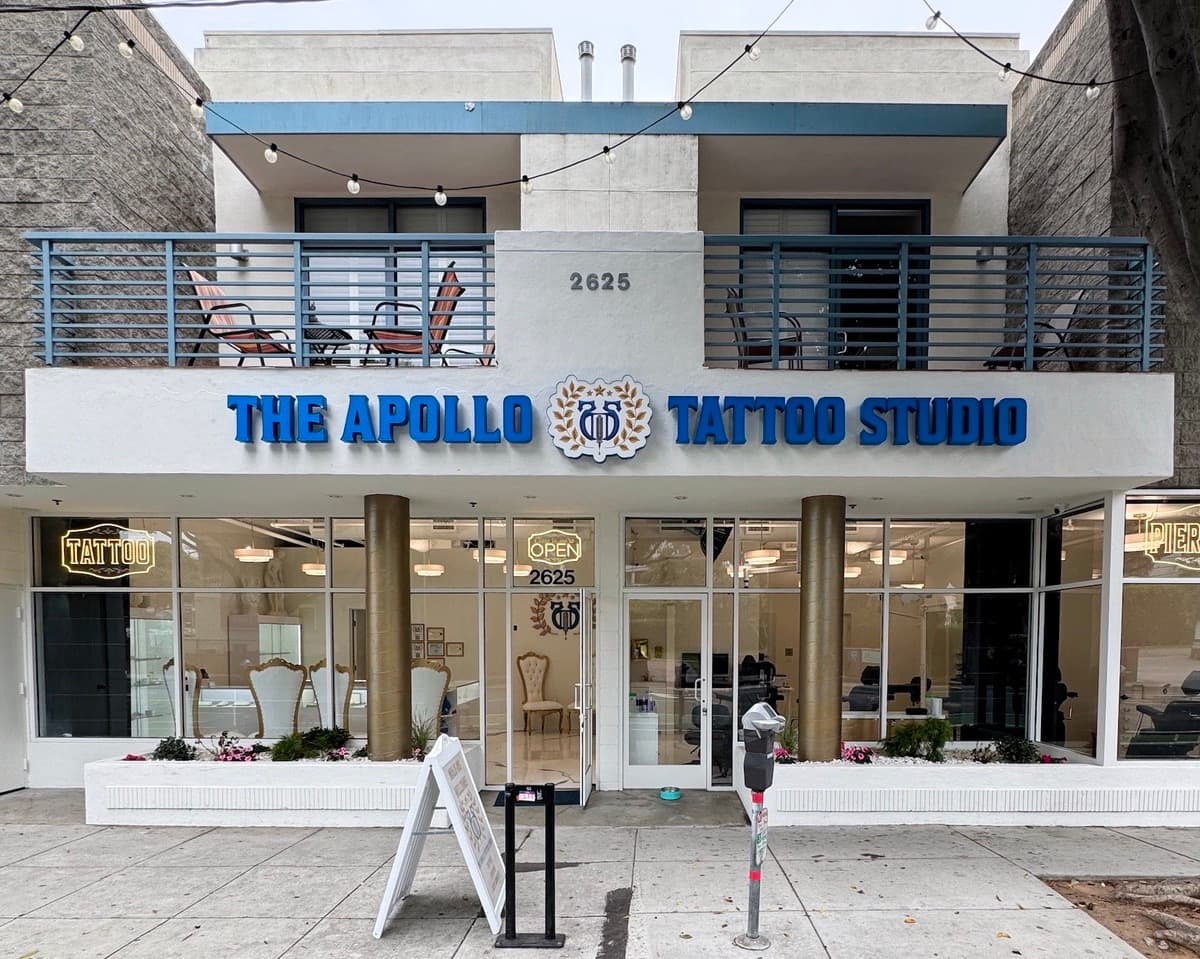
5000+ clients2625 Main St in Santa Monica, down at the Ocean Park end and a couple of blocks from the sand. Street parking along Main and on the residential streets running toward Neilson Way. Open 8am to 8pm, seven days — which is the useful bit for dermals, since a tilted top or a stiff swap is a five-minute walk-in rather than something you have to schedule around.
Santa Monica, CA
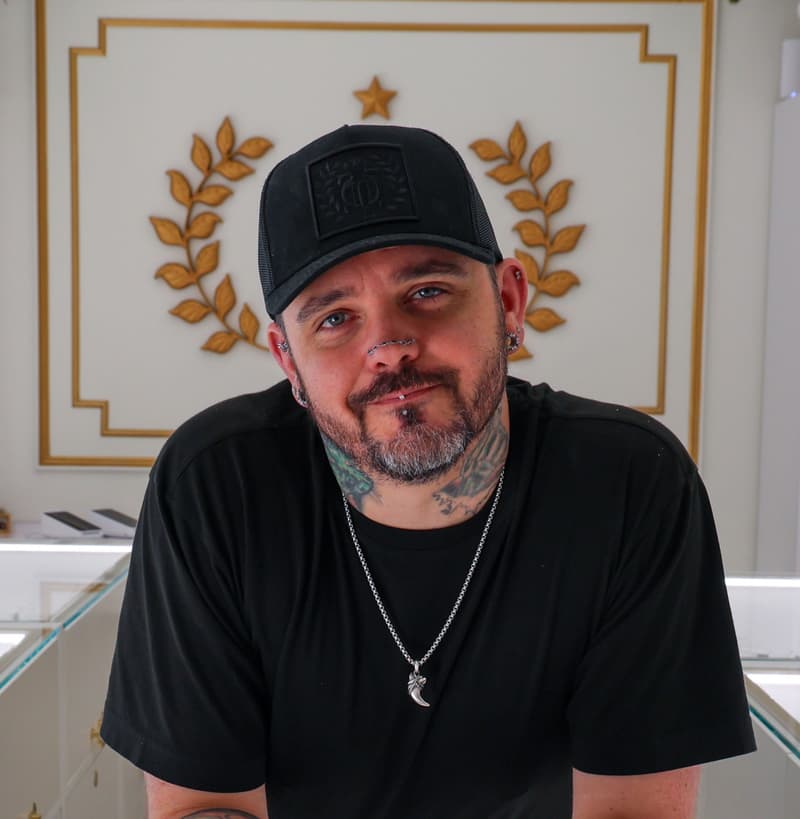
Apollo was founded by Blue Mason in 2007. With 20+ years of body art experience, Blue brings master-level expertise to every piece. Read Blue's story →
What an anchor is, where it holds, how it comes out, and what the bandage is for
Not in the way the rest of the price list is. A piercing goes in one side and out the other, and the jewelry sits in a channel with two open ends. A dermal has one opening. Underneath it there's a small footed plate — the anchor — lying flat in the layer beneath the skin, with a short threaded post coming up through the surface for a decorative top to screw onto. So it's an implant with a visible fitting rather than something threaded through tissue. That difference drives everything: how it heals, how it fails, and the fact that you can't take it out yourself.
Long enough to be worth doing, not long enough to be permanent. Some sit quietly for years in a good spot on a careful person. Others are out inside a year because they're somewhere that gets caught, knocked or leant on. What matters more than any average is placement: a dermal on a flat, low-traffic patch of skin has a genuinely different outlook to one on the back of a hand. It is semi-permanent by design, and anyone telling you otherwise is selling.
A small opening is made — with a needle or a dermal punch depending on the placement and your tissue — and a pocket is created in the layer beneath. The anchor plate is seated flat into that pocket and the top is threaded on. It takes a few seconds. What people describe afterwards is pressure more than a sharp pain: there's a distinct sensation of something being placed rather than something passing through.
Best: flat, stable skin that doesn't fold, doesn't get sat on, and isn't in the path of clothing. Sternum and collarbone are perennial favourites for good reason. Worst: hands, fingers, wrists, anywhere over a joint, and anywhere a waistband, bra strap or seatbelt crosses. Faces sit in the middle — very doable, very visible, and worth thinking through, because a facial dermal that fails leaves its mark in the open rather than under a shirt.
You come to us. Genuinely — this is not a DIY removal and pulling on one is how people turn a small scar into a bigger one. A piercer releases the tissue around the anchor plate and lifts it out, which is quick and far less dramatic than it sounds. Plan on it as part of owning a dermal rather than as an emergency, and understand that the fee for removal is confirmed at the visit rather than listed, because it depends on how well integrated the anchor has become.
The top starts to sit at an angle instead of flat. It seems to be standing taller than it did, because the plate is working its way up. The skin around the opening thins or reddens and stays that way. Sometimes you can begin to feel the edge of the plate through the skin. When any of that starts, come in. Removal at that stage leaves a small dot. Waiting until the body finishes pushing the plate out leaves the tear it made getting there, and that's the difference between a mark people don't notice and one they do.
Once it's properly settled, yes, with a real caveat: you have to hold the base absolutely still while you unscrew. If the top is stiff and you keep twisting, you're rotating the whole anchor in its pocket, which undoes months of integration in about four seconds. If there's any resistance at all, stop and bring it to us. We'll swap it while you wait and it costs you nothing.
$200 for a single dermal, $400 for a double. Jewelry is priced separately so the top is your choice. Removal is quoted at the visit. If you're weighing a dermal against a surface bar for the same spot — on a cheekbone, for instance — have a look at the anti-eyebrow page, where that comparison is spelled out.
Yes, and it's the least popular instruction we give. For the first stretch the anchor has nothing holding it but a fresh pocket, and a single snag on a jumper or a towel can lift it before any tissue has grown through the plate's holes. A breathable adhesive dressing over the top for the first week or two removes the whole category of accident. After that the risk drops sharply, but the habit of not catching it never stops mattering.
Nothing submerged during the healing period: pools, ocean, hot tubs, baths. Showers are fine from the first day. Sweat itself isn't the enemy, but sweat left sitting under a dressing is, so rinse and re-dress after training. And be careful with towels and gym kit coming off over your head — that's the snag that catches people out, not the swimming.
You can, and a planned cluster looks better than dermals added piecemeal, so it's worth mapping the whole design before the first one goes in. But every anchor is its own healing project and its own opportunity to snag, so more at once means more to protect. We'll talk through whether your design is better staged.
Apollo sits at 2625 Main St in Santa Monica, a block from the beach and easy to reach from anywhere on the Westside. Here's roughly how long it takes to get to us for tattoos and piercings:
There's metered street parking on Main Street and Ocean Park Blvd, plus a public lot on 2nd Street a short walk away. We recommend giving yourself an extra 10 minutes to park on weekends — Main Street gets busy with the farmers market and beach traffic. If you're running late, text us at the studio and we'll hold your appointment.
Blue Mason founded the studio, is Fakir-certified, and has been doing this since 2007; Bunny Vogt has been a senior piercer here since 2019. Both will tell you where an anchor won't hold, fit it flat and perforated where it will, and take it out properly when that day arrives. Implant-grade titanium, single-use needles and punches, LA County licensed. 2625 Main St, Santa Monica, 4.9 stars across 623+ Google reviews.
Recognized in Santa Monica's Most Loved 2025 & 2026


We'll respond within 24 hours
Or reach us directly:
We use cookies to run this site, remember your preferences, and understand how it's used. Read our Privacy Policy for full details.