Apollo is a working studio for nose piercing in Los Angeles — needle-only, titanium-only, with Bunny Vogt (piercing here since 2019) handling everything from a first nostril stud to high nostril, septum, bridge, and nasallang placements. We sit at 2625 Main St in Santa Monica's Ocean Park neighborhood, open 8am to 8pm seven days a week, and the front door is the same one you'd use for a walk-in or an appointment.
Nostril and bridge piercings start at $75, septum at $85, nasallang at $100+. Jewelry is implant-grade titanium ASTM F-136 or solid 14k/18k gold from BVLA, Anatometal, Junipurr, NeoMetal, and Kiwi Diamond — never the mystery alloys that turn a new piercing into a months-long bump. The piercing takes seconds; healing takes weeks to months, and good jewelry, clean technique and steady aftercare are what turn a new piercing into one you will keep.
Book Your Nose Piercing 5000+ clients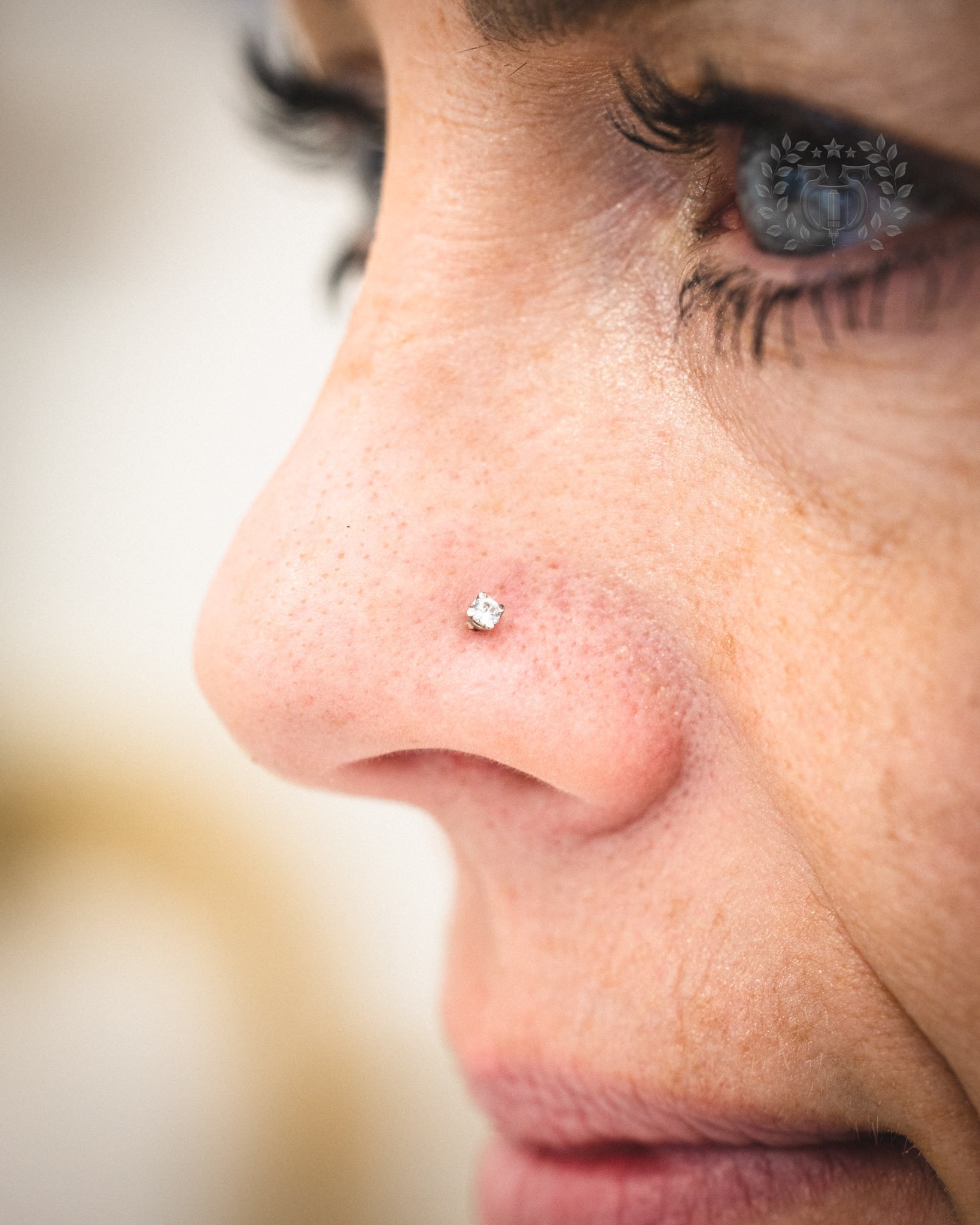
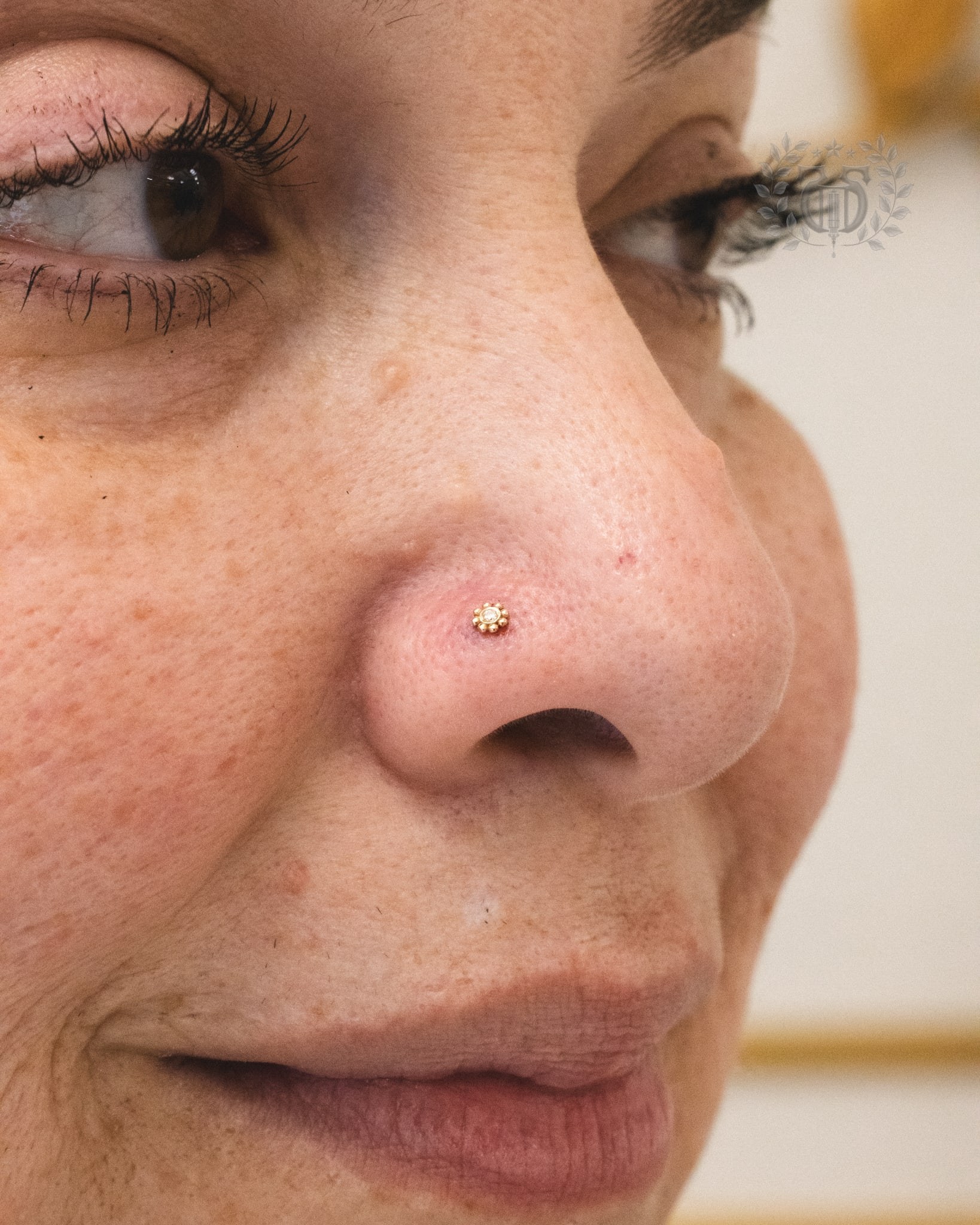
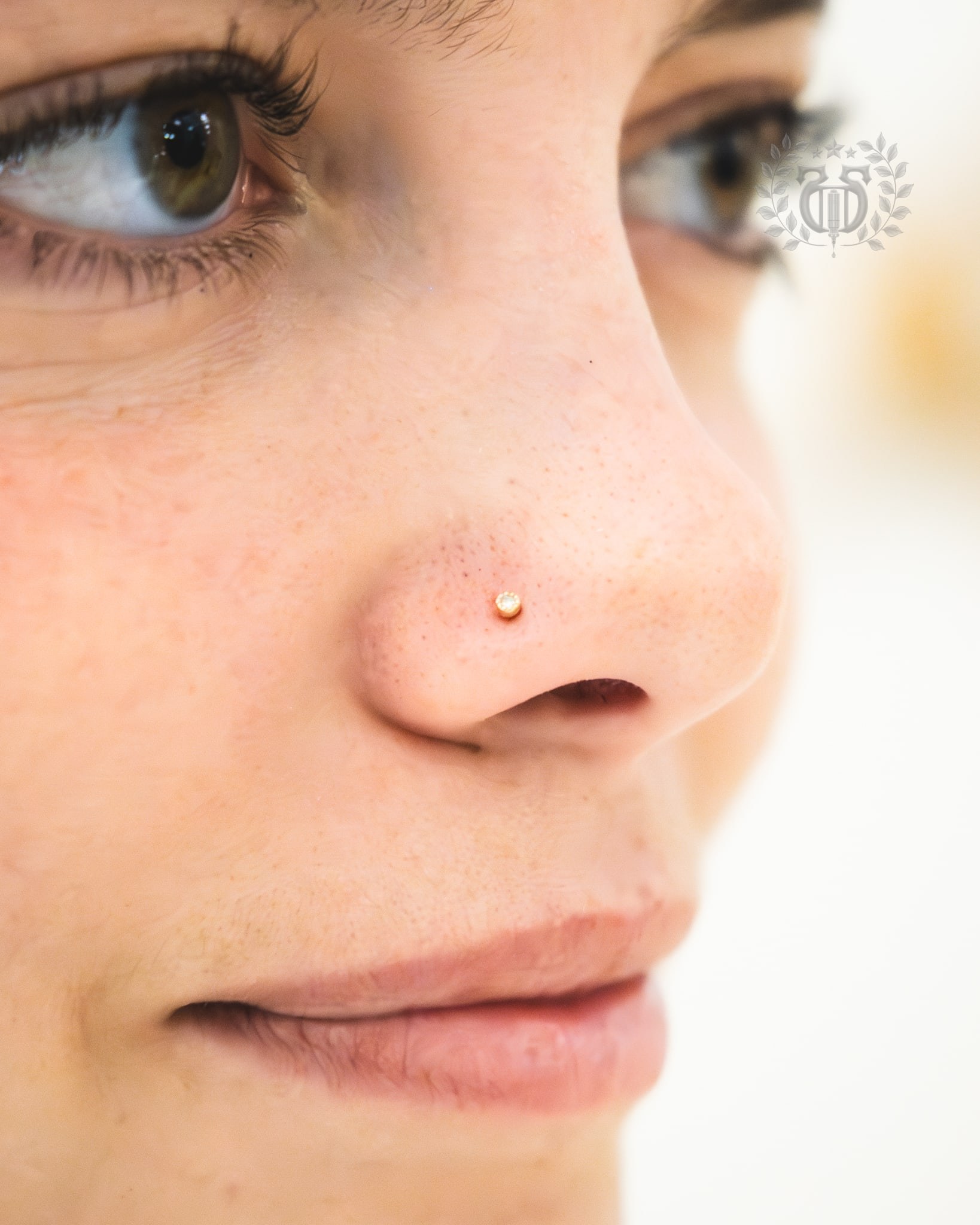
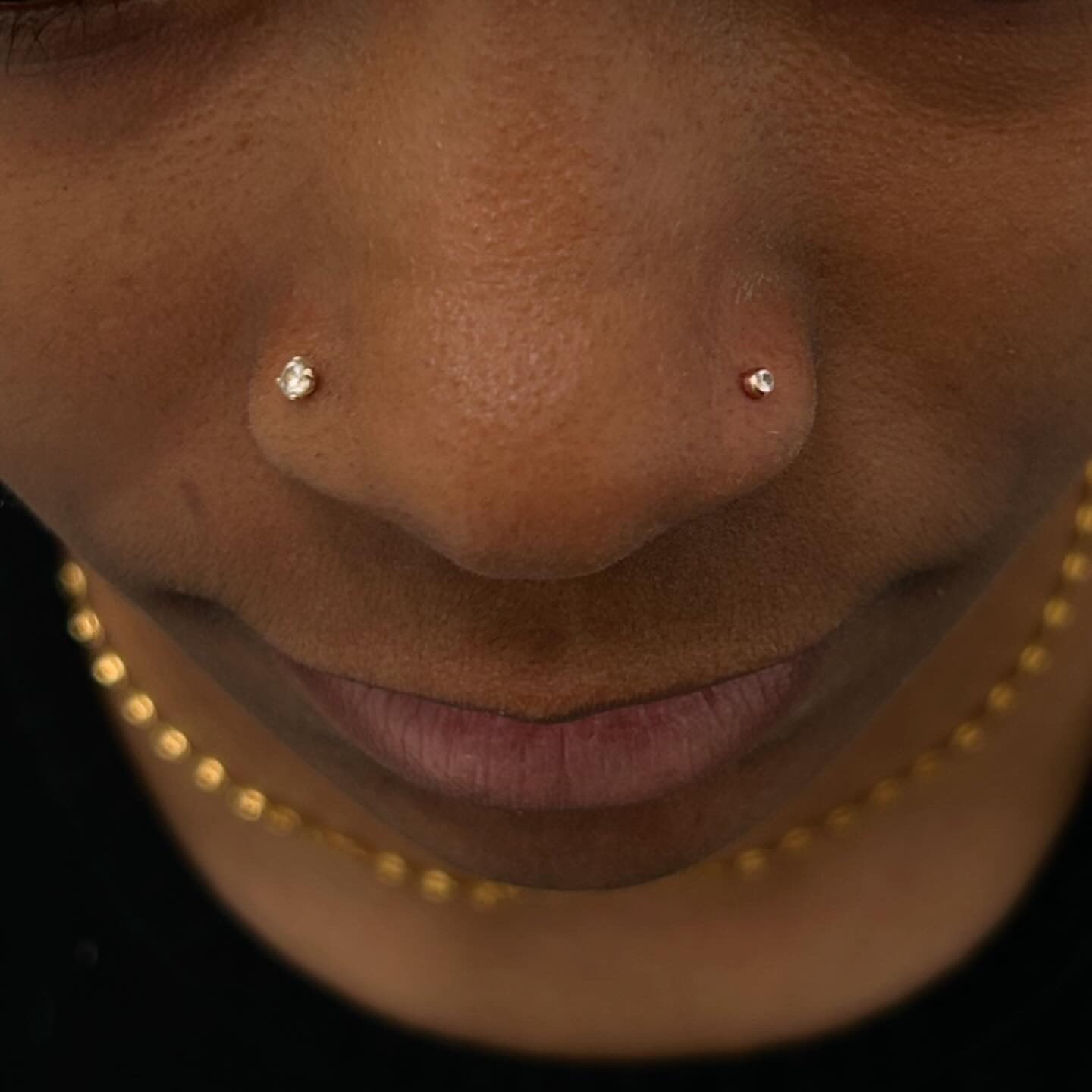
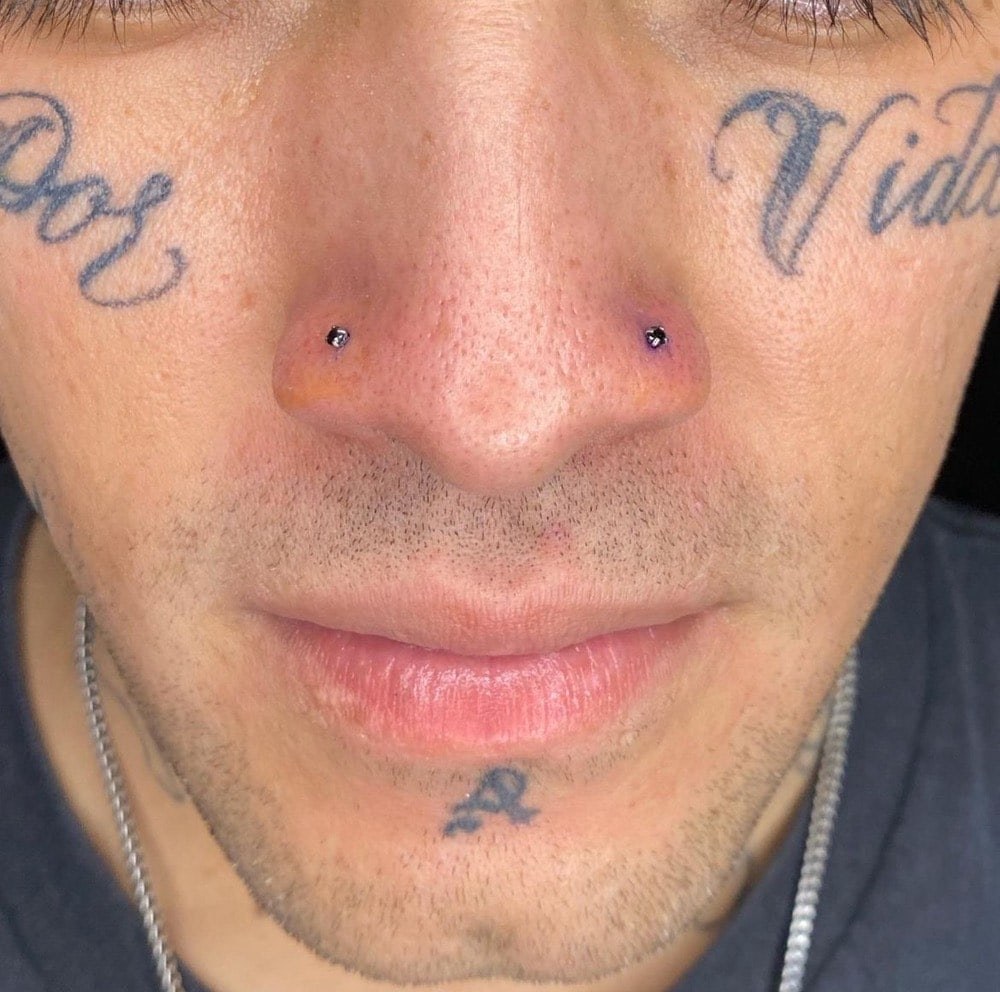
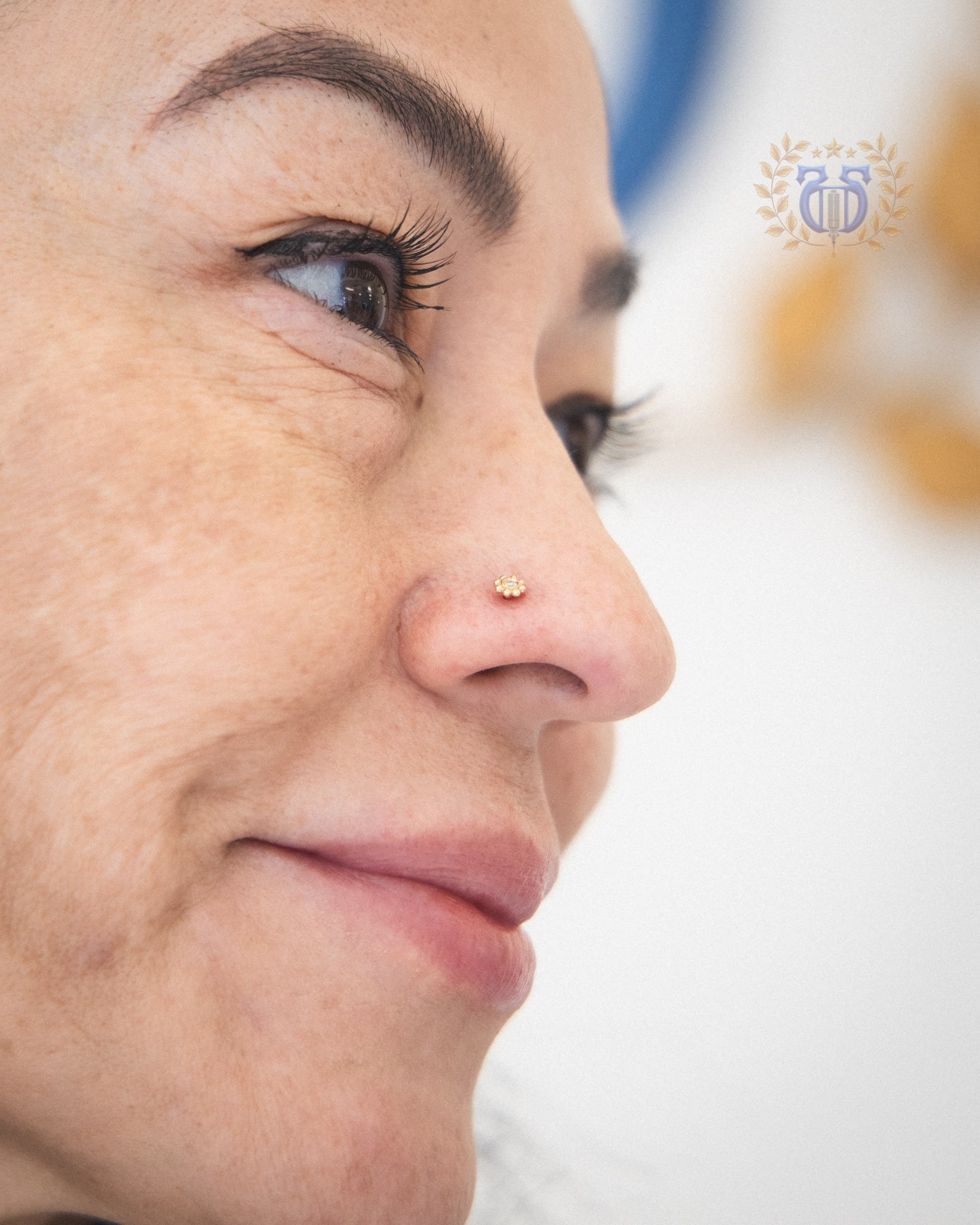
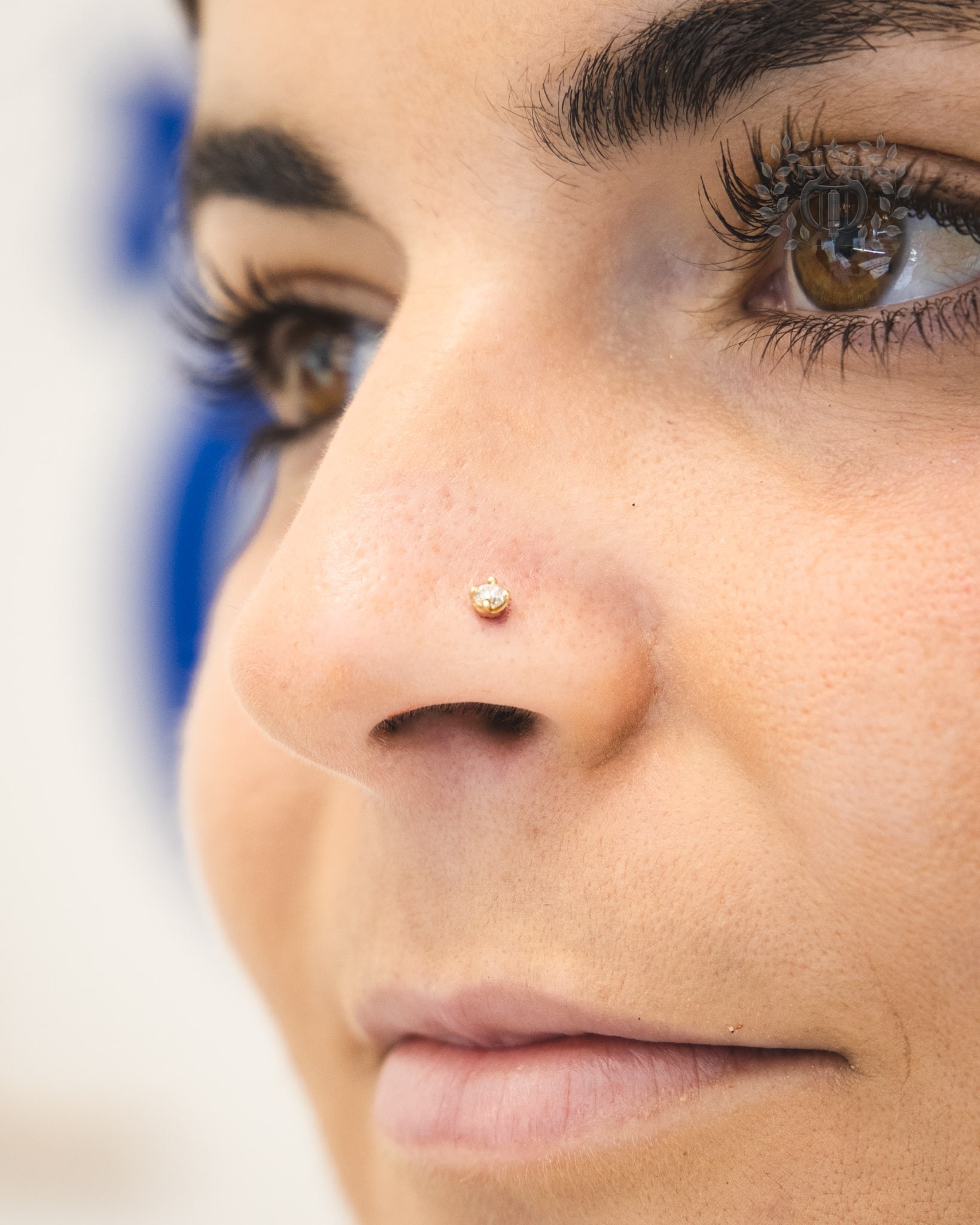
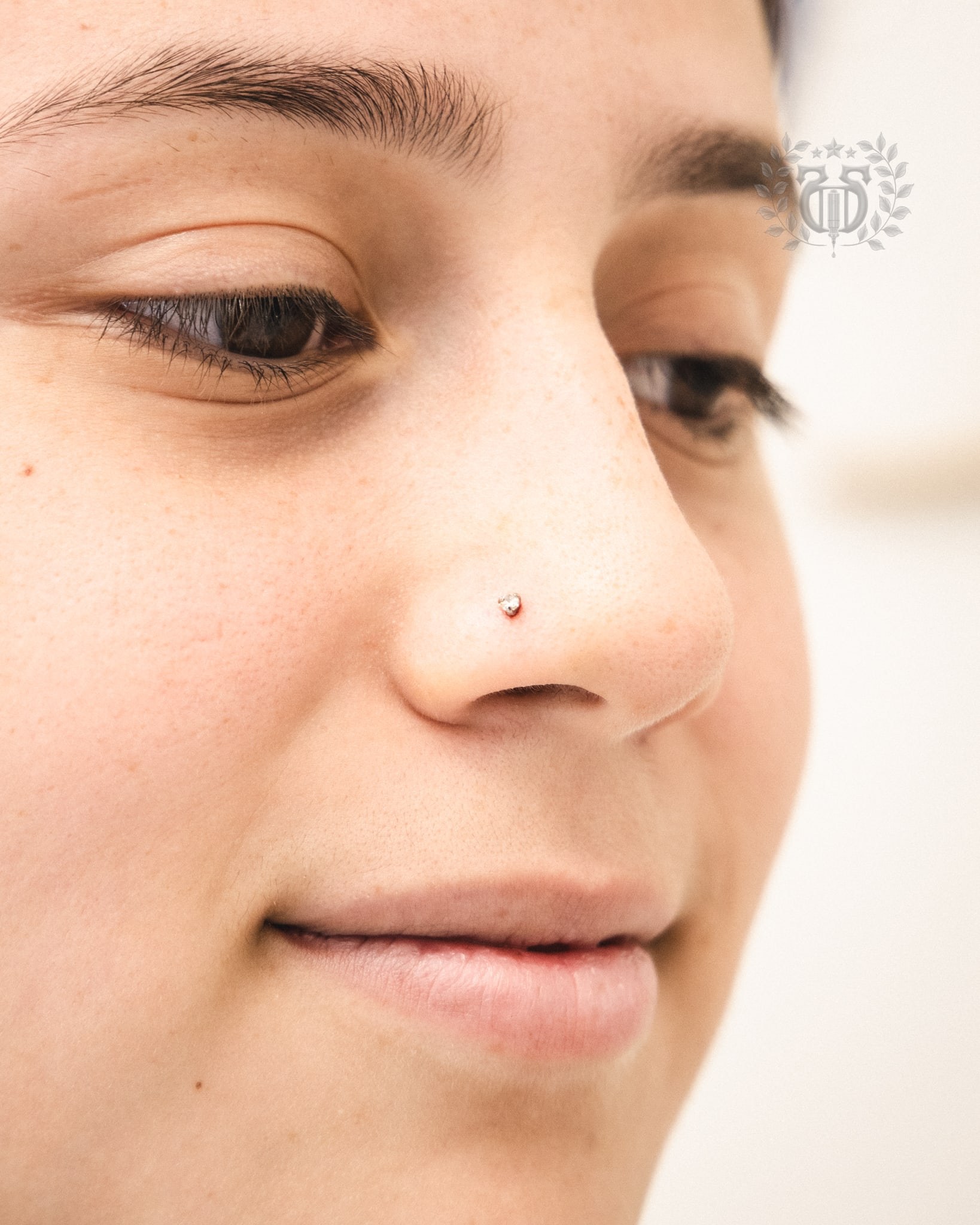
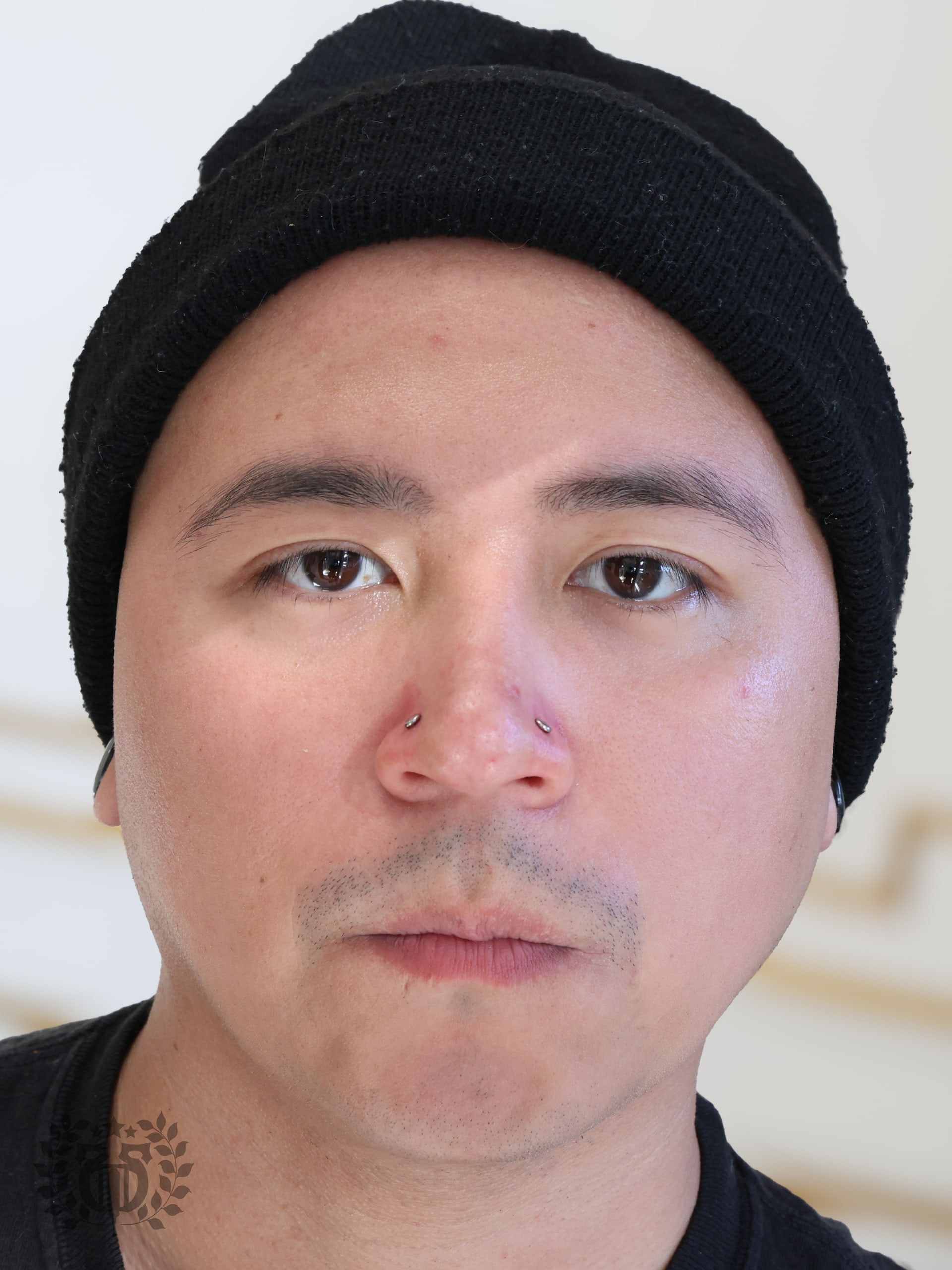
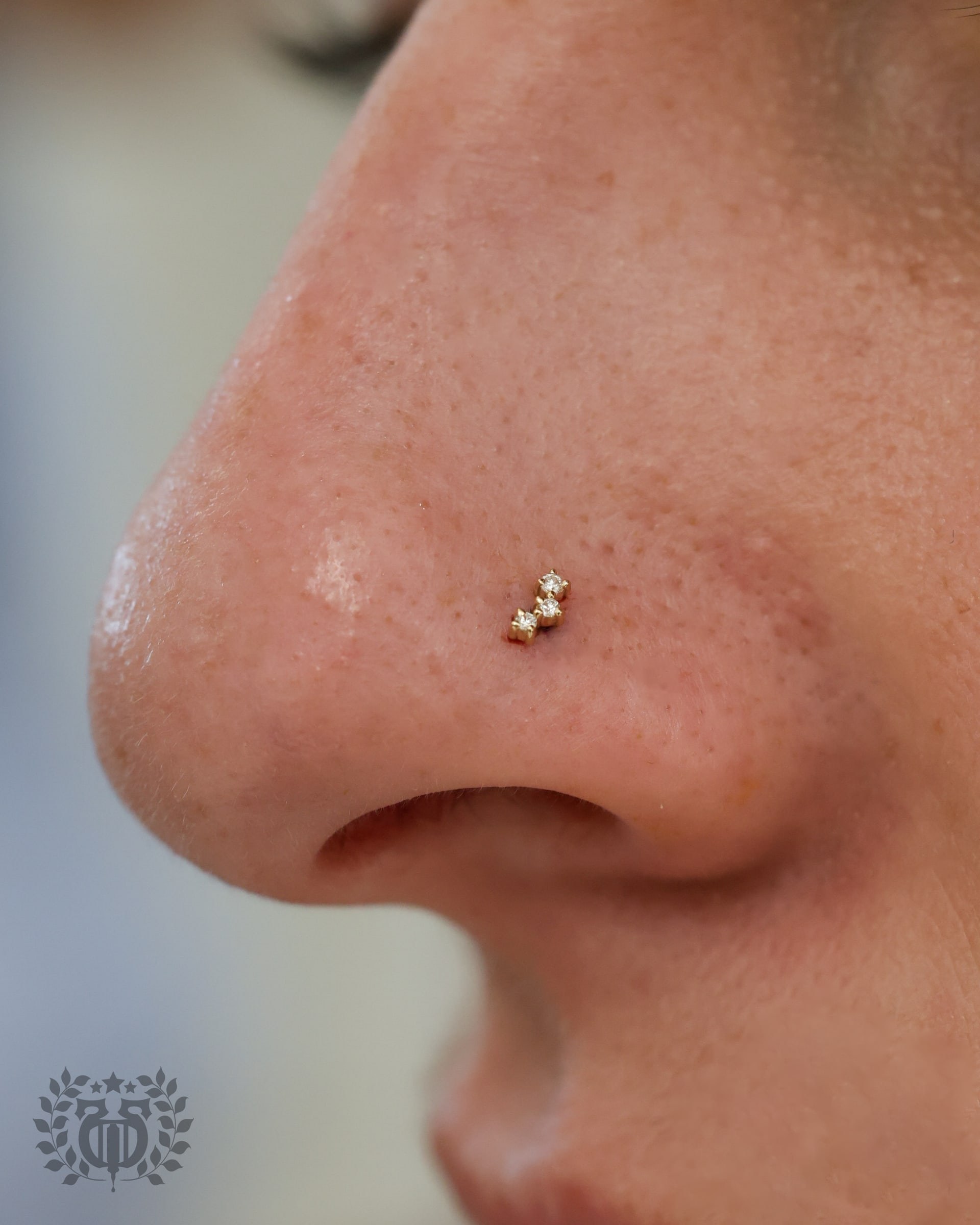
What sets Apollo apart for nose piercings in Los Angeles
From locating the septum sweet spot to finding the ideal nostril curve, our piercers examine your anatomy to determine the perfect placement for your chosen nose piercing style.
We use receiving tubes and sterile single-use needles for all nose piercings. This technique ensures straight placement and minimal tissue trauma. We never use clamps or piercing guns.
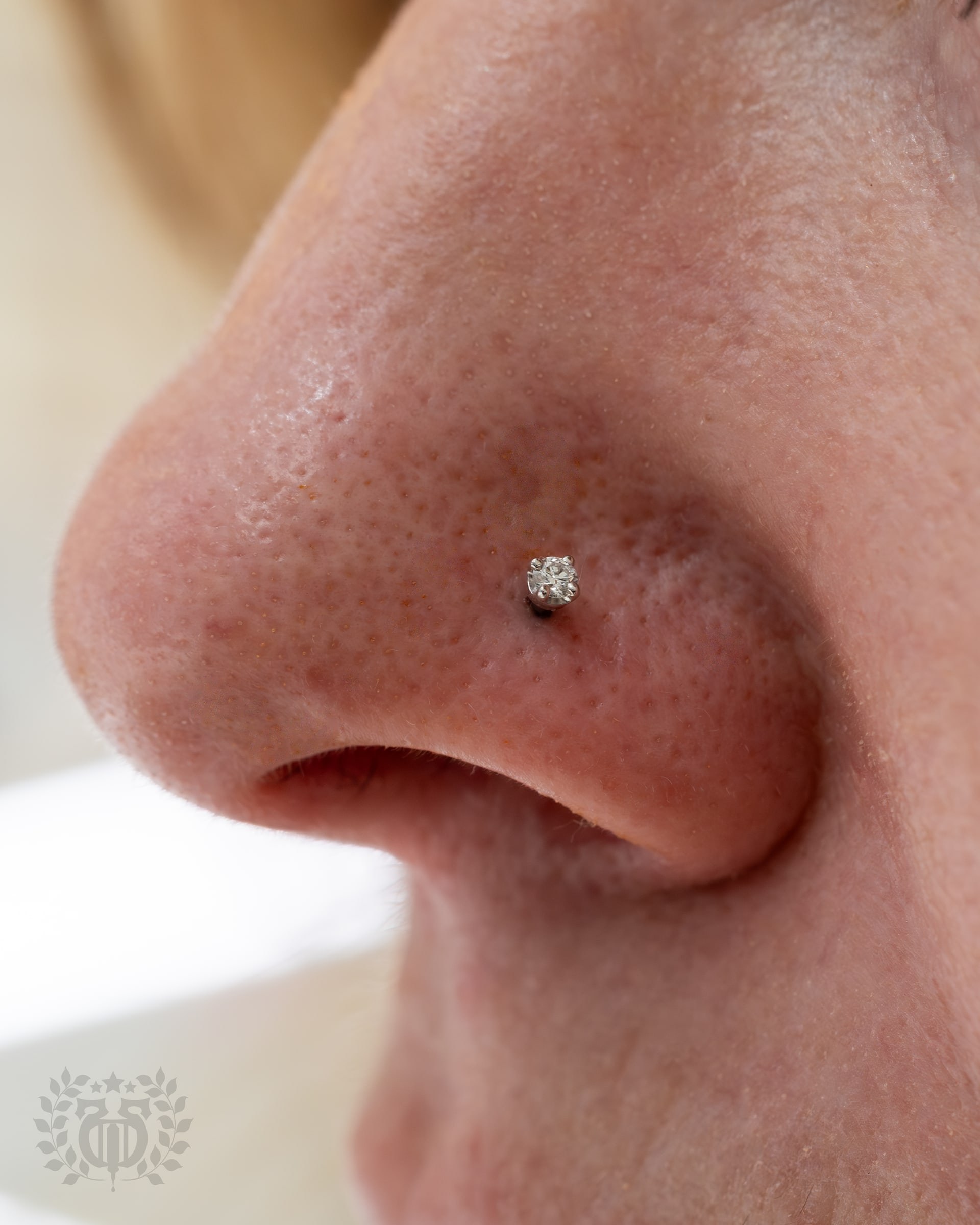
We stock everything from delicate nostril studs and seamless rings to ornate septum clickers and bold bridge barbells in titanium, 14K gold, and premium brands.
Different nose piercings have different healing needs. We provide customized aftercare instructions for your specific piercing type and free follow-up support throughout healing.
Nostril, high nostril, septum, bridge, and nasallang piercings all performed with expertise. We handle every nose piercing type at our Los Angeles studio.
Only implant-grade titanium (ASTM F136), solid 14K gold, and niobium from top brands like BVLA and Industrial Strength. No cheap mystery metals that cause reactions.
Apollo's Premium Jewelry Partner
Handmade in Los Angeles since 1996. Lifetime guarantee. Implant-grade gold, platinum, and titanium. Over 3,000 original designs in our case — ask your piercer for a tour.
See the BVLA story →Explore the range of nose piercing services at our Los Angeles studio.
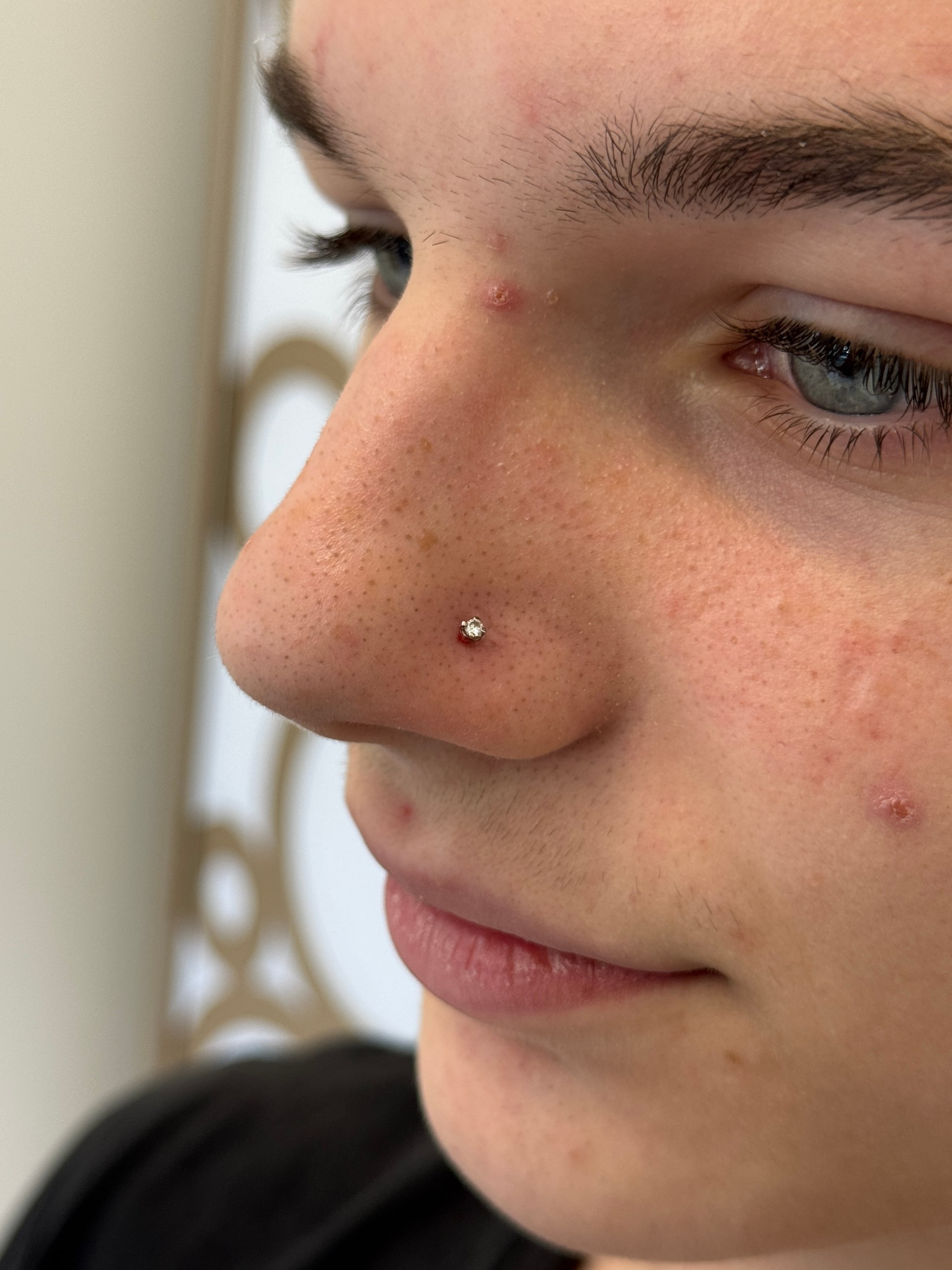
The classic nose piercing placed on the curve of the nostril. Versatile jewelry options from delicate studs to seamless hoops. Healing: 4-6 months.
A higher placement on the nasal bridge for a unique, modern look. Pairs beautifully with standard nostril jewelry. Healing: 6-9 months.
Through the "sweet spot" between your nostrils for minimal pain. Can be hidden for work with retainers. Healing: 3-4 months.
A surface piercing across the nose bridge between the eyes. Creates a striking statement look. Healing: 6-12 months.
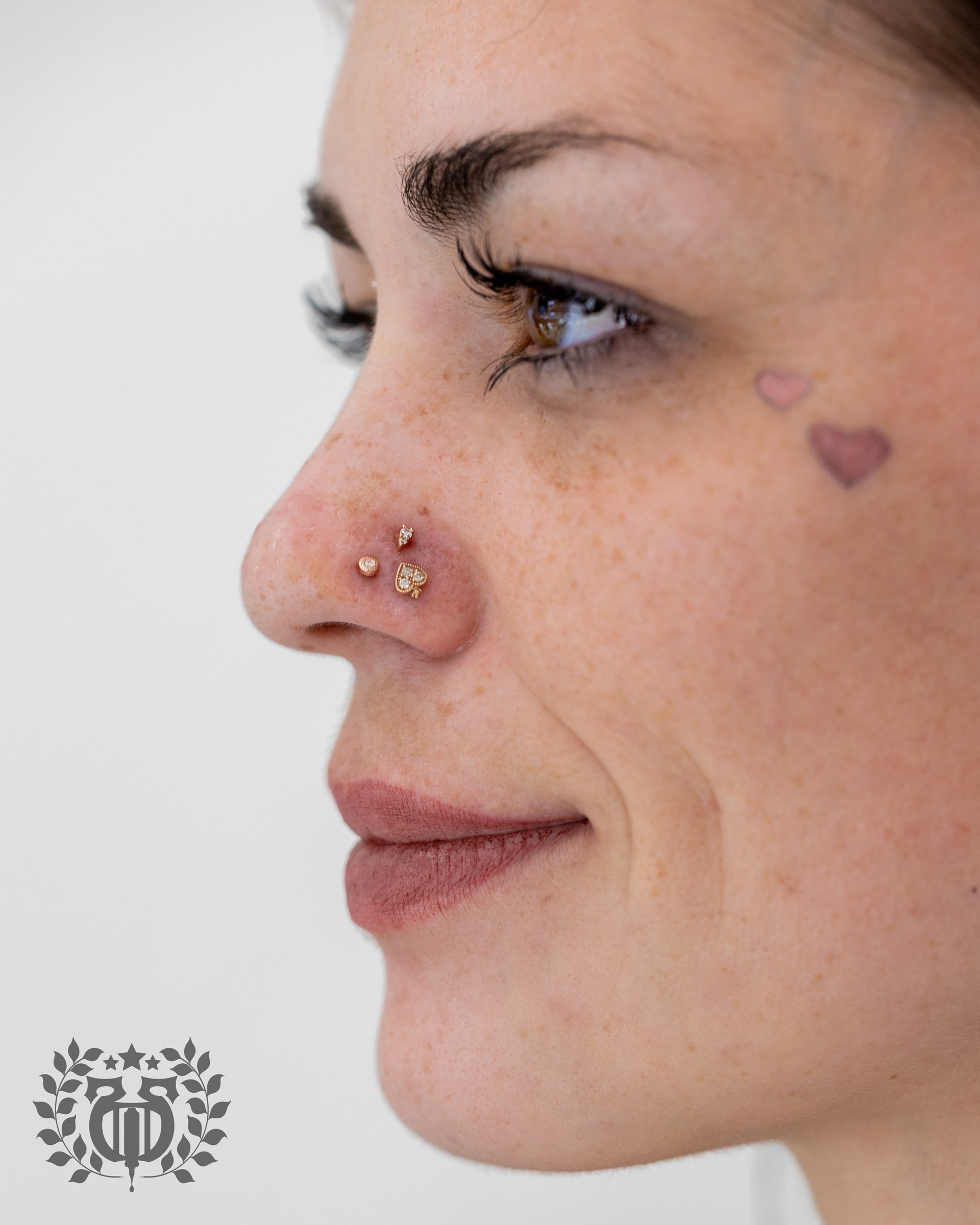
An advanced piercing through both nostrils and septum in one pass. Requires experienced piercers. Healing: 9-12 months.
Clear next step
Schedule your appointment
Recommended first step
Choose a facial or oral piercing appointment with clearer placement guidance.
Every piercing heals differently — here's what to expect
| Piercing Type | Location | Initial Healing | Full Healing | Pain Level |
|---|---|---|---|---|
| Nostril | Side of the nose | 2-3 months | 6-9 months | 3-4/10 |
| Septum | Tissue between nostrils | 6-8 weeks | 3-6 months | 4-5/10 |
| Bridge | Skin across nose bridge | 2-3 months | 6-9 months | 5-6/10 |
 5000+ clients
Your safety is non-negotiable at our Los Angeles nose piercing studio
All reusable tools are sterilized in our hospital-grade autoclave.
Pre-sterilized needles opened in front of you -- never reused.
Clean, organized piercing stations with EPA-registered disinfectants.
Licensed and inspected by LA County Health Department.
All staff trained and certified in safety protocols.
We stock only the best jewelry brands for your nose piercings
Transparent pricing — jewelry sold separately
Jewelry sold separately
Jewelry sold separately
Jewelry sold separately
Jewelry sold separately
Jewelry sold separately
Jewelry sold separately
Jewelry Upgrades: Premium jewelry upgrades available. BVLA, Industrial Strength, and gold pieces priced separately based on selection.


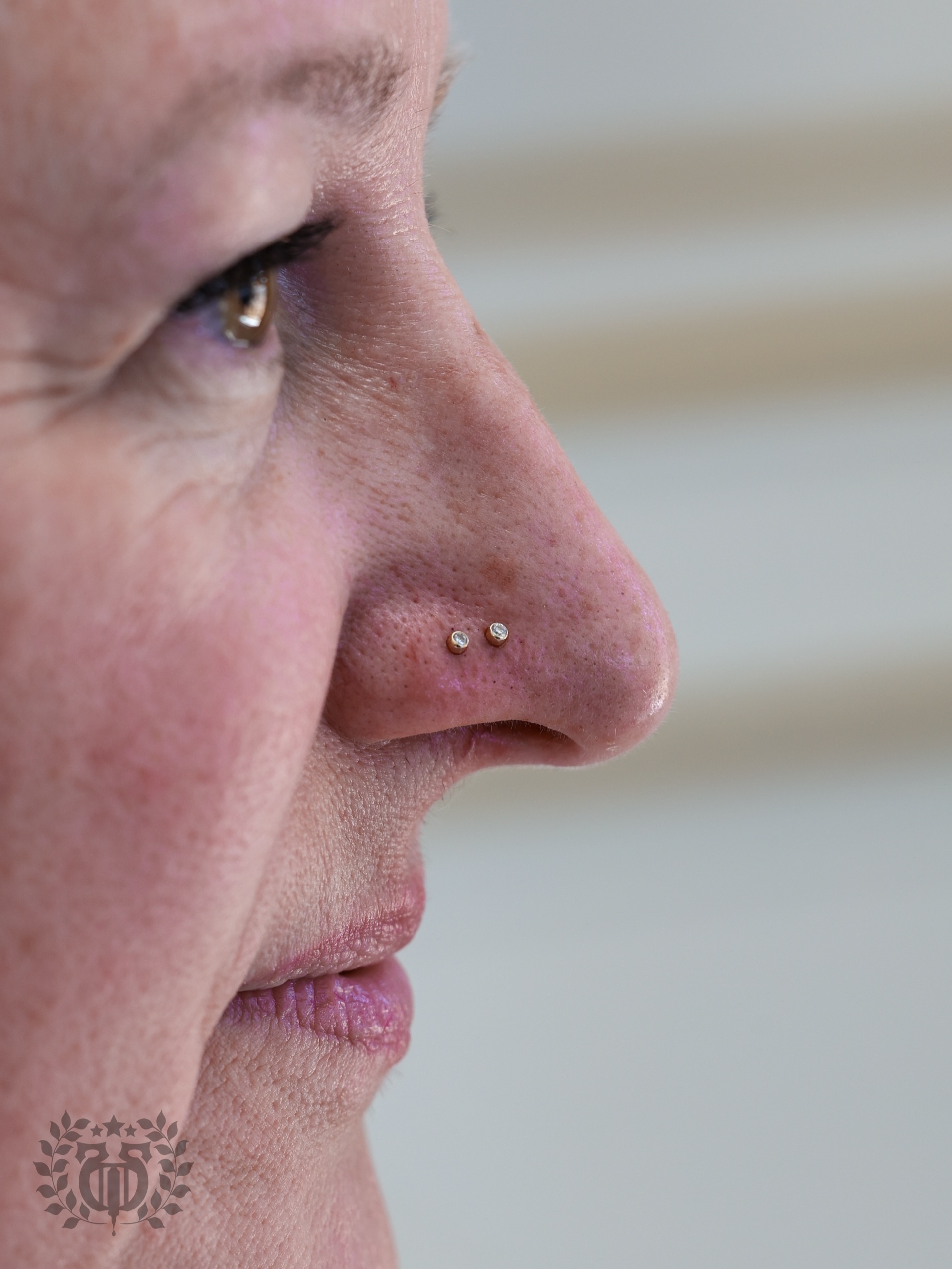
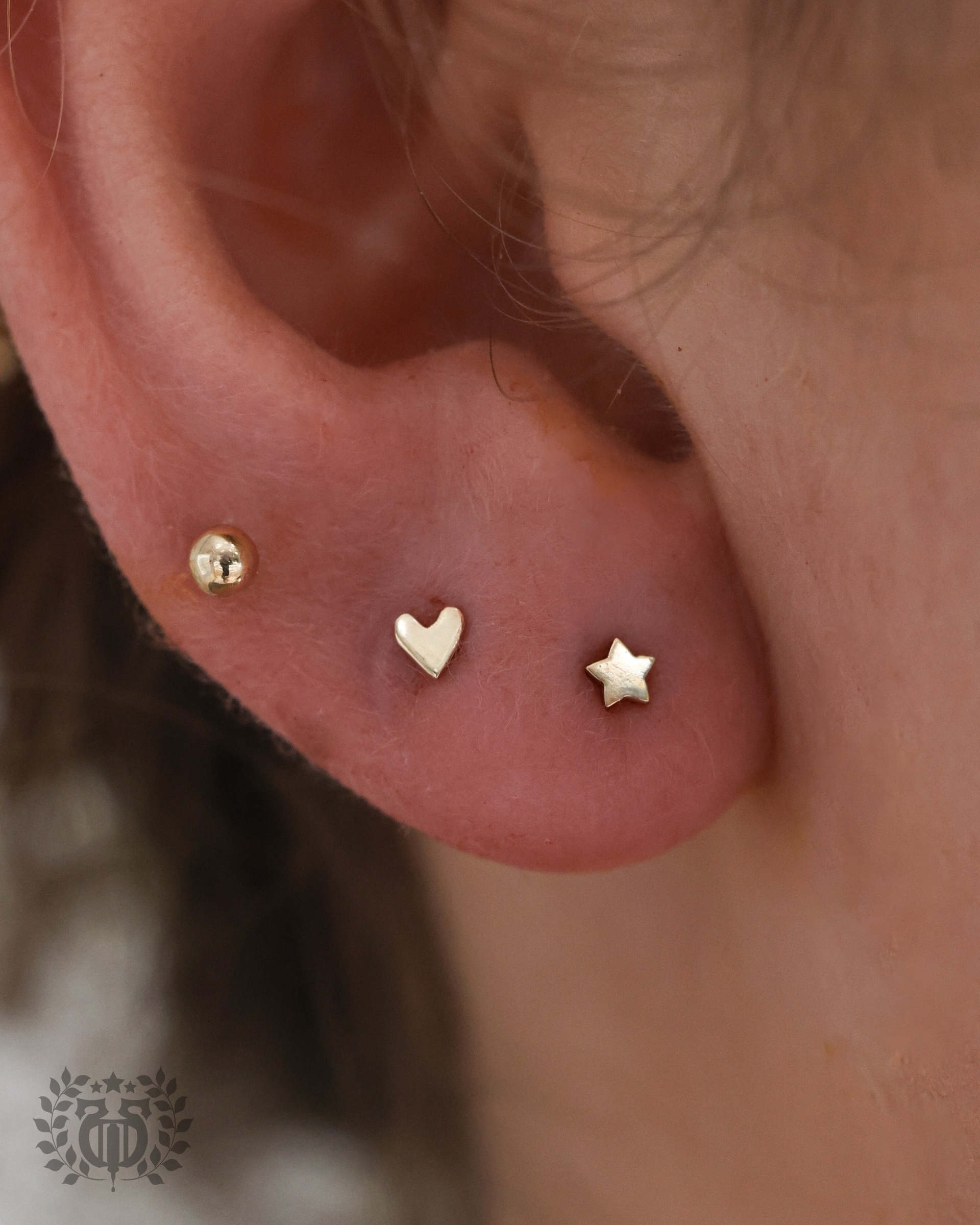

 Senior Piercer
 Senior Piercer
Bunny Vogt, a dedicated Senior Piercer, specializes in nose piercings and ear styling and curation at our Los Angeles studio since 2019. Her gentle technique and expertise in nostril, septum, and high nostril placement ensures a comfortable piercing experience every time.


 Founder
 Master Piercer
Blue Mason, our Master Piercer and studio founder, has performed thousands of nose piercings and advanced genital work over 20+ years. His precision and expertise ensures perfect placement for nostril, septum, high nostril, bridge, and nasallang piercings.
From consultation to aftercare, we deliver a safe, comfortable nose piercing experience at our Los Angeles studio.
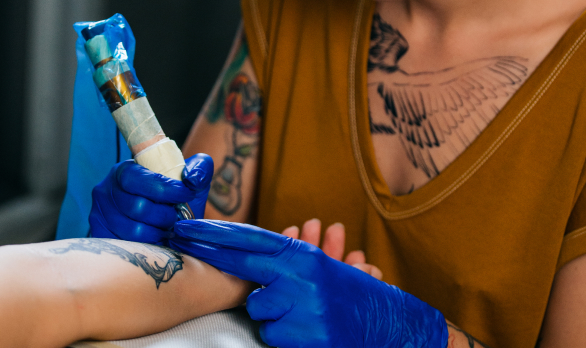
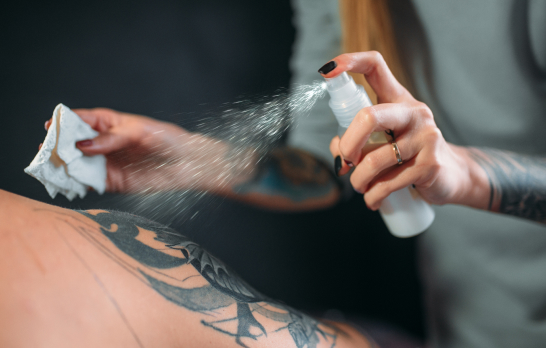
Proper aftercare is essential for a successful nose piercing. After your session, you'll receive detailed aftercare instructions specific to your piercing type. Our team is always available for questions throughout the healing process.
Clean twice daily with sterile saline solution. For nostril piercings, spray directly on both sides. For septum piercings, spray inside nostrils. Don't twist, rotate, or touch jewelry during healing. Avoid swimming pools, lakes, and hot tubs.
Book AppointmentClean 2x daily with saline solution. Avoid touching with dirty hands. Some swelling and redness is normal, especially around nostrils. Don't rotate or twist jewelry.
Continue cleaning routine. Avoid swimming and submerging in water. Don't change jewelry yet. Swelling should subside. Be careful with glasses and sunglasses on nostril piercings.
Septum: 3-4 months. Nostril: 4-6 months. High nostril: 6-9 months. Bridge: 6-12 months. Visit us for jewelry changes -- don't change nose jewelry yourself until fully healed.
Getting your nose pierced at our Los Angeles shop is easy -- you can choose what works best for you.

See What Our Satisfied Clients Have to Say
"Got my nostril pierced here and it was the best experience! Blue was so precise and gentle. The jewelry selection is amazing—I went with a tiny gold stud from BVLA."
"Bunny did my septum and nostril piercings on the same visit. Both were quick, minimal pain, and perfectly placed. Apollo is the only place I trust for nose piercings in LA!"
"I was nervous about getting my high nostril pierced but the team at Apollo made me feel so comfortable. Clean studio, professional approach, and amazing aftercare support."
"Fourth visit to Apollo—this time for a bridge piercing. Healed beautifully just like my other piercings from here. Best nose piercing studio in Los Angeles, hands down."
5000+ clients
Santa Monica, CA
Apollo was founded by Blue Mason in 2007. With 20+ years of body art experience, Blue brings master-level expertise to every piece. Read Blue's story →
Common questions about nose piercings in Los Angeles
Apollo Studio in Los Angeles offers a full range of nose piercings including nostril, high nostril, septum, bridge, and nasallang piercings. During your consultation, our piercers will discuss your desired look and recommend the best placement for your anatomy.
At Apollo Studio, nose piercings start at $75 for the piercing service. Septum piercings start at $85, while advanced placements like high nostril or nasallang may cost more. Premium jewelry upgrades are available.
Pain varies by placement. Nostril piercings rate 3-4 out of 10 for most clients—a quick pinch lasting 1-2 seconds. Septum piercings through the sweet spot rate 4-5 out of 10. Bridge and nasallang piercings may be slightly higher. Our experienced Los Angeles piercers use precise technique to minimize discomfort.
Healing time depends on the type of nose piercing. Septum piercings heal fastest at 3-4 months. Nostril piercings take 4-6 months. High nostril piercings need 6-9 months. Bridge piercings require 6-12 months. Following proper aftercare is essential for timely healing.
Wait until your nose piercing is fully healed before changing jewelry. Nostril studs and rings require careful insertion to avoid irritation. We recommend visiting our Los Angeles studio for your first jewelry change so our piercers can verify healing and demonstrate proper technique.
We carry a wide selection of nose piercing jewelry in implant-grade titanium, solid 14K gold, and niobium. Options include nostril studs, L-bends, nose screws, seamless rings, septum clickers, circular barbells, and retainers. Premium pieces from BVLA and Industrial Strength are also available.
With proper piercing technique and aftercare, scarring is minimal. Some people are prone to small bumps during healing, which typically resolve with proper care. If a nostril piercing is removed permanently, the hole usually closes to a very small, barely visible mark.
Yes, but timing matters. We recommend getting pierced during a period when allergies or colds are under control. During healing, blow your nose gently and clean your piercing with saline afterward. Avoid tissues with lotion or fragrance near the piercing site.
Our Los Angeles piercers offer free consultations to help you choose. We assess your facial anatomy, discuss your lifestyle and aesthetic goals, and recommend the best nose piercing type and placement. Factors include nose shape, skin type, and whether you need to hide your piercing for work.
Yes, we offer nostril and septum piercings for minors with a parent or legal guardian present. The guardian must provide valid government-issued ID and sign a consent form. We recommend age 13+ for nostril piercings and 16+ for septum piercings. Contact our Los Angeles studio for details.
Apollo sits at 2625 Main St in Santa Monica, a block from the beach and easy to reach from anywhere on the Westside. Here's roughly how long it takes to get to us for tattoos and piercings:
There's metered street parking on Main Street and Ocean Park Blvd, plus a public lot on 2nd Street a short walk away. We recommend giving yourself an extra 10 minutes to park on weekends — Main Street gets busy with the farmers market and beach traffic. If you're running late, text us at the studio and we'll hold your appointment.
Walk-ins welcome or book your appointment today.
Recognized in Santa Monica's Most Loved 2025
We'll respond within 24 hours
Or reach us directly:
We use cookies to run this site, remember your preferences, and understand how it's used. Read our Privacy Policy for full details.