Tattoo Ideas
Behind-the-Ear Tattoo Ideas
Behind-the-ear tattoos are one of the most requested small placements at our Santa Monica studio, and one of the most misunderstood. The spot is genuinely great for people who want something personal they can reveal or hide with a hairstyle, but the skin back there behaves differently than almost anywhere else on the body. Before you fall in love with a design on Pinterest, here is what actually works behind the ear, straight from the artists who tattoo it every week.
Book a consultationBehind-the-ear is a placement we talk clients through more carefully than almost any other. Not because it is a bad spot, but because the gap between what people expect and what the skin can actually hold is wider here than usual. Done right, it is a beautiful, intimate placement. Done wrong, it is a smudge in two years. This guide covers both halves honestly.
Why Behind-the-Ear Is So Popular
The appeal is simple: it is the most controllable placement on the body. Hair down, it disappears completely. Hair up, or tucked behind the ear, it becomes a deliberate reveal. No other spot gives you that on-off switch. For clients who work in conservative offices, or who just like the idea of a tattoo that belongs to them rather than to everyone who looks at them, that flexibility is the whole point.
It also sits at a natural focal point. The area behind and below the ear is where the eye lands during conversation, so even a tiny piece reads as intentional rather than lost. A three-centimeter design behind the ear has more presence than the same design would on a forearm, where it would be swallowed by open skin.
The Honest Fade Talk
Here is the part most articles skip: behind-the-ear tattoos fade faster than almost any other placement, and you should walk in knowing that. Three factors work against the ink here.
- Thin skin over cartilage and bone. The skin behind the ear is some of the thinnest on the body, with very little fat underneath. Thin skin holds less pigment and pushes ink out faster during healing, which is why crisp lines here soften sooner than they would on an arm or thigh.
- Constant hair contact. If you have hair long enough to touch the area, it is brushing against the healing tattoo hundreds of times a day, carrying oils, product, and friction with it. Even after healing, that low-grade friction never stops.
- Sunscreen neglect. Nobody sunscreens behind their ears. You sunscreen your face, maybe your neck, and the ear area gets skipped every single time. In Los Angeles, where the UV index is unkind most of the year, that adds up. Sun exposure is the single biggest driver of tattoo fading, and this spot gets exposed and unprotected simultaneously.
The practical takeaway: expect a touch-up somewhere in the first two to four years, and budget for it mentally the way you would budget for maintaining highlights or a good haircut. We tell every behind-the-ear client this at the consultation. A studio that promises you the piece will look day-one fresh for a decade is not being straight with you.
Micro Designs That Actually Survive Back There
Because the canvas is small and the skin is unforgiving, design selection matters more here than almost anywhere else. The rule is simple: bold enough to age, small enough to fit, simple enough to read at a glance.
What holds up well
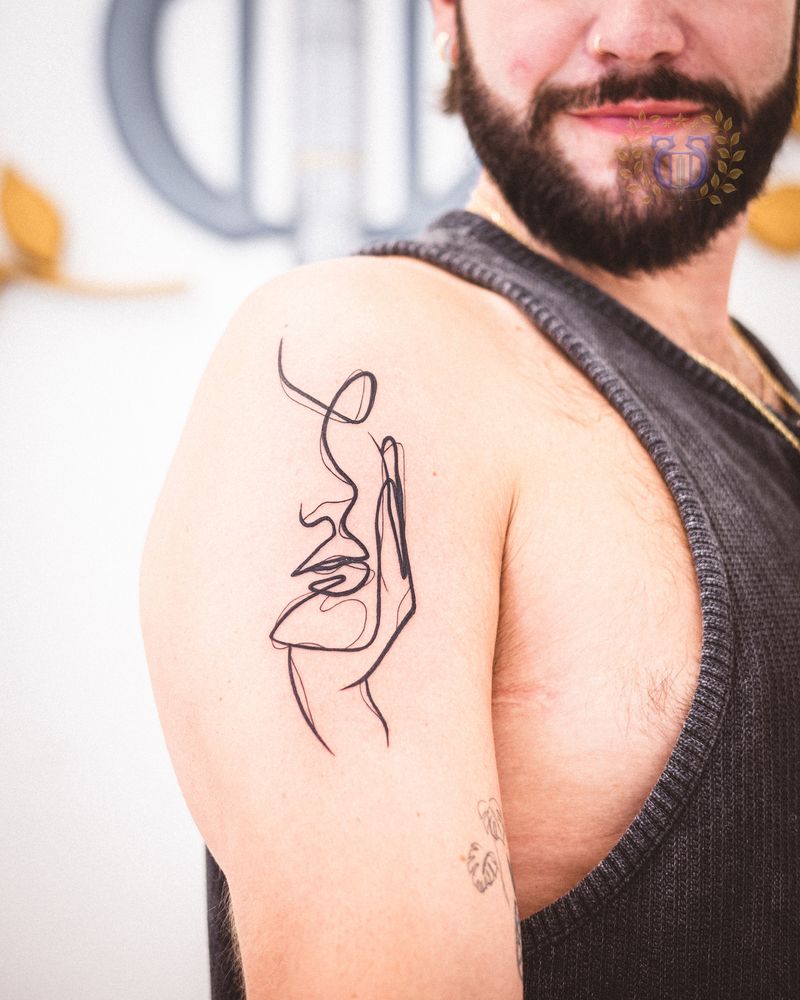
- Single-line botanical stems. A sprig of lavender or a fine olive branch following the curve of the ear is the classic for a reason. The design flows with the anatomy instead of fighting it.
- Small symbols with breathing room. Moons, stars, a single wave, a tiny sun. One clean element with space around it ages far better than a cluster.
- Short script, two or three letters maximum. Initials work. A full word in fine script usually does not; the letters blur together as the lines soften.
- Simple geometric marks. A small triangle, an arrow, a minimal linework shape. Geometry reads clearly even after some softening.
- Music notes and tiny animals in bold linework. Popular, and durable if the linework is weighted properly rather than drawn hairline-thin.
What we talk clients out of
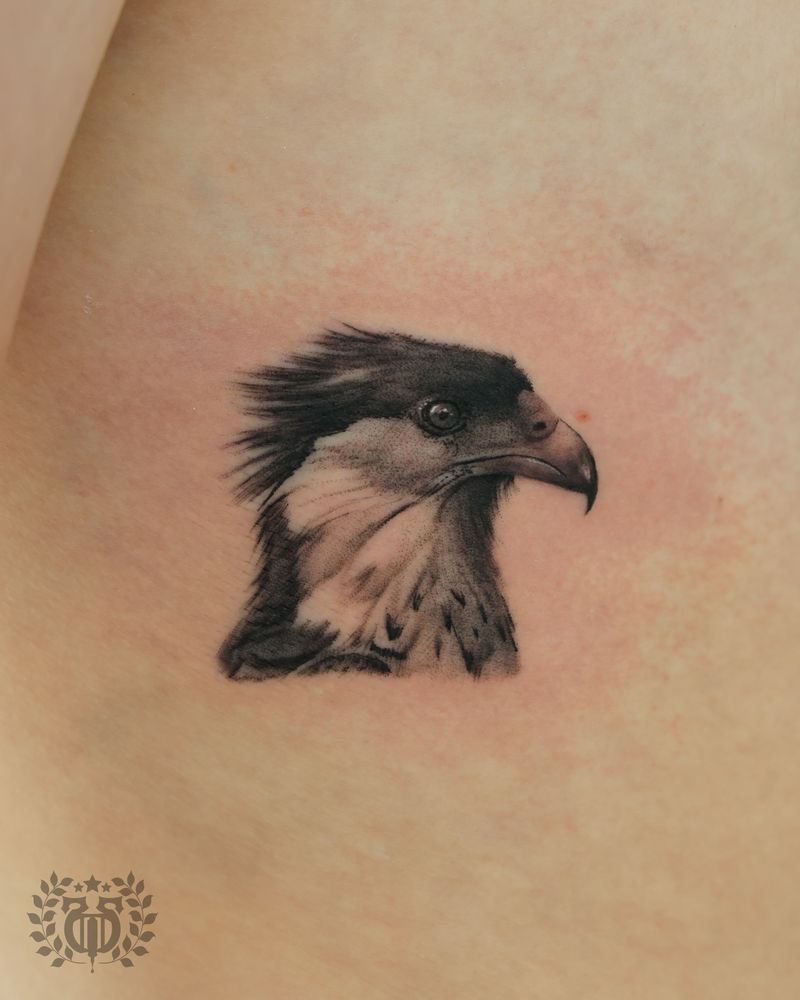
- Fine-line portraits or detailed animals. There is not enough skin real estate for detail to survive. In eighteen months you have a shadow, not a portrait.
- Heavy shading and color packing. Thin skin over cartilage does not take saturated color evenly, and the healing is rougher.
- Anything under two millimeters of line spacing. Lines that close will merge as the tattoo settles. Always.
If you are still exploring styles, our tattoo ideas hub covers what works across other placements, and the artists on our tattoos page each have healed-work examples you can judge for yourself.
Pain: What It Actually Feels Like
We will not pretend this one is gentle. Behind the ear you are working over the mastoid bone with almost no cushioning, so the needle vibration transmits straight into the skull. Most clients describe it less as sharp pain and more as an intense, buzzy, rattling sensation they can feel in their teeth, plus the sound of the machine amplified because it is running an inch from your eardrum.
The good news is duration. Most behind-the-ear pieces take fifteen to forty minutes of actual needle time. It is intense but brief, and nearly everyone who sits for one says the anticipation was worse than the session. If you handled a rib or sternum tattoo, this will not scare you. If it is your first tattoo, it is manageable, just do not schedule it expecting a relaxing experience.
Pairing Ink With a Curated Ear
One thing we see constantly at our studio, because we do both tattooing and piercing under one roof, is clients designing the whole ear as a single composition. A behind-the-ear tattoo does not exist in isolation; it sits next to whatever is happening on the ear itself. A small botanical stem behind the ear alongside a helix and conch stack in gold reads as one deliberate look rather than two separate decisions.
If you already have piercings, bring reference photos of your usual jewelry to the tattoo consultation. Placement shifts of even a centimeter can change whether the tattoo frames the jewelry or crowds it. And if you are planning both, it is worth mapping the ear as a whole first, deciding where jewelry will live and letting the tattoo occupy the negative space. Our piercers and tattoo artists do these joint consults regularly, and the results are consistently better than when the two are planned in isolation.
Hair Up, Hair Down: Living With the Placement
Think honestly about your daily hairstyle before choosing the exact position. A tattoo tucked high in the crease behind the ear stays hidden even with hair up. One that extends down toward the neck will peek out of most ponytails and short cuts. Neither is wrong, but they are different tattoos in practice.
During healing, this matters more. If your hair touches the area, plan on wearing it up or pinned back for the first two weeks, and skip leave-in products near the site. Sleep on the opposite side. And once healed, get in the habit of running sunscreen behind your ears when you do your face. It takes two seconds and it is the single cheapest thing you can do to extend the life of the piece.
Planning One in Santa Monica or the Greater LA Area
Behind-the-ear work rewards an artist who will tell you no when a design will not survive the placement. At our Main Street studio we would rather redesign a piece at the consultation than tattoo something we know will disappoint you in two years. If you have a design in mind, or just the beginning of an idea, book a consultation and we will map it on the actual anatomy, talk through sizing honestly, and if piercings are part of the picture, plan the whole ear together.
Behind-the-ear tattoo: straight answers
Do behind-the-ear tattoos fade faster than other tattoos?
Yes, noticeably. The skin there is thin with little fat underneath, hair contact creates constant friction, and almost nobody applies sunscreen behind their ears. Expect the piece to soften sooner than an arm or leg tattoo and plan on a touch-up within the first few years.
How much does a behind-the-ear tattoo hurt?
It is one of the more intense small placements because the needle works directly over the mastoid bone with no cushioning. Most clients describe a buzzy, rattling sensation that transmits into the skull, amplified by the machine running close to the ear. The upside is that most pieces take under forty minutes, so it is intense but brief.
What size works best behind the ear?
Most successful pieces run roughly two to six centimeters. Larger designs run out of usable skin, and anything with fine detail packed into a small footprint will blur as the tattoo ages. One clean element with breathing room around it is the formula that holds up.
Can I hide a behind-the-ear tattoo for work?
Yes, and that is the main reason people choose this spot. With hair worn down, the tattoo is completely invisible. If you have short hair or wear it up daily, placement height matters; a piece tucked high in the crease stays hidden while one extending toward the neck will show.
How long does a behind-the-ear tattoo take to heal?
Surface healing takes about two to three weeks, with full settling over two to three months. The area heals well as long as you keep hair and hair products off it, sleep on the opposite side for the first week or so, and avoid sunglasses arms or headphones pressing on the fresh work.
Can I get a behind-the-ear tattoo if I already have ear piercings?
Yes, as long as the piercings are fully healed. Existing jewelry actually helps the design process because the artist can position the tattoo to frame it. Bring photos of the jewelry you wear most so placement accounts for it, and mention any piercings you plan to add later.
What designs should I avoid behind the ear?
Detailed portraits, densely shaded pieces, tightly spaced fine lines, and full words in small script. The thin skin cannot hold that level of detail, and the lines merge as the tattoo settles. A good artist will redesign toward something bolder and simpler rather than tattoo something that will fail.
Do I need a consultation before booking a behind-the-ear tattoo?
We recommend one, even for small pieces. This placement has more variables than most: exact position relative to your hairline and piercings, honest sizing limits, and design adjustments so the piece survives long term. A short consult means the session itself goes smoothly and the result ages the way you expect.