Tattoo Ideas
Wrist Tattoo Ideas
Small, always visible, always moving, and inches from where you wash your hands forty times a day. The wrist rewards restraint and punishes detail. What survives at this scale, what the inner-versus-outer choice really changes, and the designs we redraw larger before we will put them on you.
Book a consultationWhy the Wrist Is Harder Than It Looks
People assume a small tattoo on a small body part is a simple job. The opposite is true. The wrist is a cylinder, not a flat page — it curves, it creases, it rotates hundreds of times a day, and the skin on the inner side is thin and soft while the outer side sits close to bone and tendon. A design that looks great on a flash sheet can wrap awkwardly, distort at the crease, or blur into mush within a few years if it was not drawn for this specific terrain.
At our studio on Main Street in Santa Monica, we treat wrist pieces as precision work. The margin for error is smaller than almost anywhere else on the body, because there is nowhere for a mistake to hide. Everyone sees your wrist — you see it more than anyone.
Inner Wrist vs Outer Wrist: The Real Trade-Offs
Inner Wrist
The inner wrist is the classic choice: intimate, easy to glance at, easy to cover with a watch or bracelet. The trade-offs are real, though. The skin here is thinner and more sensitive, so most clients rate inner wrist noticeably higher on the pain scale than the forearm. It also carries the wrist crease — that horizontal fold where your hand bends. Ink placed directly across the crease takes more abuse, heals unevenly for some people, and can soften faster than ink placed a half inch up the arm.
- Visibility: Private-leaning. You see it constantly; the world mostly does not, especially with long sleeves or a watch.
- Pain: Higher than average for its size. Sharp rather than grinding. Sessions are short, which helps.
- Aging: Good above the crease, riskier on it. Thin skin holds fine lines reasonably well but forgives nothing that is packed too tight.
Outer Wrist
The outer (top) wrist reads more like a statement — it faces the world when your hands are at rest. Pain is different in character: the ulna bone sits close to the surface, so tattooing near that bony knob produces a distinct rattling sensation clients remember. Sun exposure is the bigger long-term issue. The top of your wrist catches UV every time you drive, walk the beach, or sit on a patio, and in Los Angeles that is essentially year-round. Sun fades ink faster than almost any other factor, so outer-wrist pieces need diligent sunscreen or they will look a decade older than they are.
- Visibility: High. This is a public placement, full stop.
- Pain: Moderate, spiking near the wrist bone.
- Aging: Structurally stable skin, but UV exposure is the enemy. SPF is not optional here.
Designs That Hold Up at Wrist Scale
The physics of ink in skin do not care how good the reference photo looked on a screen. Ink spreads slightly over the years — every line gets a little softer, a little wider. On a large back piece that spread is invisible. On a two-inch wrist tattoo, it is the difference between crisp and unreadable. Designs that age well at this scale share a few traits:
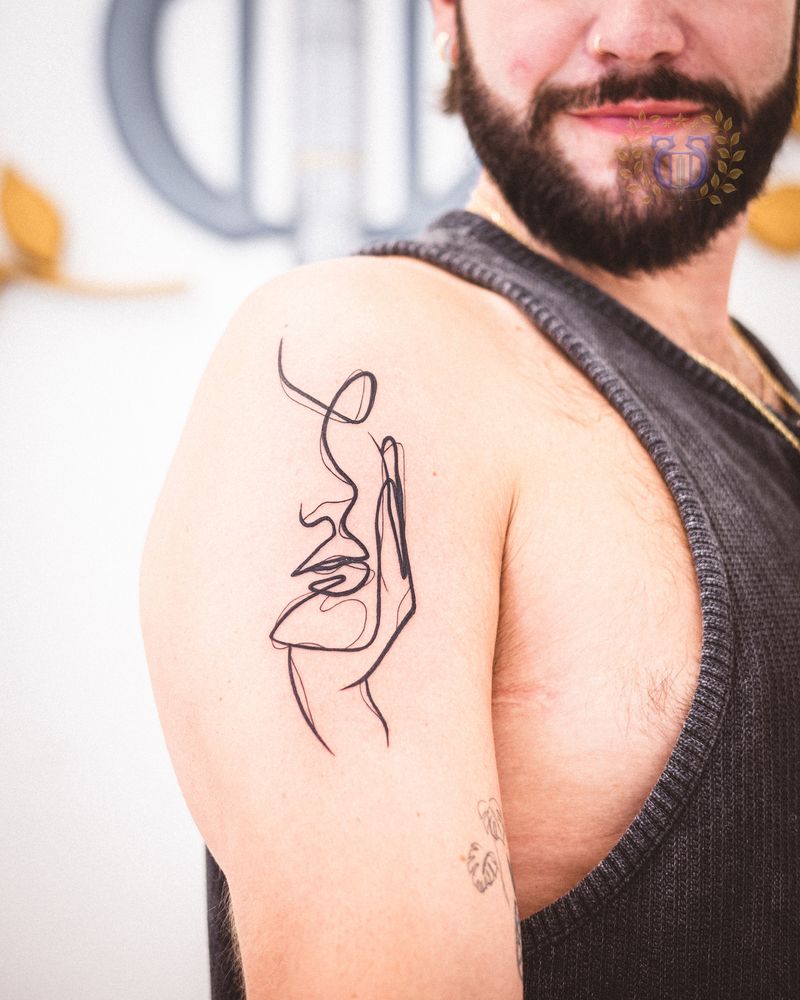
- Bold, simple linework. A clean single-weight line with breathing room around it will still read clearly in fifteen years. Think small traditional motifs, minimalist symbols, single-line drawings with generous spacing.
- Deliberate negative space. Empty skin between elements is what keeps a small tattoo legible as lines soften. Cramming detail into a small area guarantees future blur.
- Script sized honestly. Names, dates, and short words work on the wrist — if the lettering is large enough. Tiny cursive under a quarter inch tall is the single most common thing we see fail. If a word matters enough to tattoo, it matters enough to size properly.
- High-contrast black. Black and gray outlast delicate pastel color at this scale, especially on the sun-exposed outer wrist.
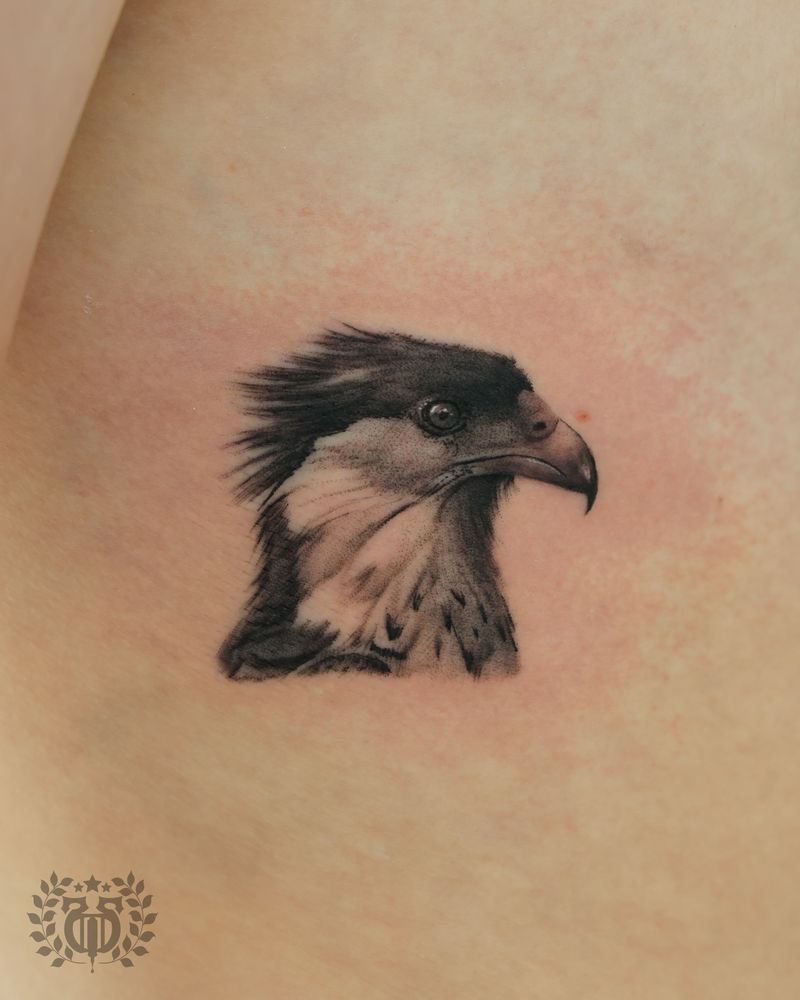
What blurs: micro-realism portraits, fine stippled shading packed edge to edge, ultra-thin single-needle detail with no spacing, and anything the artist has to squint to tattoo. A good artist will tell you this up front. If someone agrees to tattoo a dime-sized realistic lion on your inner wrist without a word of caution, find a different studio.
Bracelet and Band Concepts
Wraparound wrist bands are having a genuine moment, and when they are done well they read like jewellery — ornamental patterns, fine chains, botanical vines, geometric borders that circle the wrist like permanent jewelry. Two honest caveats from the chair:
- A full wrap is a commitment to symmetry. The wrist is not a perfect cylinder, and the underside includes that crease and thin skin. Meeting the pattern cleanly where it closes takes real skill, and some artists deliberately leave a small gap on the inner wrist — both for cleaner aging and because the gap reads intentionally, like a clasp.
- Bands interact with jewelry. If you wear a watch daily, decide before you book whether the band lives above it, below it, or under it. We design around this constantly, and it is much easier to plan for than to fix.
Since we also carry BVLA fine jewelry in the studio, we spend a lot of time thinking about how metal and ink sit together on the same wrist. A delicate tattooed band paired with a solid gold bracelet is a genuinely beautiful combination — but only when the tattoo was designed knowing the jewelry existed.
Is the Wrist a Good First Tattoo?
Yes and no, and you deserve the honest version. In favor: sessions are short (often under an hour), the design conversation is manageable, and healing is straightforward if you can keep sleeves and watchbands off it for a couple of weeks. Against: it hurts more per square inch than a forearm or shoulder, and it is one of the most visible spots on your body — which brings us to the part most articles skip.
The Professional-Visibility Conversation
We work a few blocks from tech offices, talent agencies, and hospitals, so we have this conversation weekly. The honest state of things in 2026: most industries in Los Angeles genuinely do not care about a tasteful wrist tattoo. Creative fields, tech, hospitality, and trades barely register it. But some environments still do — certain law firms, finance roles, on-camera positions, and some medical and government settings have formal or unspoken standards. A wrist tattoo is coverable with a watch, a bracelet, or sleeves, but coverable is not the same as invisible, and you should not get a wrist tattoo planning to hide it forever. If your career path is uncertain or conservative, the inner wrist is more discreet than the outer, and the forearm above the cuff line is more discreet than either. We would rather help you pick the right placement than tattoo the wrong one.
How to Get It Right
Bring us the idea, not the final design. The best wrist pieces come out of a conversation: we look at your actual wrist, your crease, how you wear a watch, how much sun your arms see, and we draw for that. Browse our tattoo ideas hub for direction, look through our artists' tattoo work to find whose linework you trust, and when you are ready, book a consultation — it costs nothing to sit down and plan it properly. A wrist tattoo done right is a piece you will look at every single day and never regret. That is worth an extra thirty minutes of planning.
The wrist is small-tattoo territory almost by definition, and the same rules about line spacing and element count decide whether a piece here still reads in a decade. They are set out in our small tattoo ideas guide.
Wrist tattoo questions we hear at the consultation table
Does a wrist tattoo hurt more than other placements?
Per square inch, yes — the inner wrist especially, where skin is thin and nerve-dense. The outer wrist is milder except near the ulna bone, which produces a distinct rattling sensation. The saving grace is session length: most wrist pieces take well under an hour, so the discomfort is intense but brief.
Inner or outer wrist — which ages better?
Both can age well with the right design. The inner wrist avoids sun but has thinner skin and the crease to contend with; the outer wrist has sturdier skin but catches constant UV, which is the biggest fading factor in a sunny city like Los Angeles. Placement above the crease and daily sunscreen matter more than which side you choose.
Will a fine-line wrist tattoo blur over time?
All tattoo lines soften slightly as ink settles over the years, and at wrist scale that spread is more noticeable. Fine-line work holds up when it has generous negative space and honest sizing. Densely packed micro-detail is what blurs — a good artist will design around this rather than promise it away.
Can I get a full bracelet tattoo around my wrist?
Yes, and done well they are beautiful. Know that the underside includes thin skin and the wrist crease, so some artists intentionally leave a small gap on the inner wrist for cleaner healing and aging. If you wear a watch or bracelets daily, tell your artist before the design phase so the band is planned around your jewelry.
Is a wrist tattoo a bad idea for my career?
In most LA industries in 2026, a tasteful wrist tattoo is a non-issue. Some conservative environments — certain law, finance, on-camera, and medical settings — still have standards, formal or not. A wrist piece can be covered with a watch or sleeves, but do not choose this placement if you expect to hide it permanently. Inner wrist is the more discreet of the two sides.
How long does a wrist tattoo take to heal?
Surface healing takes roughly two to three weeks, with full settling over a couple of months. The wrist-specific advice: keep watches, bracelets, and tight cuffs off the area while it heals, and be mindful that the wrist moves constantly, so follow aftercare closely to protect ink near the crease.
What size should wrist script or lettering be?
Larger than most people initially want. Lettering under about a quarter inch tall is the most common thing we see fail at this placement — as lines soften, tiny script becomes unreadable. If a word or date matters enough to tattoo, it deserves to be sized so it still reads clearly in fifteen years.
Is the wrist a good spot for a first tattoo?
It can be. Sessions are short, designs are manageable, and healing is straightforward. The trade-offs are above-average pain for the size and very high visibility — you and everyone else will see it daily. If you want visibility with a little more room and less sting, the forearm just above the wrist is a friendlier first canvas.