Tattoo Ideas
Memorial Tattoo Ideas
Some people want an unmistakable portrait. Others want something only they can read. There is no single right way to carry someone, and the honest trade-offs between the options are what this page is for: portraits, handwriting, dates, objects, and the timing question nobody thinks to ask about.
Book a consultationTwo Directions: Portraits or Symbolic Stand-Ins
Most memorial pieces fall into one of two camps. The first is the literal portrait: a rendered likeness of the person or pet you've lost. The second is the symbolic stand-in, where a single object or mark holds the whole memory. Neither is better. They simply ask different things of you, and they age differently on skin.
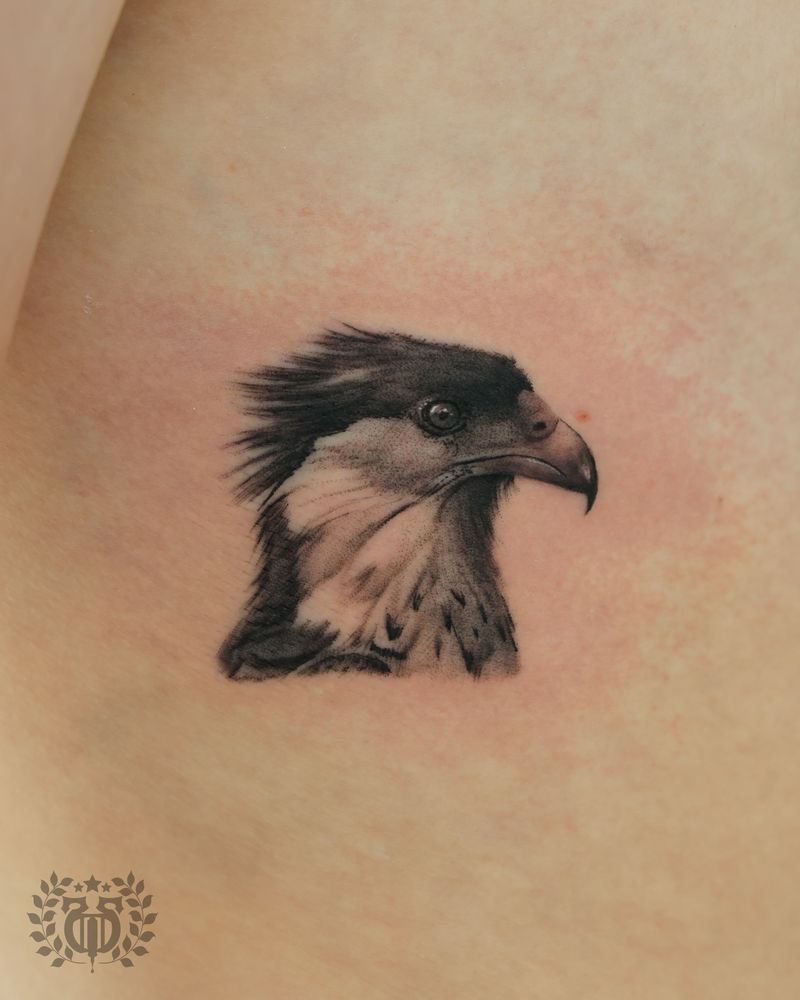
A realistic portrait is a striking way to keep a face close. It's also the most demanding tattoo we do, both to execute and to live with over decades. Fine tonal work relies on subtle gradients of gray, and skin is a living surface. Over ten or twenty years, those delicate mid-tones soften, edges blur slightly, and the finest details are the first to go. A portrait that reads as photographic at year one will read as impressionistic at year fifteen. That's not a failure of the work; it's the nature of ink in living tissue. We'd rather you know that going in than be surprised later.
If you love the idea of a portrait, a few things help it last. Give it enough size to breathe, so the artist isn't cramming detail into a space too small to hold it. Place it somewhere with less sun exposure and less friction, since both fade gray work faster. And plan mentally for a touch-up down the line, the way you'd expect to reframe a photograph that's lived in the light.
Symbolic Memorials That Carry Weight
Symbolic pieces often age more gracefully and can hold just as much meaning. A few directions clients return to again and again:
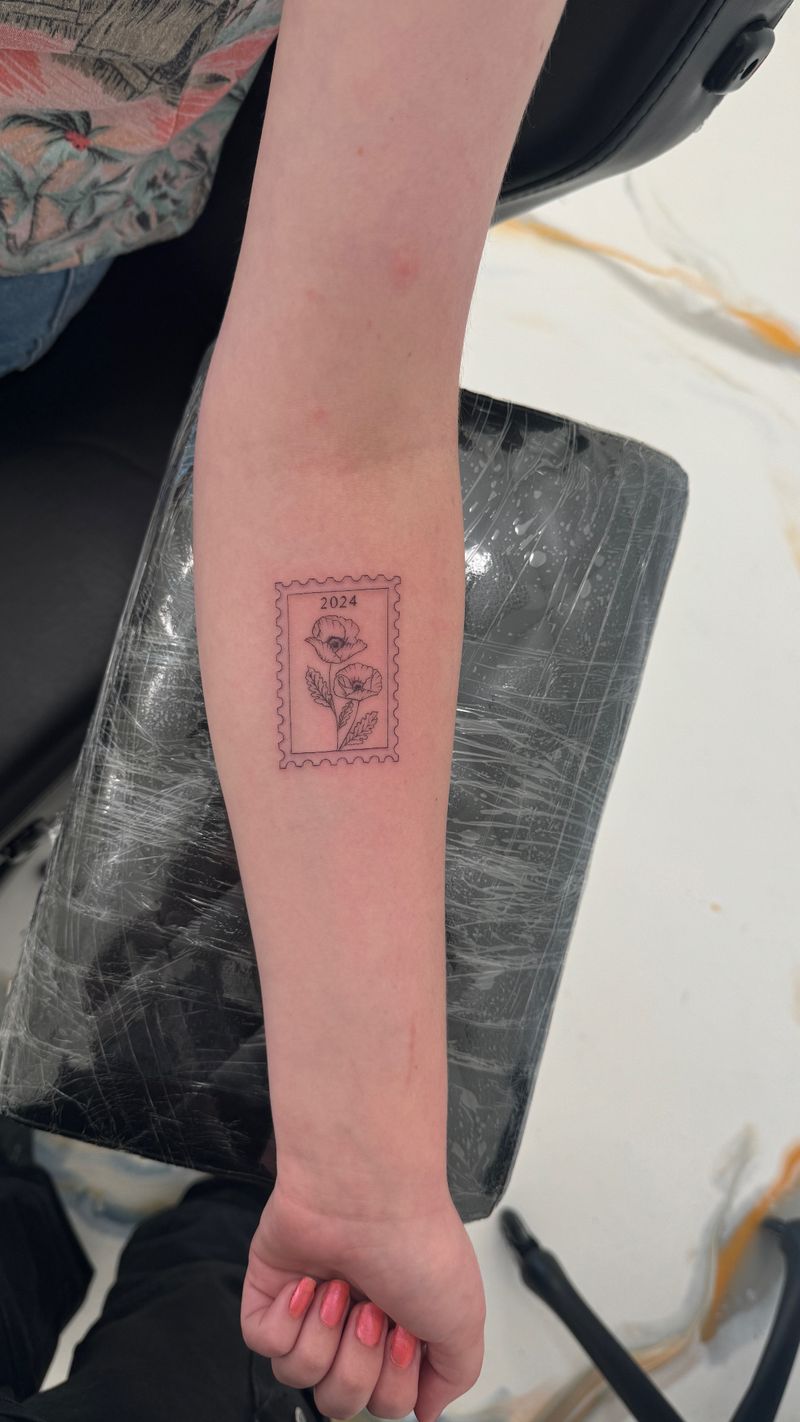
- Birth flowers — the bloom tied to someone's birth month, rendered in fine line or soft color. Quiet, personal, and easy to read only if you know the story.
- Dates in Roman numerals — a birth date, a passing, or an anniversary, set in clean numerals that stay legible as the years pass.
- A meaningful object — a pocket watch, a fishing lure, a favorite flower, a coffee cup. The everyday thing that instantly conjures the person.
- Coordinates — the latitude and longitude of a place that mattered: a childhood home, a hospital, a spot by the ocean here in LA where you scattered ashes.
These work because they're built from simple, durable elements. A well-spaced line of numerals or a bold botanical will hold its shape far longer than a photorealistic eye. Explore more directions on our tattoo ideas pages, and see the range of styles our artists work in across tattoos.
Using a Loved One's Actual Handwriting
One of the most moving things we tattoo is someone's real handwriting: a signature, a note that ended in "love you," a recipe card, a scrawled birthday message. Carrying the actual shape of how a person wrote is different from any font. It's their hand, permanently.
The quality of the source matters enormously. A crisp, high-resolution scan of the original gives your artist clean edges to follow. A blurry phone photo taken at an angle, or a note photographed under warm kitchen light, forces guesswork that shows in the final line. If you have the original paper, scan it flat at high resolution before anything happens to it. If all you have is a photo, get the sharpest, most straight-on version you can. We can refine and clean up a lot, but we can't invent detail that was never captured. Handwriting is one of the few tattoos where the prep work before your appointment genuinely determines the result.
Subtle or a Statement?
There's no obligation to make grief visible. Some clients want a small mark on the inside of a wrist or behind an ear, something they can glance at privately. Others want a full sleeve that celebrates a life out loud. Both are valid ways to carry someone. Think honestly about how you want to relate to this piece day to day. Do you want to be asked about it, or do you want it to be yours alone? That answer shapes size, placement, and how literal the imagery should be.
Pet Memorials
Losing an animal is a real loss, and pet memorials are among the most common commemorative pieces we do. The same choices apply: a portrait of their face, a paw print rendered from an actual ink impression, their name in your own handwriting, or a small symbol like a collar tag. Paw prints translate beautifully when you have a clean impression to work from, so if the loss is recent and you have the option, ask your vet about taking one. As with human portraits, a realistic animal likeness will soften over time, while a simpler graphic mark stays crisp.
The Consultation Comes First
A memorial tattoo isn't a walk-in decision, and we don't treat it like one. The consultation is where the real design happens. We'll look at your reference material together, talk about what the person or pet meant to you, and figure out which approach actually fits, not just what looks good on a screen. Sometimes a client arrives set on a portrait and leaves excited about their grandmother's handwriting instead. Sometimes it's the reverse. There's no pressure to decide in the room.
Bring whatever you have: photos, notes, objects, half-formed ideas. It's normal for this to be emotional, and there's no rush. When you're ready, you can book a consultation and we'll take it from there, at whatever pace feels right. This is a piece you'll carry for the rest of your life. It deserves the time to get right.
Things worth knowing before your memorial tattoo
Do realistic portrait tattoos age well?
They're beautiful but demanding. Fine gray tones soften over the years, and the smallest details fade first. Giving a portrait enough size, keeping it out of heavy sun, and planning for an eventual touch-up all help it last.
Can you tattoo my loved one's actual handwriting?
Yes, and it's one of the most meaningful pieces we do. The result depends heavily on your source: a flat, high-resolution scan of the original gives the cleanest line. A blurry or angled photo limits how faithful we can be.
What's the best way to scan handwriting before my appointment?
Scan the original paper flat at high resolution rather than photographing it. If you only have a photo, get the sharpest, most straight-on version possible. Good prep genuinely determines the quality of the final tattoo.
Should a memorial tattoo be a portrait or a symbol?
Neither is better. Portraits keep a face close but ask more of you and age faster. Symbolic pieces like birth flowers, dates, or a meaningful object often age more gracefully and can hold just as much meaning.
What are some subtle memorial tattoo ideas?
Roman numeral dates, coordinates of a meaningful place, a birth flower, a small object, or a loved one's initials in their own hand. Placed discreetly, these stay private and personal while remaining durable over time.
Do you do pet memorial tattoos?
Often. We do portraits, paw prints taken from an actual ink impression, names in your handwriting, and small symbols like a collar tag. A clean paw impression translates especially well if you have one.
How do I prepare for a memorial tattoo consultation?
Bring whatever you have: photos, handwritten notes, meaningful objects, and any reference images. There's no need to have it all figured out. The consultation is where we shape the idea together, with no pressure to decide on the spot.
Can memorial work be added to over time?
Yes. Many clients start with a single element and expand it later as they're ready, building toward a larger piece. We can design an initial tattoo with room to grow so future additions feel intentional rather than crowded.