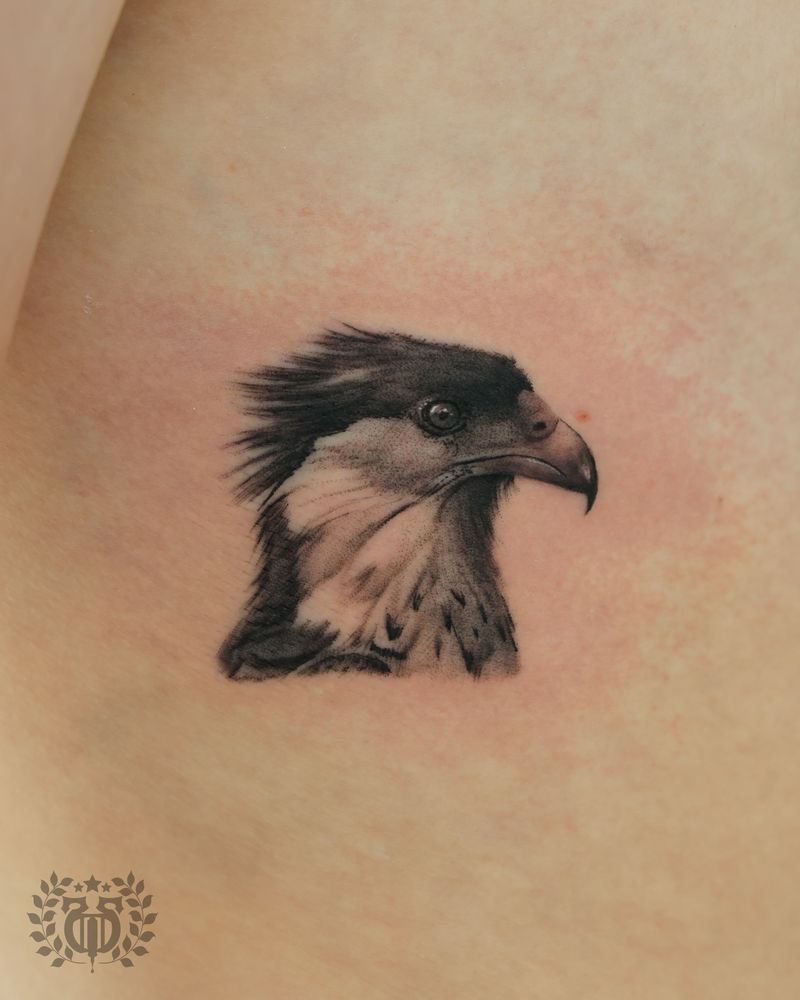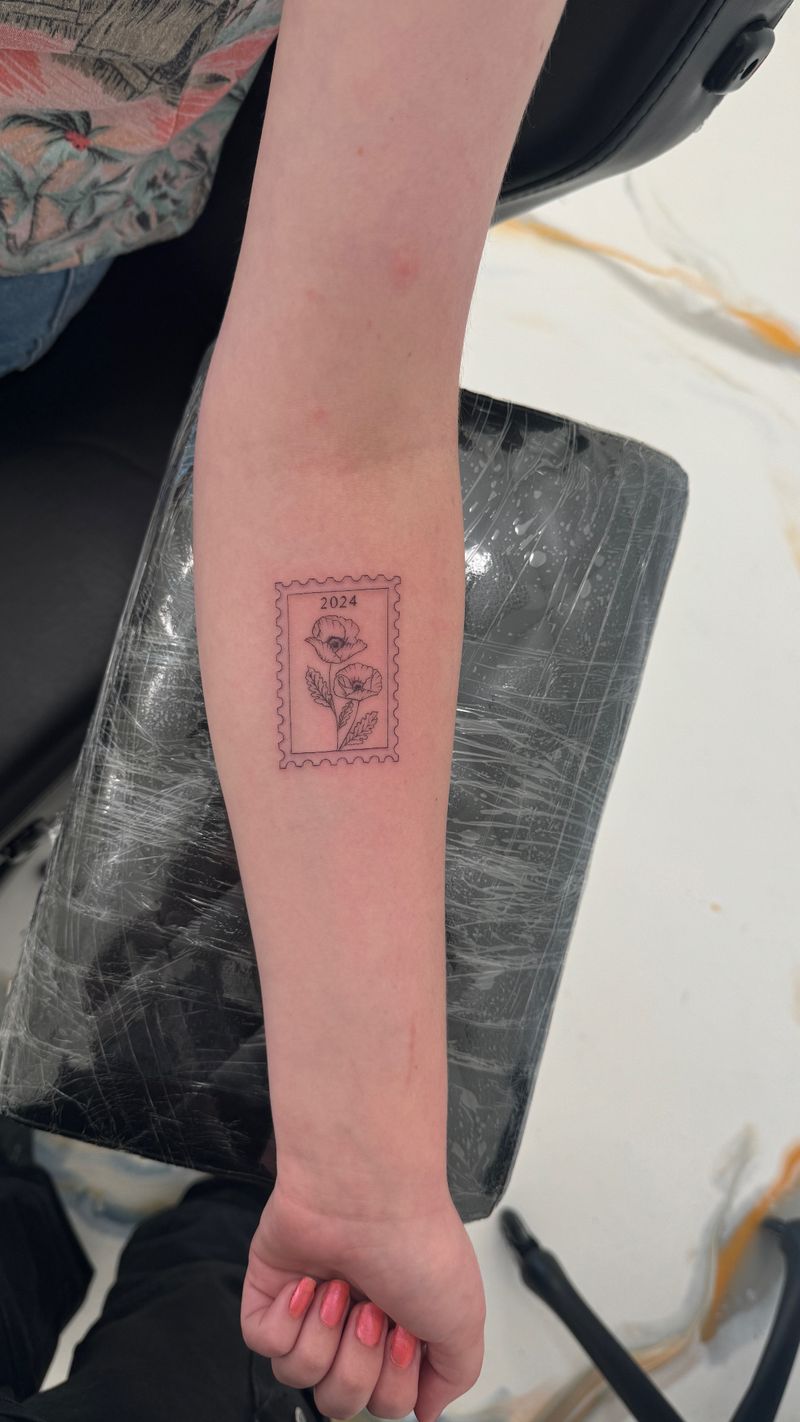
Tattoo Ideas
Hip Tattoo Ideas
Curved, private, sculptural. The hip behaves like a three-dimensional surface rather than a panel, which is why designs that look right flat often do not sit right on the body. How we plan hip work in Santa Monica, what the pain is honestly like over bone versus soft tissue, and how these pieces age.
Book a consultationThe hip is unlike almost any other spot you can tattoo. It is concealed by default, it curves in two directions at once, and it sits right where clothing rubs. Those three facts shape every good hip tattoo. Before you settle on a design, it helps to understand how the placement behaves, because a piece that ignores the anatomy will always look slightly off no matter how beautiful the artwork is on paper.
Why the Hip Is Its Own Kind of Canvas
Most placements people picture as flat surfaces. The hip is not. You have the hard ridge of the iliac crest, the point of the hip bone, and then the soft transition down toward the thigh and forward toward the lower belly. Ink here has to wrap around a compound curve, which means a design drawn straight-on will distort once it settles onto the body. This is exactly why hip tattoos reward a custom approach. We draw and stencil directly on you, standing and seated, so the composition follows your shape instead of fighting it.
Because the hip is naturally private, it invites work that is more personal and more ornamental than you might put somewhere public. Clients often choose it for pieces they want to keep for themselves. If you are still gathering direction, our broader tattoo ideas hub is a good place to browse before you narrow down to placement.
Designs That Follow the Curve
The strongest hip tattoos treat the curve as a feature, not an obstacle. A few directions consistently work well here:
- Flowing florals that start at the hip bone and cascade down toward the thigh, using the natural drop of the body to guide the stems and petals.
- Ornamental and filigree work that traces the arc of the iliac crest, almost like jewelry laid along the bone.
- Fine-line linework that reads as delicate and continuous, wrapping from the side-hip toward the front.
- Larger single-subject pieces such as a serpent, botanical branch, or figure that uses the hip-to-thigh flow as a vertical frame.
A key early decision is side-hip versus front-hip. Side-hip placement, sitting over the outer curve and iliac crest, shows more when you move and photographs beautifully in profile. Front-hip placement, closer to the lower belly and the crease of the leg, is more intimate and more concealed. Neither is better; they simply tell different stories, and the design should be built for whichever you choose.
Scale and Flow
The hip rewards size. Because it flows into the thigh and up the side, there is room for a piece with real movement. Cramming a tiny design into the center of the hip often wastes the placement. We usually encourage clients to think about how a piece can travel across the body's lines, letting negative space breathe along the curve so the tattoo feels like it grew there.
What the Hip Feels Like to Tattoo
Pain on the hip is not uniform, and knowing the map helps you prepare. Directly over the hip bone, where skin sits close to the iliac crest with little padding, the sensation is sharper and more intense. Move just an inch or two into the softer, fleshier area around it and most people find it far more manageable. A piece that crosses both zones will feel like it changes as the artist works, which is completely normal.
Everyone experiences this differently, and there is no prize for toughing it out silently. We pace longer hip sessions, take breaks, and read how you are doing. Coming in rested, fed, and hydrated does more for your comfort than almost anything else. If you have questions about how your specific design maps onto the tender and forgiving areas, that is exactly what we talk through when you book a consultation.
Healing Around the Waistband
Here is the single most important thing that separates the hip from most other placements: friction. Your waistband, underwear elastic, and jeans all sit right across the healing tattoo. That constant rub can irritate a fresh piece, pull at forming scabs, and slow healing if you are not deliberate about it.
Plan for it before you sit down. Loose, soft clothing for the first couple of weeks makes a real difference. High-waisted or low-rise cuts that keep the seam off the tattoo, rather than parked directly on it, help enormously. Some clients time a hip piece for a season when they are wearing softer, looser layers anyway. Follow the aftercare we send you home with, keep the area clean and unsuffocated, and resist the urge to pick at anything the waistband loosens. Done right, a hip tattoo heals as cleanly as anywhere else on the body.
How Hip Tattoos Age
The hip is an honest placement about the body changing, and a good artist plans for that from the first sketch. This area shifts with body-composition change and, for many clients, with pregnancy. Skin here can stretch and recover, and a design built with some flexibility handles that far better than one packed edge to edge with rigid detail.
That is one more reason we favor flowing, organic subjects on the hip. Florals, ornamental linework, and pieces with intentional negative space forgive change gracefully, because the eye reads movement rather than precise geometry. Very tight lettering or a dense, perfectly symmetrical grid is less forgiving if the canvas shifts over the years. None of this should scare you off; it simply means the smartest hip designs are the ones drawn to live comfortably on a body that will keep living. Well-placed, quality work on the hip ages with real grace, and small refinements down the road are always possible.
Every hip piece we do at Apollo starts with a real conversation about your anatomy, your lifestyle, and how much you want it to show. If you are ready to explore what would suit you, take a look at our tattoos work and come talk it through with us in the studio.
Things worth knowing before your hip tattoo
Do hip tattoos hurt more than other placements?
It depends on exactly where. Directly over the hip bone, along the iliac crest, is sharper because the skin sits close to bone. The softer area just around it is much more manageable. Most hip pieces cross both zones, so the sensation changes as the artist moves across the design.
Should I get a side-hip or front-hip tattoo?
Side-hip placement sits over the outer curve and shows more when you move, photographing well in profile. Front-hip is closer to the lower belly, more intimate and more concealed. Choose based on how visible and personal you want the piece, then have the design built specifically for that spot.
How do I deal with my waistband during healing?
Wear loose, soft clothing for the first couple of weeks and choose waistbands that keep the seam off the tattoo rather than sitting directly on it. Friction is the main healing challenge on the hip, so reducing rub and following your aftercare closely makes a real difference.
What designs work best on the hip?
Flowing florals, ornamental filigree, fine-line linework, and larger single-subject pieces that follow the hip-to-thigh curve all work beautifully. The hip is a curved, three-dimensional surface, so designs with movement and negative space tend to sit better than flat, straight-on artwork.
Will a hip tattoo change if I gain or lose weight?
The hip shifts with body-composition change, so some movement is possible. Flowing, organic designs with intentional negative space handle this gracefully because the eye reads movement rather than exact geometry. We design with that flexibility in mind from the first sketch.
How will pregnancy affect a hip tattoo?
Skin in this area can stretch and recover with pregnancy. Designs built with flexibility, like florals and ornamental linework, tend to age well through those changes, while very tight, symmetrical work is less forgiving. Small refinements are always possible later if you want them.
How big should a hip tattoo be?
The hip rewards scale because it flows into the thigh and up the side, giving room for real movement. Very small designs often waste the placement. We usually suggest letting a piece travel across the body's lines with some breathing room rather than crowding a tiny design into the center.
How do I start a hip tattoo at Apollo?
Book a consultation at our Main Street studio in Santa Monica. We talk through your design, your anatomy, how visible you want it, and your lifestyle, then draw and stencil directly on you so the composition follows your shape before any needle touches skin.