Tattoo Ideas
Calf Tattoo Ideas
Standing and sitting are two different canvases, and almost nobody thinks about that until the stencil is already on. The calf gives you real size, hides under jeans, and dodges most of the sun damage that fades forearm work. Here is how we plan calf pieces at the Main Street studio.
Book a consultationWhy the calf is a smart place to put real work
Three things make the calf worth the investment. The skin is thick and sits over dense muscle, so it takes a solid packing of ink and generally heals without drama. It spends most of the year under pants, which means far less UV exposure than a forearm or a hand, and UV is the main reason color goes chalky and black turns blue-grey. And the surface area is generous enough that an artist can vary line weight, use black confidently, and keep detail at a size that will still be legible after a decade of natural spread.
Compare that to fingers, feet, or the inner bicep and the gap is obvious. A well-executed calf piece frequently looks close to healed-day sharp ten years on. That combination of durability and coverability is why so many collectors put their first large piece there rather than on an arm.
The calf is three surfaces, not one
Outer calf
The outer calf is the friendliest surface on the lower leg. Flat-ish, muscular, moderate nerve density, and it faces outward so people actually see the work when you walk past them. It is where we send most first-time leg clients. The one thing to respect is that the outer calf curves away toward the shin, so a design drawn flat on paper can visually fall off the edge. A good stencil is shaped to the round of the leg, not pasted on like a sticker.
Back of the calf
The gastrocnemius, the muscle belly at the back, is a beautiful tall panel and it takes ink well. Vertical compositions live here naturally: serpents, botanicals, hanging ornamental work, a single subject with a strong top-to-bottom read. Two honest caveats. It is more sensitive than the outer calf, particularly as you move down toward the Achilles, and you cannot see it without a mirror and some effort, so you are getting it partly for other people.
Inner calf and the shin edge
The inner calf has thinner skin, more nerve density, and less muscle padding, so it stings noticeably more. It is very doable, and pieces that wrap from the back around to the inside look excellent, but expect a rougher hour. The shin itself is the outlier on the whole leg: bone directly under thin skin, sharp and vibrating rather than burning. Shin work is genuinely tougher than most people expect, so plan shorter sessions and do not schedule it as your very first tattoo.
Styles that genuinely suit the space
Scale drives style choice. On a calf you are not fighting to shrink a design down, so the strongest results come from styles built for a canvas this size.
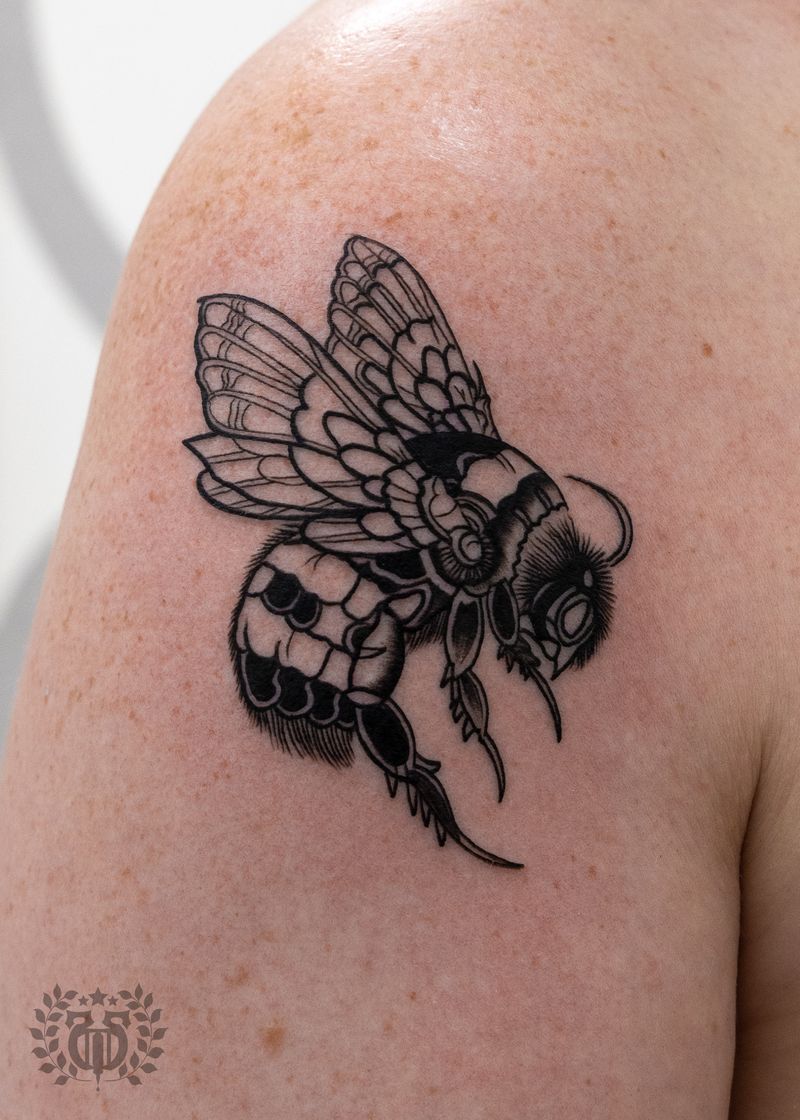
- Neo-traditional and American traditional. Heavy outlines, saturated color, decorative framing. Reads from across a room and ages exceptionally well because the line weight survives decades of spread.
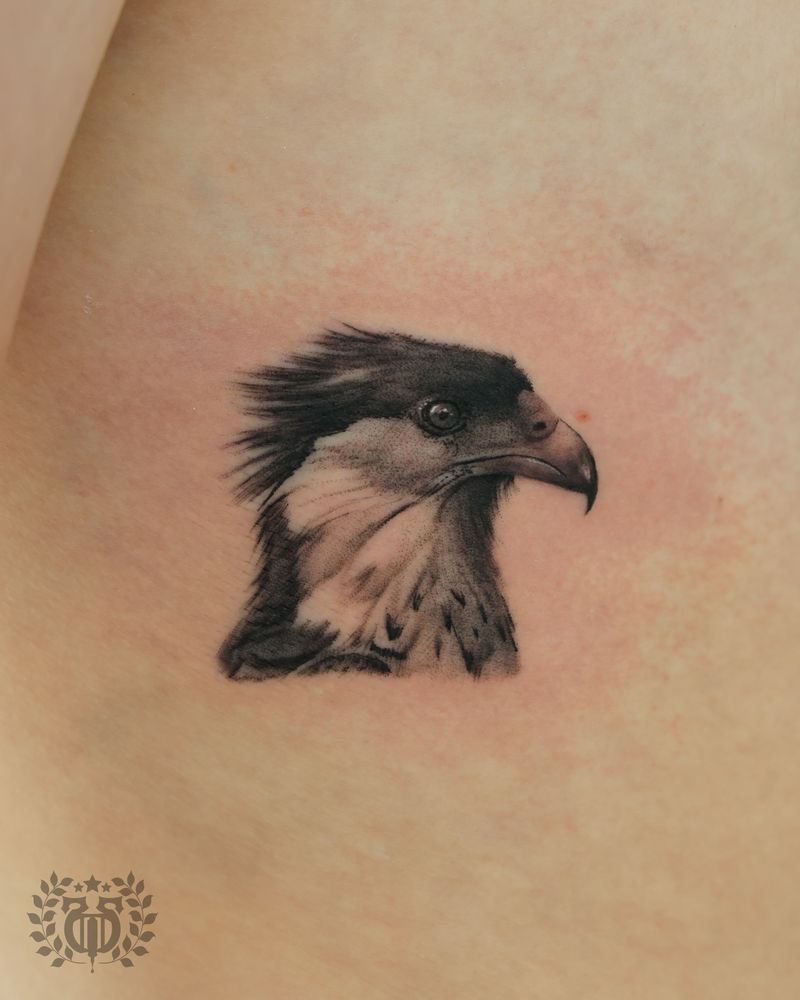
- Black and grey illustrative or realism. Needs real estate to hold its value range. A calf gives enough room for genuine highlight-to-shadow contrast instead of a flat grey mush.
- Japanese-influenced work. The calf is a classic component of a full leg. Koi, dragons, foo dogs, wind bars and wave backgrounds are all designed around the geometry of a limb, so they wrap correctly by nature.
- Ornamental and botanical. Long stems, layered filigree, symmetry down the muscle belly. Especially good on the back of the calf where the vertical shape does half the composition work for you.
- Fine line. Possible, and popular, but be realistic. Hairline linework on a high-movement, gravity-loaded limb will soften faster than the same design on a shoulder. We push for slightly heavier line weight on lower-leg fine line work and clients thank us later.
Not sure which direction fits you? Browse our other tattoo ideas and bring three or four references you like — even mismatched ones tell us more about your taste than a single perfect photo.
Design it for both shapes: standing and sitting
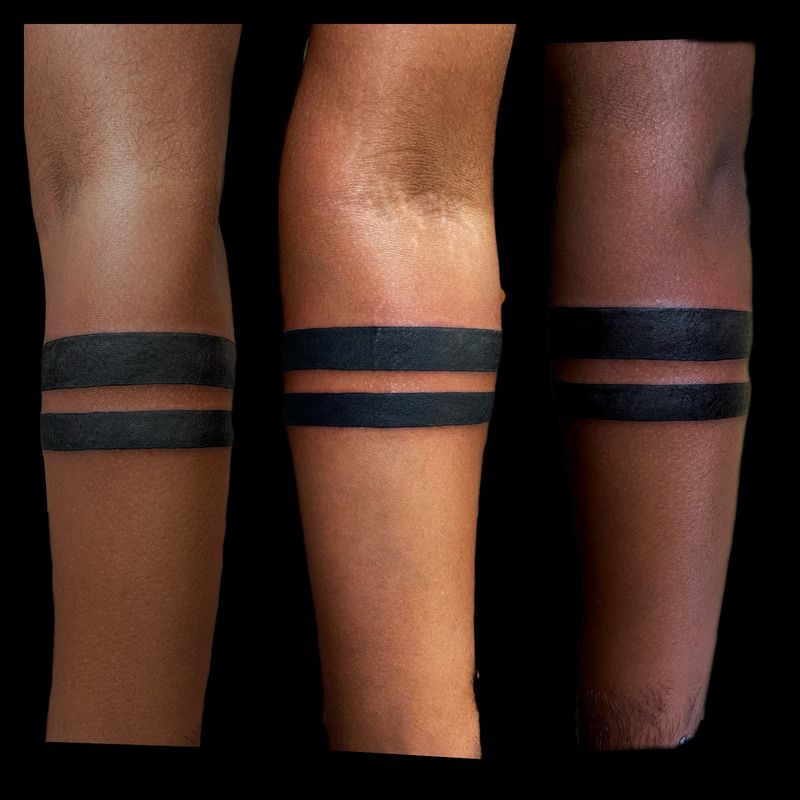
This is the calf-specific trap. Your calf is a different shape flexed than relaxed, and different again when your knee is bent. A design stencilled on a relaxed, straightened leg can distort meaningfully when you stand up. We stencil, then have you stand, walk a few steps, and look at it in the mirror before a single needle touches skin. Straight horizontal elements and rigid geometric grids are the most unforgiving; flowing organic shapes and compositions that follow the muscle line are the most forgiving.
Wrap decisions matter too. A piece that stops at the outer edge reads as a panel; one that wraps to the inner calf reads as leg work and commits you to a larger direction later. Decide that on purpose rather than discovering it at hour four.
Pain, sessions, and what the day actually looks like
Most people rate the outer calf around a four or five out of ten — comparable to an outer thigh, easier than ribs or the sternum. The back of the calf and the area near the Achilles run higher. The shin runs higher still. Calf sessions are physically comfortable in one respect: you are lying on your side or front with the leg supported, so you are not holding a tense position for hours.
For sizing, a palm-sized black and grey piece is usually one three to four hour sitting. A full calf panel with color is typically two to three sessions spaced three to four weeks apart. Wrapping onto the shin or building toward a sleeve adds sessions rather than lengthening them, because there is a practical ceiling to how much irritated skin should be worked in one day.
Healing: gravity is the variable
Calf tattoos swell more than arm tattoos, purely because fluid has further to travel back up. Expect a puffier ankle for two or three days, especially if you spend the day on your feet. Elevate it in the evenings and do not panic.
The practical constraints: no soaking, so no ocean and no pools for two to three weeks, which matters here more than it would inland. Sock and boot friction over a fresh calf piece will pull scabs, so loose pants and low socks for the first ten days. Skip heavy leg day at the gym for about a week — sweat plus compression plus stretching skin is the main cause of patchy healing we see on lower legs. Walking is fine and actually helps.
How calf work ages, and building toward a sleeve
Calf tattoos are among the best agers on the body, but they are not immune. Significant calf muscle gain or loss will change proportions slightly, and the lower third of the leg is where lymphatic drainage is slowest, which contributes to gentle line softening over the years. Bold structure and deliberate negative space are what carry a piece long-term; hyper-dense micro detail is what disappears first.
If a leg sleeve is anywhere in your future, say so at the consultation even if it is a maybe. Starting on the calf is a strong opening move, but where the piece ends dictates how the knee and thigh connect later. We would rather leave intentional breathing room now than fight a hard edge in two years. See our full range of tattoos for how larger projects come together.
Planning your calf piece in Santa Monica
We are on Main Street in Santa Monica and see clients from all over LA for lower-leg work. Consultations cover reference, scale, wrap, session count, and an honest read on whether the design you brought will still work at the size you want. Wear shorts or loose pants so we can actually look at your leg. When you are ready, book a consultation and we will map it out before anyone commits to a stencil.
Calf tattoo: straight answers
How much does a calf tattoo cost?
Cost depends on size, style, and session count rather than on the calf itself. A palm-sized black and grey piece usually fits into one sitting, while a full calf panel with color typically runs two to three sessions. We quote at consultation once we have agreed on scale and detail level.
Does a calf tattoo hurt?
The outer calf is one of the easier surfaces on the body, generally a four or five out of ten for most people. The back of the calf and the area near the Achilles are noticeably sharper, and the shin is the hardest part of the lower leg because bone sits directly under thin skin. Position is comfortable throughout, since you are lying down with the leg supported.
How long does a calf tattoo take to heal?
Surface healing takes about two to three weeks, with full settling over two to three months. Calves swell more than arms because fluid has further to travel upward, so expect a puffier ankle for a couple of days. Elevate in the evenings and avoid tight socks and boots for the first ten days.
Can I go to the gym or run after a calf tattoo?
Walking is fine and actually helps circulation. Skip heavy leg training, running, and anything that produces significant sweat or compression for about a week. The combination of sweat, friction from clothing, and repeatedly stretching healing skin is the most common cause of patchy healing on lower legs.
Do calf tattoos age well?
They are among the best agers on the body. Thick skin over dense muscle takes ink cleanly, and the calf sees far less sun than a forearm, which preserves both color and black. The main long-term factors are line weight and negative space, so bold structural designs hold up better than hyper-dense micro detail.
Should my calf tattoo wrap around the leg?
That is a design decision worth making on purpose. A piece that stays on the outer calf reads as a self-contained panel, while wrapping to the inner calf reads as leg work and points you toward a larger project later. We discuss this at consultation because it also affects session count and pain.
Can a calf tattoo be built into a full leg sleeve later?
Yes, and starting on the calf is a common opening move. Tell your artist at the consultation even if a sleeve is only a maybe, because where the calf piece ends determines how the knee and thigh connect later. Leaving intentional space now is far easier than reworking a hard edge in two years.
Is fine line a good choice for the calf?
It can be, but with realistic expectations. Hairline work on a high-movement, gravity-loaded limb softens faster than the same design on a shoulder or upper back. We usually recommend stepping the line weight up slightly on lower-leg fine line pieces so the design stays crisp for longer.