Nose Ring Styles, Done Right
A nose ring is only as good as its fit. The wrong post length leaves a stud sitting proud of the skin; the wrong diameter makes a hoop pinch or gape. We carry the full range of nostril and septum jewelry so we can match the piece to your anatomy, your piercing angle, and your healing stage.
Nostril Studs
Nostril studs are the most-requested nose jewelry we fit, and the back-end matters as much as the gem on top. We stock three classic post styles:
- L-bend — a post bent into an L shape that locks securely against the inside of the nostril. Easy to insert and remove, and very stable for everyday wear.
- Nostril screw — a curved, corkscrew-shaped post that twists into place and resists falling out. The classic low-profile choice once you've got the technique down.
- Bone-end — a straight post with a small fixed ball on the end that holds the stud in place. Quick to insert, though it asks a little more of the piercing on the way through.
Seam Rings, Hoops & Captive Rings
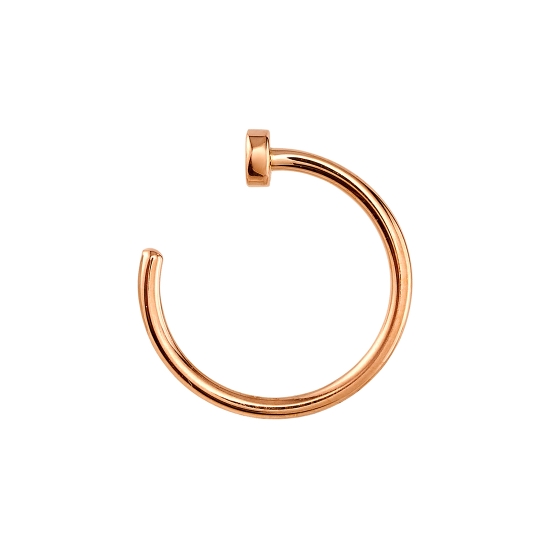
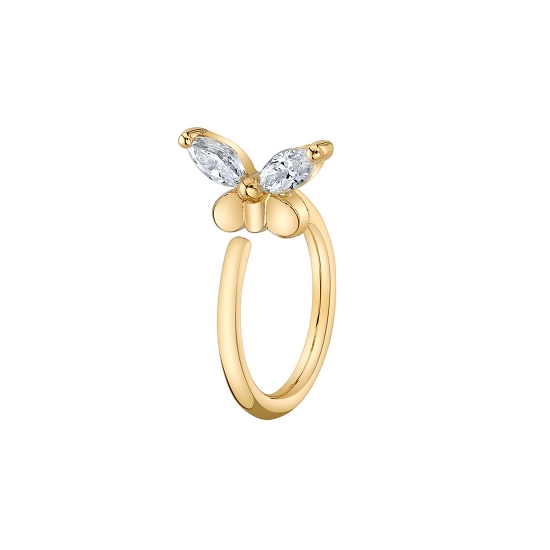
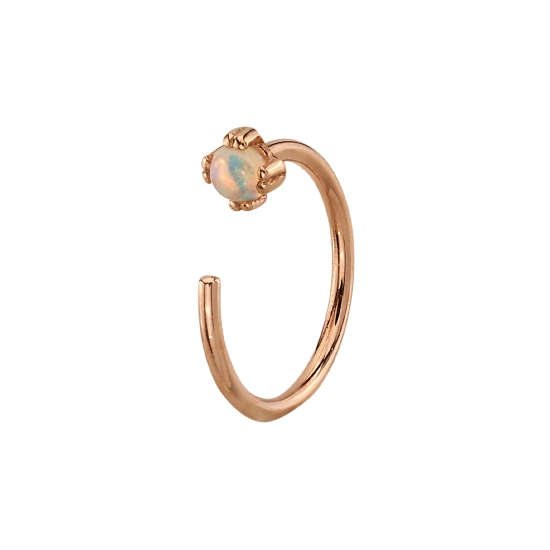
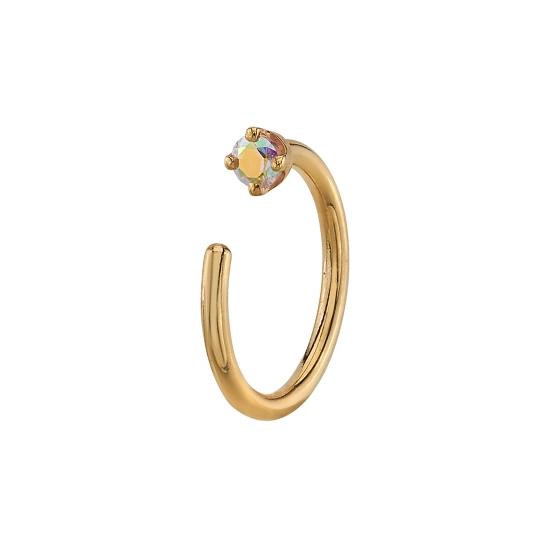
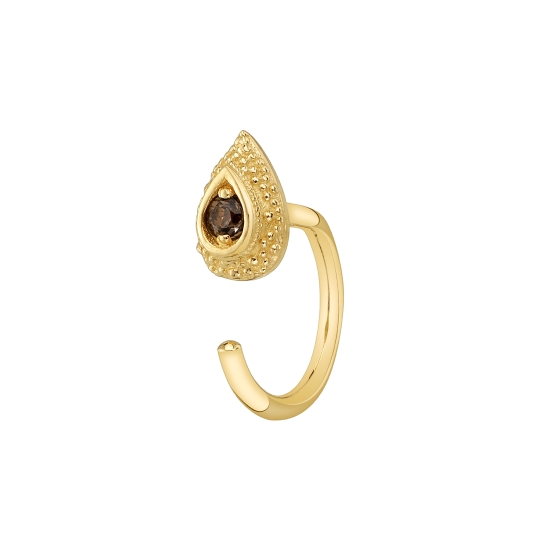
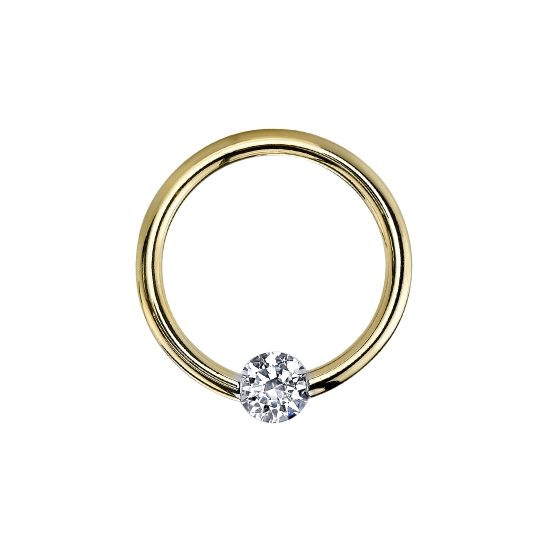
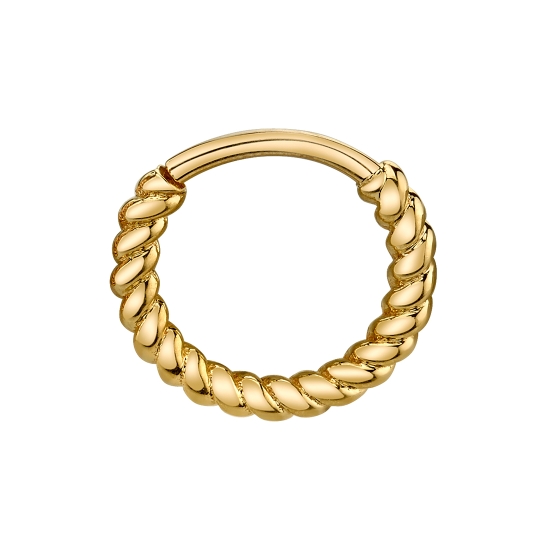
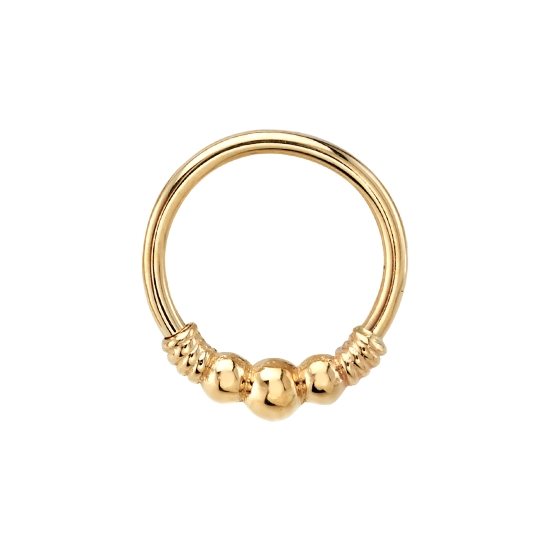
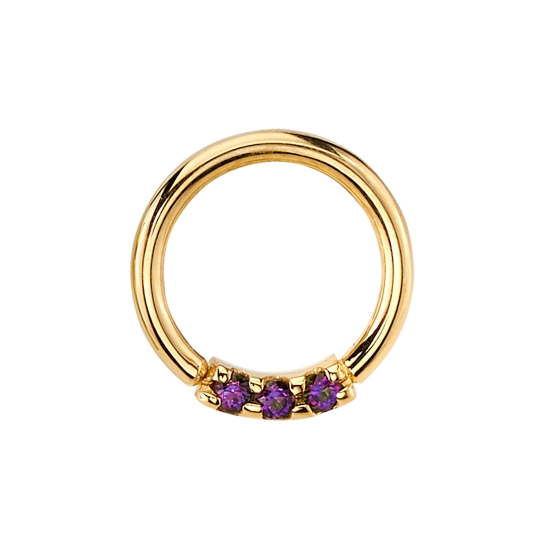
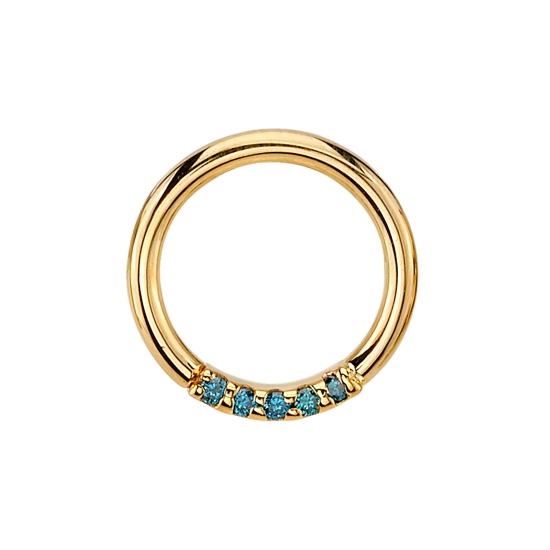
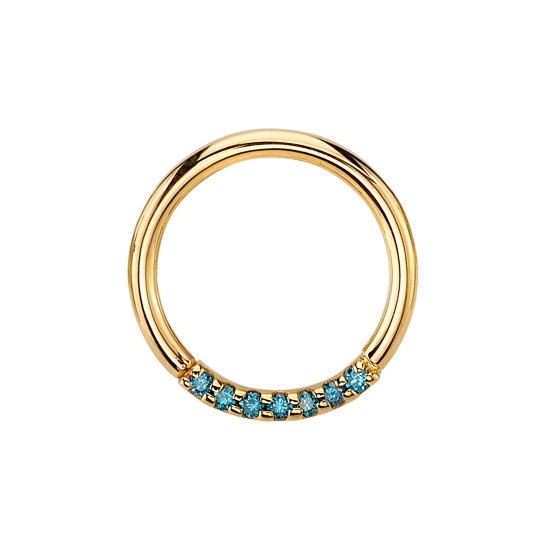
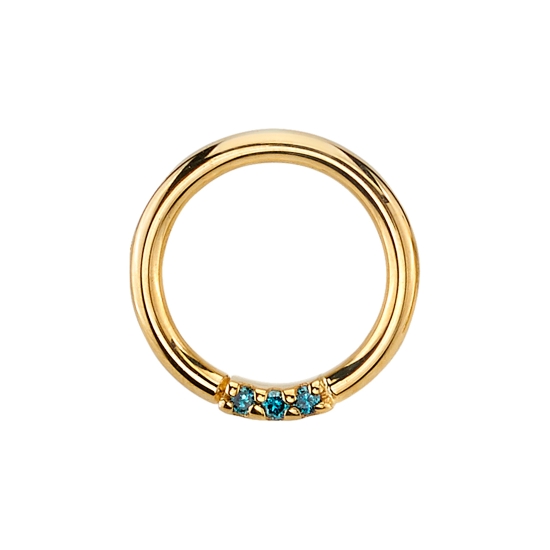
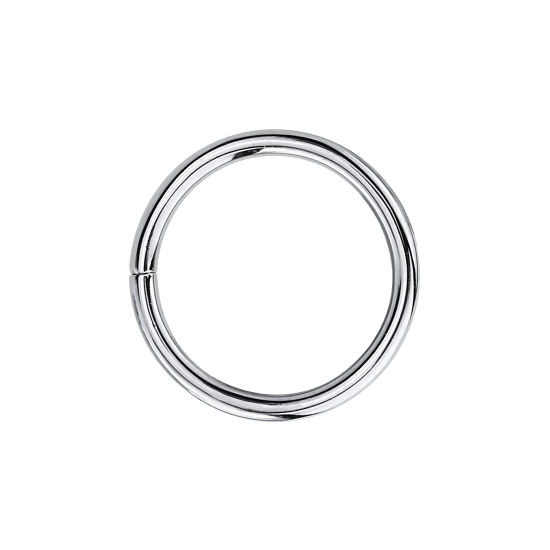
For a ring in the nostril, the look comes down to diameter and gauge. Seam rings open and close at a single hidden seam for a continuous, jewelry-store finish. Captive bead rings hold a bead under tension between the ring's ends — a more traditional, secure style. We size every hoop so it hugs the nostril and sits flush rather than dangling or digging in.
Septum Jewelry
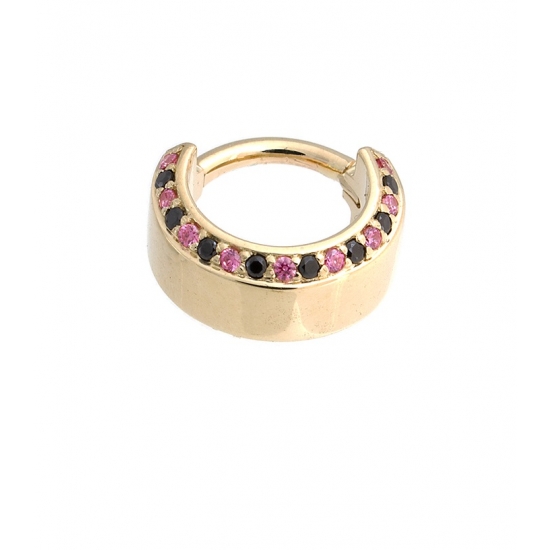
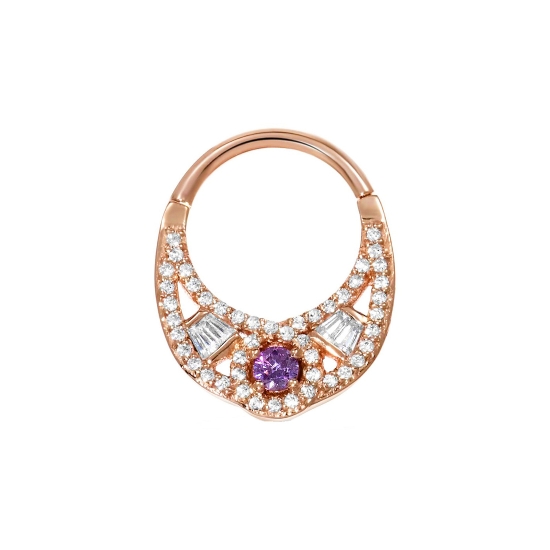
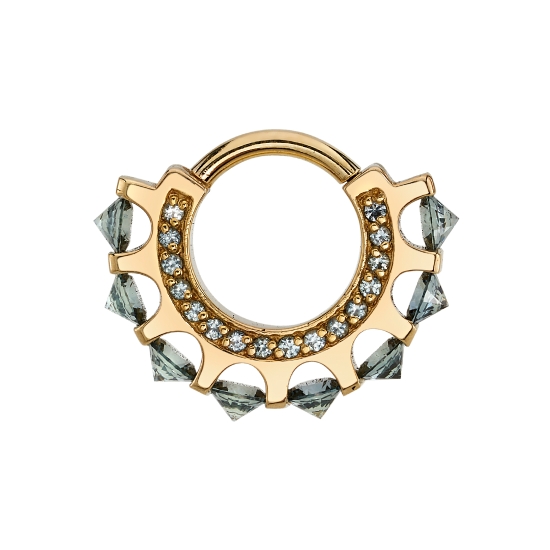
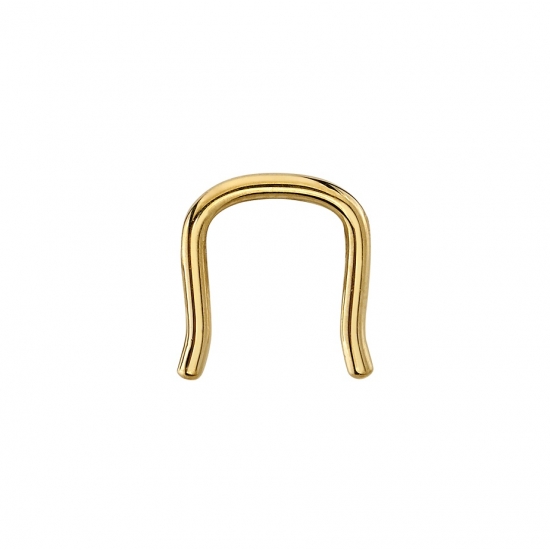
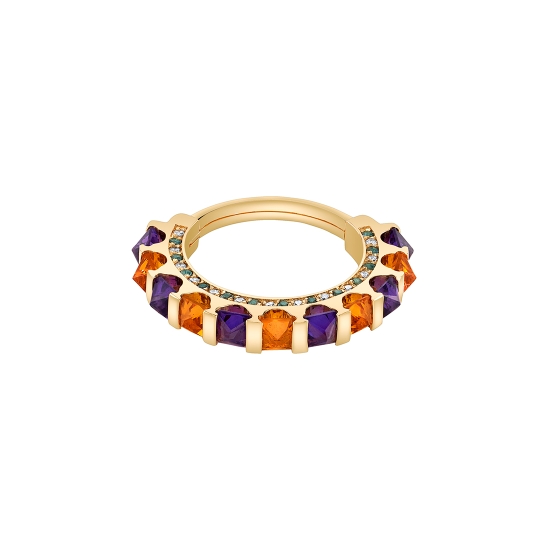
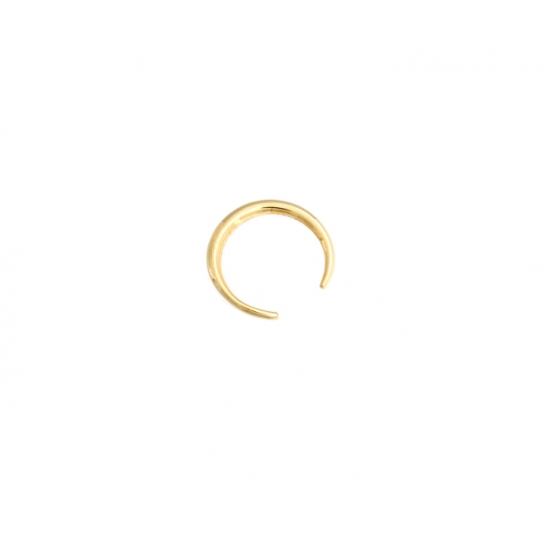
Septum piercings take their own family of jewelry. Clickers hinge open and snap shut for fast, comfortable changes and carry the most decorative front pieces. Seam rings give a cleaner, minimal loop, and retainers sit discreetly when you need the piercing out of sight. We fit septum jewelry to your individual anatomy — no two septums sit the same.
Quality Metals That Belong in Your Nose
What goes through your skin matters. Apollo carries BVLA fine jewelry in two materials we trust for the nose, and we will steer you away from the cheap stuff.
- Implant-grade titanium (ASTM F-136) — our default for fresh and sensitive piercings. It's lightweight, nickel-free, and held to a true implant standard, so it's the safest choice while a piercing is still settling.
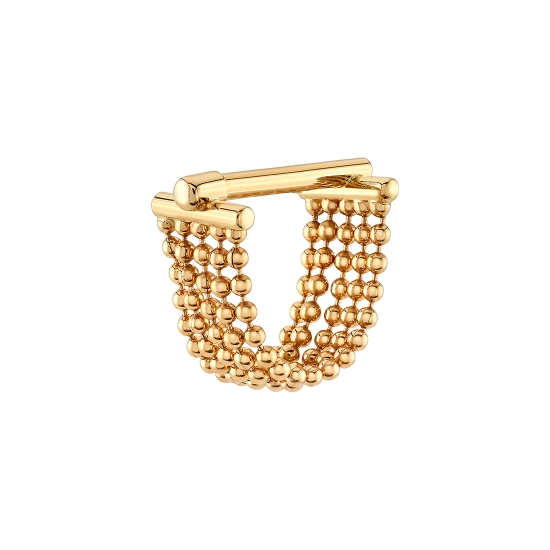
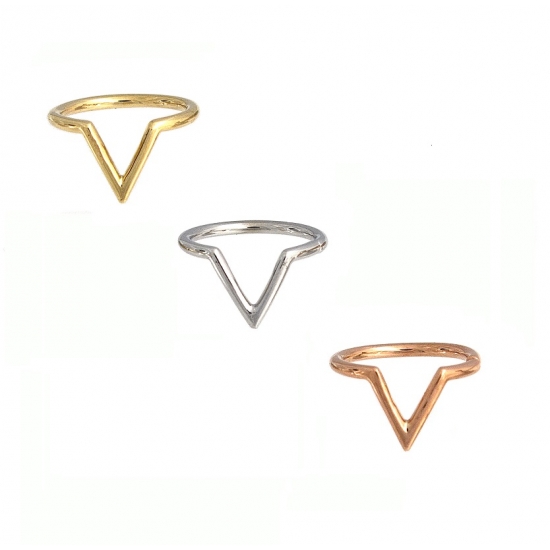
- Solid 14k and 18k gold — for healed piercings ready for an upgrade, with genuine gem ends in real stones. Solid gold (never plated or filled) won't flake or wear through against the skin.
Skip the bin of unmarked "surgical steel" nose rings and gold-plated hoops sold at kiosks. Cheap steel often contains enough nickel to irritate a healing piercing, and plating wears off fast. If a piece can't tell you its alloy or standard, it doesn't belong in your nose.
Gauge & Sizing
Gauge is the thickness of the jewelry. For most nostrils we work in 18g or 20g — fine enough to look refined, sturdy enough to wear daily. Septum piercings are typically 16g, a touch heavier to suit the spot.
Beyond gauge, two measurements decide the fit. For a stud, post length controls how the gem sits — too long and it shifts around, too short and it presses in. For a ring, diameter controls how the hoop wraps the nostril. Septum rings are sized to your individual anatomy so the ring rests where you want it. We measure all of this in-studio rather than guessing from a size chart.
Healing-Appropriate vs. Decorative Jewelry
A new piercing and a healed one want different things. For fresh work we start with a flat-back labret or an appropriately sized stud — flat against the skin, easy to clean, and low-profile while swelling goes down. Hoops and the more decorative ends come after healing, once the channel is settled and stable. Putting a tight hoop in a fresh nostril is one of the most common reasons piercings get cranky, so we time the upgrade for you.
The Complimentary In-Studio Fitting
Every piece we sell is fitted in person. We confirm the gauge, choose a post length or ring diameter that sits flush, and make sure the jewelry seats cleanly before you walk out — at no extra charge. If you're between sizes or unsure which style suits your piercing, that's exactly what the fitting is for. Browse the Apollo shop, see our full range of piercings, or book a fitting and let our Fakir-certified team dial it in.
Frequently asked questions
What gauge is a nose ring?
Most nostril jewelry is 18g or 20g — thin enough to look delicate but strong enough for daily wear. Septum jewelry is usually a heavier 16g. We confirm your exact gauge in-studio so a new piece matches your existing piercing.
What metal is safe for a new nose piercing?
Implant-grade titanium (ASTM F-136) is the safest choice for a fresh or sensitive piercing — it's nickel-free and held to a true implant standard. Solid 14k or 18k gold is great once you're fully healed. Avoid cheap steel and plated jewelry, which can irritate a new piercing.
Can I wear a hoop in a new nostril piercing?
We recommend waiting. Fresh piercings heal best with a flat-back labret or an appropriately sized stud that sits flush against the skin. A hoop in an unhealed nostril moves around and slows healing, so we save hoops for once the piercing has settled.
L-bend vs. screw vs. bone nostril stud — what's the difference?
It's all about the back of the post. An L-bend bends into an L to lock securely and is easy to take in and out. A nostril screw twists into a corkscrew shape for a low-profile, stay-put fit. A bone-end has a small fixed ball that holds fast and inserts quickly. We'll help you pick the one that suits your piercing and routine.
What size septum ring do I need?
Septum rings are sized to your individual anatomy, not a one-size chart. Gauge is typically 16g, and the right diameter is whatever lets the ring rest comfortably where you want it to sit. We measure your septum in-studio so the ring sits clean and even.
How do I know my nostril ring diameter?
Diameter determines how the hoop wraps your nostril — too small and it pinches, too large and it gapes. The most reliable way is an in-studio measurement against your actual piercing, which is included with every fitting. Bringing in a ring that already fits well also gives us a reference.
Can you fit nose jewelry I bought elsewhere?
Yes, bring it in and we'll take a look. We'll check the gauge, the post length or diameter, and most importantly the metal — if it's implant-grade titanium or solid gold and the size is right, we're happy to fit it. If it's cheap steel or plated, we'll tell you honestly and suggest a safer BVLA alternative.