Tattoos
What Is Tattoo Flash?
Flash is the oldest working format in tattooing — finished designs, drawn to be tattooed more than once. Here is how sheets work, how flash is priced, and how to pick a piece you will still like in twenty years.
See current flashWalk into almost any street shop and you will see them: sheets of finished designs, pinned to a wall or bound in a folder, each one drawn to be tattooed more than once. That is flash. It is the oldest working format in the trade, it is not a lesser version of custom work, and understanding how it functions will save you money and disappointment. This page explains what flash is, where it came from, how it is priced, and how to choose a piece you will still like in twenty years.
What is tattoo flash?
Tattoo flash is a pre-drawn design, made in advance and intended to be tattooed repeatedly on different people. It is finished art — line weight, size and colour already resolved — that you pick off a sheet rather than commission. That is the whole definition.
Everything else people believe about flash follows from that one property. Because the drawing already exists, there is no design phase to pay for and no waiting on a sketch. Because it was drawn to be repeated, it is built for legibility rather than for one specific body. And because it was resolved by an artist who was thinking about how the image would age, a good flash design is often more durable than an ambitious custom idea drawn in a hurry.
Flash is a format, not a quality tier. The same machine, the same needles, the same ink and the same hands do a flash piece and a custom piece. What differs is where the drawing came from.
What is a tattoo flash sheet?
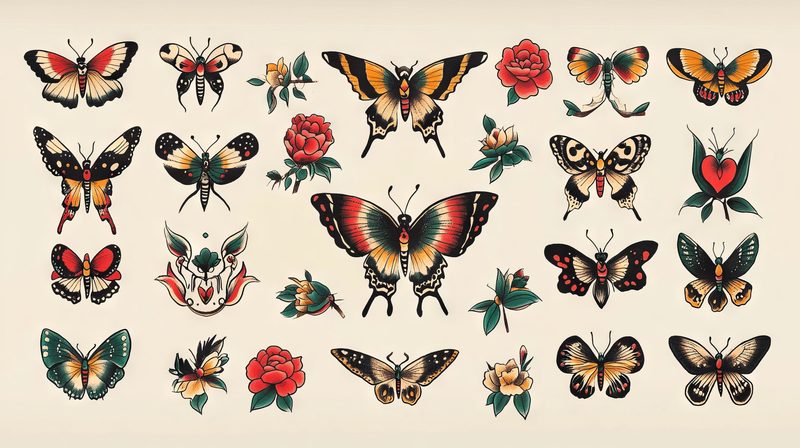
A flash sheet is a single page holding several finished designs arranged together — traditionally a standard-size sheet of images an artist could hang on the wall or hand across the counter. The sheet is the unit of display, not the unit of work: you choose one design from it, not the page.
Sheets are usually organised by theme or by artist rather than at random. A sheet might hold eight small daggers and roses at compatible sizes, or a set of animals in one line weight, or a seasonal set drawn for a single weekend. Grouping matters more than it looks: designs on the same sheet share a visual language, so two pieces off one sheet will usually sit together well on the same arm.
Historically, flash sheets were also a trade good. Artists drew, printed and sold sheets to other shops, which is how a single strong design could end up tattooed in dozens of cities. That commercial life is why the classic American vocabulary — swallows, anchors, panthers, daggers through hearts — looks so consistent from shop to shop. It travelled on paper.
What is traditional tattoo flash?
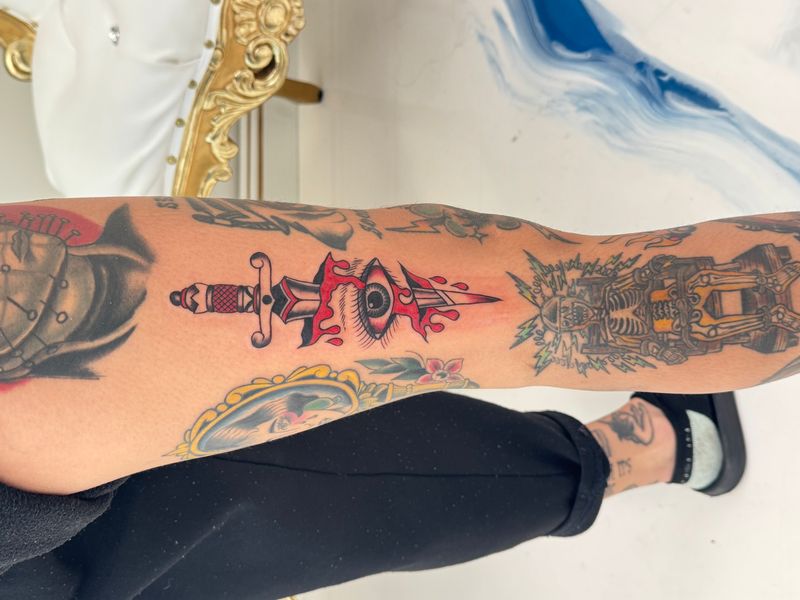
Traditional tattoo flash is flash drawn in the American traditional idiom: heavy black outline, a deliberately small colour palette, solid black shading, simple readable shapes. Roses, eagles, ships, hearts, panthers, swallows, daggers, snakes. It is the largest body of flash in existence and the reason the format is so closely associated with that one style.
Those constraints are engineering rather than nostalgia. A bold outline is still a line after decades of pigment spread; a limited palette avoids the colours that fade fastest; large simple shapes stay readable when fine detail has softened. That is why traditional flash is the safest place for a first tattoo — you are choosing an image whose long-term behaviour is already known.
The style itself is a much longer subject than this page covers. Our American traditional tattoos guide goes properly into the lineage, the canonical motifs and what each one means, the ageing evidence, and the artists who carried the vocabulary forward. If your question is about the style, start there. This page is about the format.
Where did tattoo flash come from?
The short version: pre-drawn sheets were standard equipment in American shops by the early twentieth century, and they circulated commercially between them. A design was transferred to skin from a hand-cut acetate stencil traced off the sheet, which is much of why the same image reappears with the same proportions across shops and decades. It travelled on paper, and the paper is why the classic vocabulary looks so consistent.
Beyond that, be careful what you believe. The commonly repeated claim that one named tattooer invented the flash sheet, and the several competing explanations for why the word "flash" attached to it, circulate very widely and neither rests on a primary source we can point you to. We would rather say so than repeat a story we cannot stand behind — the same standard we apply on our body art facts reference, where every figure carries the study it came from and the blanks are left as blanks.
What kinds of flash will you see on a wall?
Flash is not one look. Beyond the traditional canon, the sheets you will actually find in a modern shop tend to fall into a handful of families:
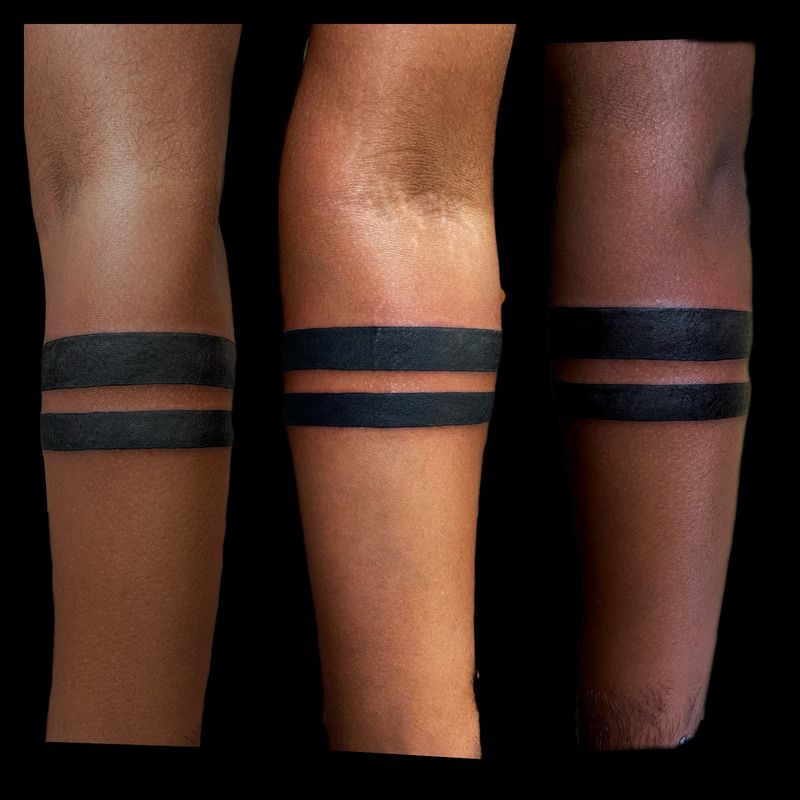
- Ornamental flash — symmetrical, pattern-based designs: mandalas, chandeliers, filigree, ornamental bands built to follow a limb. Reads as decoration rather than as an image of something, and the symmetry is what makes it work as a repeated design.
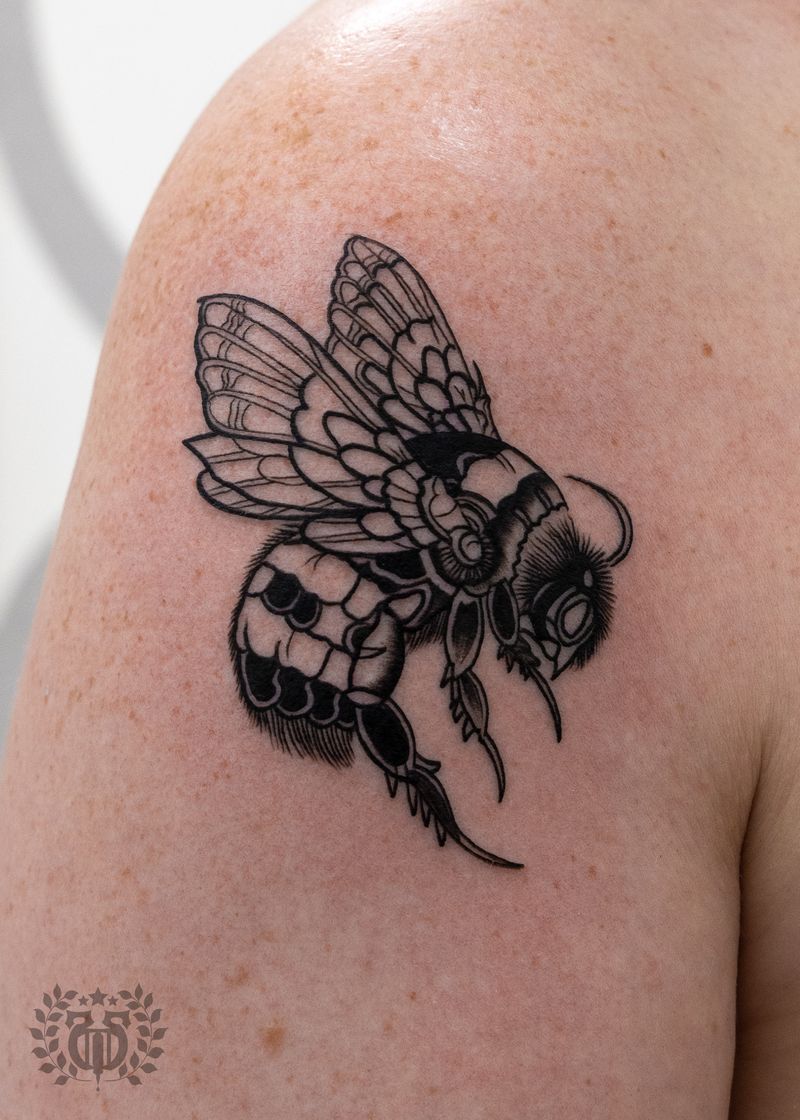
- Blackwork and dark flash — heavy solid black, high-contrast graphic shapes, dark ornamental work. Dense by construction, which also makes it some of the most durable flash there is.
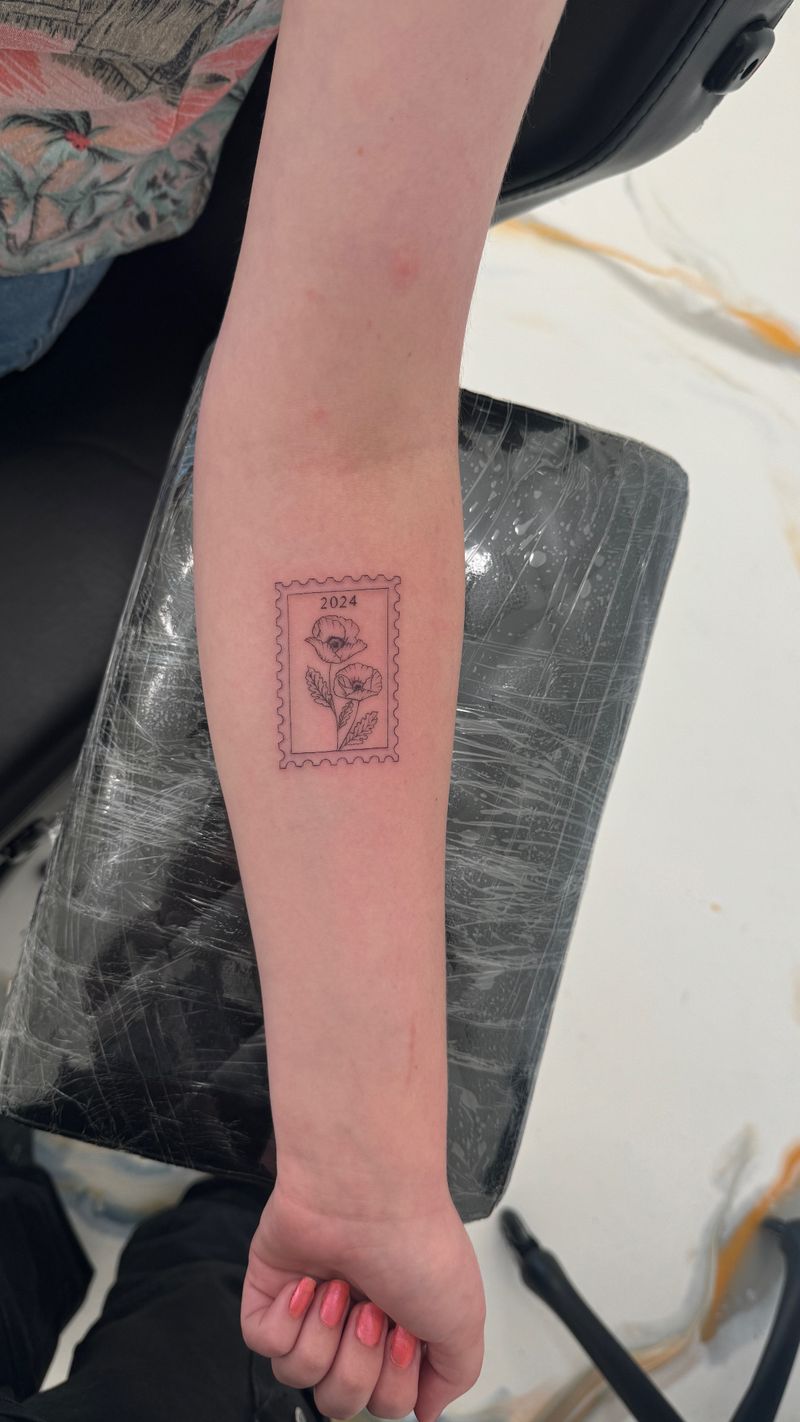
- Minimalist and fine-line flash — small, delicate designs at the other end of the scale. Beautiful, and the family that asks the most of placement: fine lines soften fastest in high-friction spots.
- Subject flash — the single-image sheets people search for by name: snakes, scorpions, moths, moons, daggers, beetles. Usually drawn several ways on one sheet so you can pick the version that suits your placement.
- Horror and seasonal flash — drawn for a date rather than for the wall. Halloween sheets, Friday the 13th sheets, Valentine's sheets. Often available only on the day, which is precisely their appeal.
If you already know your subject, say so when you get in touch. Most artists have more sheets than they can hang, and a specific ask — a snake, a moon, something ornamental for a forearm band — usually turns up designs that were never on the wall.
Flash vs custom: what is the actual difference?
The difference is who resolved the drawing, and when.
- Flash — the design exists before you walk in. You choose it, agree on size and placement, and get tattooed, often the same day. No design fee, no sketch round, no waiting.
- Custom — the design is made for you. It starts with a consultation, moves through a drawing your artist prepares, and is booked once the drawing is right. You pay for the drawing time as part of the work.
Neither is better. They answer different questions. Flash is the right call when you want a good tattoo of a classic subject, when you want it soon, when you are working to a budget, or when you are getting your first piece and would rather not carry the weight of designing something from nothing. Custom is the right call when the piece has to be about your specific story, when it has to fit a specific space on your body, when it has to work around or cover existing ink, or when nothing on any wall is quite it.
There is also a middle path most people do not know exists. Many flash designs can be adjusted — resized, mirrored, re-coloured, or simplified — without becoming custom work. Ask. The line between "flash with changes" and "custom" is a real one, and your artist will tell you where your request falls.
How does flash tattoo pricing work?
Flash is usually priced per piece rather than per hour, and it is cheaper than custom work of the same size for one specific reason: you are not paying for design time. The drawing already exists. What you are paying for is the tattooing.
Three things actually move the number:
- Size. The single biggest driver. The same design at two inches and at six inches is a different amount of work.
- Placement. Ribs, hands, feet, necks and knees take longer than an outer arm or a thigh, because the skin is harder to work and the client needs more breaks.
- Colour and density. Solid packed colour takes materially longer than line and light shading.
Every studio also has a minimum — a floor price below which an appointment does not make sense, because setup, sterile single-use supplies and the booked slot cost the same whether the tattoo takes ten minutes or forty. A very small flash piece usually lands at or near that minimum.
Where a flash piece is billed by time rather than per piece, Apollo's hourly rate depends on the artist: $100 per hour with Blue, Hannah or Rick, and $350 per hour with Raa or David (rates as booked in our system on 27 August 2026). Flash events and seasonal sheets are often priced differently again, so treat any promotional price as specific to that event. The current picture is on our tattoo pricing page, and the quote you should act on is the one your artist gives you for your design at your size in your placement.
Will someone else have the same tattoo?
Possibly, and in traditional flash that is the point rather than the problem. Repetition is the format's entire premise: a design earns its place on a sheet by being worth tattooing again. Wearing a well-known traditional image is participation in a lineage, not a failure of originality.
If that genuinely does not sit right with you, there are three normal ways around it. Ask whether a design can be claimed — some artists retire a piece once it has been tattooed once, and will say so up front. Ask for modifications, which shift a shared design toward yours. Or commission custom work, which is the honest answer if uniqueness is the thing you actually care about.
What we would steer you away from is choosing a weak design purely because it is rare. A common tattoo you love ages better than an unusual one you settled for.
How do you pick a flash piece you will still like?
The wall is overwhelming on purpose — there is a lot of good work on it. A few filters that reliably help:
- Pick the drawing, not the subject. Most people arrive with a subject in mind and force it. Better results come from finding a drawing that is genuinely excellent and being flexible about what it depicts.
- Check the line weight against the size you want. A design drawn bold and tattooed tiny fills in; a design drawn fine and tattooed large looks thin. Ask what size the piece was drawn for.
- Hold it where it will live. Placement changes everything about how a shape reads. Have the stencil placed and look in the mirror before anything permanent happens.
- Think about the second tattoo. If you expect to add more later, choosing from one artist's sheets keeps a consistent visual language across the whole arm.
- Give the trend test a moment. Ask yourself whether the appeal is the image or the moment. Traditional flash passes this test easily, which is much of why it has lasted.
- Ask the artist which piece they would rather tattoo. Every artist has designs on the wall they are keen to do. That enthusiasm shows in the result.
Is flash a good first tattoo?
Usually yes, and for reasons beyond price. A flash piece removes the hardest part of a first tattoo, which is not the needle — it is the decision. You are choosing from resolved work with known behaviour rather than trying to invent something permanent while nervous. The appointment is shorter, so you find out how you handle being tattooed on a piece that ends before you are tired of it. And a classic subject in a classic style is the single most reliable thing you can put in skin.
The one thing to still take seriously is placement. A first tattoo somewhere high-friction or high-visibility — hands, fingers, neck — is a bigger commitment than the size suggests, whether the design came off a wall or out of a consultation.
Flash at Apollo in Santa Monica
Apollo keeps flash from several artists, in several styles: traditional American, minimalist and fine line, blackwork, and seasonal sheets drawn for particular weekends and events. What is on the wall rotates, and event sheets are often available only on the day they were drawn for. Our artists' current flash and our event dates go out on Instagram at @apollotattooandpiercingstudio.
If you want to see what is available and book a slot, our flash tattoos in Los Angeles page has the current picture and the booking link. Walk-ins are welcome for flash when an artist is free, though an appointment is the only way to guarantee your time — especially during events, which draw crowds.
If you get partway through and realise the piece really does need to be yours alone, that is a normal outcome and a short conversation. You can book a consultation instead, or read how custom work starts in our tattoo consultation guide. Either way, come look at the wall first — it costs nothing and it teaches you more about tattooing in ten minutes than an hour of scrolling.
Flash tattoo questions we get at the counter
Are flash tattoos lower quality than custom work?
No. Flash and custom pieces are tattooed with the same machines, needles, ink and technique by the same artists. Flash costs less because the design already exists, so you are not paying for consultation and drawing time. Quality is a function of who is tattooing and how well the design suits the size and placement, not of where the drawing came from. A strong flash piece tattooed well will outlast an ambitious custom idea that was rushed.
Can you change a flash design?
Often, within limits. Resizing, mirroring, changing colour, dropping an element or simplifying detail are usually straightforward. Redrawing the subject, restructuring the composition, or adapting the design to fit around existing ink is custom work with custom pricing, because it means the artist is drawing again. Ask before you assume either way — your artist will tell you which side of that line your request falls on, and the answer changes both the price and the lead time.
Do you need an appointment for a flash tattoo?
Walk-ins are welcome for flash when an artist is free, but an appointment is the only way to guarantee your time. During flash events the wait can be long and popular designs go early, so booking ahead is the difference between getting the piece you wanted and getting the piece that was left. If you are coming in on spec, earlier in the day is better than later.
What does it mean to claim a flash design?
Claiming means an artist agrees to tattoo a particular design once and then retire it, so no one else gets that piece from them. It is a per-artist practice rather than an industry rule, and not every artist offers it. If uniqueness matters to you, ask directly whether a design can be claimed before you book, and expect the price to reflect that the drawing can no longer be repeated.
What is the difference between flash and a stencil?
Flash is the artwork; a stencil is the transfer that puts it on your skin. Every tattoo, flash or custom, is applied over a stencil — the outline is transferred to the skin so the artist can see the placement and proportions before tattooing. Historically flash was transferred using hand-cut acetate sheets traced from the original drawing, which is one reason the same design recurs with the same proportions across decades of shops.
Is flash a good choice for a first tattoo?
Usually, yes. Flash removes the hardest part of a first tattoo, which is the decision rather than the needle. You are choosing resolved artwork with known ageing behaviour instead of inventing something permanent while nervous, and the appointment is short enough that you learn how you handle being tattooed without getting exhausted. Take placement seriously anyway — hands, fingers and necks are a bigger commitment than their size suggests.