Tattoo Ideas
Sleeve Tattoos for Women
A working-studio guide to sleeve tattoos for women — the styles that suit, full vs half vs quarter coverage, planning, sessions and cost factors, themes and ideas, and healing a long-term project.
Book a consultationSleeve tattoos for women
A sleeve is a planned composition, not a collection
The sleeves that age beautifully are designed as one piece from the start — a unifying theme, a considered palette, and a flow that follows the arm. This is a working-studio guide to planning one well, whatever style speaks to you.
At Apollo, on Main Street in Santa Monica, a sleeve begins as a conversation, not a single appointment. We map the whole arm before the first needle — theme, style, scale, and the order of sessions — so the finished piece reads as a deliberate composition rather than a row of unrelated tattoos. That planning is what separates a sleeve that looks intentional at year ten from one that looks crowded at year two.
Sleeve work suits every body and every aesthetic. Below: the styles that wear well on a sleeve, the difference between full, half, and quarter coverage, how to think about sessions and the factors that shape cost, themes worth considering, and what healing a long-term project actually involves.
Styles that suit a sleeve
Four directions that wear beautifully on the arm
A sleeve commits you to a visual language for the whole arm, so pick the style before the subject. These four are the most-requested directions in the studio.
Fine line
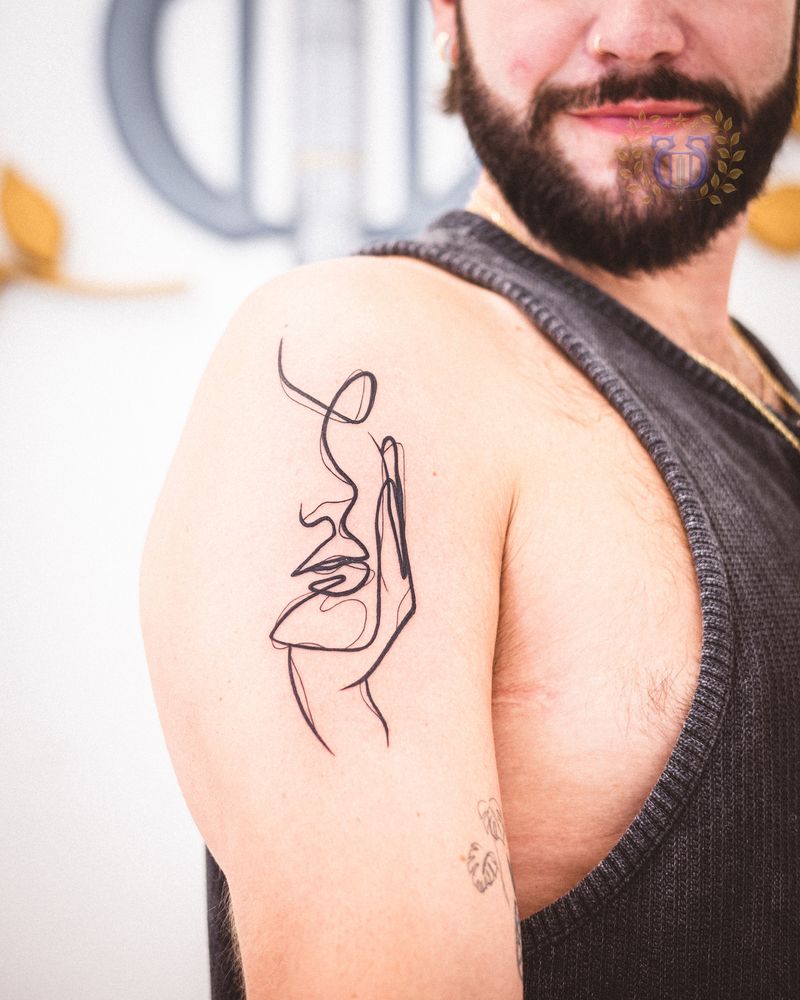
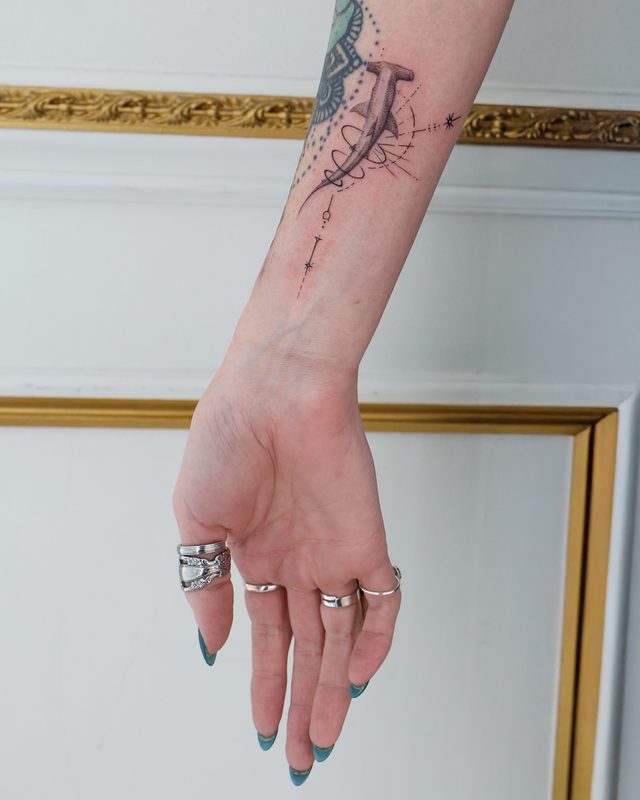
Delicate, single-needle linework with an airy, modern feel. Suits botanical and illustrative sleeves with negative space between elements. Plan for touch-ups over the years, since the hairline detail softens faster than bolder work. See our fine line tattoos page for the full style.
Floral
The most popular sleeve theme for good reason — flowers wrap the natural curve of the arm and flow effortlessly across sessions. Peonies, roses, wildflowers, and birth-month blooms all scale to a sleeve. Explore the direction on our floral tattoos and flower tattoo ideas pages.
Black-and-grey
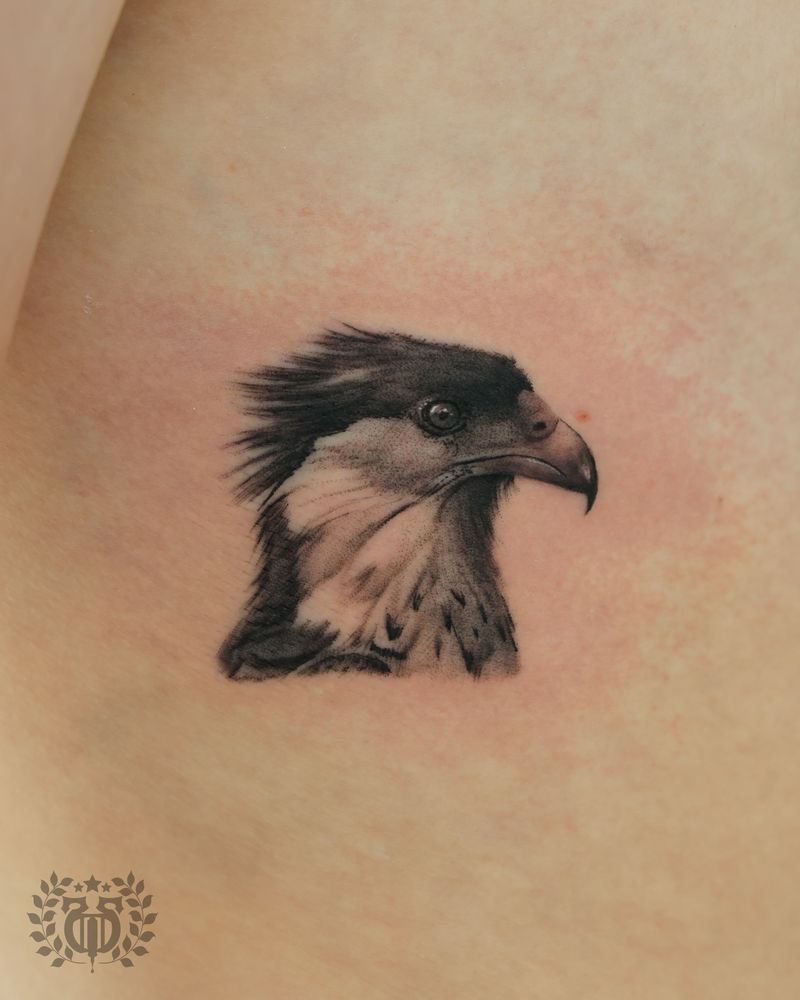
Cohesive, and the most forgiving palette to age. Smooth gradients and soft shading unify a sleeve under one tonal language, and black holds longest of any pigment. A reliable choice for a piece you want reading cleanly for decades. See black and grey tattoos.
Illustrative
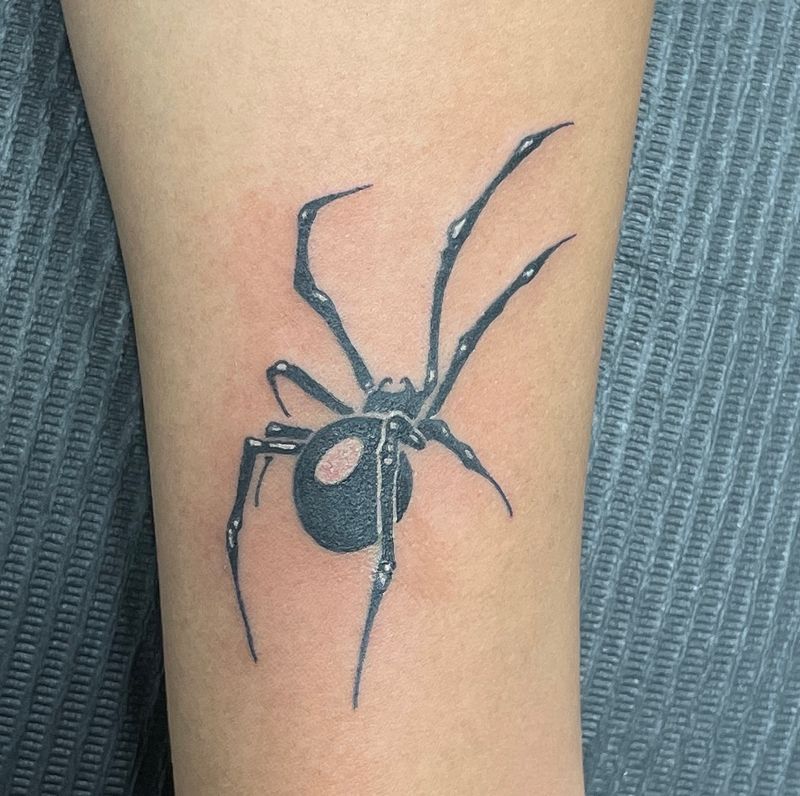
Storybook linework, etching textures, and a hand-drawn quality that lets a sleeve carry narrative — nature scenes, symbolism, mixed motifs. Flexible enough to blend with fine line or floral elements while keeping a single artistic voice. See illustrative tattoos.
Full vs half vs quarter
How much arm a sleeve covers
Coverage is a commitment decision — in time, in sessions, and in how visible the finished piece is. There is no wrong answer, only the one that fits your life.
Quarter sleeve
Shoulder to roughly mid-bicep, or the forearm alone. The most approachable entry point — a complete, composed statement that is easy to cover and faster to finish. A natural first step that can be extended later if you decide to grow it.
Half sleeve
Shoulder to the elbow (or elbow to wrist). Substantial room for a developed theme and flowing composition while stopping short of the full commitment. Conceals under a short sleeve and reads as a deliberate, finished piece.
Full sleeve
Shoulder to wrist, designed as one continuous composition. The most immersive option, built over several sessions across months. The reward for the planning is a single unified piece that wraps the entire arm with intention.
A common and sensible path is to start with a quarter or half and design it so it can extend into a full sleeve later. We plan the composition with that future in mind, so the early sessions never box in the later ones.
A sleeve is designed once and worn for life. The planning is the part most people skip and most regret.
Pick the style before the subject. The arm carries one visual language gracefully — not five.
Start with a quarter you love. A sleeve grows best from a finished piece, not an empty plan.
Planning, sessions & cost factors
What shapes the timeline and the investment
A sleeve is a long-term project. Honest expectations on sessions and the factors that drive cost matter more than any single number — and the real numbers are set at consultation, on your sketch.
Sessions & pacing
Sleeves are built across multiple sittings, spaced to let each section heal before the next. A quarter may take one or two sessions; a full sleeve unfolds over several across months. We pace the work to your healing, your schedule, and your comfort in the chair.
What drives cost
Scale, detail density, color versus black-and-grey, style complexity, and total session count all shape the investment. A dense, full-color illustrative full sleeve asks far more chair time than a clean fine-line quarter. More detail and more coverage means more sessions.
Pricing & consultation
We do not quote a sleeve off an idea. Pricing is set at the consultation based on the actual design, scale, and session plan — so the estimate reflects the real piece, not a guess. Bring three references, and we map the whole arm together before anything is permanent.
For the full pre-appointment walkthrough, see our tattoo consultation guide, and for placement and aging across the body, the tattoo placement guide. When you are ready, book a consultation at the studio in Santa Monica.
Themes & ideas
Directions worth considering
A strong sleeve theme gives the artist a thread to follow across the whole arm. A few directions that compose beautifully and stay personal.
Botanical & floral
Flowers, vines, and foliage that wrap the arm naturally. Birth-month blooms, a favorite flower, or a wildflower meadow that flows from shoulder to wrist — endlessly personal and forgiving to compose.
Nature & landscape
Mountains, ocean, forests, celestial elements — a sense of place or a love of the outdoors rendered across the arm. Black-and-grey carries these atmospherically; illustrative gives them a storybook quality.
Symbolic & meaningful
Motifs tied to memory, milestones, or values, woven into a cohesive composition rather than scattered. One element per chapter of life, unified by a single style, reads as intentional decades later.
Fine-line & delicate
Airy, open compositions with negative space between elements — small botanicals, fine script, and delicate symbols that feel light on the arm. Modern, soft, and unmistakably personal.
Healing a sleeve
What a long-term project asks of you
Each session heals on its own timeline — surface skin closes in about two weeks, with deeper tissue settling over the following month. Because a sleeve is built in sections, you will move through that cycle several times, and we space appointments so one area is well on its way before we work the next. Plan for the standard restrictions during each heal: no soaking, no direct sun, loose clothing over the fresh work, and thin coats of fragrance-free lotion.
The long game matters most. Daily moisturizer and broad-spectrum SPF on healed work keep a sleeve reading cleanly for decades — sun is the single biggest factor in how any tattoo ages. For the full stage-by-stage protocol, see our tattoo aftercare guide.
Everything here sits inside the broader craft of building an arm — the three panels, the elbow bottleneck, and the background systems that hold a composition together. Those are covered in depth on our main sleeve tattoo ideas page.
FAQ
Sleeve tattoos for women: common questions
How long does a sleeve tattoo take to complete?
A sleeve is built across multiple sessions, spaced to let each section heal before the next. A quarter sleeve may take one or two sittings; a full sleeve typically unfolds over several sessions across months. The exact timeline depends on the detail density, the style, and how your skin heals — we pace the work to your healing and your schedule rather than rushing it.
What sleeve tattoo style suits women best?
There is no single answer — it depends on the look you want. Fine line gives an airy, delicate, modern feel; floral wraps the arm naturally and stays endlessly personal; black-and-grey holds contrast longest and ages most forgivingly; illustrative carries narrative and texture. The best style is the one you will still love in ten years, so pick the visual language first, then the subject.
Should I start with a half sleeve or a full sleeve?
Many people start with a quarter or half sleeve and design it so it can extend into a full sleeve later. That gives you a complete, finished piece sooner, with less commitment up front, while leaving room to grow. We plan the composition with that future in mind, so the early sessions never box in the later ones.
How much does a sleeve tattoo cost?
It depends on scale, detail density, color versus black-and-grey, style complexity, and the total number of sessions. A clean fine-line quarter asks far less chair time than a dense full-color illustrative full sleeve. We do not quote a sleeve off an idea — pricing is set at the consultation based on the actual design and session plan, so the estimate reflects the real piece.
Do sleeve tattoos hurt?
The arm is one of the more forgiving canvases overall. The outer arm and forearm are low-to-moderate pain, while the inner bicep, elbow ditch, and wrist run sharper because the skin is thinner there. Because a sleeve is built across multiple sessions, you are never enduring the whole arm in one sitting, and we plan breaks into longer sittings.
Can I combine different styles in one sleeve?
Yes, but carefully. The sleeves that age best read as one composition under a single visual language. Blending closely related directions — fine line with delicate florals, or illustrative with black-and-grey shading — can work beautifully when planned from the start. Mixing very different styles tends to look crowded over time. The unifying thread is what we map at the consultation before any work begins.