Tips & Knowledge
Tattoo Placement Guide
A working-studio tattoo placement guide — how to choose placement by pain, visibility, aging and size, a body-area rundown from arm to behind-the-ear, plus small-tattoo and first-tattoo placement ideas.
Book a consultationHow to choose placement
Placement is a design decision, not an afterthought
Where a tattoo lives on the body changes how it ages, how much it hurts to get, who sees it, and whether the design even fits. Pick the placement with the same care you pick the artist — it is half the finished piece.
At Apollo, on Main Street in Santa Monica, the placement conversation happens at the consultation, on your actual skin, in front of a mirror. A design that reads beautifully flat on paper can fight the curve of a calf, the bend of an elbow, or the slope of a shoulder. Four honest factors decide where a piece belongs: how the area takes pain, how visible it is day to day, how it ages and stretches, and whether your design’s scale matches the canvas.
The rest of this guide is a working-studio breakdown of each factor, a body-area rundown from arm to behind-the-ear, and placement ideas for small tattoos and first tattoos — the same advice we give clients across Los Angeles before the needle ever touches skin.
The four factors
What actually decides placement
Run every placement idea through these four before you commit. Most placement regret traces back to skipping one of them.
Pain by body area
Pain tracks bone, nerve density, and thin skin. Forearm, outer calf, and outer thigh are the forgiving zones. Ribs, sternum, spine, hands, feet, and the inner bicep are higher-pain. That ordering is practitioner consensus rather than measured data — the full placement-by-placement breakdown, and what the published research actually supports, is in our tattoo pain chart.
Visibility & profession
Decide who sees it and when. Forearms, hands, neck, and the back of the calf are public by default. Upper arm, back, ribs, and thigh hide easily under everyday clothing. If your workplace is conservative, a placement you can cover keeps the choice yours rather than your employer’s.
Aging & stretching
Skin that flexes, stretches, or rubs constantly ages a tattoo faster. Hands, fingers, feet, and the inner lip fade quickest. Areas prone to weight change — stomach, hips, upper arms — can distort fine detail over decades. Forearm, outer thigh, and upper back hold a design cleanly the longest.
Size-to-placement fit
The canvas sets the floor for detail. A portrait or dense floral needs a forearm, thigh, or back — not a wrist. A delicate single-line piece can live on an ankle or behind the ear. Match the information inside the design to the real estate available, or the detail collapses as it heals.
The body is not a flat page. The best placement works with the curve, not against it.
Pick the placement before you fall in love with the size. The canvas decides what fits.
Save hands, fingers, and necks for later. Start where the skin forgives you.
Body-area rundown
Every common placement, honestly
A working-studio read on each major placement — pain, visibility, aging, and what suits each canvas.
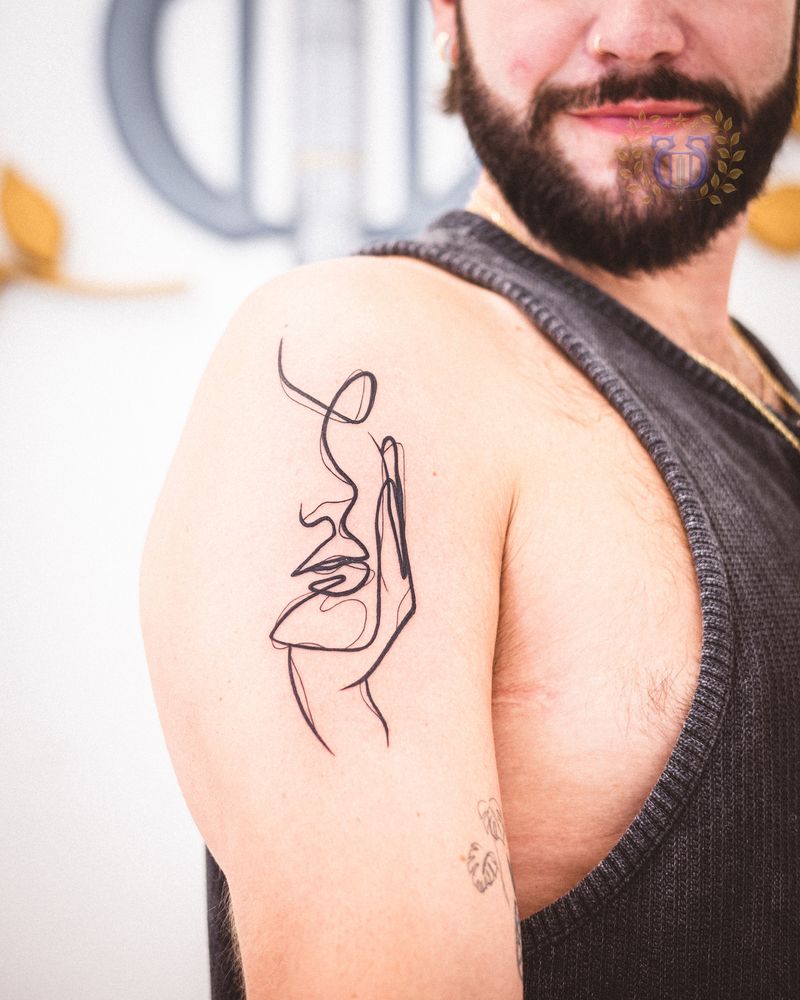
Arm & forearm
The most versatile canvas in tattooing. Low-to-moderate pain on the outer forearm, easy daily visibility, and excellent aging. Holds everything from a small fine line piece to a full statement. The default first-tattoo recommendation for good reason.
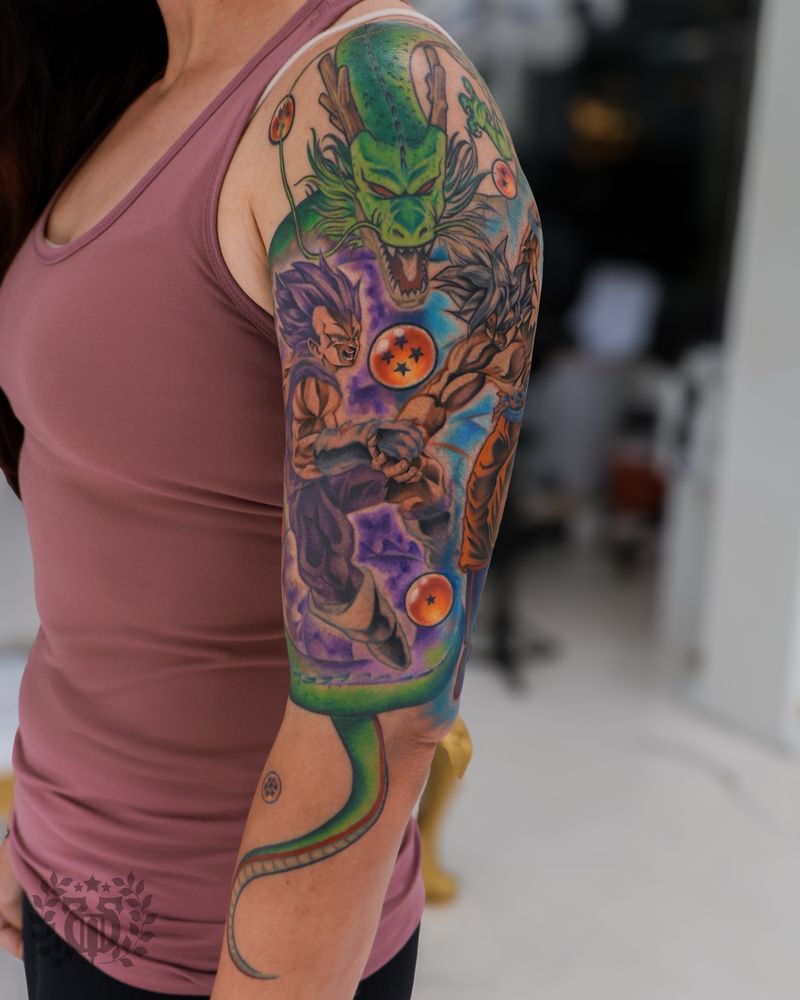
Sleeve (full / half / quarter)
A planned campaign across the whole arm. A quarter sleeve covers shoulder to mid-bicep; a half runs to the elbow; a full reaches the wrist. Built over multiple sessions with a unifying theme. Wraps the curve well and ages predictably when designed as one composition.
Hand & finger
High visibility, high commitment, fastest fade. Constant washing, sun, and friction blur fine detail and lift ink — expect touch-ups. Beautiful when chosen with eyes open, but never the right place for a first tattoo or microscopic script. Full detail in the finger and hand section below.
Chest
A broad, flat canvas that suits large symmetrical or sweeping designs. Moderate pain over muscle, sharper near the sternum and collarbone. Easy to cover, ages well across the pec. A strong home for bold centerpieces.
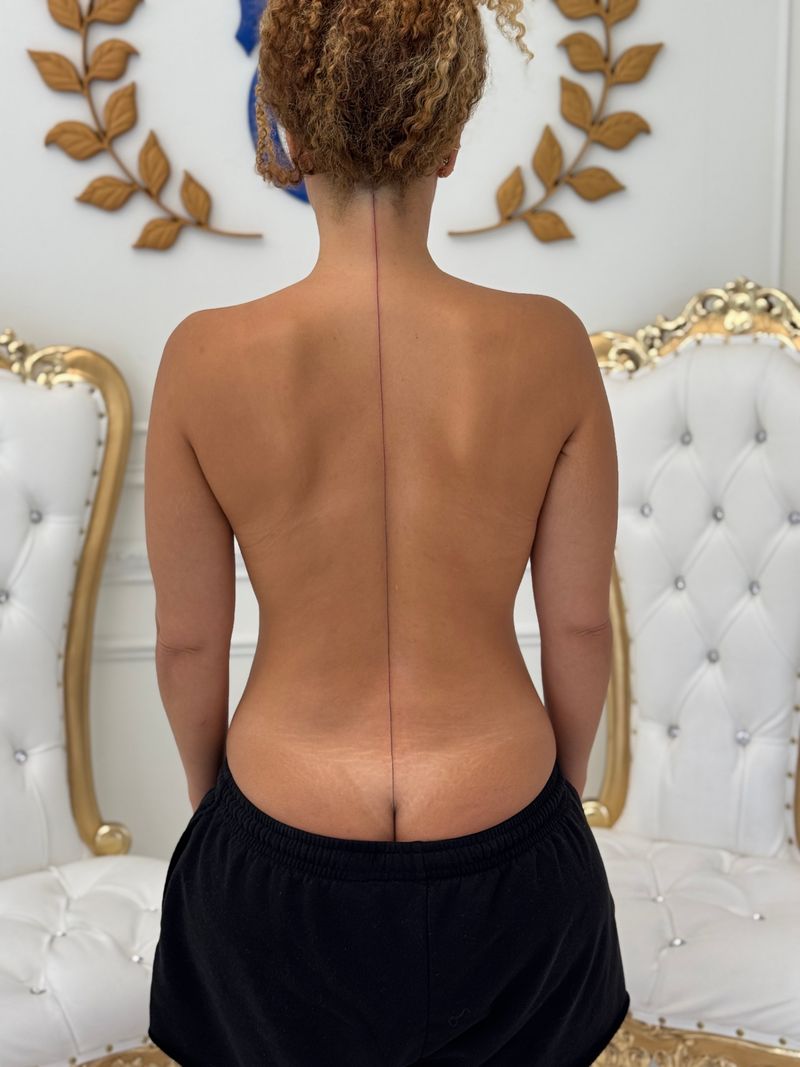
Back
The largest single canvas on the body and one of the best-aging. Spine and shoulder blades run higher-pain; the broad expanse is moderate. Ideal for large-scale work, backpieces, and designs that need room to breathe. Hidden by default.
Ribs
Among the highest-pain placements — thin skin directly over bone. Stunning for flowing, body-following designs and easy to conceal. Worth the intensity for the right piece, but rarely the place to start.
Thigh
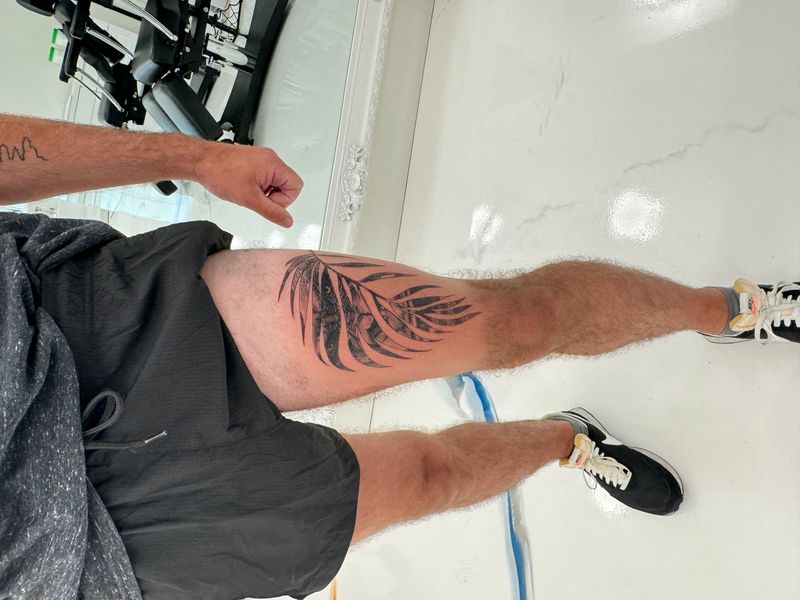
A large, forgiving, low-pain canvas with excellent aging on the outer thigh. Easy to cover, generous on space, and a favorite for detailed floral and illustrative work. One of the most underrated placements in the studio.
Ankle
Suits small, delicate pieces — a band, a tiny botanical, a minimalist symbol. Bone proximity makes it moderately tender. Semi-visible with most footwear, and a clean home for a first small tattoo.
Behind the ear
An intimate, semi-hidden spot for very small designs. Thin skin over bone makes it sharp but brief. Limited room means tiny scale only — a single symbol, a short word, a small bloom. Distinctive precisely because it is subtle.
Small tattoo placement ideas
Where to get a small tattoo
Small designs live or die by placement — the right spot lets a tiny piece read for decades, the wrong one blurs it within a year.
Inner forearm
The best all-around home for a small tattoo. Flat, low-pain, easy to see, and slow to age. A small botanical, a word, or a fine-line symbol holds cleanly here for years.
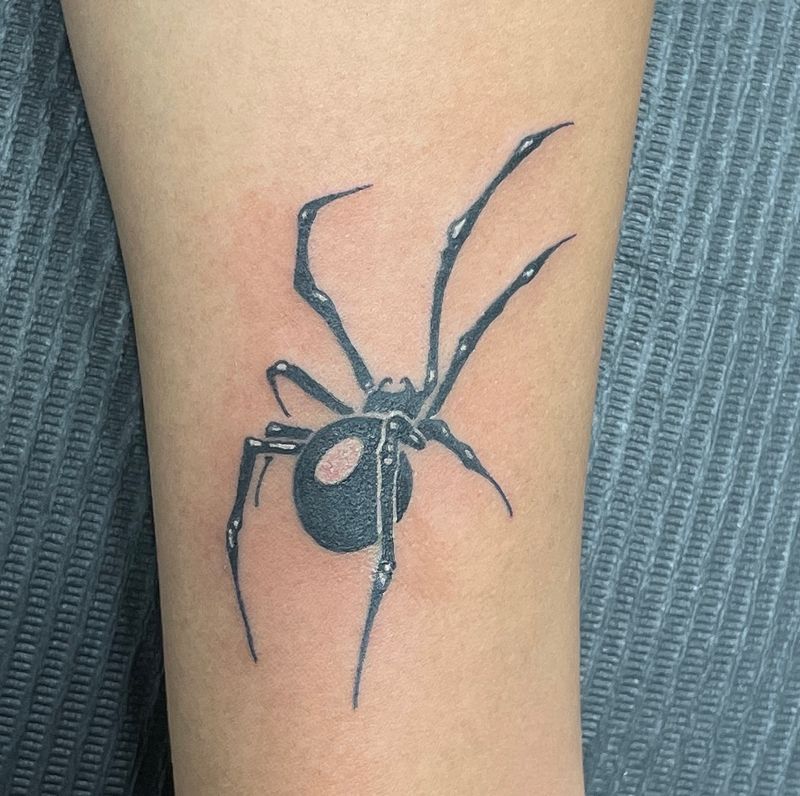
Ankle & outer calf
Ideal for petite pieces you can show or cover at will. The outer calf in particular ages beautifully and takes detail well at small scale.
Behind the ear & back of neck
For the smallest, most personal designs. Subtle by default, revealed only when you choose. Keep it to a single element — the space rewards restraint.
Collarbone & sternum
A delicate band, dates, or a small symmetrical piece sits elegantly here. Higher-pain near the bone, but the placement carries small designs with intention.
The honest small-tattoo rule we give every client: give the design enough room to survive aging. Text smaller than a grain of rice and hair-thin detail on high-friction zones — fingers, feet, inner wrist — blur fastest. Place small work on flat, low-movement skin and it will outlast the trend that inspired it.
Finger & hand tattoos
How do finger tattoos heal and age?
Finger tattoos fade and blur faster than any other placement, and the reason is mechanical rather than mysterious. It is the one placement where the aftercare conversation and the aging conversation are the same conversation.
Hands are washed dozens of times a day, exposed to sun almost constantly, gripped against surfaces, and covered in skin that is thin over bone and turns over quickly. Every one of those works against ink staying where it was put. A finger tattoo that looks crisp at two weeks can read noticeably softer at two years, and the sides and inner faces of the fingers — the parts that rub — are where it shows first.
Finger tattoo aftercare
Standard tattoo aftercare, applied more often and more patiently because of how much the area is used. Keep it clean and lightly moisturised, keep it out of pools and direct sun, and stop touching it. The realistic difficulty is that you cannot rest a hand the way you can rest a thigh — washing, gripping and knocking the area are unavoidable, so healing tends to feel longer and messier. The full routine is in our tattoo aftercare guide.
What a healed finger tattoo looks like
Softer than the day it was done. Lines settle wider, small gaps in saturation appear where the skin flexed during healing, and the sides of the finger often hold less ink than the top. This is normal and it is not a sign the work was done badly. Most finger tattoos need at least one touch-up after the first heal, and many artists build that into the plan from the start.
How finger tattoos age
Expect ongoing maintenance rather than a one-time piece. Aged finger tattoos typically lose the finest detail first, so a design built from a few bold elements survives far better than one built from hair-thin lines or tiny lettering. Sun protection on the backs of the hands is the single most useful habit for slowing it.
Designing for the placement
Give the design room. Bolder line weight, fewer elements, and no text smaller than the placement can carry. Tops of fingers and the back of the hand hold ink better than the sides, the inner faces, or the palm. If a design only works at microscopic scale, it belongs on the forearm instead.
Hands and fingers are also among the higher-pain placements — thin skin sits directly over the metacarpal and phalangeal bones. For where that sits relative to every other placement, and what the published evidence on tattoo pain actually supports, see the tattoo pain chart.
First-tattoo placement
Where to put your first one
If this is your first, start in the forgiving zone. You can always work outward once you know how your skin and your nerves handle the chair.
Start here
Outer forearm, outer thigh, outer calf, or upper arm. Low-to-moderate pain, excellent aging, easy to live with through the heal. The classic first-tattoo placements because they rarely surprise you.
Wait on these
Ribs, sternum, spine, and inner bicep run high-pain — manageable, but a hard introduction. Hands, fingers, neck, and feet fade fastest and are best saved until you have a piece or two behind you.
Bring it to consultation
We mark placement on your skin and check it in the mirror before anything is permanent. The stencil is the last free edit — height, angle, and size all get confirmed standing up, on the real canvas.
For the full pre-appointment walkthrough — prep, the consultation, and what happens in the chair — see our first tattoo guide. When you are ready to plan placement on your own skin, book a consultation at the studio in Santa Monica or browse the full tattoo styles and ideas hub.
FAQ
Tattoo placement: common questions
Where is the least painful place to get a tattoo?
The outer forearm, outer thigh, and outer calf are the most forgiving placements — they have more muscle and fat padding, fewer nerve clusters, and less bone directly under the skin. Upper arm and upper back are also relatively comfortable. The highest-pain zones are ribs, sternum, spine, hands, feet, and the inner bicep, where thin skin sits over bone or dense nerves.
Where should I get my first tattoo?
Start in the forgiving zone: outer forearm, outer thigh, outer calf, or upper arm. These take pain moderately, age well, and are easy to live with during the two-week heal. Save ribs, sternum, hands, fingers, neck, and feet for later — they are either higher-pain or faster to fade, and neither is an ideal introduction.
Which tattoo placements age the best?
Flat, low-movement areas age best — outer forearm, outer thigh, upper back, and chest hold a design cleanly for decades. Areas that flex, stretch, or rub constantly age fastest: hands, fingers, feet, and the inner lip. Zones prone to weight change, like the stomach and upper arms, can distort fine detail over time. Match detailed work to the slow-aging canvases.
Where should I get a small tattoo?
The inner forearm is the best all-around spot for a small tattoo — flat, low-pain, visible, and slow to age. Ankle, outer calf, behind the ear, back of the neck, and collarbone all suit petite designs too. Avoid high-friction placements like fingers, feet, and the inner wrist for tiny detailed pieces, since they blur fastest. Keep small designs to a single clear element so they survive aging.
How do I know if my design fits the placement I want?
Match the detail inside the design to the real estate available. A portrait, dense floral, or layered illustrative piece needs a forearm, thigh, or back. A delicate single-line symbol can live on an ankle or behind the ear. At Apollo we mark placement directly on your skin at the consultation and check it in the mirror, because a design that reads flat on paper can fight the curve of a real body part. The stencil is the last free edit before the needle starts.
How long do finger tattoos last before they fade?
Longer than the internet suggests, but with maintenance. Fingers combine thin skin over bone, constant washing, sun exposure and daily friction, so they lose fine detail faster than any other placement. A healed finger tattoo usually reads softer than it did on day one, with the sides and inner faces of the finger holding the least ink. Most need at least one touch-up after the first heal, and periodic ones after that. Bold, simple designs age far better here than hair-thin lines or tiny lettering, and sun protection on the backs of the hands is the single most useful habit for slowing the fade.
Which placements hurt the most?
Working artists consistently name ribs, sternum, spine, kneecap, inner wrist, fingers, feet and the face as the hardest placements, and forgiving zones such as the outer thigh, outer forearm and upper arm as the easiest. That ordering is practitioner consensus rather than measured data. The largest published study of tattoo pain, a survey of 1,092 tattooed adults, tested body area against a 0 to 10 pain score and did not find it a significant predictor of pain intensity. Our tattoo pain chart sets the consensus tiers beside what has actually been measured.
Does placement affect the price of a tattoo?
Indirectly. Placement influences how large the design needs to be, how many sessions it takes, and how technically demanding the area is to work — awkward, curved, or high-flex zones can take longer. Pricing at Apollo is set at the consultation based on the actual sketch, scale, and placement, never quoted blind off an idea.