Why the Flat-Back Stud Is the Gold Standard for Cartilage
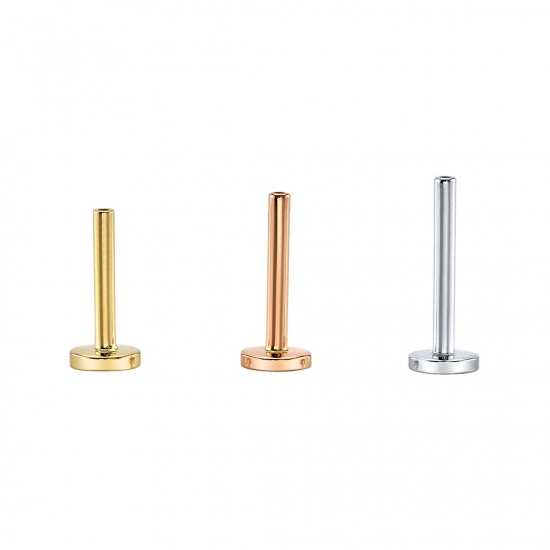
Every serious cartilage earring shares one feature: a flat-back, or labret-style, post. Instead of the sharp, protruding butterfly clutch you find on mall-kiosk studs, a flat disc sits flush against the back of your ear. That single design change is why flat-backs dominate every cartilage placement we pierce and style — the helix, forward helix, conch, flat, and tragus.
The flat disc means nothing pokes the side of your head, nothing catches your pillow, and nothing snags your hair. You can sleep on a fresh piercing without grinding a sharp clutch into delicate cartilage, which is the single biggest favor you can do a healing ear. Traditional butterfly backs also trap moisture and debris in their coils; a smooth flat back stays clean and lets the tissue settle. For both fresh piercings and long-term wear, flat-backs simply heal better and feel better.
Threadless vs. Internally-Threaded Flat-Backs
Flat-back jewelry connects in two safe ways, and we stock both.
- Threadless (press-fit): The decorative end has a small bent pin that friction-fits into a hollow post. It is endlessly swappable, sits perfectly flush, and is our go-to for curated-ear styling because you can change looks in seconds.
- Internally-threaded: The screw threads live inside the post, so only a smooth, polished surface ever passes through your piercing channel. Secure and time-tested, ideal for pieces you want to set and forget.
What we never use is externally-threaded jewelry, where exposed screw threads drag across the inside of the piercing every time it goes in or out. Those threads tear healing tissue and are a hallmark of low-quality body jewelry. At the Apollo shop, threadless and internally-threaded are the only flat-backs you will find.
Quality Metals: Titanium and Solid Gold
The metal matters as much as the design. We carry two tiers, and we will steer you to the right one for your ear.
Implant-Grade Titanium (ASTM F-136)
For any fresh piercing, and for anyone with sensitive or reactive ears, we recommend implant-grade titanium meeting the ASTM F-136 standard. It is nickel-safe, exceptionally biocompatible, lightweight, and the material body-jewelry professionals trust for initial healing. If metal allergies have plagued your past earrings, titanium is your answer.
Solid 14k and 18k Gold with Genuine Gemstones
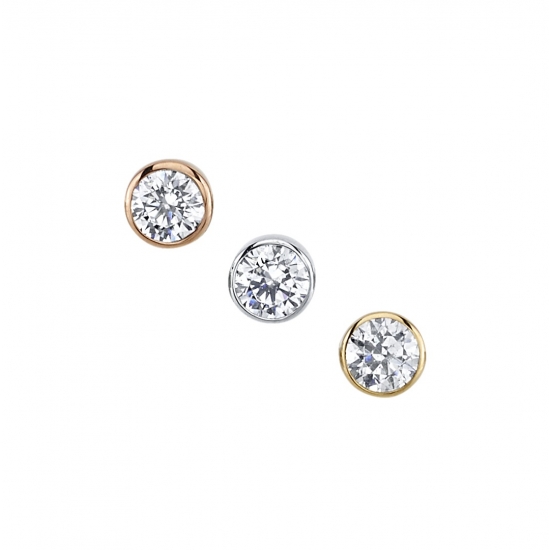
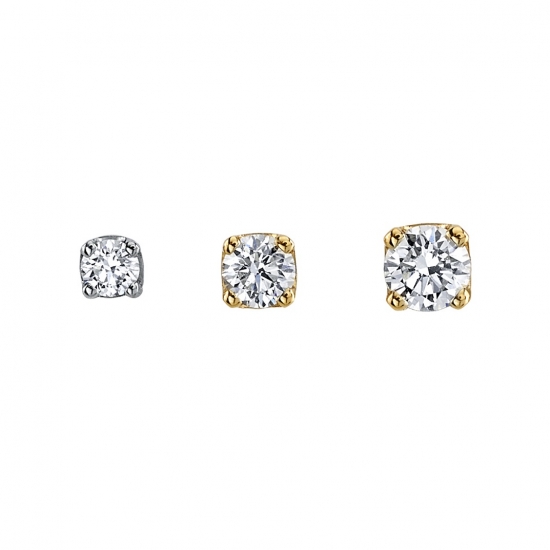
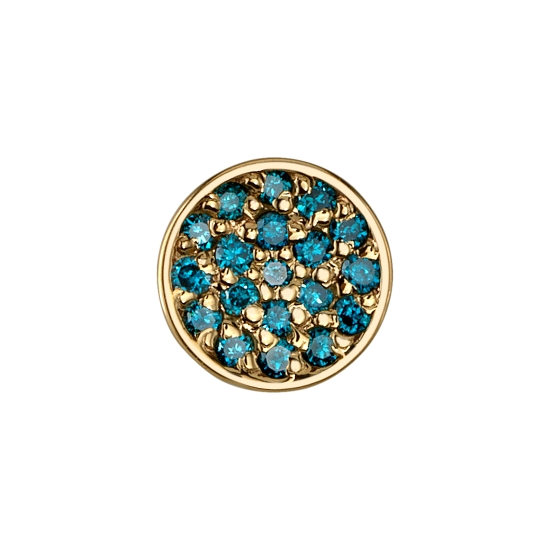
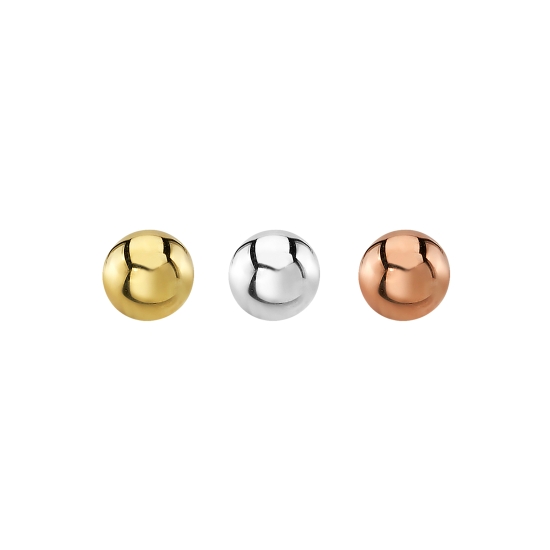
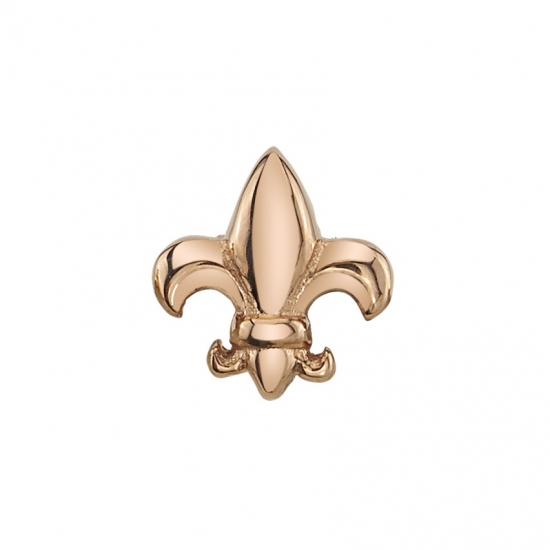
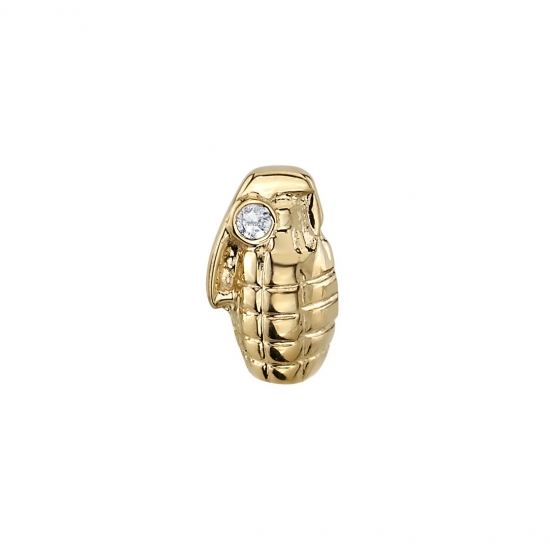
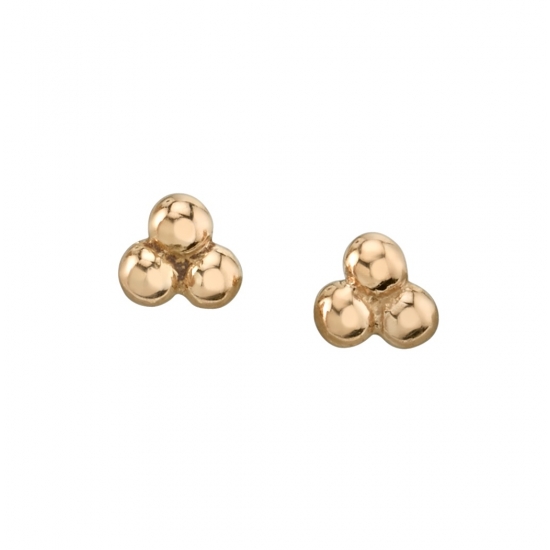
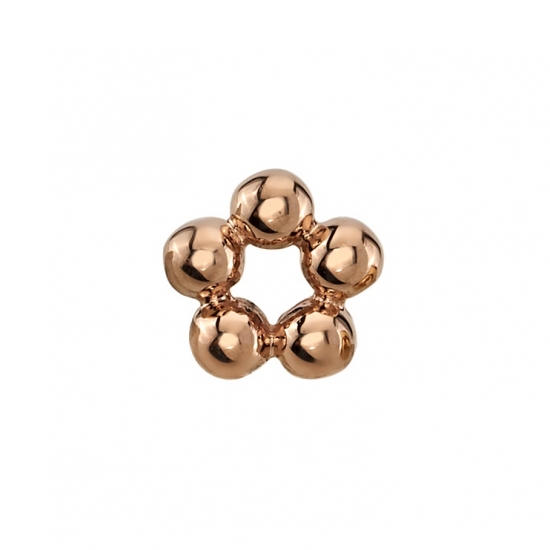
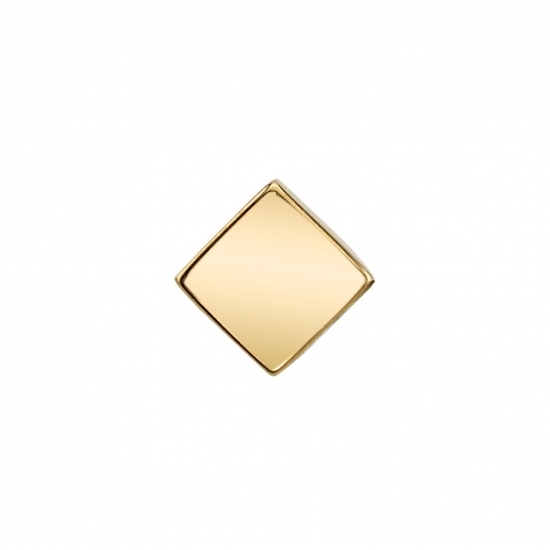
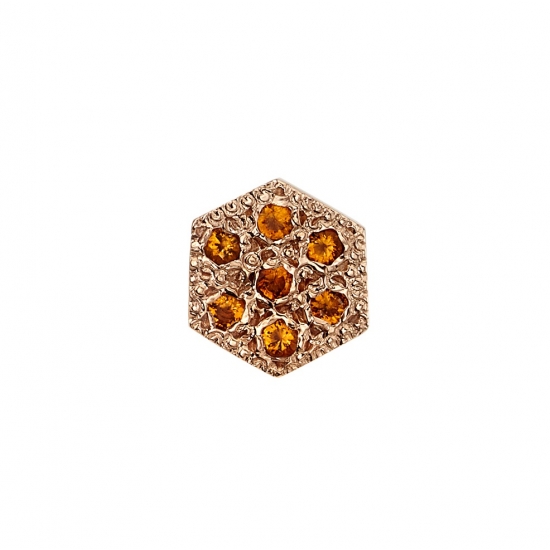
Once a piercing is fully healed, you can step into solid 14k and 18k gold from BVLA, set with genuine gemstones — not plated, not filled, but solid karat gold throughout. These are the heirloom-grade pieces: tiny clusters, marquise accents, prong-set diamonds, and bezel ends made to order in the metal and stone you choose. Because BVLA crafts each piece individually, your cartilage stud is genuinely your own.
Seam Rings and Hoops for Healed Cartilage
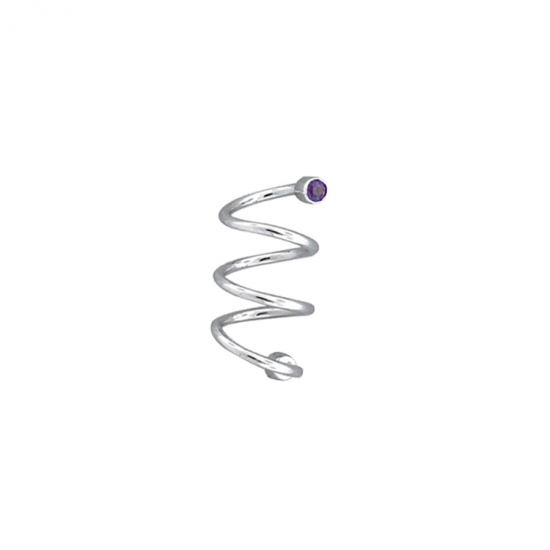
Studs are not the only option. For healed helix, conch, and tragus piercings, a seam ring or fixed-bead hoop adds a completely different line to the ear. We fit clicker and seam-style rings in titanium and solid gold, sized precisely to your anatomy so the hoop sits clean against the cartilage rather than gaping or pinching. Hoops are best added once initial healing is complete; for fresh cartilage we almost always start with a flat-back stud.
Gauge and Post Length: Why Fit Prevents Bumps
Most cartilage piercings are done at 16 gauge (16g), the common standard for helix, conch, flat, and tragus placements. Just as important as gauge is post length, and this is where a proper fitting earns its keep.
A fresh piercing needs a slightly longer post to leave room for the natural swelling that comes with healing — that is the healing length. Once swelling subsides, a too-long post lets the jewelry rock, snag, and press at odd angles, which is a leading cause of irritation bumps. Downsizing to the correct healed length keeps the stud snug and stable. The right gauge and the right post length, in the right metal, are the three things that keep cartilage calm.
Curated-Ear Styling and Your In-Studio Fitting
A curated ear is the art of composing multiple cartilage points into one cohesive look — mixing studs, rings, and connecting chains across the lobe, helix, conch, and tragus until the whole ear reads as a single piece of jewelry. Because BVLA pieces are made to order, we can balance metals, stone sizes, and spacing to suit your anatomy.
Every purchase includes a complimentary in-studio fitting. We measure your existing piercings, confirm gauge and post length, swap ends safely, and make sure each piece sits flush and comfortable before you walk out. Browse the Apollo shop, then book a fitting and let our piercers build your ear with you.
Frequently asked questions
What are flat-back earrings and why are they better for cartilage?
Flat-back (labret) earrings use a smooth, flat disc behind the ear instead of a protruding butterfly clutch. That flush back means no poking, no snagging on pillows or hair, and far easier sleeping and healing. It is the design every professional piercer reaches for on cartilage placements like the helix, conch, and tragus.
What gauge are cartilage earrings?
Most cartilage piercings and the earrings that go in them are 16 gauge (16g), the standard for helix, forward helix, conch, flat, and tragus. Some placements vary, so we confirm your exact gauge during your fitting. Wearing the correct gauge keeps the piercing stable and comfortable.
What metal is safe for a new cartilage piercing?
For fresh or sensitive ears, we use implant-grade titanium meeting the ASTM F-136 standard. It is nickel-safe, highly biocompatible, and the material trusted for initial healing. Solid 14k and 18k gold is a beautiful option, but it is best reserved for piercings that are fully healed.
Threadless or threaded — what should I choose?
Both threadless (press-fit) and internally-threaded flat-backs are safe and excellent, so it comes down to preference. Threadless ends swap fastest and are ideal for curated-ear styling; internally-threaded pieces screw securely for set-and-forget wear. We never use externally-threaded jewelry, because exposed threads drag across and irritate the piercing channel.
Can I wear a hoop in cartilage?
Yes, once the piercing is fully healed. We fit titanium and solid-gold seam rings and clicker hoops, sized precisely so they sit clean against the cartilage. For a fresh piercing we almost always start with a flat-back stud and move to a hoop later, after healing is complete.
Can you fit a flat-back to my existing piercing?
Absolutely. Bring in your healed cartilage piercing and we will measure the gauge and post length, then fit a BVLA flat-back stud, ring, or chain to it. The complimentary in-studio fitting makes sure every piece sits flush and comfortable before you leave.
Why does my cartilage stud have a bump?
Irritation bumps are most often a fit problem, not an infection. A post that is too long lets the jewelry rock and press at odd angles, and externally-threaded or low-quality metal makes it worse. Downsizing to the correct healed length in implant-grade titanium usually settles the tissue — bring it in and we will assess the fit.