

What Baby Ear Piercing Really Means
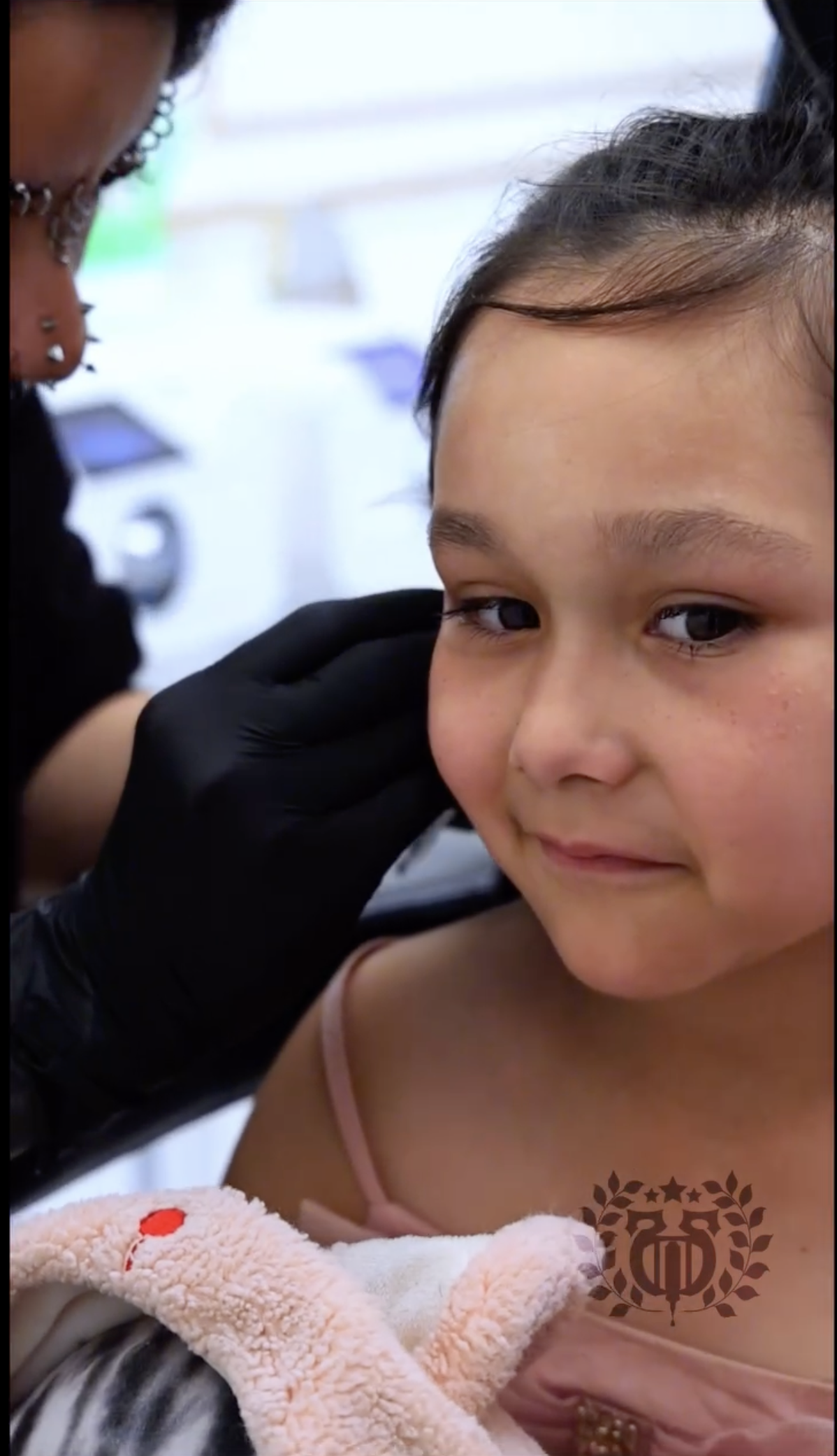
Baby ear piercing is the process of creating a small opening in the earlobe for jewelry. At Apollo, this is always done with a sterile, single-use hollow needle — never a piercing gun, which can cause unnecessary trauma. The procedure is quick, precise, and carried out by trained professionals in a controlled, child-safe environment.
Why Parents Decide to Pierce
Many parents choose to pierce their baby’s ears for reasons that go beyond appearance. For some, it’s a cultural tradition or religious custom passed down through generations. For others, it marks a meaningful family milestone or is given as a special gift.
Cultural practices vary worldwide:
- Latin American families often pierce newborn ears shortly after birth.
- Indian traditions may include ear piercing ceremonies as part of early life celebrations.
- African and Middle Eastern cultures sometimes view ear piercing as a rite of passage or symbol of identity.
Whether it’s about honoring heritage, celebrating a special moment, or simply starting a new tradition, the choice is deeply personal, and we’re here to make sure it’s done as safely and comfortably as possible.
Best Age for Infant Ear Piercing

Choosing the right time for your baby’s ear piercing is more than just picking an age. It’s about balancing safety, healing, and your family’s personal or cultural preferences.
Quick Answer: When Can Babies Get Their Ears Pierced?
The American Academy of Pediatrics (AAP) states that cosmetic ear piercings can be performed at any age. Still, they recommend waiting until your baby can help care for their own piercing to lower infection risk. Many parents choose earlier ages for cultural traditions, family milestones, or simply to have it done before their child becomes more aware of discomfort.
Recommended Age Ranges
Each age comes with its own set of things for you to think about as a parent. Here’s what you can expect if you choose to pierce your child’s ears at different stages.
- Infants (0–6 months)
Common in many cultures. In the U.S., some parents prefer to wait until initial vaccinations are complete. Babies as young as 2 months can get their ears pierced. At this age, babies may sleep through part of the process, but aftercare for those little ears falls entirely on the parent. - 6–24 months
Often called the “sweet spot.” The immune system is stronger, healing can be smoother, and most children forget the brief discomfort quickly. They may also be less likely to touch or tug at their ears compared to toddlers. - 2 years and older
Communication is easier, so you can explain what’s happening and why. The trade-off is that older children may anticipate the pinch, feel more nervous, and remember the experience more vividly.
Always Consult a Pediatrician
Your pediatrician can confirm the safest timing based on your child’s health, vaccination status, and healing ability. So, call your pediatrician to know if the piercing is safe and make an informed decision. This is especially important for newborns, premature babies, or children with chronic health conditions.
Signs Your Baby Is Ready
Before you make the final decision, it’s important to look at more than just your child’s age. Their overall health, ear anatomy, and ability to avoid touching the new piercing all play a big role in how well they’ll heal. A few simple indicators can help you feel confident that the timing is right:
- Vaccinations are up to date.
- No recent illness or ongoing health issues.
- Earlobes are fully formed, symmetrical, and free of skin conditions.
- Your child can leave the ears alone long enough for proper healing.
Choosing the Right Age: Pros and Cons
As a parent, you want to choose a time that feels right for your child’s first ear piercing. Ear piercing is a milestone for your child. But it’s not just about the number of months or years before your child can have pierced ears. Health, emotional readiness, and how smoothly the experience will go all matter in considering ear piercing. Each stage comes with its own benefits and challenges.
Infants (0–6 Months)
Many parents choose to have their baby’s ears pierced for cultural or family traditions. Healing for infant ear piercing can be quick, but you will be responsible for all aftercare.
Pros:
- Aligns with many cultural and religious customs.
- Often heals faster when cared for correctly.
Cons:
- Higher risk of infection with a less developed immune system.
- All cleaning and monitoring are up to you.
Toddlers (6–24 Months)
This age is often a favorite because the immune system is stronger, and children are usually less aware of the process.
Pros:
- Better-developed immune system helps with healing.
- Less likely to pull at or remove earrings.
Cons:
- Some children may fidget or resist during the procedure.
Preschoolers (2–5 Years)
Children can understand what’s happening, but they may also become more anxious once it’s explained.
Pros:
- Easier to prepare your child and gain cooperation.
- Can help with simple aftercare steps under your guidance.
Cons:
- More likely to remember the pinch.
- Fear or hesitation may occur before the appointment.
School-Age Children (6+ Years)
Older children can take on more responsibility for care and clearly communicate how the piercing feels.
Pros:
- Can follow aftercare routines with reminders.
- Able to describe discomfort or concerns.
Cons:
- May feel self-conscious if a few peers have piercings.
In California, minors of any age need parental consent for ear piercings. This means you’ll need to be present and provide the proper identification before your child can be pierced.
THINKING ABOUT YOUR BABY’S EAR PIERCING?
APOLLO TATTOO & PIERCING STUDIO IS LOS ANGELES’ TRUSTED STUDIO FOR KIDS EAR PIERCING
👶 Trusted by 5000+ families 🌟 4.9 Google Rated 🧼 APP-Certified & Child-Safe
💬 Have questions? Call us anytime to speak with a piercer or visit our kids’ piercing FAQ