
Every major tattoo research intent now has one clean entry point instead of a flat blog dump.
Evergreen tattoo discovery hub
Ink-Formation
Tattoo Ideas, Meanings, Styles & Practical Guides
Explore Apollo's tattoo research hub for meanings, style guides, design ideas, pricing guidance, cover-up advice, and first-timer resources. Start with inspiration or practical questions, then move into the right artist, consultation, or booking path.
Planning, style, design, and artist-fit topics are surfaced with clearer summaries and next steps.
Phone, hours, address, and booking stay centralized instead of getting hardcoded into the page.
Intent-based architecture
Browse the Collection
These six top-level lanes translate Apollo's content system into user-facing choices. Each one owns a distinct intent, links into the right child pages, and keeps service-page keywords from getting muddied by editorial content.
Governed hub layout Intent-based lanes
Meanings & Symbolism
Understand common tattoo symbols, stories, and visual meanings so your design feels personal and intentional before you decide on a style or placement.
- Rose Tattoo Meaning
- Medusa Tattoo Meaning
- Snake Tattoo Meaning
- Swallow Tattoo Meaning
- Three Arrows Tattoo Meaning
Tattoo Styles
Compare tattoo styles by look, line quality, detail level, subject fit, and the kind of artist match they usually require.
- Fine Line Tattoos
- Realism Tattoos
- Watercolor Tattoos
- Ornamental Tattoos
- Traditional Tattoos
- Blackwork Tattoos
- Neo-Traditional Tattoos
Tribal should stay de-emphasized until it is rewritten with stronger cultural context and respectful framing.
Tattoo Ideas
Start with subjects and concepts, then narrow the design through meaning, style, placement, and personalization.
- Rose Tattoo Ideas
- Dragonfly Tattoo Ideas
- Skull Tattoo Ideas
- Butterfly Tattoo Ideas
- Koi Fish Tattoo Ideas
- Wildflower Tattoo Ideas
- Word Tattoo Ideas
First Tattoo & Practical Guides
Get clear, reassuring guidance on what to expect, how to plan, and how to make a confident decision before you move into a consultation or booking path.
- How to Prepare for a Tattoo Appointment
- Tattoo Consultation Guide
- Tattoo Pricing Guide
- Tattoo Pain by Placement
- Tattoo Aftercare Guide
- How to Choose the Right Tattoo Artist
- Walk-In Tattoo Guide
- Cover-Up Tattoo Guide
Featured Reads
Fresh Apollo articles, cultural reads, trend pieces, and seasonal content that support the evergreen hubs without replacing them.
- Kink N Ink
- AI and Tattoos
- Couples Tattoos
- Dads With Tattoos
- Seasonal / holiday pieces
Editorial reads should always link back into meanings, styles, ideas, or artist-fit pages.
Need Help Choosing?
Move from inspiration into a decision with artist-fit help, consultation guidance, and a cleaner next step when you are ready to talk to Apollo.
Rebuilt from the old article stack
Featured Guide Stack
This stack replaces the old alternating blog blocks with stronger, intent-matched modules that support browsing, reduce anxiety, and move visitors naturally into the next best page.
6 to 8 key modules Mixed intent coverage
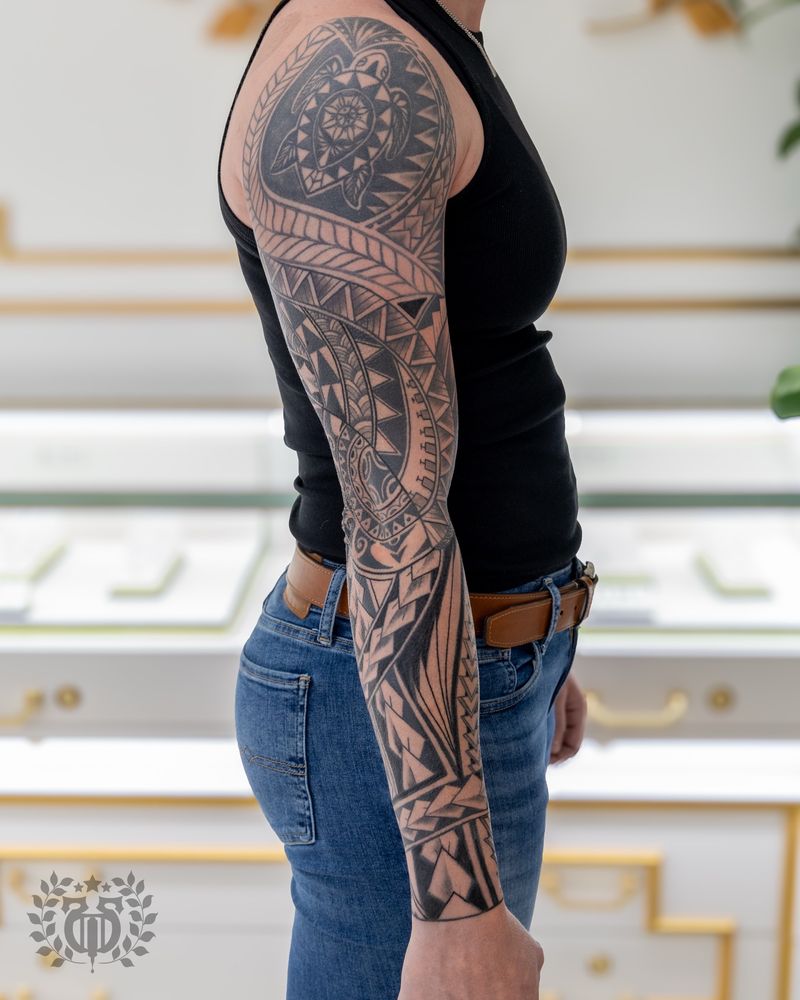 Planning & repair
 Cover-Up Tattoos
Start here when someone wants to replace old ink instead of layering another rushed idea on top. The page should explain what makes a cover-up viable, how design choices change the outcome, and why artist experience matters more than generic before-and-after promises.
Read the cover-up guide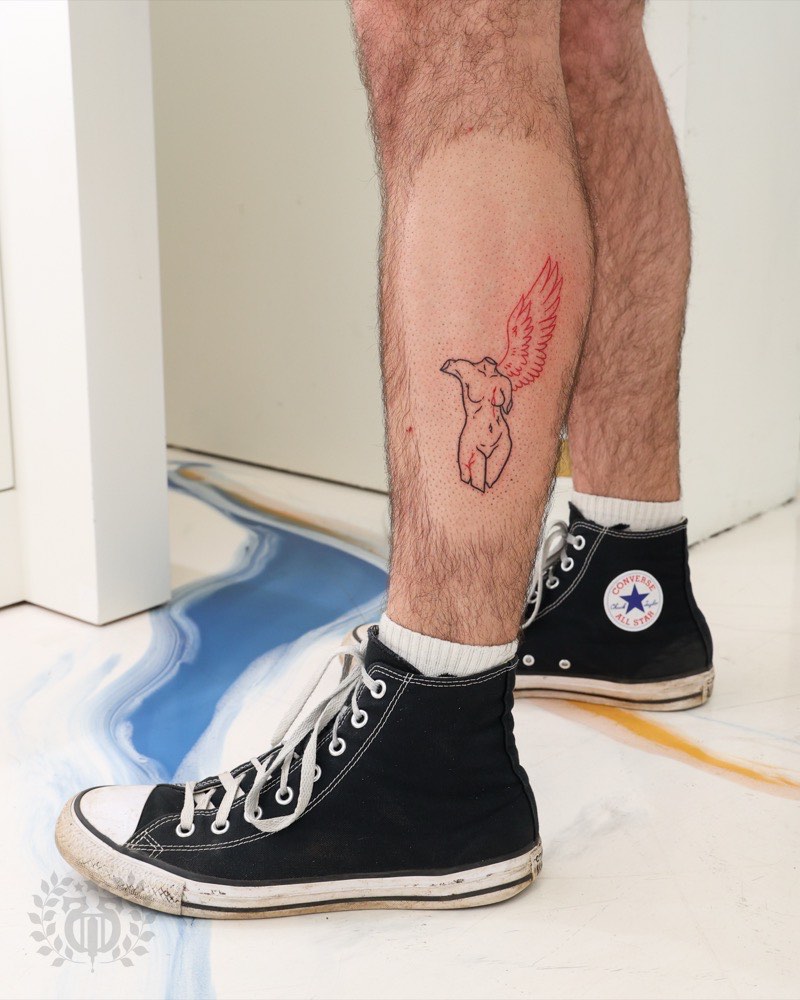 Precision style guide
 Fine Line Tattoos: Style Guide, Design Tips, and Choosing the Right Artist
This should become Apollo's stronger fine line destination by combining style education, design fit, longevity notes, and artist-selection criteria into one cleaner page. It should help a visitor decide whether fine line is truly right for their idea before they commit.
Explore fine line tattoos High-detail tattooing
 Realism Tattoos
Realism belongs in the feature stack because people need help understanding why lifelike work requires different planning, stronger reference material, and a narrower artist fit than many other tattoo styles. The module should route them into deeper style and artist pages, not stop at admiration.
Compare realism styles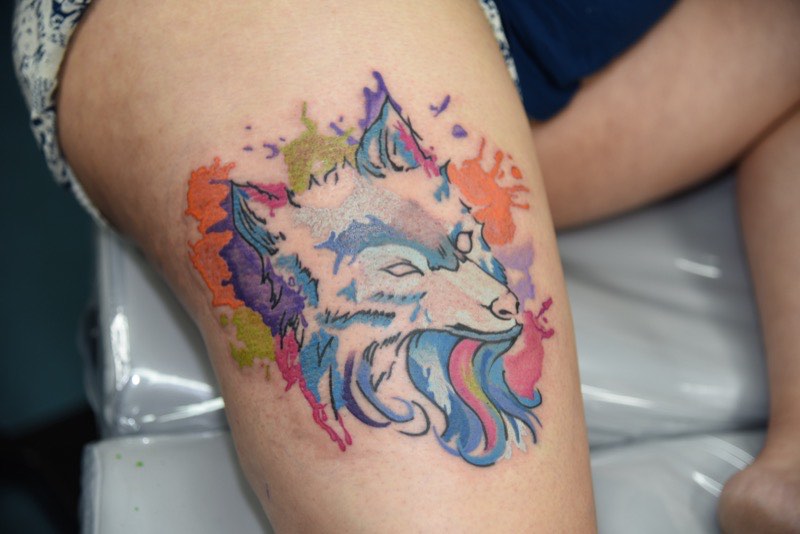 Color & movement
 Watercolor Tattoos
Watercolor works well as an inspiration-to-decision module because the style is visually appealing but still needs practical explanation. The page should cover visual character, subject fit, artist requirements, and when a visitor may want a more structured alternative.
Explore watercolor tattoos Budget with clarity
Tattoo Pricing Guide
Pricing guidance should answer one of the first real questions a cautious visitor has: what affects the cost, where complexity changes the quote, and why vague price shopping rarely leads to a good fit. This module belongs in the main stack because it lowers anxiety and improves lead quality.
Planned pricing guide rewrite Expectations & planning
Tattoo Pain by Placement
Pain education should be plainspoken, calm, and useful. Instead of hype, this module needs to explain what changes the experience, why location matters, and how first-timers can prepare mentally without feeling intimidated or misled.
Read the pain guide Healing support
Tattoo Aftercare Guide
Aftercare deserves a stronger evergreen page than a throwaway checklist. This module should help people understand healing stages, what normal recovery looks like, when to contact the studio, and how good aftercare protects the long-term quality of the work.
Planned practical guide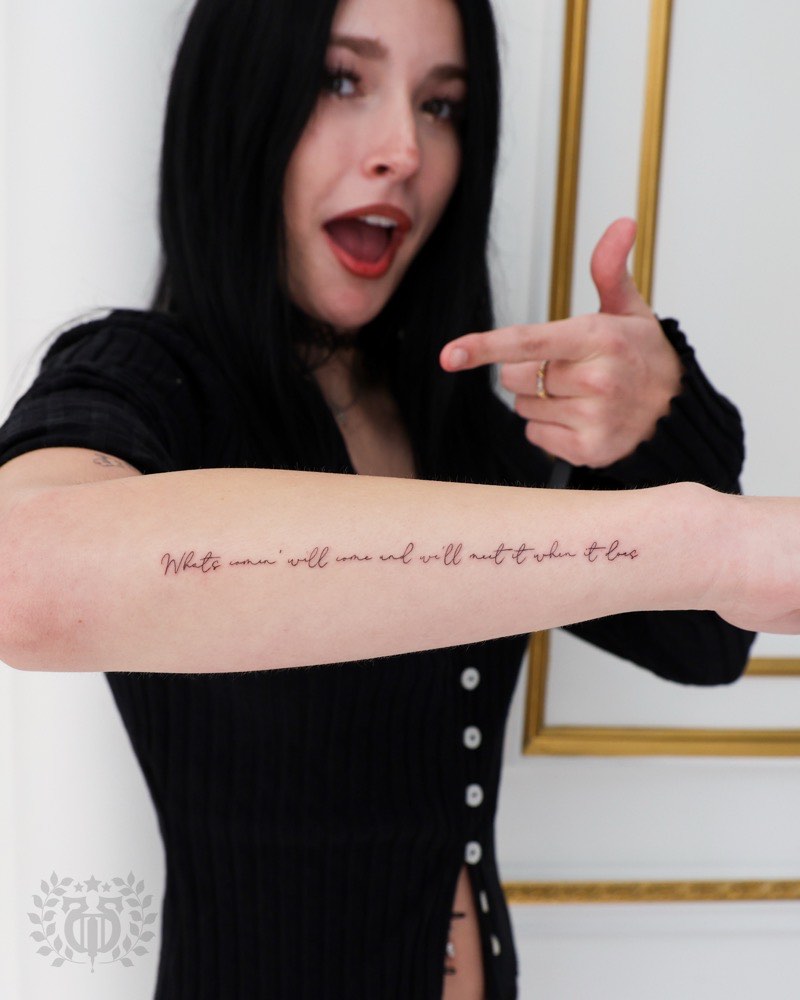 Words & lettering
 Word Tattoo Ideas & Cursive Lettering
This module should pull word-tattoo intent into one clearer destination that covers message selection, typography, readability, scale, placement, and stylistic options like cursive script. It helps visitors move from a vague quote idea into a more intentional design brief.
Planned lettering hub rewriteVisible FAQ content
Questions People Ask Before They Book
This FAQ block belongs near the lower mid-page so first-timers can clear the biggest hesitation points before they jump into an artist page or consultation path.
How do I choose the right tattoo style?
Start with the subject matter and the feeling you want the tattoo to have, then compare styles by line quality, detail level, scale, and how they age in the placement you have in mind. If the design is personal but still vague, move from the styles lane into one of the comparison or artist-fit pages.
How do I know which tattoo artist is right for my idea?
Look for repeated proof in the exact style you want, not just one strong image in a mixed portfolio. The best match usually comes from a combination of style experience, subject fit, healed-work quality, and whether the artist communicates clearly about planning and placement.
What should I know before my first tattoo?
Focus on design fit, placement, pain expectations, healing time, and artist selection first. A good first tattoo plan makes the decision feel calmer, not more pressured, and it gives you enough context to ask better questions during a consultation.
How is tattoo pricing determined?
Pricing changes with size, complexity, placement, color use, session time, and the level of specialization the design requires. The goal of a pricing page is not to force one price point, but to help someone understand what actually moves the quote up or down.
Can I book a consultation before I decide?
Yes, and for many custom pieces that should be the next step. The hub is designed to help someone get informed first, then move into a consultation path when they know enough to talk clearly about style, placement, and the kind of artist they want.
Mid-page decision support
Need Help Choosing?
This section is where the page shifts from browsing into decision support. It keeps the next step obvious without turning the whole hub into a hard-sell service page.
Mid-page help CTA Artist-fit support
Find the right artist
Start with artist fit when the idea is strong but the person is still unsure who should execute it. Route style-heavy visitors toward the artist page that best matches their concept.
Start a consultation path
Use consultation guidance when someone has enough information to ask better questions but is not ready for a pure booking flow yet. That keeps the lead quality strong and lowers drop-off from uncertainty.
- Request a custom consultation
- See custom tattoo services
- Walk-in tattoo guide
How the hub connects forward
Each child page should link back to its lane hub, across to one or two close alternatives, and down to the single next-step page that makes sense for that intent. That keeps the experience exploratory without becoming circular or cannibalistic.
- Style pages route toward artist-fit or consultation.
- Meaning pages route toward idea pages and custom design.
- Planning guides route toward consultation or service pages.
Localized trust without cannibalization
Local Trust & Supportive Paths
This block keeps local credibility visible without turning the hub into the primary local money page. Verified contact and booking details come from Apollo's shared data layer.
Studio details from the verified source
Consultation and booking actions
This production page pulls phone, hours, and booking actions from Apollo's centralized data instead of page-level hardcoding.
Supportive cross-links
These links support the broader studio journey without taking over the page. They belong near the bottom as optional next steps, not as top-level lanes.
Clear final action
Ready to narrow it down?
Start with the topic lane that matches the question you have now. From there, move into the best child page, the right artist, or a consultation path when your idea feels specific enough to discuss.