Your tongue tip is two halves of muscle that move independently of each other. A snake eyes piercing is a single bar passing side to side through that tip, pinning the two halves together, with a bead showing at each end. That is a mechanical change to how the tip works, not a decorative addition to it, and it sits the jewelry directly against the backs of your lower front teeth. Both of those facts drive documented problems: tissue splitting toward the front edge of the tongue, and enamel wear on the teeth the beads rest against.
So this page is arranged risks first, and the alternatives get their own section rather than a footnote. Plenty of studios decline this placement outright. We do not refuse it as a blanket rule, but we will have an honest conversation about whether your anatomy and your life make it a sensible thing to do, and we will counsel you against it when we think the risks outweigh what you want from it. If you go ahead, it is implant-grade titanium, a starter bar sized for heavy swelling, and a downsize visit that matters more here than on anything else we pierce. Informed consent is the service.
Book Your Snake Eyes Consultation 5000+ clients
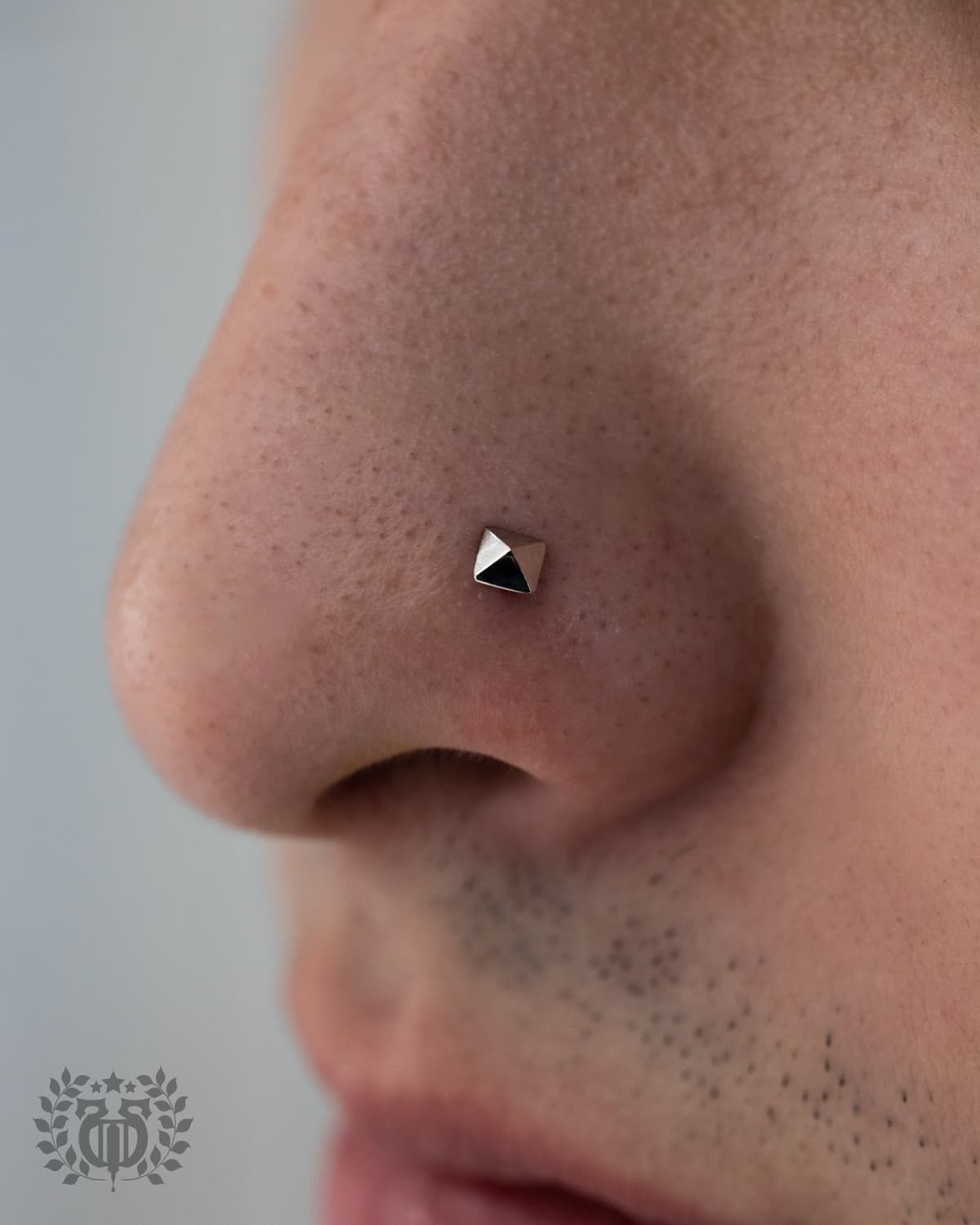
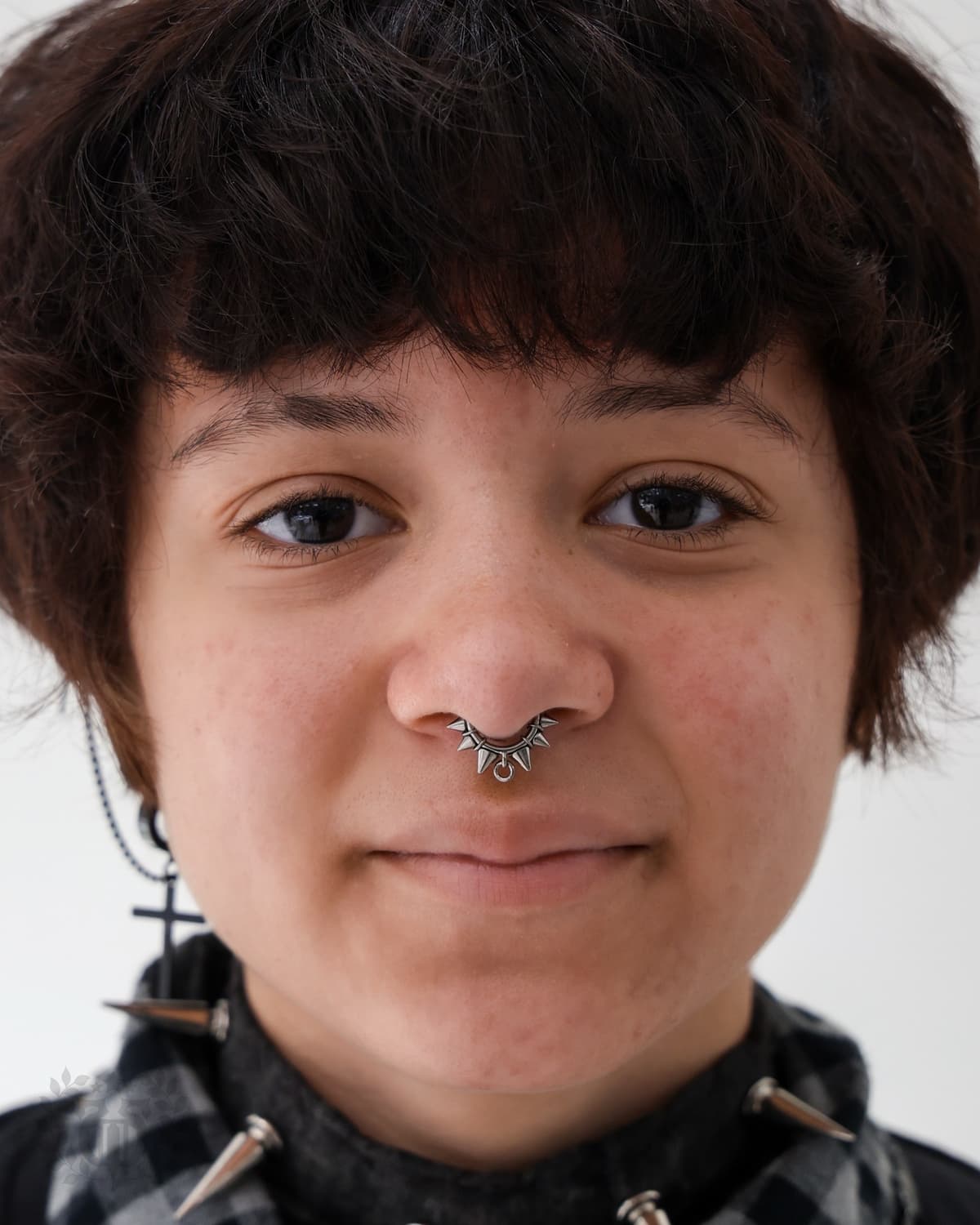
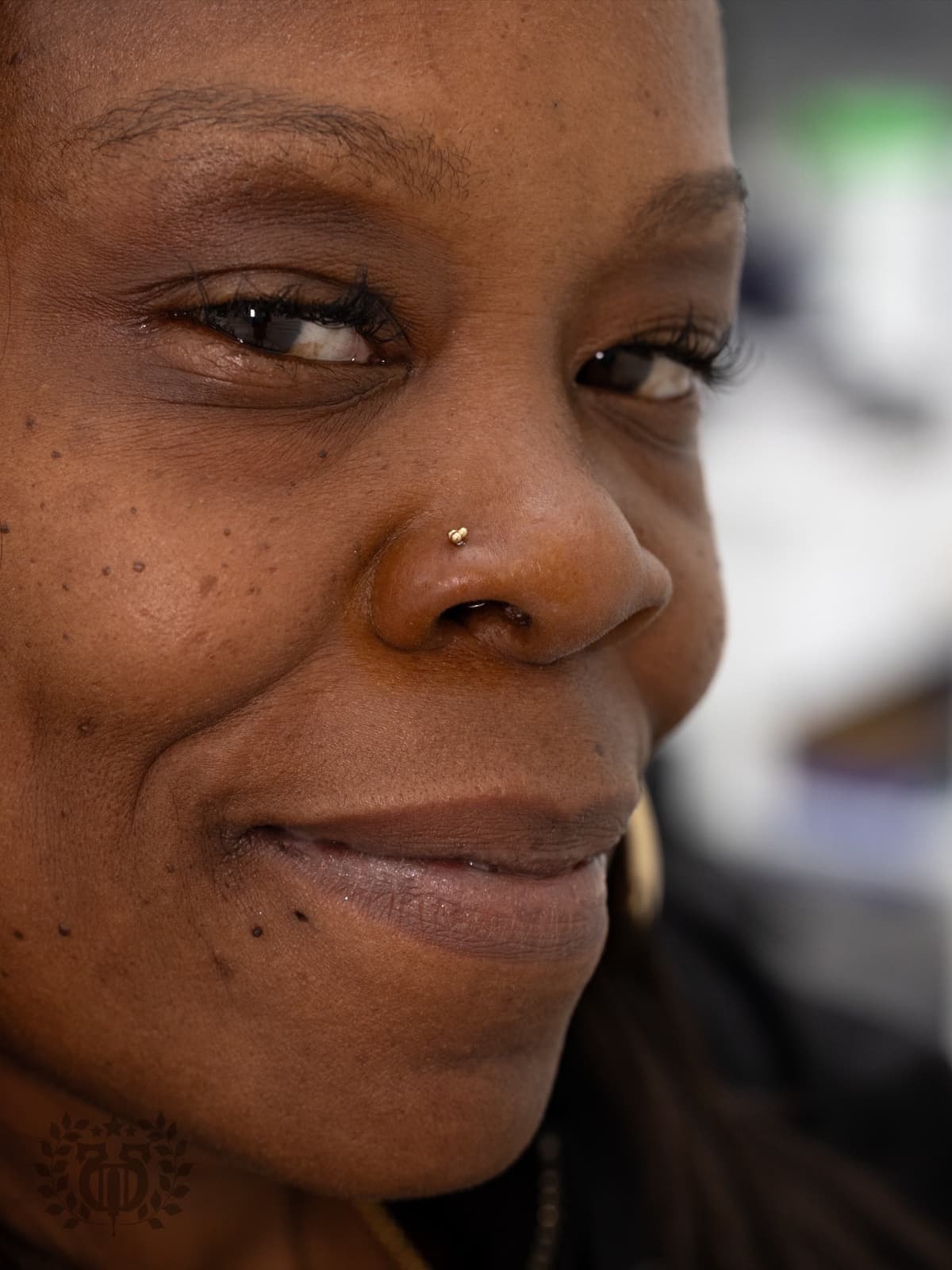
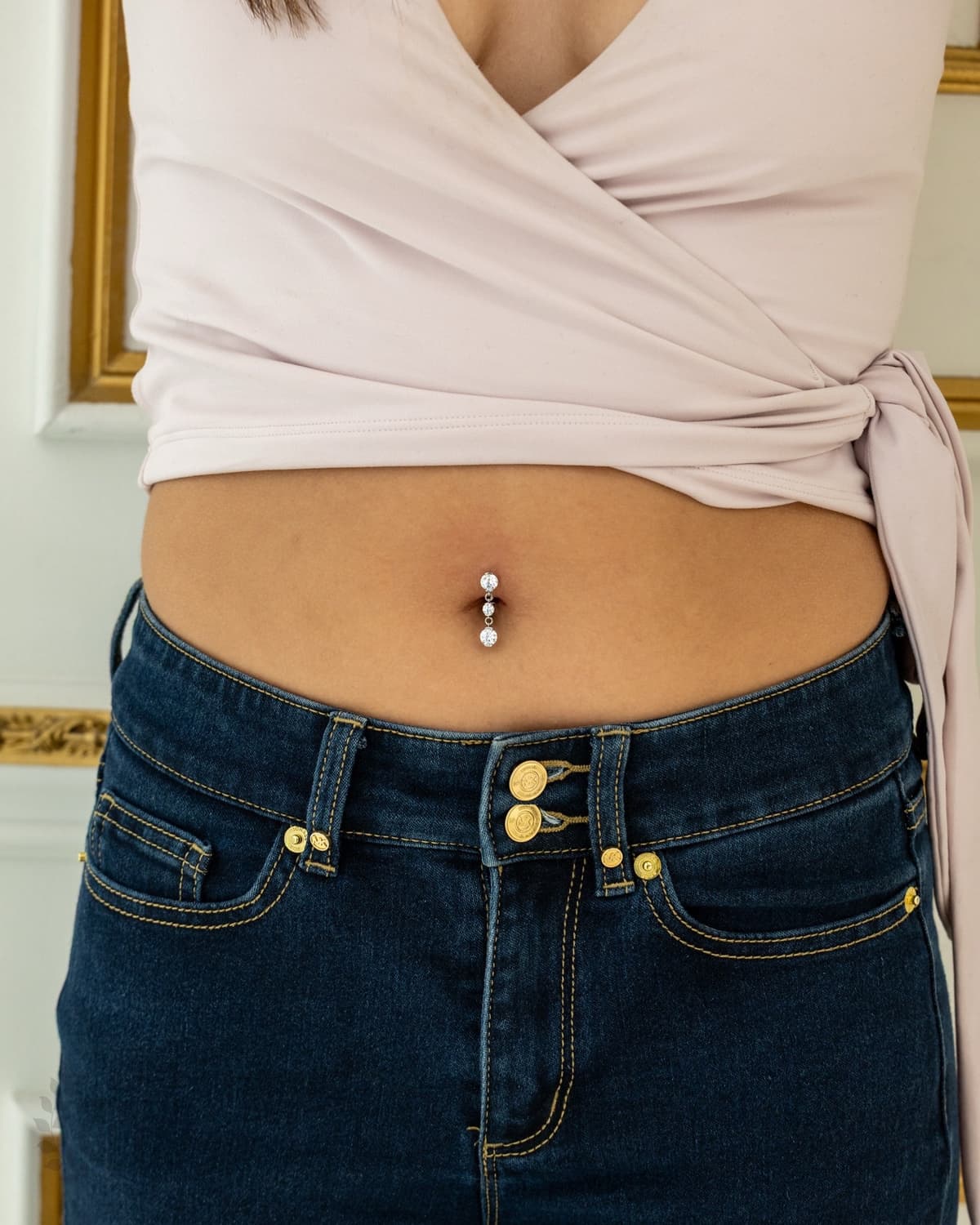
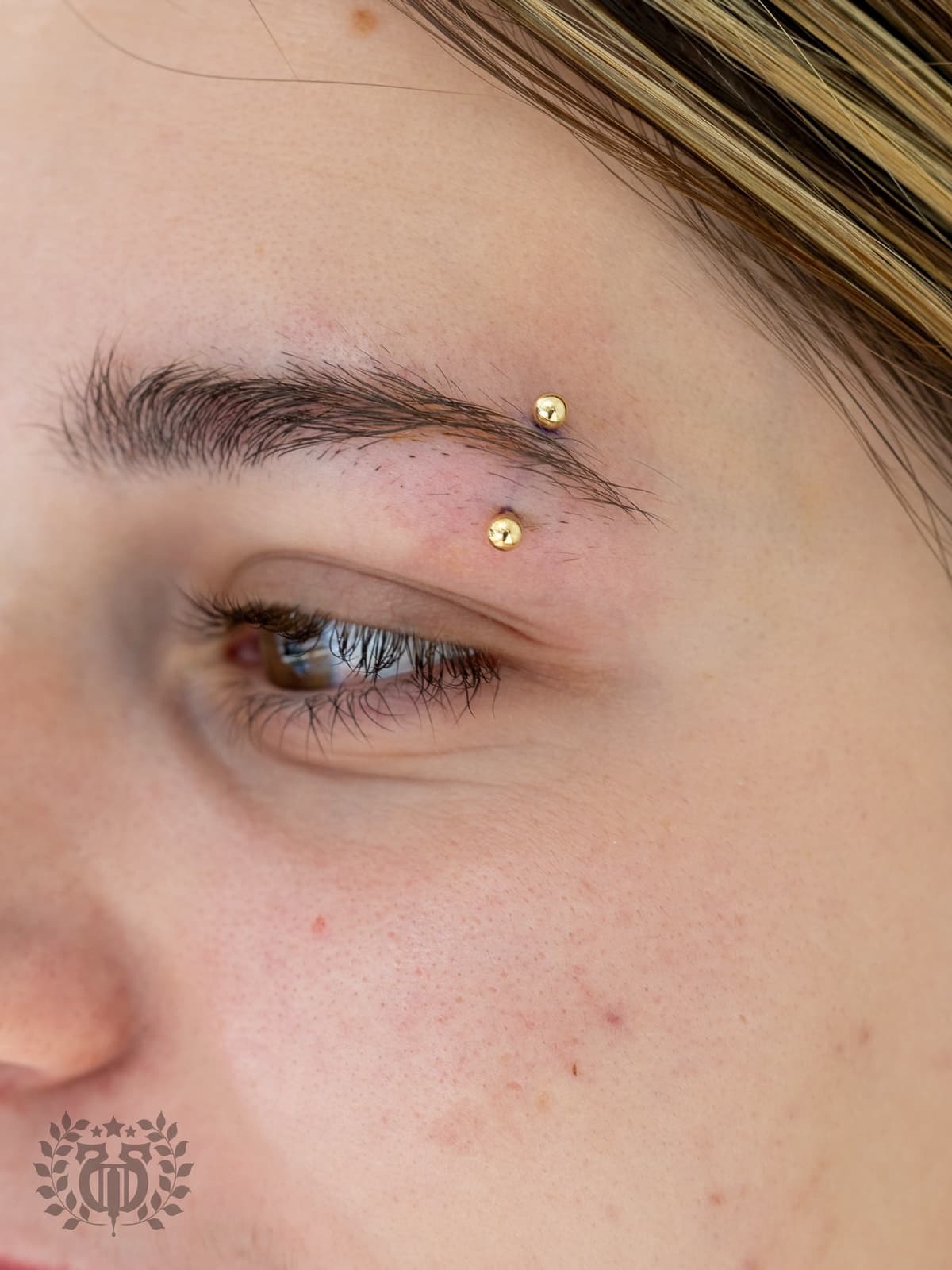
Before the risks, the mechanics, because one explains the other
Stick your tongue out and wiggle just the tip. Notice that it does not move as one lump. The tip is two halves of muscle with a shallow groove down the middle, and they work semi-independently. That is what lets you curl one edge, flick sideways, or shape the fine consonants that need a fast, precise tip.
A snake eyes bar runs straight across those two halves and joins them. Not through the body of the tongue like a midline piercing, which passes front to back through one continuous mass. Across, at the end, tying two moving parts together with a rigid piece of titanium. Everything else on this page is a consequence of that sentence.
Consequence one: the channel has a great deal of tissue behind it and very little in front, because the front is where your tongue stops. Consequence two: the bar is now the widest fixed object in the most mobile part of your mouth, and it parks in the space your tongue tip occupies by default, which is behind your lower front teeth. Consequence three: because the bar crosses two muscles rather than travelling through one, the body treats it as more of an intrusion and heals around it slowly. Four to six months for full internal healing rather than the two or three a midline bar asks for.
None of that makes it impossible. It does make it different in kind from the other tongue piercing people compare it to, and it explains why studios that will happily pierce a midline all day will decline this one. The name suggests a variation on a theme. The anatomy says otherwise.
Read this section before the pretty photographs. It is the reason the rest of the page exists.
Two problems define this piercing, and neither is a rare complication. They are the expected behaviour of putting a bar where this one goes.
The first is splitting. Every piercing needs tissue on both sides of the channel holding it in place. A bar through the tongue tip has the body of the tongue behind it and not very much in front of it, because the front is where the tongue ends. Ordinary use, and there is a great deal of ordinary use in a tongue, works the jewelry gradually toward that free edge. The two holes creep forward, the strip of tissue in front of them thins, and in the worst version it gives way entirely. That process is slow, painless while it happens, and visible weeks before it becomes a problem if somebody has told you to look for it.
The second is your teeth. Rest your tongue right now and notice where the tip sits: against the backs of your lower front incisors. That is its default parking spot, and it returns there hundreds of times a day. Put a bead on each side of the tip and the beads take up that position instead, sliding across enamel with every word and every swallow. Enamel is harder than titanium and loses anyway, because hardness is not the issue when the contact is constant and the material never repairs itself. The gum margin behind those same teeth takes the same treatment, and it is already the area dentists watch hardest for recession.
Behind both sits a third thing that is easy to miss. This bar crosses two halves of muscle rather than passing through one, which is why it heals more slowly than a midline tongue piercing and why the body pushes back on it harder. Slower healing means a longer window in which all of the above is happening to tissue that has not settled yet.
What actually reduces the risk, in order: a bar cut short once your swelling has gone, low-profile or bioplastic ends rather than standard beads, and a tongue tip with enough thickness to hold the bar properly in the first place. What does not reduce it is being careful. None of these things are under your conscious control, which is why we would rather talk about the mitigations than reassure you.
A bar sitting near the free edge of the tongue has tissue on only one side of it. Ordinary movement pulls the jewelry toward that edge over months, the holes creep forward, and the strip of tissue in front of them thins. That is the failure mode this placement is known for.
Your tongue tip rests behind those teeth most of the day. Beads placed on the tip rest there instead, and move across the enamel with every word. Enamel does not grow back, and this contact is constant rather than occasional.
Same mechanism, softer target. The margin behind your lower incisors is thin and already the spot dentists watch most closely for recession. A bead resting against it all day does not help.
A midline bar runs through the body of the tongue front to back. This one runs across two halves of muscle that move independently, which is why the body resists it more and why healing runs long.
The tongue tip does the fine work in speech and in shifting food around your mouth. Pinning it changes that slightly. Most people adapt inside a month. A minority notice a small permanent difference, and they should have been told that in advance.
Splitting, tooth contact and gum wear all scale with how much slack is in the jewelry. Which is why the downsize visit is not an upsell on this page, it is the mitigation.

Apollo's Premium Jewelry Partner
Handmade in Los Angeles since 1996. Lifetime guarantee. Implant-grade gold, platinum, and titanium. Over 3,000 original designs in our case — ask your piercer for a tour.
See the BVLA story →Most people who arrive wanting snake eyes want one of two things, and there is usually a gentler route to both
Ask what somebody actually wants from a snake eyes and the answer is nearly always one of two things. Either they want visible jewelry on the tongue tip, or they want the two-bead symmetry of it. Worth separating those, because the routes to each are different and both are easier on your mouth than the original request.
If it is the placement you want, a standard midline tongue piercing sits further back through the body of the muscle rather than across the tip. Tissue on all sides, no beads parked against your lower incisors, and a healing course measured in weeks rather than months. It is the most common thing we suggest, and the people who take it up are not settling for less so much as getting the same piercing without the two failure modes bolted on.
If it is specifically the two beads showing that appeals, two separate piercings placed near the tip achieve that look without joining the halves of the tongue together. Each has its own channel with tissue around it, each can be sized independently, and if one gives you trouble you deal with one rather than losing both. It costs more and it is two heals rather than one. It also removes the splitting mechanism entirely, because nothing is pinning across the free edge.
And there is a third answer that people forget is on the table: wait. Tongue tips do not change much, but circumstances do. If you are mid-way through orthodontic work, if your dentist has already flagged wear or recession on your lower front teeth, or if you have a job where a lisp for a fortnight would be a genuine problem, none of those are permanent conditions. The piercing will still be available later.
A single horizontal barbell through the tip of the tongue. Two visible beads resembling snake eyes when extended. High-risk placement requiring honest consultation about tooth wear, gum recession, and migration.
Classic vertical midline tongue piercing. Lower-risk alternative to snake eyes — most common tongue placement and what we often recommend for first-time tongue piercings.
Two vertical piercings side-by-side on the tongue. Bold paired look. Lower dental risk than snake eyes but still requires careful jewelry selection.
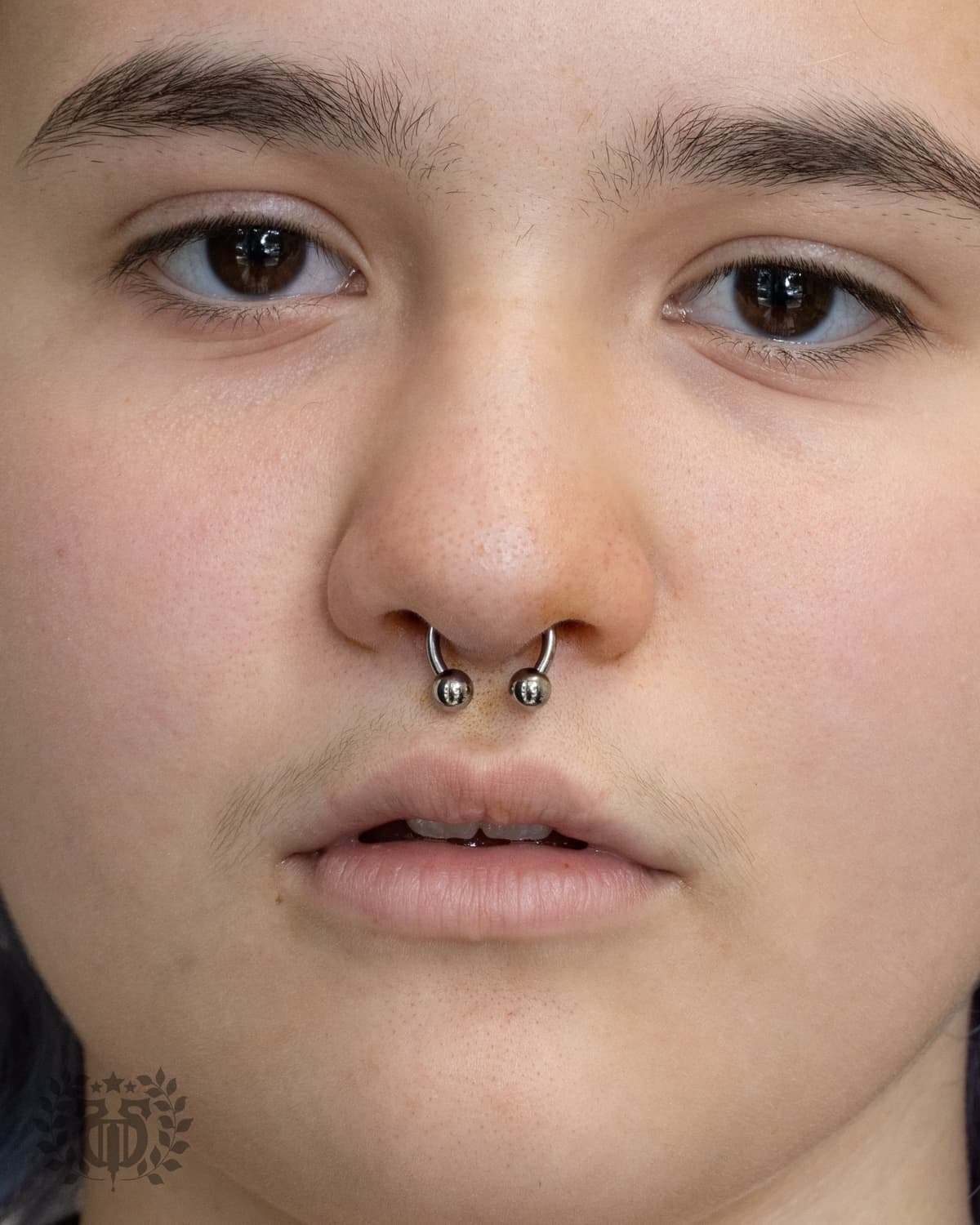
Placed through the webbing under the tongue. Discreet, often a better choice than snake eyes for clients seeking an oral piercing with lower risk profile.
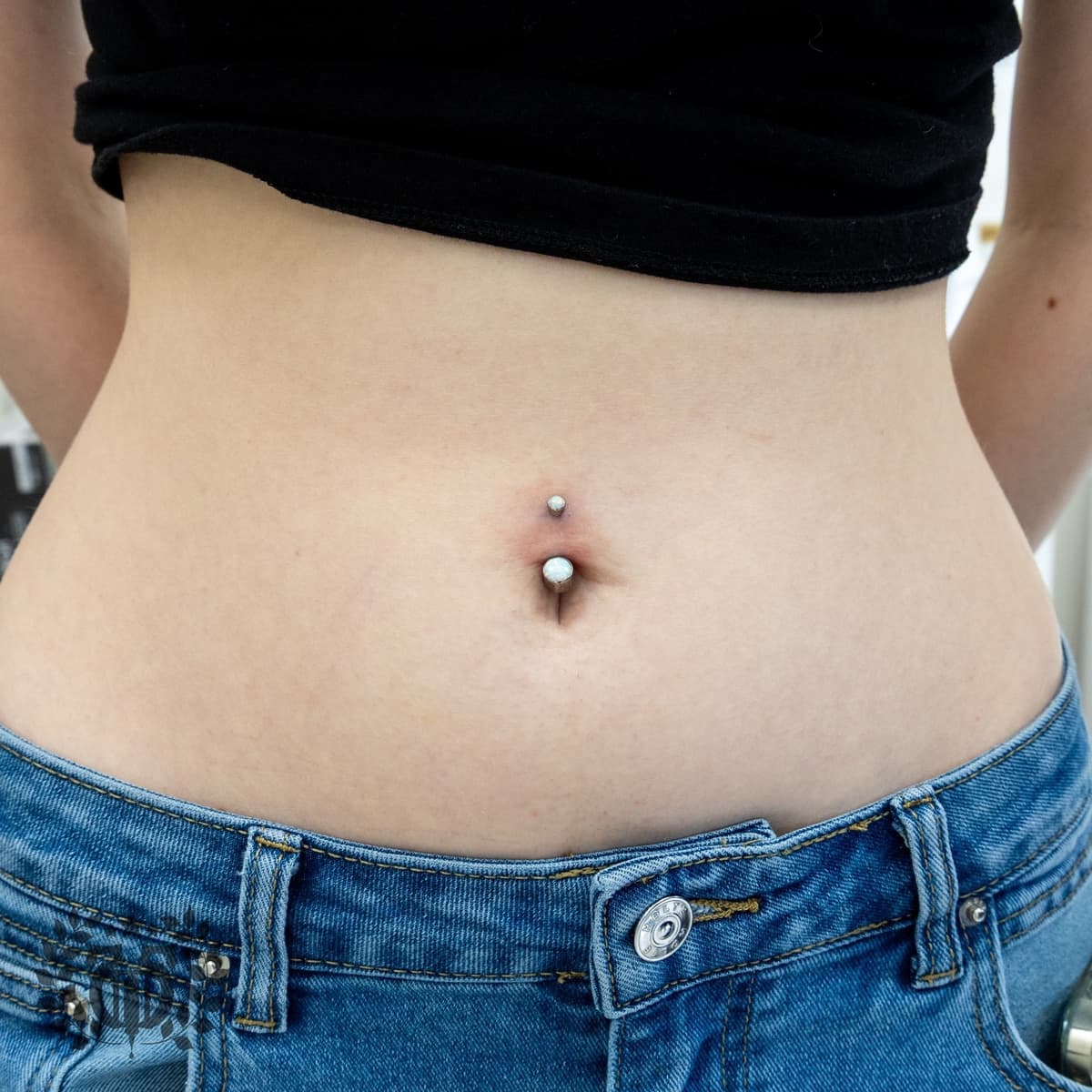
Placed further back on the tongue for a more hidden look. Requires adequate tongue length and careful vein assessment.
Clear next step
A consultation, an honest read on your tongue tip, and the alternatives on the table alongside it
Recommended first step
Reserve a body piercing appointment with jewelry, placement, and timing confirmed.
Crossing two halves of muscle costs you months that a midline bar does not
| Piercing Type | Location | Initial Healing | Full Healing | Pain Level |
|---|---|---|---|---|
| Snake Eyes | Horizontal tongue tip | 4-8 weeks | 4-6 months | 6-7/10 |
| Tongue | Center of tongue | 4-6 weeks | 2-3 months | 4-5/10 |
| Smiley | Upper lip frenulum | 4-8 weeks | 2-3 months | 3-4/10 |
 5000+ clients
Five things get measured or looked at, and any one of them can turn this into a conversation about alternatives
The bar has to sit in a body of tissue, not skim through the thin part. A slim tongue tip has less to hold the jewelry and less standing between the channel and the free edge, which is the splitting risk in one measurement.
Further back from the edge is safer and less visible, which is the trade-off you are making. We find the furthest-back position that still gives you the look you came in for, then check you are happy with that compromise.
We look at your bite and at how your tongue rests against those incisors, because that tells us how much bead-to-enamel contact is coming. Crowding or an edge-to-edge bite makes it worse.
If there is recession already showing on the margin behind your lower incisors, we will say so plainly. Adding constant bead contact to a gum that is already retreating is not something we will recommend.
We lay out what we found, what it means, and what the alternatives would give you instead. If we think the risks outweigh what you want from it, we will tell you that too. The decision is still yours to make.
On most piercings a long bar is a nuisance. On this one it is the mechanism behind both of the main risks.
Every piercing we do starts on a bar longer than the finished one needs to be, because swelling has to go somewhere. On a snake eyes that spare length does something specific and unhelpful once the swelling drops.
Length lets the bar rock in the channel, and rocking is what walks the holes forward toward the free edge of the tongue. Length also leaves the beads standing proud of the tongue tip, where they have room to swing into your lower front teeth rather than sitting flush. So the same millimetres are feeding both the splitting risk and the enamel risk at once. Nothing else in your control moves both needles as far.
Which is why the downsize is not a courtesy appointment on this page. It is the mitigation, and it is included.
There is no figure on this page, and the reason is the same reason the rest of the page reads the way it does
Quoting a number here would put a price on something we may well end up recommending against, which is the wrong way round. The consultation is $100 and carries no obligation: we look at your tongue tip, your bite and the gum behind your lower incisors, tell you what we found, and put the alternatives next to it. If you decide to go ahead after that, the fee for the piercing and the recommended starter jewelry is confirmed then and there. Jewelry is priced separately in every case, so you can weigh standard titanium beads against lower-profile flat ends or bioplastic on your own read of the dental risk. The downsize visit is included rather than billed.
 Senior Piercer
 Senior Piercer
Bunny Vogt, a Senior Piercer at our Los Angeles studio since 2019, takes oral piercings seriously — especially advanced placements like snake eyes that carry real risk. She'll give you honest anatomical counsel before piercing and refuse politely if your anatomy isn't a fit.
 Founder
 Master Piercer
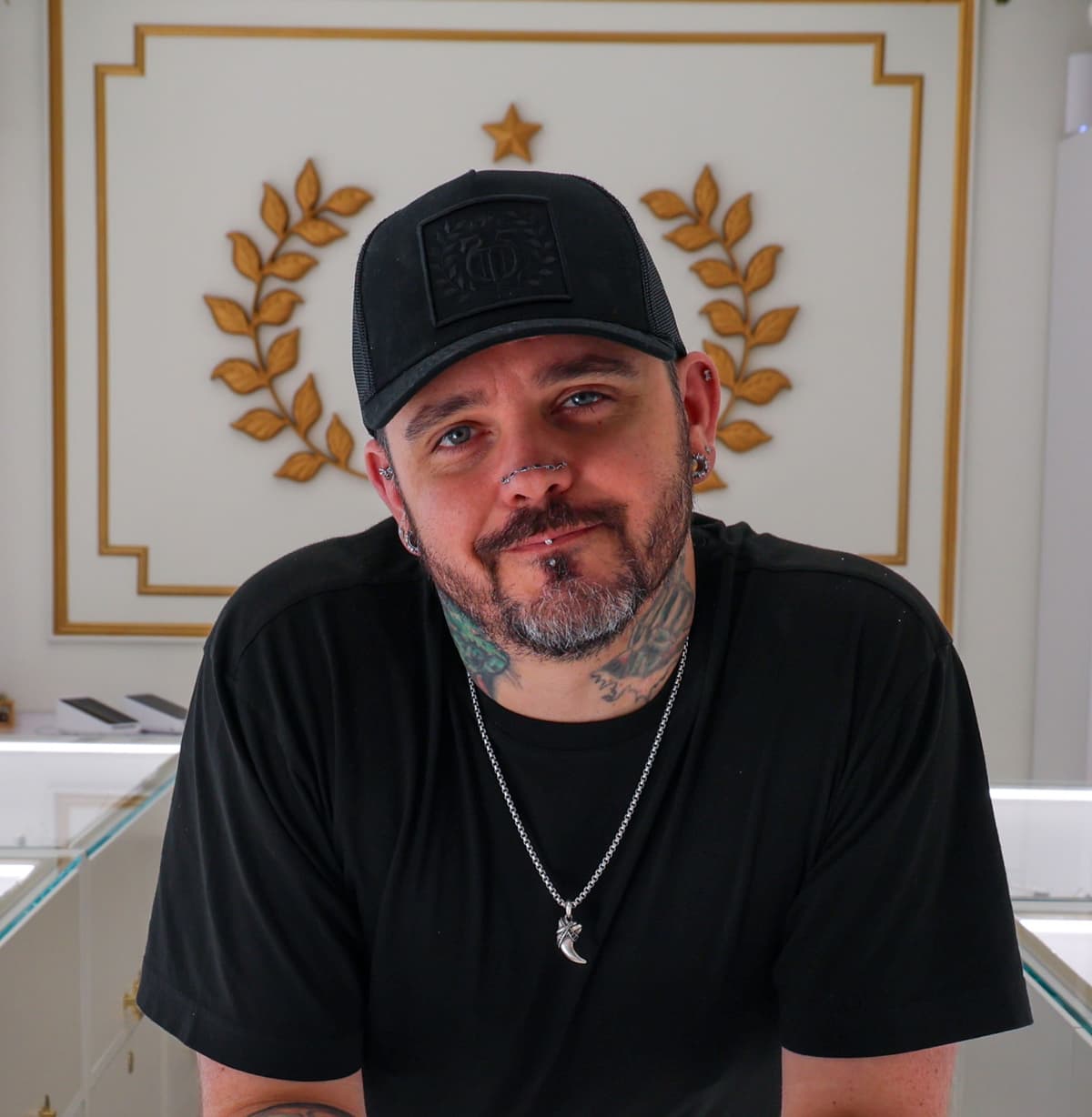
Blue Mason, our Master Piercer and studio founder since 2004, performs snake eyes piercings only after a thorough anatomical and dental consultation. His 20+ years of experience means he knows when to perform a piercing — and when to honestly recommend against it.
Say the assessment came back workable and you have weighed it against the alternatives and still want it. Here is what the appointment itself involves, and what the following six weeks ask of you.
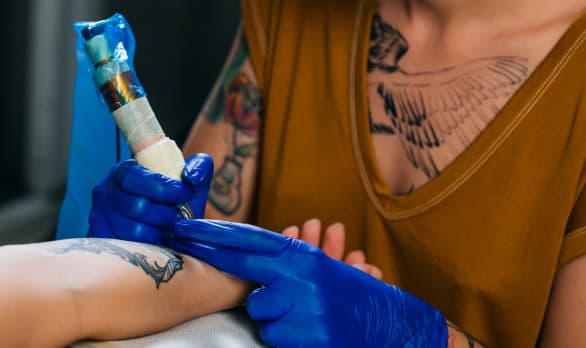

Plenty of people reading this were pierced somewhere else and are looking for what to watch. Two habits matter more than any cleaning routine. Once a fortnight, put your tongue out in front of a mirror and look at the tissue between each hole and the front edge of your tongue. You are checking that the strip has not got narrower than it was, and that the holes have not crept forward. Take a photo the first time so you have something to compare against, because slow change is invisible without a reference. Second, run your tongue behind your lower front teeth and pay attention to whether the beads are touching. If they are, the bar is too long and that is fixable today.
The routine part: alcohol-free mouthwash after every meal, snack and drink, sterile saline two or three times a day, and no clicking the jewelry against your teeth ever, deliberately or absently. Mention the piercing at your dental appointments so somebody is watching that gum margin with proper equipment twice a year. If you were never offered a downsize, come in and we will size you regardless of who did the original piercing. And if the tissue in front of the holes is visibly thinning, come in now rather than at the weekend. Taking a migrating bar out early leaves far less to show for it than waiting does.
Book AppointmentHeavier swelling than a midline tongue piercing and it lasts longer, five to seven days rather than two or three. Ice chips constantly, cold soft food, head propped up at night. The lisp is pronounced here because the tip is doing the swelling and the tip does the fine work in speech. Rinse after everything that is not water.
Swelling gone, and the bar you are wearing is now doing active harm rather than passive good. Come back and have it shortened. This is the mitigation for both the splitting risk and the enamel risk, it is included, and skipping it undoes most of the care taken at the original appointment. Food goes back to normal in this window; the rinsing does not.
Full internal healing runs to four or six months, considerably longer than a midline bar, because the channel crosses two independently moving halves of muscle. After that the watching does not stop. A fortnightly look at the tissue in front of the holes, a dentist who knows about the piercing, and a willingness to take it out if wear starts showing. That last one is part of owning this piercing rather than a failure of it.
We are open 8am to 8pm every day. This is the one placement where we would rather you came in twice than once, and it is worth explaining why instead of just saying appointments preferred.
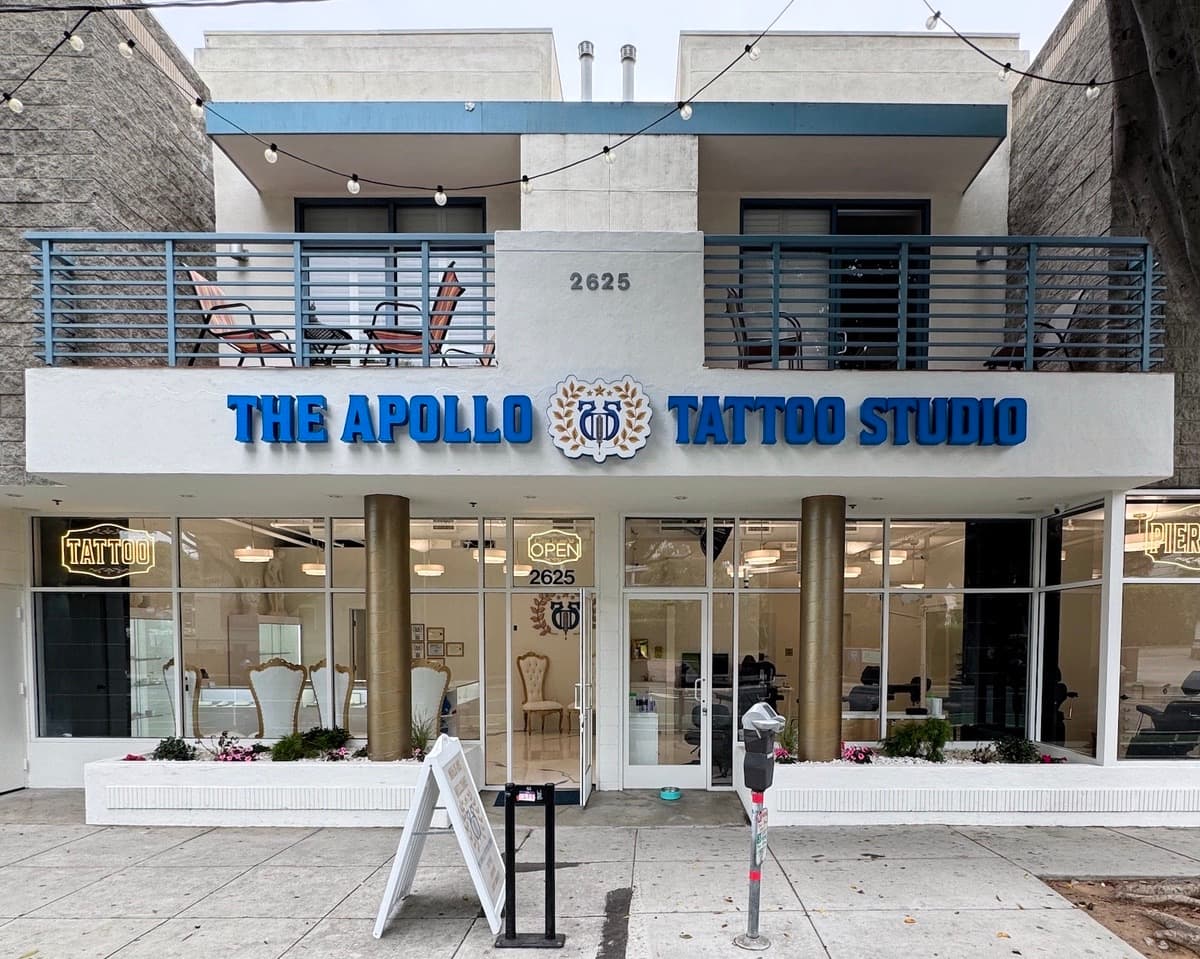
Verbatim reviews from Apollo's Google Business Profile
"Raa was my artist and let me tell you he was overall amazing! From his artwork to his personality! He has a way of making you feel comfortable!"
"Blue did a great job creating a Polynesian design and the tattoo work came out flawless. The shop is clean and everyone is very friendly"
Reviews from Google · Read all 623 on Google
5000+ clients2625 Main Street in Santa Monica, open 8am to 8pm every day. The consultation costs nothing and takes about fifteen minutes, and a good number of people who make that trip leave having decided on something else entirely. That is a perfectly good outcome for an afternoon. If you are coming for the piercing itself, eat properly beforehand and have cold soft food waiting at home.
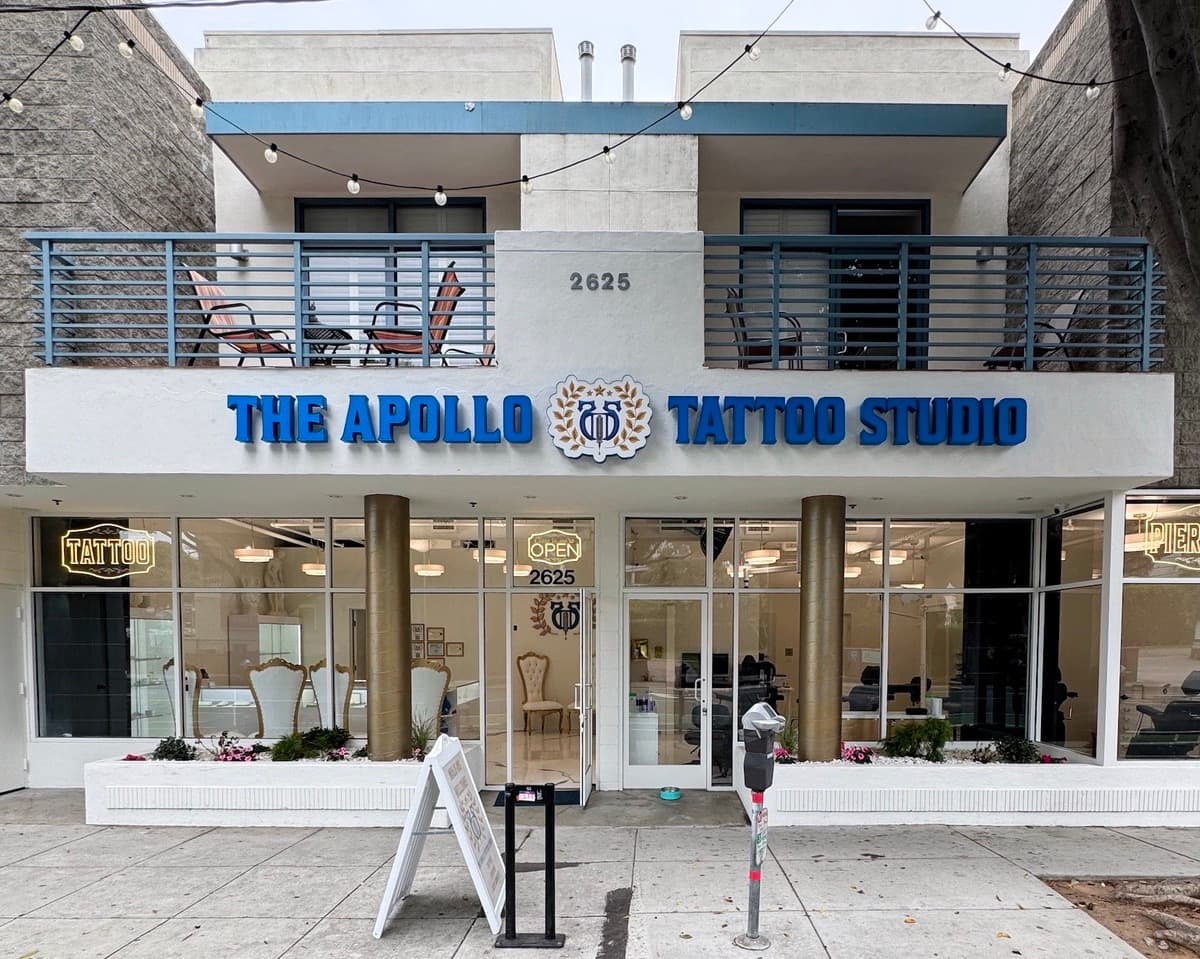
Santa Monica, CA
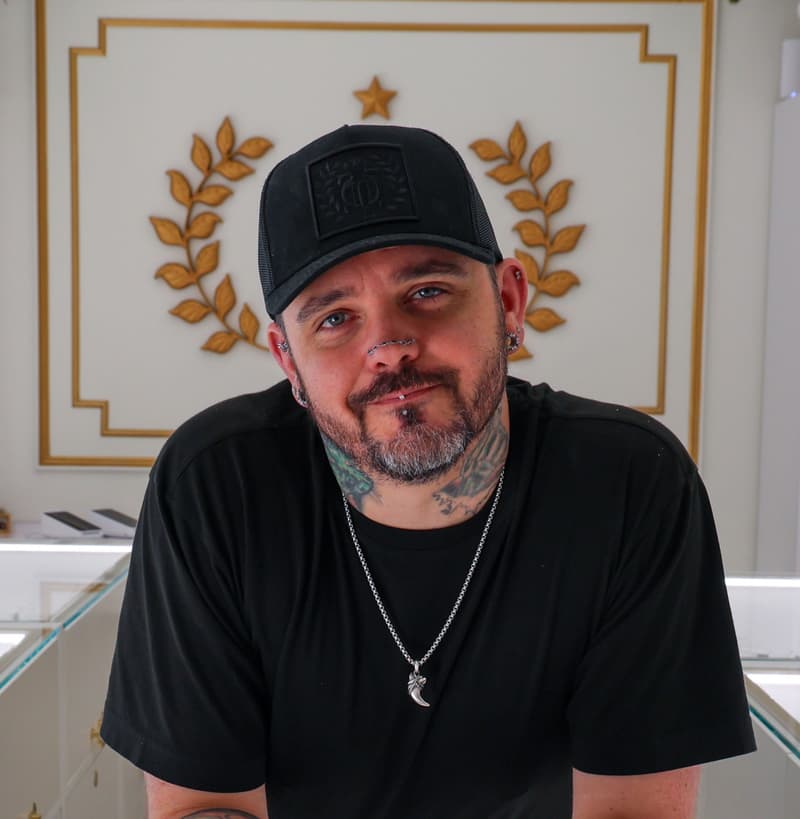
Apollo was founded by Blue Mason in 2007. With 20+ years of body art experience, Blue brings master-level expertise to every piece. Read Blue's story →
Including the ones with answers people would rather not hear
One barbell passing side to side through the tip of your tongue, with a bead showing at each end. The detail that matters, and that most descriptions skip: your tongue tip is not one muscle but two halves working independently, and a horizontal bar pins them together. That is a mechanical change, not just a decorative one, and nearly everything else on this page follows from it.
Honest answer: snake eyes piercings carry well-documented risks — high rates of tooth chipping and enamel wear from the front beads, gum recession on the lower front teeth, migration and rejection because the piercing crosses muscle fibers, and impaired tongue movement. Many studios refuse outright. At Apollo we don't refuse blanket, but we'll have an honest conversation about whether your anatomy and lifestyle make it a sensible choice — and we'll counsel you against it if we believe the risks outweigh your wants. Informed consent matters.
Snake eyes piercings rate 6-7 out of 10 on pain scales — higher than a standard tongue piercing because the needle crosses dense tongue tip muscle fibers. It's quick (a couple seconds) but more intense. Swelling afterward is significant and lasts longer than a midline tongue piercing.
Initial healing for a snake eyes piercing takes 4-8 weeks, with full internal healing in 4-6 months. Healing is slower than a standard tongue piercing because the piercing crosses muscle fibers, which the body sometimes resists. Expect extended swelling for the first 2 weeks.
Your tongue tip rests against the backs of your lower front teeth most of the time you are not using it. Put two beads on the tip and they rest there instead, and they move across that surface every time you speak or swallow. Enamel is harder than titanium but it loses anyway, because the contact is constant and enamel does not regrow. The gum margin behind those teeth takes the same treatment. Smaller beads and bioplastic ends genuinely reduce the contact and genuinely do not remove it. This is the single biggest reason we counsel some people away from the piercing.
Expect a noticeable lisp for the first 2-3 weeks while swelling is severe and your tongue learns new movement patterns. Most clients adapt within a month and speak normally afterward. Some people experience persistent minor speech changes long-term because the horizontal placement restricts natural tongue tip movement.
Because on a midline tongue piercing a long bar mostly annoys you, and here it drives the two problems that define the placement. Length that pokes out beyond the tongue tip gives the beads room to swing into your lower front teeth. Length is also what lets the bar rock inside the channel, and rocking is what widens the holes toward the free edge of the tongue. Starter bars are implant-grade titanium at 14 gauge and deliberately long for the swelling, then swapped for something considerably shorter at 4 to 6 weeks. We push bioplastic or low-profile flat ends over standard beads for the same reason.
Stick to soft, cool foods for the first week — smoothies, yogurt, oatmeal, soft pasta. Avoid spicy, salty, acidic, crunchy, or very hot foods for 2-3 weeks. Cut everything small and chew slowly to avoid biting down on the new piercing. Rinse with alcohol-free mouthwash after every meal.
If a snake eyes piercing rejects, migrates, or you decide to remove it, healing the holes is usually straightforward — remove the jewelry, rinse with saline and mouthwash, and the holes typically close within days to weeks (mouth tissue heals quickly). Some minor scarring may remain on the tongue tip. We can assess and discuss removal anytime during a free follow-up.
Apollo requires clients to be 18+ for oral piercings including snake eyes piercings. We follow APP (Association of Professional Piercers) guidelines and California regulations. Valid government-issued photo ID required at appointment.
We'll have an honest consultation first. If your tongue anatomy is suitable (sufficient tip thickness, no major vessels in the path) and you understand the dental and migration risks fully, yes — we'll perform the piercing safely with the best technique and jewelry available. If we believe the risks outweigh your wants based on your specific anatomy or dental health, we'll tell you. Honesty is the service, not just the procedure.
Eat a substantial meal an hour before. Hydrate well. Avoid alcohol, blood thinners, and caffeine for 24 hours. Brush teeth thoroughly and rinse with alcohol-free mouthwash before arriving. Bring photo ID. Plan to take it easy that evening — significant swelling will start within hours. Stock soft foods at home for the first week.
Apollo sits at 2625 Main St in Santa Monica, a block from the beach and easy to reach from anywhere on the Westside. Here's roughly how long it takes to get to us for tattoos and piercings:
There's metered street parking on Main Street and Ocean Park Blvd, plus a public lot on 2nd Street a short walk away. We recommend giving yourself an extra 10 minutes to park on weekends — Main Street gets busy with the farmers market and beach traffic. If you're running late, text us at the studio and we'll hold your appointment.
Come and get your tongue tip looked at. Whichever way it goes, you will leave knowing why.
Recognized in Santa Monica's Most Loved 2025 & 2026


We'll respond within 24 hours
Or reach us directly:
We use cookies to run this site, remember your preferences, and understand how it's used. Read our Privacy Policy for full details.